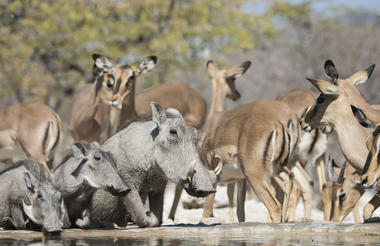
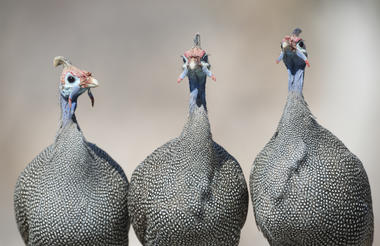
Spanning more than 172,000 hectares and encompassing several distinct desert ecosystems, the NamibRand Nature Reserve in southern Namibia is one of the largest private nature reserves in Southern Africa. Founded to conserve the unique ecosystem and biodiversity of the Namib Desert, the reserve's mix of dunes, mountains, rocky outcrops, sandy flats, and gravel plains provides habitats for a diversity of mammals, including hyenas, jackals, foxes, antelopes, and various wild cats. The reserve is also home to numerous bird species, reptiles, insects, and amphibians, alongside an array of plant species. Discover the mysterious fairy circles, enigmatic bare patches in the desert landscape whose origins remain the subject of scientific debate, or enjoy a night of sublime stargazing; as Africa's first International Dark Sky Reserve, it is one of the least light-polluted areas in the world.
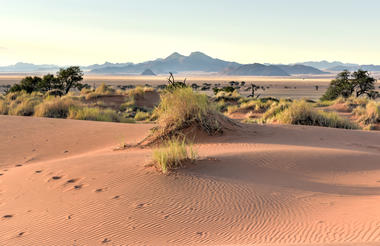
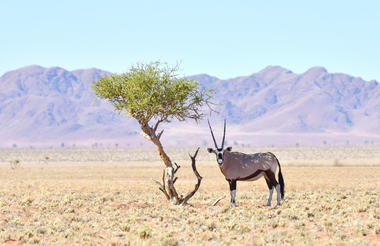
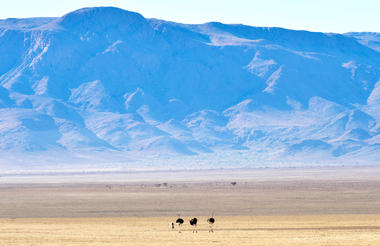
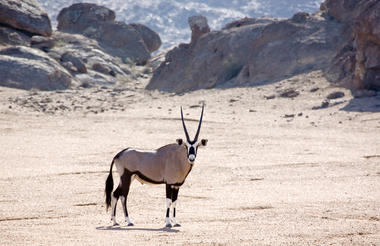
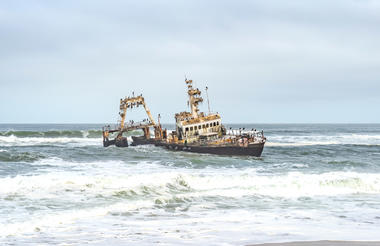
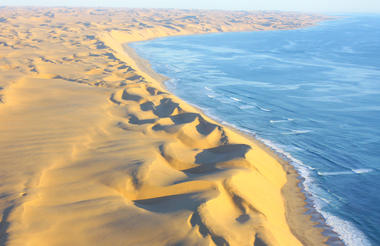
Stretching from the Swakop River to southern Angola, Namibia’s Skeleton Coast is known as the 'Land God Made in Anger'. Thousands of miles of sandy desert dotted with shipwrecks meet with the cold waters of the Atlantic, where ocean fog creeps over the shoreline. Somehow, an amazing array of wildlife and flora manages to survive in this harsh but beautiful environment. Animals living here include seabird colonies, Cape fur seals, zebras, gemsbok, desert-adapted elephants, lions, and many more. Surfing enthusiasts are drawn to the powerful crashing waves, and photographers flock from around the globe to snapshot the eerie shipwreck graveyards and breathtaking coastline.
Situated in the Kunene Region of northwestern Namibia, on the edge of the Huab Valley, Twyfelfontein is a remarkable archaeological and geological site renowned for its exceptional collection of ancient rock engravings. Designated a UNESCO World Heritage Site, it is home to more than 2000 petroglyphs created over thousands of years by hunter-gatherer communities, making it one of Africa's most significant concentrations of prehistoric rock art. Guided walks lead visitors through dramatic sandstone outcrops to view engravings depicting wildlife, human figures and symbolic motifs, while the surrounding desert landscape is known for its striking scenery and adapted wildlife, including desert elephants that occasionally roam the region. Nearby attractions include the Organ Pipes, Burnt Mountain and the Damara Living Museum.
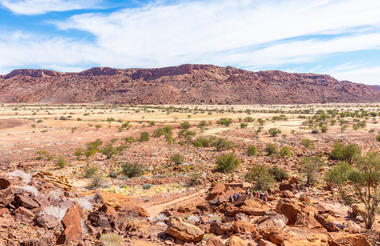
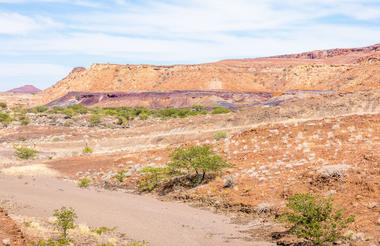
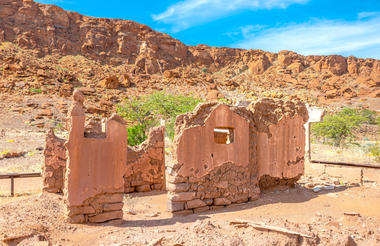
Ongava Private Reserve is a 45,000-hectare wildlife reserve in northern Namibia, at the southern boundary of Etosha National Park. Dolomite hills give way to mopane woodland and open savanna, and waterholes draw a steady procession of wildlife through the day and into the night.
This is rhino country. Ongava is home to both black and white rhino and was one of the first custodians in Namibia’s Black Rhino Custodianship Programme. Over 100 species of mammal and more than 300 bird species share the reserve, and conservation here is guided by the Ongava Research Centre, based on the reserve.
Ongava’s four lodges each offer a different way to stay: the elegant Ongava Lodge, the intimate Horizon, the contemporary Anderssons at Ongava and the immersive Encounter by Ongava. All draw on the materials of the land around them, rock, thatch, stone and timber.
Guests can spend their days on Ongava, with guided walks, night drives and long hours at the waterhole hides, or venture into Etosha next door.