
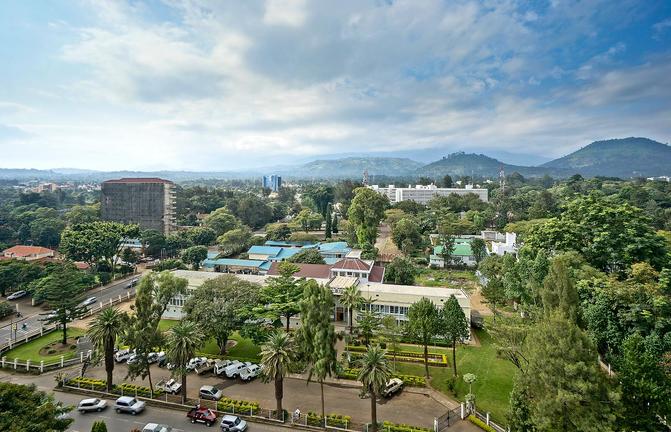
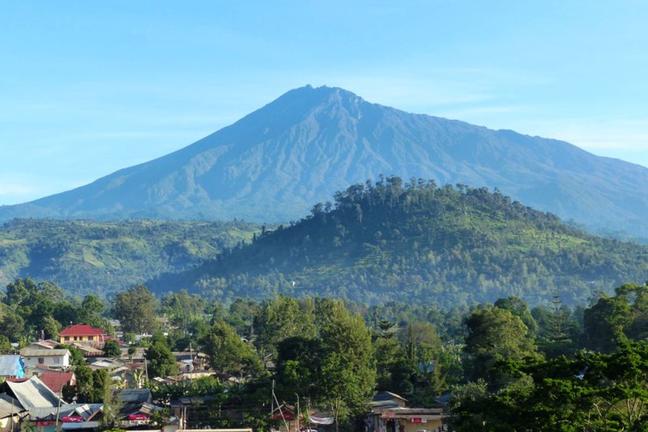

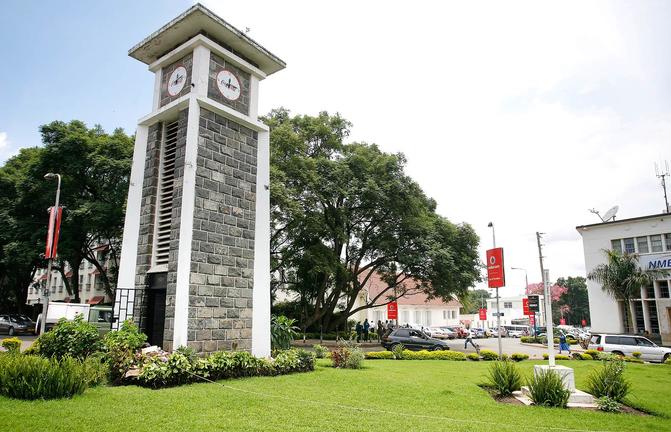
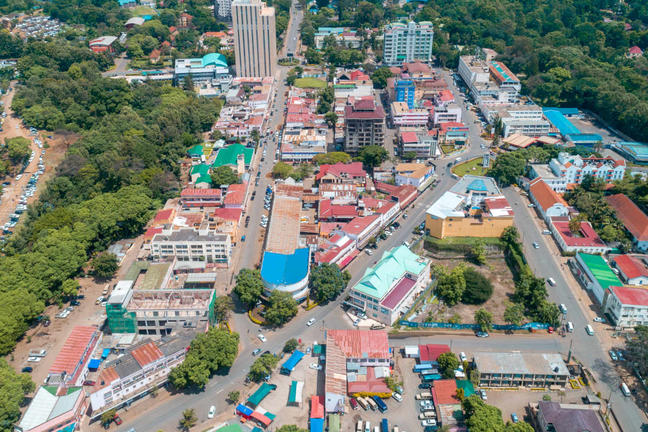
At the foot of Mount Meru, whose volcanic cone dominates the northern skyline, Arusha is the administrative capital of the Arusha Region and the principal gateway to northern Tanzania's renowned safari circuit. Alongside its thriving tourism industry, the bustling city is a leading centre for business, diplomacy and international conferences in East Africa, hosting regional institutions and major political, commercial and conservation events throughout the year. German colonial buildings, modern offices and lively markets reflect Arusha's evolution from a colonial outpost into northern Tanzania's commercial hub, while cafés, hotels, craft centres and galleries contribute to its cosmopolitan atmosphere. Less than an hour from the city, Arusha National Park offers game drives and canoeing on the Momella Lakes beneath Mount Meru, while nearby coffee estates and cultural experiences introduce visitors to the region beyond the safari circuit.
Ngorongoro Conservation Area lies in northern Tanzania, forming part of the wider Serengeti ecosystem and encompassing dramatic highlands, volcanic plains and the world-famous Ngorongoro Crater. The atmosphere is vast and elemental, shaped by sweeping savannahs, mist-cloaked rim viewpoints and an ever-present sense of geological scale. Wildlife is abundant, with opportunities to see lion, elephant, buffalo and flamingo within the crater floor, while Maasai communities continue traditional pastoral lifestyles across the surrounding landscape. Visitors can descend into the crater for game drives, explore archaeological sites such as Olduvai Gorge, or simply take in the shifting light across the highlands. Crisp morning air, distant calls of wildlife and wide horizons create a powerful sense of wilderness, though conditions and visibility can vary with season and weather.


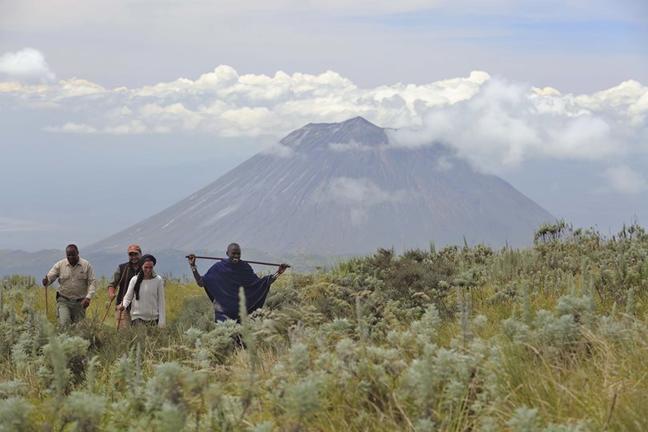
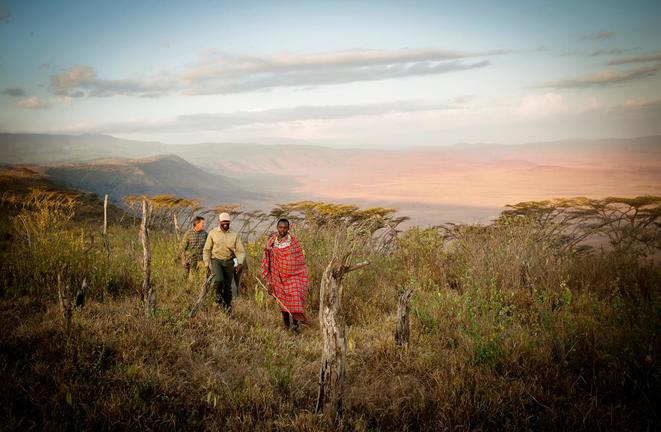
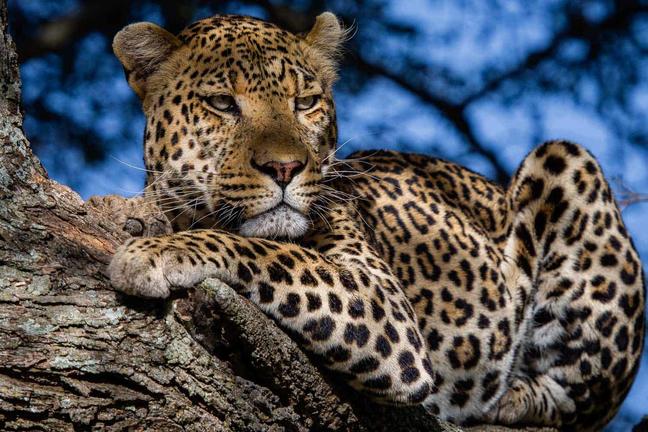
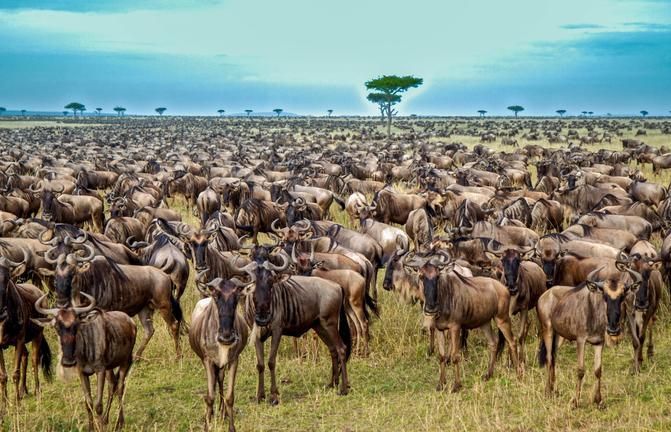
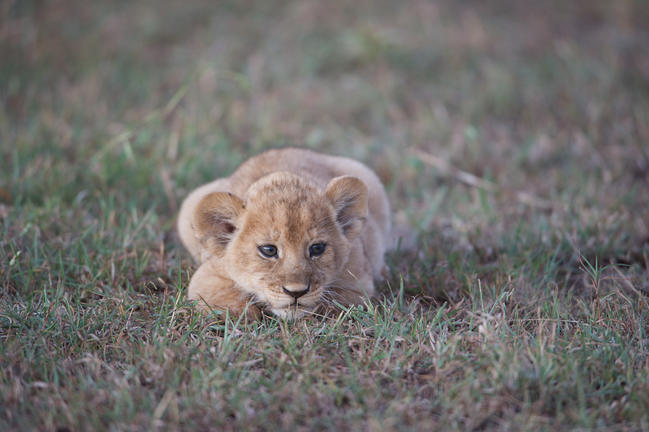
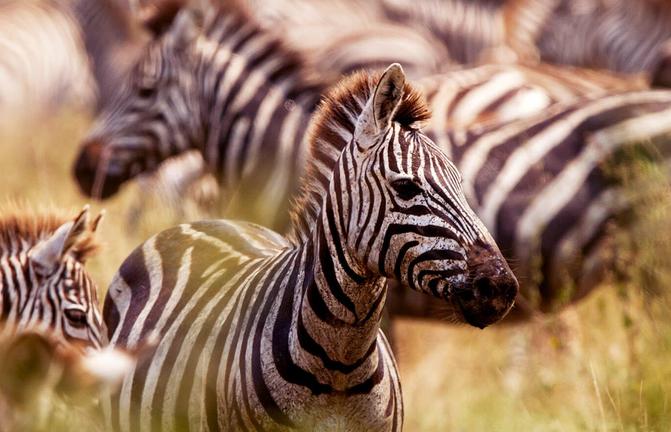
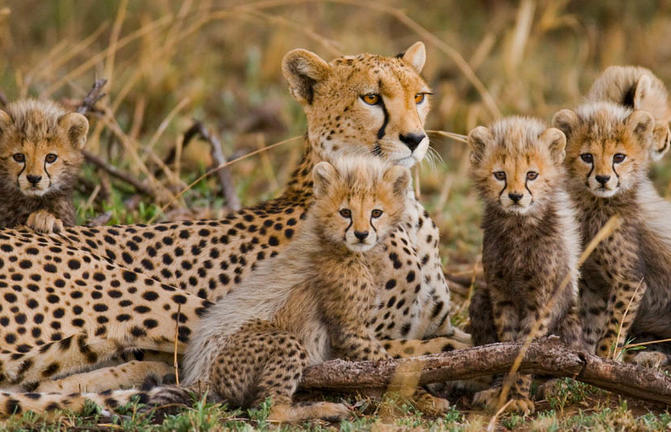
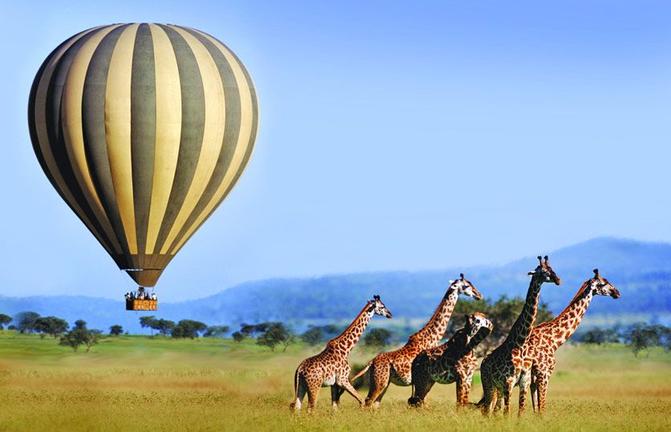
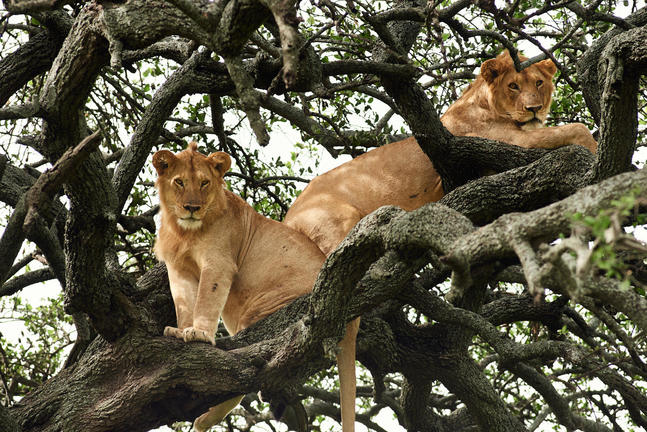
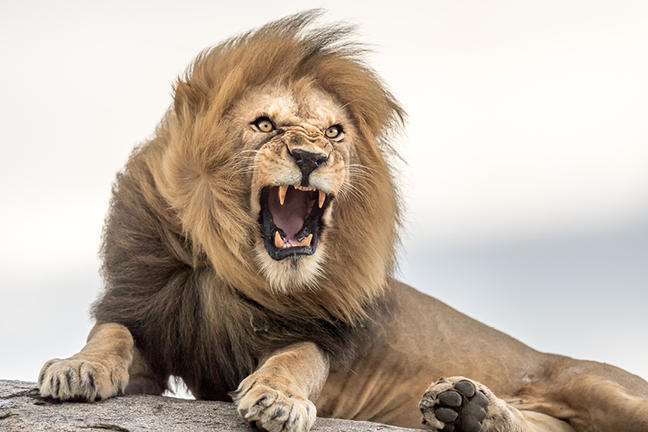
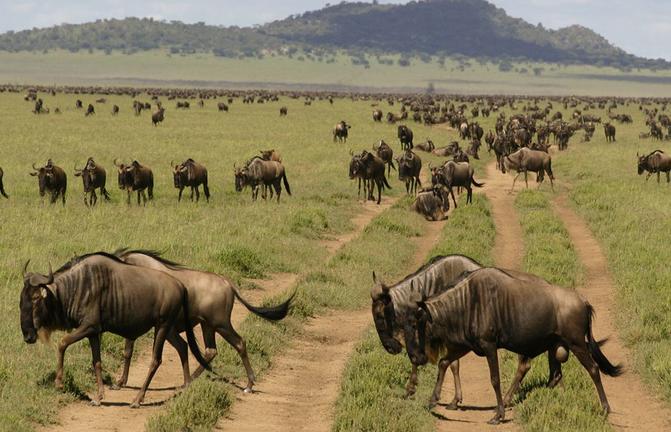
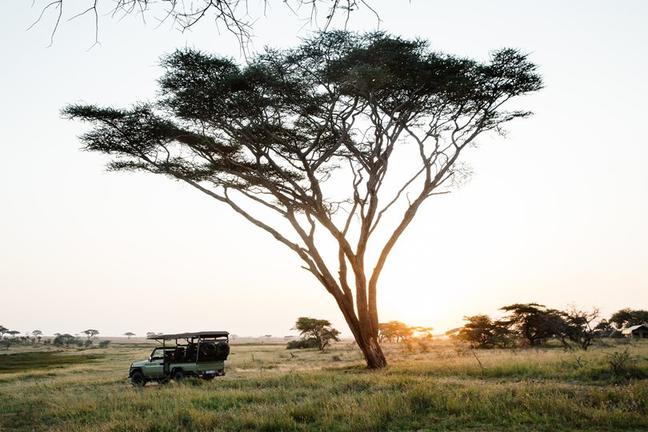
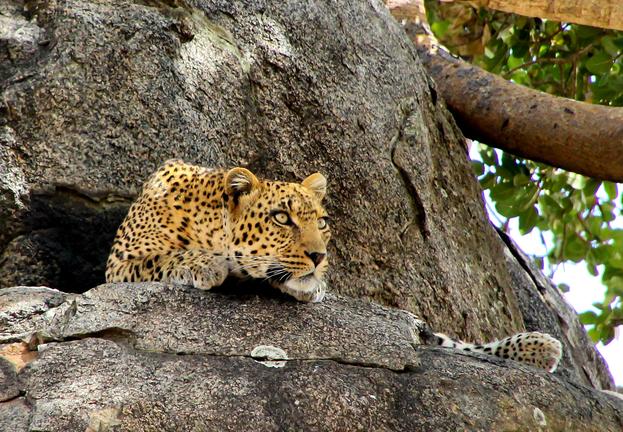
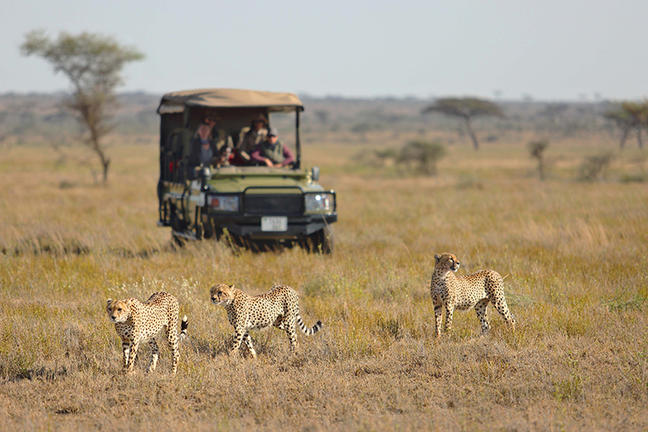
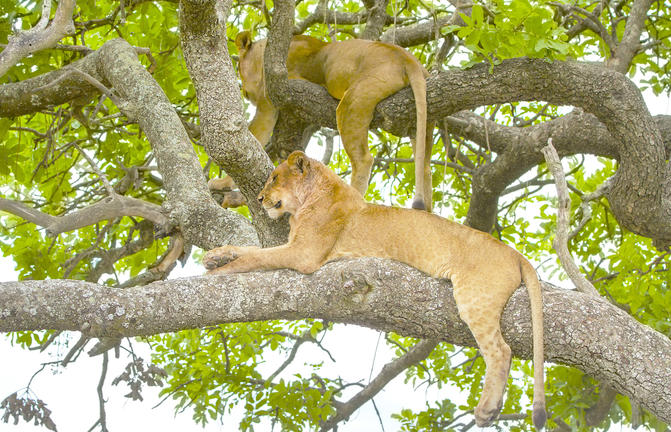
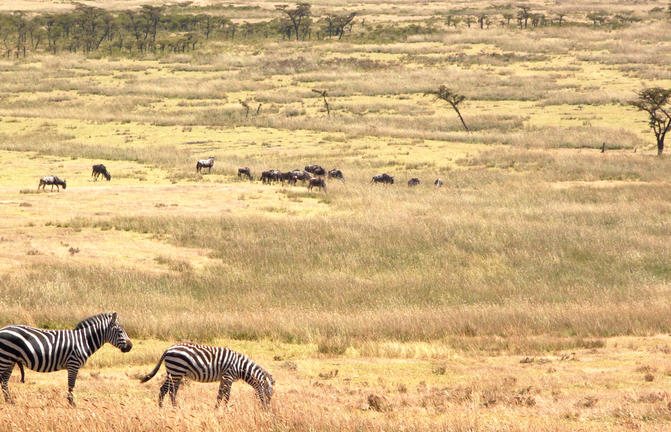
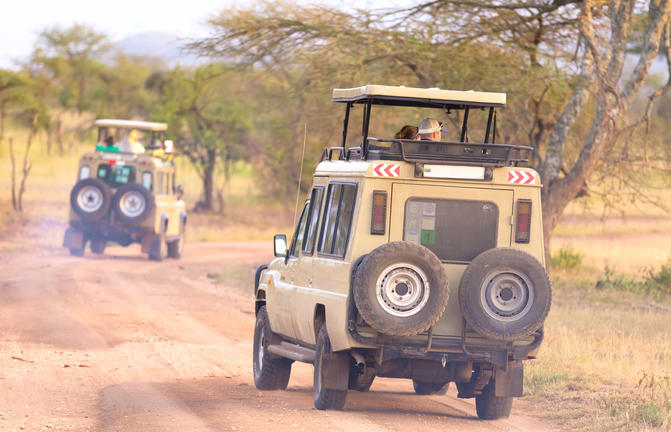
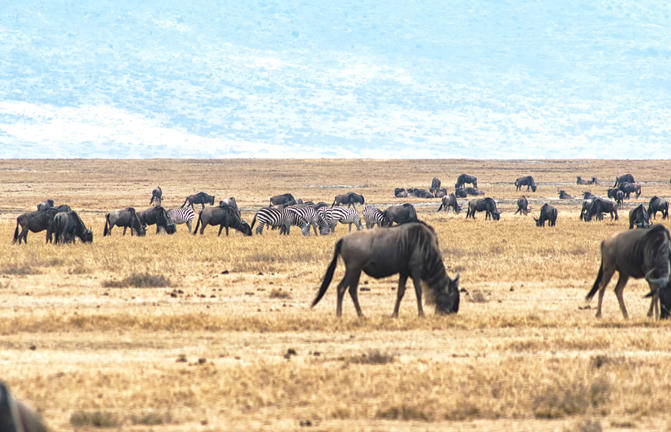
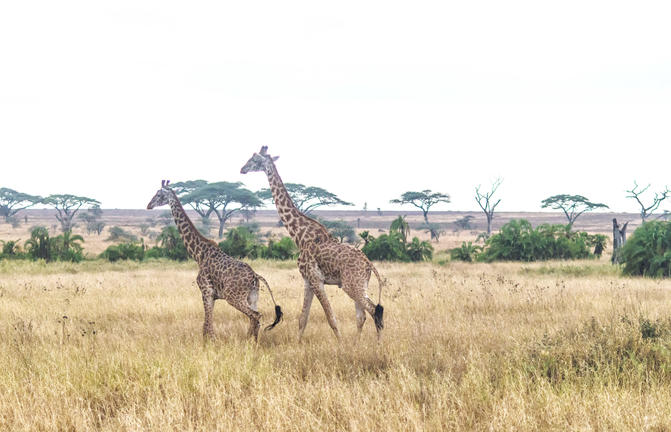
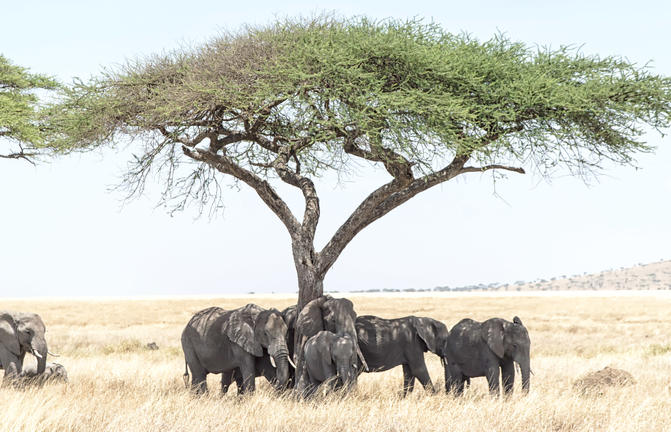
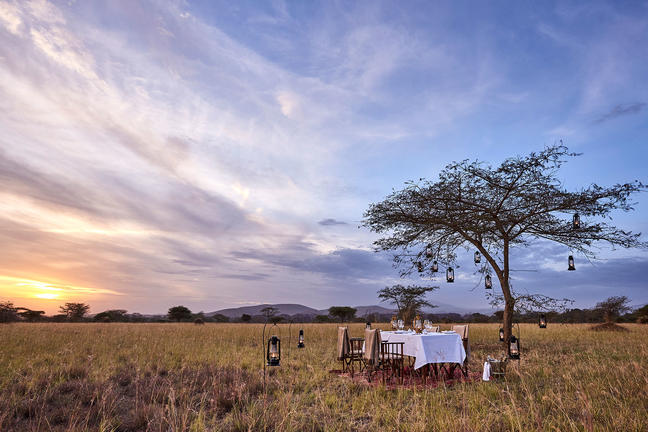
The acacia-dotted plains of the Eastern Serengeti are home to abundant wildlife and offer some of the finest safari experiences in Tanzania. Renowned for its role in the Great Wildebeest Migration, this region attracts visitors from around the world eager to witness one of nature’s most spectacular events. Excellent game viewing can be enjoyed around Lobo on the eastern edge of Serengeti National Park, while activities include guided walks through the scenic wilderness, hot air balloon safaris, bush picnics, and opportunities to learn about Maasai culture and traditions. A visit to the famous Gol Kopjes is a highlight, as these granite outcrops are widely regarded as one of the best places in Africa to observe cheetahs in their natural habitat.
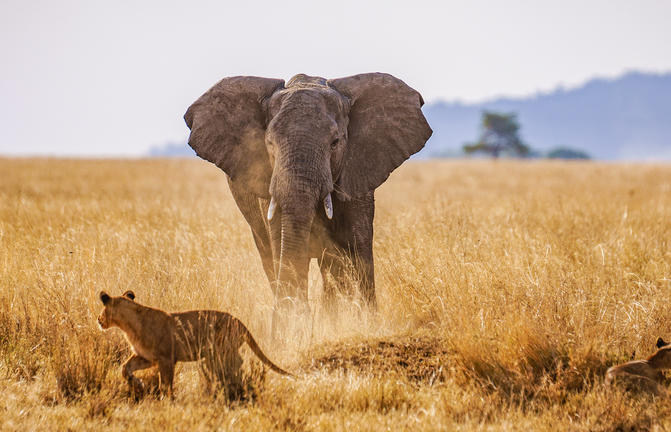
Northern Serengeti occupies the remote reaches of Tanzania's Serengeti National Park, where sweeping grasslands, wooded hills and the Mara River create one of Africa's most remarkable wildlife landscapes. Best known for dramatic river crossings during the Great Migration, the region offers unforgettable game drives with opportunities to see vast herds of wildebeest and zebra alongside lions, elephants, leopards and crocodiles. Outside the migration season, quieter plains and year-round resident wildlife provide a more secluded safari experience. Crisp morning air, the distant calls of birds and the golden glow of the savannah at sunrise immerse visitors in the rhythms of the wild, leaving a lasting impression of nature on an extraordinary scale.


Just off the north-east coast of Tanzania, Mnemba Island is a private island surrounded by the turquoise waters of the Zanzibar Archipelago and its encircling coral reef. The atmosphere is quiet and exclusive, with powder-soft sand, rustling palms and little beyond the sound of waves and traditional fishing boats in the distance. Renowned for its clear waters and vibrant marine life, the island offers exceptional snorkelling and diving, where dolphins, green sea turtles and shoals of reef fish are frequently seen, along with occasional rays and reef sharks. Days unfold slowly between barefoot beach walks, dhow cruises and ocean swims. While access is limited and accommodation is intentionally understated in scale, the island’s appeal lies in its seclusion, natural beauty and unhurried coastal atmosphere.


