At the foot of Mount Meru, whose volcanic cone dominates the northern skyline, Arusha is the administrative capital of the Arusha Region and the principal gateway to northern Tanzania's renowned safari circuit. Alongside its thriving tourism industry, the bustling city is a leading centre for business, diplomacy and international conferences in East Africa, hosting regional institutions and major political, commercial and conservation events throughout the year. German colonial buildings, modern offices and lively markets reflect Arusha's evolution from a colonial outpost into northern Tanzania's commercial hub, while cafés, hotels, craft centres and galleries contribute to its cosmopolitan atmosphere. Less than an hour from the city, Arusha National Park offers game drives and canoeing on the Momella Lakes beneath Mount Meru, while nearby coffee estates and cultural experiences introduce visitors to the region beyond the safari circuit.


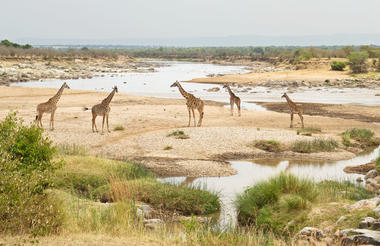
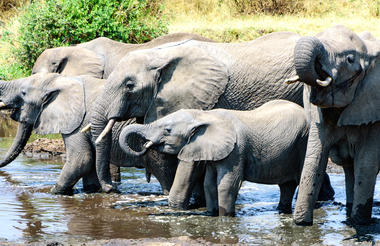
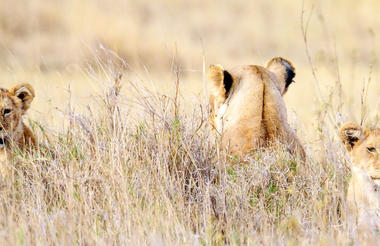
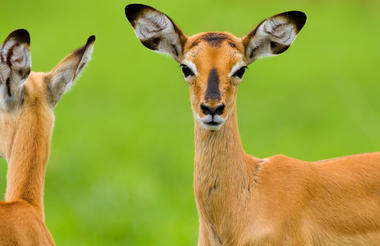
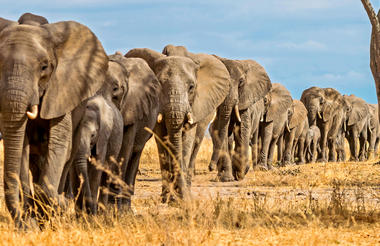
Situated in northern Tanzania, Tarangire National Park is a breathtaking safari destination famed for its dramatic landscapes and exceptional wildlife. Dominated by ancient baobab trees and the life-giving Tarangire River, the park provides sanctuary for vast herds of elephants, zebra, and wildebeest, alongside smaller groups of giraffe and impala, especially during the dry season when animals gather in extraordinary numbers. Travellers can look forward to thrilling game drives that reveal lion, leopard, and even cheetah, together with more than 500 bird species that make the skies shimmer with colour and sound. Unlike busier safari parks, Tarangire offers a more tranquil, intimate atmosphere, allowing visitors to truly connect with nature. Its sweeping vistas, rich biodiversity, and sense of untamed wilderness make it an unmissable highlight of any Tanzanian adventure.
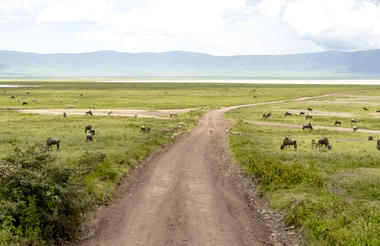
Not to be confused with the Kenyan lake of the same name set only a hundred kilomtres away, the Tanzanian Lake Magadi is an exquisite soda lake in the Ngororongo crater, named the Swahili word for salt. This is a wonderful destination for nature photographers, a scene that changes exquisitely through the seasons, moving through lush greens into striking oranges and bright pinks. Along with the changes come captivating, changing groups of animals including rhino, eland and lion, as well as golden jackals who come to hunt the flamingos. Spread over 11.2 square kilometres, the lake cultivates a unique ecosystem with its blue-green algae, which nourishes the plants and small creatures here. The surrounding crater is filled with incredible other natural attractions and a much wider variety of wildlife.

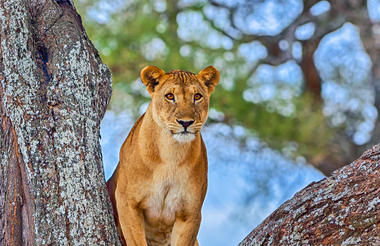
The Seronera region, in the central Serengeti, is set directly on the Great Migration route and offers excellent viewing of this incredible annual phenomenon, when countless wildebeest flood the area and move across the plains. While migratory game populations fluctuate seasonally, Seronera is still a wildlife hotspot at other times of the year, sheltering the Big Five, among many other species. A number of small campsites provide accommodation and visitors can enjoy hot air balloon trips and walking safaris as well as guided game drives.


Northern Serengeti occupies the remote reaches of Tanzania's Serengeti National Park, where sweeping grasslands, wooded hills and the Mara River create one of Africa's most remarkable wildlife landscapes. Best known for dramatic river crossings during the Great Migration, the region offers unforgettable game drives with opportunities to see vast herds of wildebeest and zebra alongside lions, elephants, leopards and crocodiles. Outside the migration season, quieter plains and year-round resident wildlife provide a more secluded safari experience. Crisp morning air, the distant calls of birds and the golden glow of the savannah at sunrise immerse visitors in the rhythms of the wild, leaving a lasting impression of nature on an extraordinary scale.