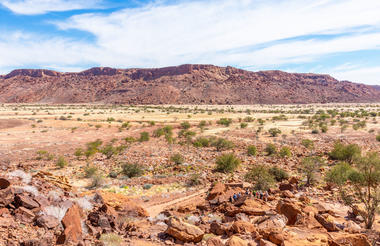
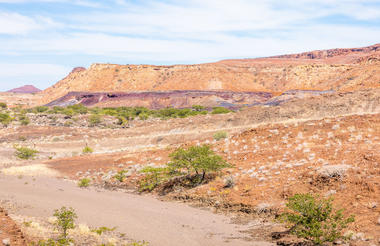
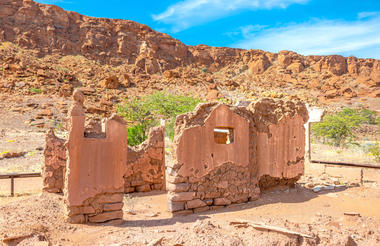
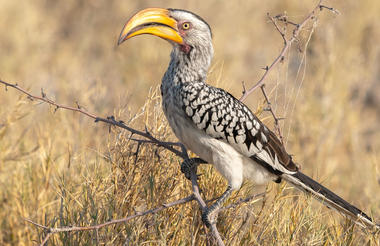
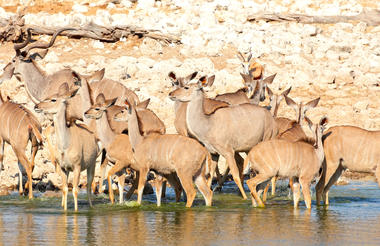
Spanning 60,000 acres of diverse terrain, this private game reserve has provided a refuge for Namibian wildlife since its founding in 1975 by Jan Oelofse. Open grasslands, acacia woodlands, and rocky outcrops sustain nearly 6,000 animals, including large herds of kudu, springbok, and gemsbok. Rare species such as black rhinos, sable and roan antelopes, and the striking black-faced impala add to the region’s biodiversity. Hartmann’s mountain zebras traverse the rugged hills, while elephants and hippos gather around waterholes. Seasonal safaris reveal cheetahs stalking prey, nocturnal aardvarks foraging, and vibrant birdlife, from lilac-breasted rollers to Verreaux’s eagles.
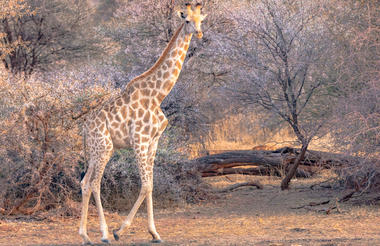
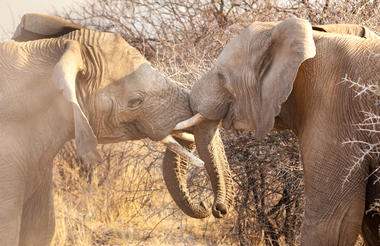
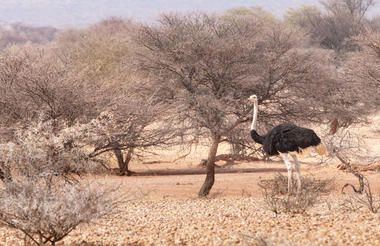
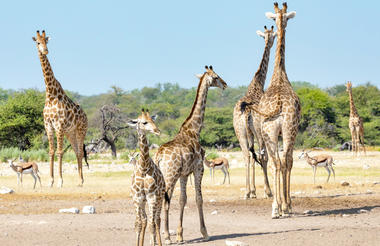
Located along the eastern boundary of Etosha National Park in northern Namibia, Etosha East is a rewarding safari destination known for its excellent wildlife viewing and convenient access to the park through the Von Lindequist Gate near Namutoni. Characterised by open savannah, mopane woodland and seasonal waterholes, the region attracts an abundance of wildlife, including elephant, lion, giraffe, zebra and a variety of antelope species. Visitors can enjoy self-drive or guided game drives, with the waterholes offering some of the best opportunities to observe animals gathering to drink, particularly during the dry season. Golden grasslands, distant birdsong and expansive African skies create an immersive safari experience in one of Namibia's most celebrated conservation areas.
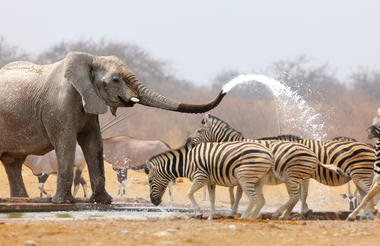
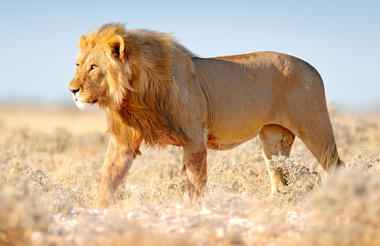
As previously described


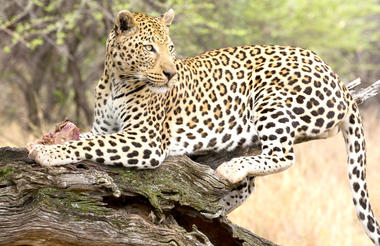
Situated in the western part of Etosha National park, a world-famous wildlife sanctuary in the northwestern part of Namibia, Etosha West is the wilder western region accessed through Galton Gate. Visitors to Etosha West can look forward to exploring the magnificent scenery of this remote north Namibian landscape characterised by lush undulating terrain and a reddish-brown soil, which is a stark contrast to the white dusty clay soil of Etosha East’s flat expansive plains. This area is home to several species not found in the rest of the park: baboons, Mountain Zebra, and Brown Hyena, as well as several unique plants. The area also boasts numerous waterholes attracting elephant, rhino, leopard, lion, a variety of buck, and around 300 bird species.
Situated in the Kunene Region of northwestern Namibia, on the edge of the Huab Valley, Twyfelfontein is a remarkable archaeological and geological site renowned for its exceptional collection of ancient rock engravings. Designated a UNESCO World Heritage Site, it is home to more than 2000 petroglyphs created over thousands of years by hunter-gatherer communities, making it one of Africa's most significant concentrations of prehistoric rock art. Guided walks lead visitors through dramatic sandstone outcrops to view engravings depicting wildlife, human figures and symbolic motifs, while the surrounding desert landscape is known for its striking scenery and adapted wildlife, including desert elephants that occasionally roam the region. Nearby attractions include the Organ Pipes, Burnt Mountain and the Damara Living Museum.