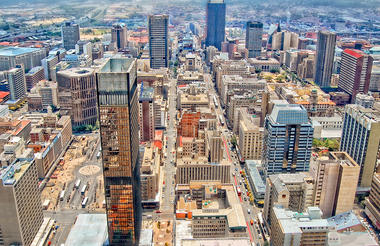
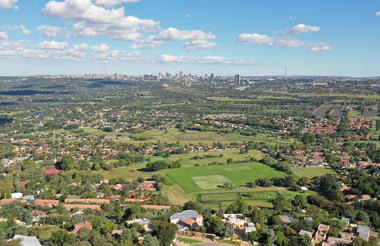
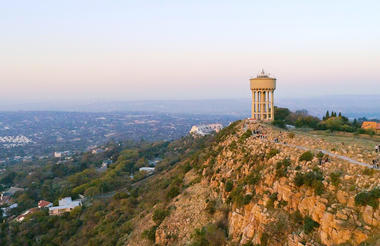
Johannesburg was initially developed in response to the discovery of gold in the mineral-rich area called Witwatersrand. Today, it is the business center of the country and has an urban area population of around 15 million people, making it one of the world’s largest cities in both area size and population. Johannesburg, affectionately known as Joburg or Jozi to its residents, has also re-incorporated Soweto (once one of the largest townships in the world) back into it. Soweto, which stands for “southwestern townships,” was separate from the city during apartheid and was home to many of the city’s gold and diamond workers.
Located in southern Zambia along the border with Zimbabwe, the Lower Zambezi region is renowned for its spectacular wilderness and the wildlife-rich Lower Zambezi National Park. One of Africa’s most unspoilt safari destinations, the area is characterised by vast floodplains, indigenous woodlands, and the mighty Zambezi River, which supports an abundance of wildlife. Visitors can expect to see elephants, hippos, buffalo, crocodiles, fish eagles, and a variety of other species in their natural habitat. The region offers a diverse range of safari experiences, including game drives, guided walking safaris, canoe excursions along the river, and some of the finest tiger fishing opportunities in Africa.
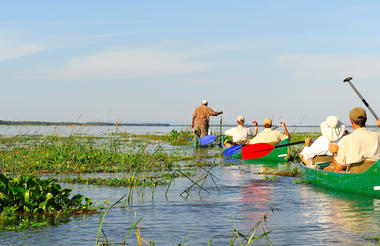
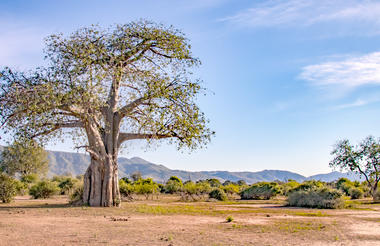
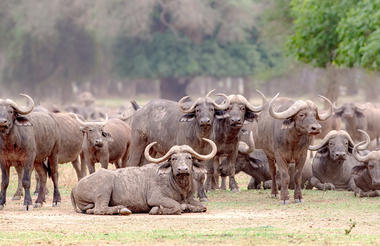
Located in western Zambia, approximately 200 kilometres west of Lusaka, Kafue National Park is one of Africa's largest and most diverse protected areas, renowned for its vast wilderness and exceptional wildlife. Encompassing open floodplains, miombo woodlands, riverine forests and seasonal wetlands, it supports an impressive variety of species, including elephant, lion, leopard, cheetah and one of Africa's richest antelope populations. Visitors can enjoy game drives, guided walking safaris and boat excursions along the Kafue River, while the Busanga Plains offer outstanding wildlife viewing during the dry season. With its remote atmosphere, uncrowded landscapes and remarkable ecological diversity, Kafue National Park provides an authentic safari experience far from the continent's busier reserves.


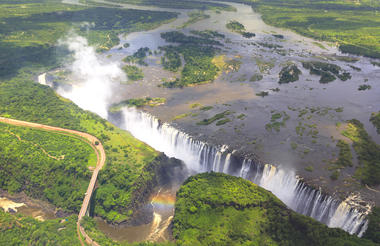
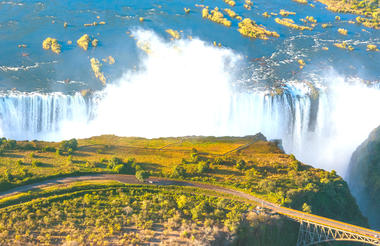
“Victoria Falls” was the name given by the well-known European explorer Dr. David Livingstone when he first laid eyes upon them in 1855. The local Batonga people had named them Mosi-oa-Tunya which translates to “the smoke that thunders” – both names are still in use today. The falls are believed to be the largest in the world in terms of the sheer volume of water that crashes over them (over 300,000 gallons of water go over the Falls every second during the rainy season). The entire falls area is protected; Mosi-oa-Tunya National Park makes up the Zambian side, while Victoria Falls National Park makes up the Zimbabwean side. Livingstone, or Maramba, once a small town is now a bustling tourism centre, rich in culture and history with a host of adrenaline-infused experiences to choose from including bungee jumping, abseiling, gorge swinging, white water rafting, kayaking, canoeing, and jet boating. For visitors seeking a more relaxed experience, there are countless other activities on offer too. Visit the fascinating Livingstone Museum, take a helicopter flight over the roaring fall, or experience a superb game drive in Mosi-oa-Tunya National Park.