Tanzania - Africa's Best Safari Destination - Home of the Serengeti National Park & the Roof Top of Africa, Mt Kilimanjaro
The name Tanzania evokes visions of sweeping savannahs filled with thundering wildebeest herds, mist-shrouded rainforests alive with monkeys and birds, and vast plains where Africa’s greatest wildlife roams free. From the snow-capped peak of Mount Kilimanjaro to the palm-fringed beaches of Zanzibar, Tanzania is a country of breathtaking contrasts and unparalleled natural beauty.
With its warm-hearted people, diverse cultures, and world-class destinations, Tanzania stands as one of Africa’s most captivating travel experiences — a place where adventure, relaxation, and discovery meet in perfect harmony.
Location and Geography
Situated in East Africa, Tanzania is bordered by Kenya and Uganda to the north, Rwanda, Burundi, and the Democratic Republic of Congo to the west, and Mozambique, Malawi, and Zambia to the south. To the east lies the glittering Indian Ocean, home to the idyllic Zanzibar Archipelago.
Covering nearly 950,000 square kilometres, Tanzania is one of Africa’s largest countries, encompassing vast plains, volcanic highlands, lush forests, and tranquil lakes — including Lake Victoria, Lake Tanganyika, and Lake Nyasa. This geographical diversity supports a remarkable array of wildlife, ecosystems, and cultures.
Top Attractions and Experiences
Tanzania offers travellers four main experiences, each distinct yet equally unforgettable:
1. Safari Adventures
Home to some of Africa’s most legendary parks, Tanzania’s northern and southern safari circuits offer unrivalled game viewing.
Serengeti National Park: Witness the Great Wildebeest Migration, one of the planet’s most extraordinary natural spectacles.
Ngorongoro Crater: Explore this UNESCO World Heritage Site teeming with wildlife in a spectacular volcanic setting.
Ruaha and Selous (Nyerere) National Parks: Discover vast, remote wilderness areas where elephants, lions, and leopards roam freely.
2. The Spice Islands of Zanzibar
Just off Tanzania’s coast lies Zanzibar, an enchanting island paradise of turquoise seas, coral reefs, and historic towns.
Relax on white-sand beaches in Nungwi, Paje, and Jambiani.
Explore Stone Town, a UNESCO-listed cultural treasure of winding alleys, carved doors, and spice markets.
Dive into world-renowned coral reefs, or sail on a traditional dhow into a golden sunset.
3. Mount Kilimanjaro
Rising to 5,895 metres, Mount Kilimanjaro is Africa’s highest peak and one of the world’s most iconic trekking destinations.
Climbers ascend through distinct ecological zones — from lush rainforest to alpine desert — before reaching the snow-capped Uhuru Peak, the “Roof of Africa.”
4. Marine and Coastal Adventures
Beyond Zanzibar, the Mafia and Pemba Islands offer spectacular diving and snorkelling in crystal-clear waters rich with marine life. The Tanga Coelacanth Marine Park provides sanctuary for rare species like the prehistoric coelacanth and gentle dugongs.
People and Culture
Tanzania’s true beauty extends beyond its landscapes — it lies in its people. Home to more than 120 ethnic groups, including the Maasai, Chaga, Sukuma, and Hadzabe, Tanzania is a tapestry of languages, traditions, and beliefs.
Despite this diversity, Tanzanians share a strong sense of unity and peace, bound together by Swahili — the nation’s lingua franca. Visitors are greeted with warmth and hospitality, experiencing the “Hakuna Matata” spirit that defines the country’s easy-going charm.
Local cuisine is a reflection of this cultural blend: from spiced coconut curries on the coast to nyama choma (grilled meat) and ugali (maize porridge) in the interior. Food, music, and storytelling are woven into daily life, enriching every travel experience.
Best Time to Visit
Dry Season (June – October): Ideal for safaris and mountain treks. Wildlife congregates around water sources, offering excellent game viewing.
Green Season (November – May): Perfect for birdwatching and lush landscapes. The calving season (January–February) in the Serengeti is particularly rewarding for photographers and wildlife enthusiasts.
Why Visit Tanzania
Tanzania is Africa in its purest form — wild, beautiful, and deeply soulful. Whether you’re watching elephants cross the Serengeti, exploring coral reefs off Zanzibar, or summiting Africa’s highest mountain, every moment feels timeless and awe-inspiring.
Add to that the warmth of the Tanzanian people and the rich blend of cultures, and you have a destination that captures the heart of every traveller.
With such an abundance of experiences — from safari plains to island retreats — the hardest part of your journey will simply be deciding where to go first.
Key Highlights
Serengeti National Park – Home of the Great Wildebeest Migration
Ngorongoro Crater – UNESCO World Heritage Site and wildlife sanctuary
Mount Kilimanjaro – Africa’s highest peak and iconic hiking destination
Zanzibar Archipelago – Historic Stone Town and idyllic beaches
Selous (Nyerere) National Park – One of Africa’s largest protected reserves
Warm, Welcoming People – Over 120 ethnic groups living in harmony
Arusha – The Safari Capital of Northern Tanzania
Resting at the foot of Mount Meru, the sprawling city of Arusha is often called the “Safari Capital” of Northern Tanzania. This vibrant hub serves as the perfect gateway to Tanzania’s iconic Northern Safari Circuit, offering easy access to some of the most famous wildlife destinations on the continent — including Serengeti National Park, Ngorongoro Crater, Tarangire, and Lake Manyara.
Blessed with a temperate climate, lush surroundings, and majestic mountain views, Arusha is more than a transit city — it’s a destination in its own right, offering cultural charm, adventure, and a taste of authentic Tanzanian life.
Location – Northern Tanzania
Arusha lies in northeastern Tanzania, approximately 90 kilometres (1.5 hours) southwest of Kilimanjaro International Airport and about 80 kilometres west of Moshi.
Perched at an elevation of 1,400 metres above sea level, the city enjoys cool, spring-like weather year-round and sits between Mount Kilimanjaro to the east and Ngorongoro Highlands to the west.
Its prime location makes it the starting point for most safaris across northern Tanzania and a convenient stopover for travellers en route to Mount Kilimanjaro or Zanzibar.
Unique Features
Gateway to the Northern Safari Circuit: Arusha is the launching point for trips to Serengeti, Ngorongoro, Tarangire, and Lake Manyara National Parks, making it the safari capital of East Africa.
Proximity to Two Great Mountains: The city sits beneath Mount Meru — Africa’s fifth-highest peak — and within sight of the snow-capped Mount Kilimanjaro, Africa’s tallest.
Arusha National Park: Just 30 minutes from the city, this underrated park features lush forests, alpine meadows, volcanic craters, and abundant wildlife, including giraffes, colobus monkeys, and flamingos.
Cultural Melting Pot: Home to Maasai, Meru, and other Tanzanian communities, Arusha offers rich cultural experiences, bustling markets, and friendly hospitality.
Activities in the Area
Arusha offers something for every traveller — from wildlife adventures to cultural immersion and mountain trekking:
Game Drives & Safaris: Use Arusha as your base to explore Serengeti, Ngorongoro Crater, Tarangire, and Lake Manyara — all within a few hours’ drive.
Arusha National Park: Take a day trip to this beautiful park for walking safaris, canoeing on Momella Lakes, and wildlife spotting beneath the slopes of Mount Meru.
Climb Mount Meru: Trek to the summit of Mount Meru (4,566 m), Africa’s fifth-highest mountain, for panoramic views of Kilimanjaro and the Rift Valley.
Cultural Tours: Visit Maasai villages, craft markets, and local farms to learn about Tanzanian traditions and crafts.
Coffee Tours: Explore the coffee plantations surrounding Arusha, where you can follow the process from bean to cup and sample Tanzania’s finest brews.
City Exploration: Stroll through Arusha Central Market, visit the Cultural Heritage Centre, or relax in one of the city’s cafés overlooking Mount Meru.
Day Trips: Enjoy excursions to Kilimanjaro National Park, Materuni Waterfalls, or nearby hot springs for a refreshing escape.
Travel Information
How to Get There
By Air:
Kilimanjaro International Airport (JRO) is the main gateway, located about 45 km (1 hour) from Arusha.
Alternatively, Arusha Airport (ARK) handles domestic flights from Dar es Salaam, Zanzibar, and Serengeti.By Road:
Arusha is well connected by highway to Moshi (80 km), Kilimanjaro, Tarangire, and Ngorongoro. Shuttle services also operate to Nairobi, Kenya (approximately 5–6 hours).
Travel Distances
Kilimanjaro International Airport → Arusha: ~1 hour (45 km)
Arusha → Moshi: ~1.5 hours (80 km)
Arusha → Tarangire National Park: ~2 hours (120 km)
Arusha → Lake Manyara National Park: ~2.5 hours (125 km)
Arusha → Ngorongoro Conservation Area: ~3.5 hours (190 km)
Arusha → Serengeti National Park (Central): ~6 hours (320 km)
Best Time to Visit
Dry Season (June – October & December – February):
Perfect for safaris and trekking, with clear skies and good wildlife visibility.Wet Season (March – May & November):
The city and its surroundings are lush and green, ideal for photography, birdwatching, and cultural tours.
Why Include Arusha in Your Tanzania Safari Itinerary
Arusha is the heartbeat of Tanzania’s safari adventures — a place where wildlife, culture, and mountains converge.
Its strategic location, vibrant atmosphere, and accessibility make it an essential stop for anyone exploring Northern Tanzania.
Whether you’re preparing to climb Mount Kilimanjaro, embark on a Serengeti safari, or simply relax amid mountain views and coffee aromas, Arusha offers the perfect balance of adventure and comfort.
Key Attractions
Mount Meru – Tanzania’s second-highest peak and a rewarding climb
Arusha National Park – giraffes, flamingos, forests, and craters
Serengeti & Ngorongoro Crater – world-famous safari destinations nearby
Cultural Heritage Centre – Tanzanian art, crafts, and history
Coffee Plantations – guided tours and tastings
Maasai Villages – cultural interaction and handicrafts
City Markets & Restaurants – local cuisine and vibrant culture


Lake Manyara National Park - Home of the Tree Climbing Lions
Lake Manyara National Park is a compact yet breathtakingly diverse safari destination, set at the base of the Great Rift Valley escarpment in northern Tanzania. Covering about 330 square kilometres, nearly 75% of which is occupied by the vast soda lake, the park is one of Tanzania’s most picturesque and ecologically rich reserves. Despite its modest size, Lake Manyara teems with wildlife, birdlife, and spectacular scenery — making it a must-visit stop on Tanzania’s Northern Safari Circuit.
Location and Ecosystems
Situated approximately 125 kilometres west of Arusha (a 2.5-hour drive), Lake Manyara lies conveniently between Tarangire National Park and the Ngorongoro Crater, forming part of the famous Northern Safari route. The park’s diverse ecosystems include lush groundwater forests nourished by underground springs, open grasslands, acacia woodlands, swampy floodplains, and the expansive alkaline lake itself.
This incredible range of habitats supports a remarkable array of species — from baboons, elephants, and hippos to zebras, wildebeest, and giraffes. Over 400 bird species have been recorded here, making Lake Manyara a paradise for ornithologists and photographers alike.
Unique Features
Lake Manyara is best known for its tree-climbing lions, one of Africa’s rarest wildlife behaviours, offering an extraordinary sight for visitors. The park is also famous for its large elephant herds, diverse birdlife, and dramatic topography, with the Rift Valley escarpment rising steeply behind the lake to form an awe-inspiring backdrop.
Whether you’re exploring the forest canopies alive with monkeys, the flamingo-filled shoreline, or the grassy plains dotted with buffalo and wildebeest, Lake Manyara delivers a true microcosm of Tanzania’s natural beauty.
The Great Rift Valley Escarpment
One of the park’s defining natural features is the 400-metre-high Rift Valley Escarpment, which towers over the lake below. Formed some 20–25 million years ago when the earth’s crust began to tear apart, this monumental geological formation runs the length of East Africa and is so vast it can even be seen from space.
The escarpment’s steep slopes and foothills support a wide range of vegetation and micro-ecosystems, from dense forests to grassy floodplains. Together with the soda lake and surrounding wetlands, these habitats sustain an incredible diversity of flora and fauna, making Lake Manyara a living showcase of nature’s resilience and complexity.
Excursions and Activities in Lake Manyara National Park
There’s much more to Lake Manyara than game drives — the park offers a variety of immersive activities for travellers seeking deeper experiences in nature and culture:
Night Game Drive: Experience the magic of the African bush after dark and encounter nocturnal species such as civets, genets, porcupines, and bush babies.
Canopy Walk / Treetop Walkway: Walk across suspended bridges up to 18 metres above the forest floor for panoramic views of the lush canopy and abundant birdlife.
Mountain Bike Tour: Explore the park’s surroundings and local communities by bike, perfect for adventurous travellers.
Cultural Tour – Mto wa Mbu: Visit the vibrant nearby village to experience local markets, banana farms, and traditional crafts.
Visit the Maasai Tribe: Discover the customs, dress, and traditions of Tanzania’s iconic pastoral people.
Visit the Hadzabe Tribe: Meet one of Africa’s last remaining hunter-gatherer tribes near Lake Eyasi for an authentic cultural encounter.
Travel Information
How to Get There
By Road: Lake Manyara National Park is about 125 km (2.5 hours) west of Arusha, accessible by well-paved roads. It’s ideally located between Tarangire and Ngorongoro, making it easy to combine with other safari destinations.
By Air: Regular scheduled flights connect Arusha, the Serengeti, and Zanzibar to Lake Manyara Airstrip, located just outside the park entrance — ideal for travellers on fly-in safaris.
Travel Distances
Arusha → Lake Manyara: 2.5 hours
Lake Manyara → Tarangire: 1 hour
Lake Manyara → Ngorongoro: 1 hour
Lake Manyara → Serengeti: 3.5 hours
Best Time to Visit
Dry Season (July – October): The best time to see large mammals such as elephants, giraffes, and lions as they gather near the lake and water sources.
Wet Season (November – June): Ideal for birdwatching, when migratory species arrive and the park is lush and green. Expect to see flamingos, pelicans, fish eagles, hornbills, hammertops, and bee-eaters.
Why Include Lake Manyara in Your Tanzania Safari
Lake Manyara National Park offers a perfect blend of scenery, wildlife, and accessibility. Its close proximity to Arusha, exceptional biodiversity, and variety of activities make it an ideal start or finish to any Northern Circuit safari.
Compact yet full of life, Lake Manyara allows travellers to experience a complete safari in just one day — from forest to floodplain, from flamingos to lions. Whether you’re a birdwatcher, wildlife enthusiast, or first-time safari-goer, this park promises an unforgettable encounter with Tanzania’s natural splendour.
Key Attractions
Tree-Climbing Lions – a rare and unforgettable sight
Large Elephant Herds and diverse wildlife including giraffes, hippos, and buffalo
Birdwatcher’s Paradise – flamingos, pelicans, storks, and raptors in abundance
Hot Springs (Maji Moto) – geothermal activity near the southern end of the lake
Rift Valley Escarpment Views – dramatic panoramas perfect for photography


Serengeti National Park – The Icon of African Safaris - World Famous National Park
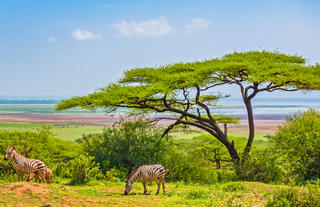
Together with Kenya’s Masai Mara Game Reserve, the Serengeti National Park forms part of one of the most celebrated ecosystems on Earth. Located in northern Tanzania, this UNESCO World Heritage Site encompasses vast, rolling savannahs, acacia-dotted plains, and endless horizons alive with wildlife. The Serengeti is best known for hosting the Great Migration — the largest terrestrial animal movement on the planet — making it the quintessential safari destination.
Location
Stretching across northwestern Tanzania, the Serengeti borders Kenya’s Masai Mara to the north and the Ngorongoro Conservation Area to the southeast. It forms the heart of the Serengeti-Mara ecosystem, one of the oldest and most complex natural systems in the world.
The park is divided into distinct regions, each offering unique scenery and wildlife experiences:
Northern Serengeti: Known for the dramatic Mara River crossings during the Great Migration and incredible predator activity.
Central Serengeti (Seronera): The wildlife-rich heart of the park, home to year-round game and iconic acacia-studded plains.
Western Serengeti: Characterised by the Grumeti River and dense woodlands; famous for migration herds and Nile crocodiles.
Eastern Serengeti: Remote and less-visited, offering open grasslands ideal for cheetah sightings and wilderness experiences.
Southern Serengeti: The calving grounds for the wildebeest migration during the green season (December–March).
Ndutu Region: A seasonal area straddling the Serengeti and Ngorongoro, renowned for wildebeest calving and predator interactions.
Unique Features
The Great Migration: Each year, over 1.5 million wildebeest, 250,000 zebra, and thousands of gazelles follow the rains in search of greener pastures, creating one of nature’s greatest spectacles.
Diverse Habitats: The park encompasses grassy plains, riverine forests, granite kopjes, and wooded hills, each home to distinct wildlife communities.
Year-Round Wildlife: Resident species such as elephants, buffalo, giraffes, eland, impala, and hippos ensure unforgettable game viewing in every season.
Activities in the Area
Game drives across the park’s diverse regions
Hot-air balloon safaris at sunrise
Walking Safaris with expert guides for an immersive wilderness experience
Special Black Rhino Viewing
Horseback safaris and guided bush walks
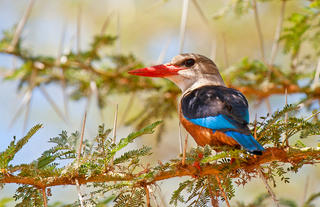
Birdwatching with over 500 recorded species
Travel Information
How to Get There
By Road: Accessible from Arusha via a 6–8 hour drive (depending on park entry).
By Air: Daily scheduled and charter flights connect Arusha, Kilimanjaro International Airport, and Seronera, Kogatende, and Grumeti airstrips.
Best Time to Visit
Dry Season (June – October): Ideal for wildlife viewing and witnessing migration crossings.
Green Season (November – May): Calving period in the south, lush scenery, and superb birdwatching.
Why Visit the Serengeti
The Serengeti offers a timeless and authentic African safari experience, from the drama of the Great Migration to the tranquil beauty of its open plains. Whether from a 4x4, a balloon, or on foot during a walking safari, every Serengeti moment feels like stepping into the heart of nature itself.
Key Attractions
The Great Migration
Big Five Sightings
Hot-Air Balloon Safaris
Walking Safaris
Endless Plains & Kopjes
Maasai Cultural Encounters


Ngorongoro Crater – The World’s Largest Intact Caldera
Ngorongoro Crater is often called “Africa’s Garden of Eden” — a breathtaking natural amphitheatre teeming with wildlife. Formed from the collapse of a massive volcano over two million years ago, this UNESCO World Heritage Site is one of the most spectacular safari destinations in Africa. Covering about 260 square kilometres and standing at 2,200 metres above sea level, the crater floor supports one of the densest concentrations of wildlife found anywhere on Earth.
Location and Ecosystems - Northern Safari Circuit of Tanzania
The Ngorongoro Conservation Area lies in northern Tanzania, about 180 kilometres (3.5–4 hours’ drive) west of Arusha. It forms part of the famed Northern Safari Circuit, connecting Tarangire, Lake Manyara, and the Serengeti.
The crater’s varied ecosystems include lush grasslands, swamps, acacia woodlands, and a soda lake (Lake Magadi) that attracts flamingos and other waterbirds. Surrounding the crater rim are montane forests that host elephants, leopards, and a rich variety of birds. The mix of high-altitude terrain, fertile plains, and permanent water sources creates an ideal environment for both predators and prey.
Unique Features
Ngorongoro is the world’s largest intact volcanic caldera, with walls rising up to 600 metres high. It’s home to over 25,000 large mammals, including the Big Five — lion, elephant, buffalo, leopard, and the endangered black rhino.
This is one of the few places in Africa where you can spot rhinos grazing alongside wildebeest, zebras, gazelles, and hyenas within the same sweeping landscape. The crater also provides refuge for hippos, flamingos, and numerous raptor species.
Beyond wildlife, Ngorongoro has deep cultural significance. The Maasai people still live and graze their cattle within the conservation area, maintaining traditions that coexist with wildlife in a rare example of sustainable living.
Excursions and Activities in Ngorongoro Crater
Game Drives: Descend 600 metres into the crater for one of the most dramatic safari experiences in the world.
Walking Safari: Explore the crater rim or nearby highlands with an armed ranger — ideal for spotting smaller fauna and enjoying panoramic views.
Birdwatching: Over 500 species recorded, including flamingos, crowned cranes, ostriches, and secretary birds.
Cultural Visits: Visit a Maasai boma to learn about traditional life, cattle herding, and the tribe’s coexistence with wildlife.
Empakaai and Olmoti Crater Hikes: Discover nearby volcanic craters surrounded by montane forests and scenic viewpoints.
Travel Information
How to Get There
By Road: The crater is about 180 km (3.5–4 hours) west of Arusha, accessible via a well-maintained tarmac road passing through Lake Manyara. The drive offers scenic views of the Rift Valley and Maasai villages.
By Air: Daily scheduled flights from Arusha, Serengeti, and Zanzibar land at Lake Manyara Airstrip (1 hour away), with road transfers up to the crater rim. Charter flights also land at Ngorongoro Airstrip for easy access.
Travel Distances
Arusha → Ngorongoro Crater: ~3.5–4 hours
Arusha → Arusha National Park: ~40 minutes
Arusha → Tarangire National Park: ~2 hours
Tarangire → Lake Manyara: 1 hour
Lake Manyara → Ngorongoro Crater: 1 hour
Lake Manyara → Serengeti: 3.5 hours
Best Time to Visit
Dry Season (July – October): The best time for game viewing, as animals gather on the open plains and grass is shorter. Visibility is excellent, and most roads are accessible.
Wet Season (November – June): The crater becomes lush and green, ideal for photography and birdwatching. Flamingos fill Lake Magadi, and the landscape is alive with newborn animals during the calving season (January–March).
Why Include Ngorongoro Crater in Your Tanzania Safari
Ngorongoro Crater offers one of the most iconic safari experiences in the world. Its combination of dramatic scenery, abundant wildlife, and cultural heritage makes it an essential stop on any Northern Tanzania itinerary.
Whether you’re witnessing lions on the crater floor, spotting endangered black rhinos, or taking in the breathtaking views from the rim, Ngorongoro delivers a once-in-a-lifetime safari experience unlike any other.
Key Attractions
The Big Five – lion, leopard, elephant, buffalo, and black rhino
Lake Magadi – flamingos and hippos in the soda lake
Ngorongoro Crater Rim Viewpoints – panoramic vistas and photography spots
Maasai Villages – cultural encounters and traditional pastoral life
Empakaai & Olmoti Craters – scenic hiking opportunities
Dense Wildlife Populations – one of the highest in Africa


Tarangire National Park – Home of the Giants
Tarangire National Park, often called the Home of the Giants, is a land of majestic elephants and towering baobab trees. Located in northern Tanzania, this spectacular park covers about 2,850 square kilometres and forms a vital part of the Northern Safari Circuit. It is the sixth-largest national park in Tanzania and a true hidden gem for those seeking classic African landscapes and abundant wildlife without the crowds of the Serengeti.
Location and Ecosystems
Just 118 kilometres (about 2 hours’ drive) southwest of Arusha, Tarangire is easily accessible by road and air, making it an ideal first or second stop on a Tanzania safari. The park is defined by the Tarangire River, which winds its way through grassy plains and acacia woodlands before emptying into Lake Burunge. During the dry season, the river becomes a lifeline for countless animals migrating from surrounding areas.
Tarangire’s ecosystems include savannah grasslands, acacia and baobab woodlands, swamps, and floodplains, creating a mosaic of habitats that support a rich variety of wildlife.
Unique Features
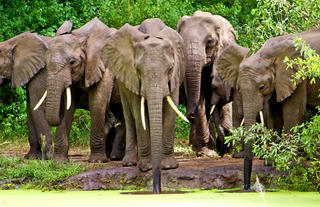
Tarangire is famed for its massive elephant herds—sometimes numbering in the hundreds—and its iconic baobab trees, some more than a thousand years old. It also hosts one of the highest concentrations of wildlife outside the Serengeti. Visitors can expect to see lions, leopards, cheetahs, buffalo, giraffes, zebras, wildebeest, oryx, impala, and waterbuck, along with over 550 species of birds, making it one of Tanzania’s top birding destinations.
During the dry months, Tarangire transforms into a wildlife haven, drawing thousands of animals to the shrinking pools of the Tarangire River—an incredible spectacle of survival and adaptation that defines the park’s charm.
Excursions and Activities in Tarangire National Park
Game Drives: Explore the park’s vast plains and woodlands in search of elephants, predators, and spectacular birdlife.
Night Game Drive: Experience the African bush after dark and encounter nocturnal creatures such as civets, genets, porcupines, and bush babies.
Walking Safari: Accompanied by an armed ranger, enjoy a guided walk for a more intimate perspective of the park’s flora and fauna.
Birdwatching: Spot colourful species like yellow-collared lovebirds, hornbills, and the endemic ashy starling.
Cultural Visit: Interact with local Maasai or Datoga communities near the park for an authentic cultural experience.
Travel Information
How to Get There
By Road: Tarangire National Park lies about 118 km (2 hours) southwest of Arusha, along a good tarmac road that continues to Lake Manyara and Ngorongoro.
By Air: Daily scheduled flights connect Arusha, the Serengeti, and Zanzibar to Kuro Airstrip, located inside Tarangire—ideal for fly-in safaris.
Travel Distances
Arusha → Tarangire National Park: ~2 hours
Tarangire → Lake Manyara: 1 hour
Lake Manyara → Ngorongoro Crater: 1 hour
Lake Manyara → Serengeti: 3.5 hours
Best Time to Visit
Dry Season (July – October): Prime wildlife viewing as animals congregate around the Tarangire River; vegetation is sparse and visibility excellent.
Wet Season (November – June): The park is lush and green, with excellent birdwatching and fewer crowds. Many animals disperse but scenery and photographic opportunities are outstanding.
Why Include Tarangire National Park in Your Tanzania Safari
Tarangire offers a classic safari experience in a serene, uncrowded setting. Its dense elephant populations, iconic baobab landscapes, and rich biodiversity make it an essential complement to the Serengeti and Ngorongoro. The park’s mix of habitats, seasonal migrations, and off-the-beaten-path atmosphere create a truly authentic East African safari adventure.
Key Attractions
Giant elephant herds
Ancient baobab trees
Over 550 species of birds
The Tarangire River and seasonal migration
Walking and night safaris