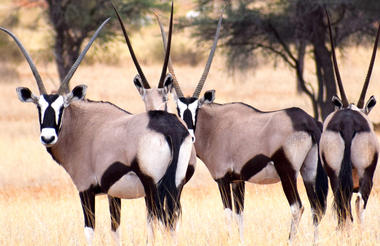
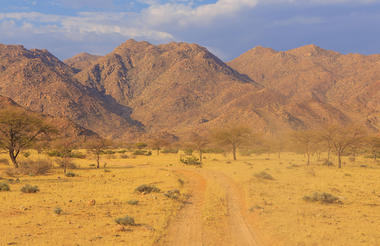
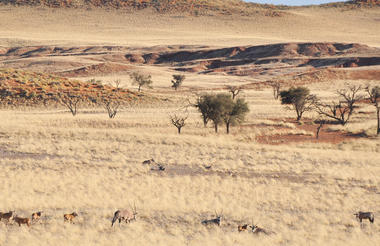
Spreading across Botswana, South Africa and Namibia, the Kalahari, meaning 'the great thirst', is an exceptionally beautiful living desert. The landscape is characterised by a large semi-arid sandy savannah, draped over a gently rolling inland sea of sand that covers most of Botswana and large parts of Namibia and South Africa. It is inhabited by the indigenous San people, with the modern world having enveloped all the other areas they once roamed. The Namibian portion is made up of red sands covered in thin, wispy, mostly golden grass and dotted with acacia trees and wide-ranging wildlife, including gemsbok, impala, jackals and cheetah.
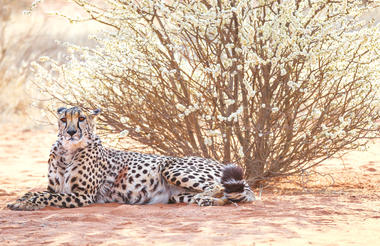
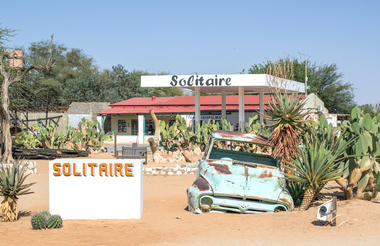
Situated in the Khomas region of Central Namibia, the desert town of Solitaire serves as an oasis in the Namib Desert. The town provides an important stop on the way to the ancient dunes of Sossusvlei, allowing travellers to stock up on essentials as they make their way further into the wilderness. Solitaire also has a small bar and is renowned for its famous apple pie - said to be the best in the country. Enjoy a scenic sundowner with views of the spectacular Namib desert, hike and bike through the unspoilt natural surroundings, or visit the wonderful local Cheetah Sanctuary.
Set between the rolling dunes of the Namib Desert and the icy Atlantic coastline, Swakopmund is a relaxed seaside town in western Namibia known for its German colonial architecture, cool coastal climate, and adventurous spirit. Palm-lined streets, historic buildings, and ocean fog create an atmosphere unlike anywhere else in the country. Travellers visit for desert activities such as quad biking, sandboarding, and scenic flights over vast dunes and shipwreck-strewn shores. Cafés, bakeries, and small museums add to the town's laid-back charm, though the Atlantic waters are brisk rather than tropical. With its striking desert-meets-ocean setting and mix of adventure and history, Swakopmund is one of Namibia's most distinctive destinations.


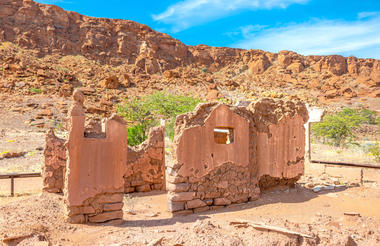
Situated in the Kunene Region of northwestern Namibia, on the edge of the Huab Valley, Twyfelfontein is a remarkable archaeological and geological site renowned for its exceptional collection of ancient rock engravings. Designated a UNESCO World Heritage Site, it is home to more than 2000 petroglyphs created over thousands of years by hunter-gatherer communities, making it one of Africa's most significant concentrations of prehistoric rock art. Guided walks lead visitors through dramatic sandstone outcrops to view engravings depicting wildlife, human figures and symbolic motifs, while the surrounding desert landscape is known for its striking scenery and adapted wildlife, including desert elephants that occasionally roam the region. Nearby attractions include the Organ Pipes, Burnt Mountain and the Damara Living Museum.
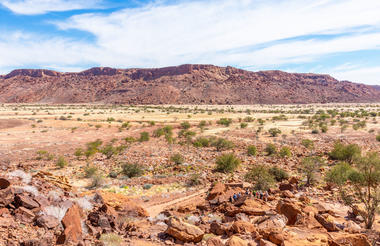
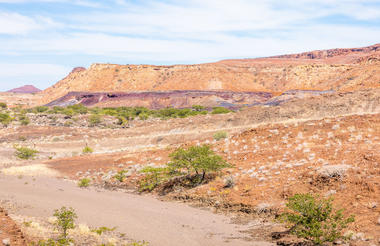
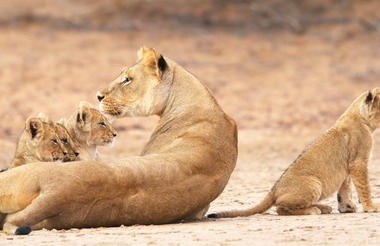
Situated along the southern boundary of Etosha National Park in northwestern Namibia, Etosha South encompasses the park's southern safari region and a collection of private game reserves and lodges. The park is accessed via Andersson Gate, placing visitors within easy reach of renowned waterholes and excellent wildlife viewing. Lions, elephants, giraffes, white and black rhinos, and a wide variety of antelope are among the species commonly seen. Guided 4×4 game drives are the main attraction, with half- and full-day safaris available, some including picnic lunches in the bush.


Windhoek, Namibia’s capital, lies in the heart of the country amid the rolling Khomas Highlands, where wide skies and dry savannah frame a compact, orderly city. It blends German colonial heritage with contemporary African identity, creating a calm, understated atmosphere rather than a bustling metropolis. Landmarks such as Christuskirche and the Tintenpalast sit alongside modern civic buildings, while lively markets and cafés reveal everyday Namibian life. Visitors can explore museums, stroll shaded streets, or use the city as a gateway to the surrounding wilderness and safari regions. The air is often dry and clear, carrying the scent of dust and jacaranda blossoms, while distant hills glow at sunset. Windhoek offers a gentle introduction to Namibia’s landscapes and culture, with space, light and quiet defining its appeal.