Situated deep in Patagonia’s snow-capped vistas, on the southern shore of Lake Argentino, El Calafate has become a key stopover for travellers headed to nearby Los Glaciares National Park. This icy wonderland is best known as the home of spectacular Perito Moreno glacier – a massive, shifting ice cap composed of dozens of smaller glaciers. Take a glacier tour, a helicopter ride, or a 4x4 excursion; hike and boat to your heart’s content; or visit one of the traditional ‘ranchos’ (estancias) to learn more about local culture (another great spot for this is the Centro de Interpretacíon Historico). A wonderful selection of restaurants and boutiques adds appeal; make sure to try the ‘alfajores’ cookies. Drink vodka, watch a movie, and learn all about ice at the impressive Glaciarium.


Situated in the Austral Andes in the Santa Cruz Province of southwest Argentina, the Los Glaciares National Park is known for its magnificent natural beauty. Glacial lakes, towering mountains and majestic glaciers merge to create an awe-inspiring spectacle of nature. It is the largest national park in the country, stretching over 7000 square kilometres. This UNESCO World Heritage site features a sprawling collection of spectacularly beautiful glaciers. Perito Moreno, one of the most famous glaciers because of its dynamic changes, can be seen in the southern area of the park; whilst granite peaks and forests characterise the northern area of this world-renowned park. Visitors can explore the mountain village of El Chalten, soak up the dramatic views of the glaciers with their calving ice falls into Lake Argentino, and discover the various types of Andean-Patagonian Forest, Patagonian Steppe and unique high-altitude vegetation blanketing the landscape.


This former fishing port, situated in the Patagonian region of southern Chile, has blossomed into a tourist haven. This trendy town offers boutique beers, wine tastings and famous brand shops catering to the international set, but it has lost nothing of its relaxed pace in the process. From Puerto Natales, visitors can take a trip to the Parque Nacional Torres del Paine with its impressive rock formations and ice field (the third largest in the world); travel by ferry through the Chilean fjords; or visit the prehistoric caves at the Cueva del Milodón Natural Monument (where the remains of the giant ground sloth were found in 1895).


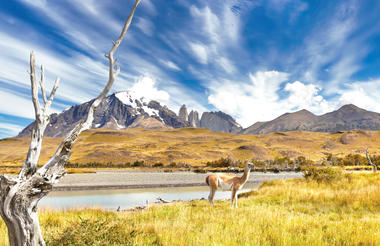
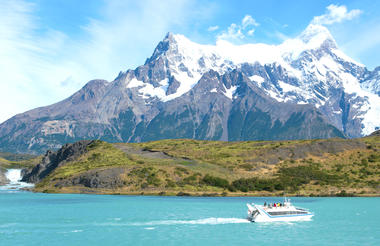
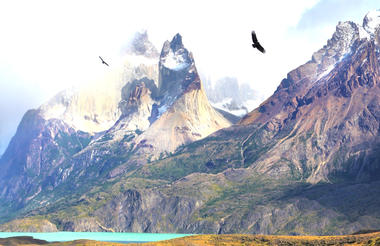
Situated in Chile’s Patagonian region, Torres del Paine National Park is a UNESCO Biosphere Reserve renowned for its dramatic mountain landscapes and diverse ecosystems. Covering 227,298 hectares, the park encompasses granite peaks, glaciers, waterfalls, forests, grasslands and turquoise lakes. Its most recognizable landmark is the three granite towers of the Paine Massif, which rise above the surrounding landscape. The park is home to a variety of wildlife, including guanacos, pumas, Andean condors, foxes and the endangered Chilean huemul. Visitors can explore the area through an extensive network of hiking trails, with opportunities for trekking, wildlife viewing, photography, horse riding and boat excursions. Located near Bernardo O’Higgins National Park and Argentina’s Los Glaciares National Park, Torres del Paine forms part of a spectacular wilderness region spanning southern Chile and Argentina.
Set close to the tip of Chile's southern Patagonia region, Punta Arenas is the southernmost continental city in the world. Situated on the Strait of Magellan, it is best known as a departure point for trips to Antarctica and other bioceanic travelling. The city's charms, history, tax-free shopping, good travellers' services and hospitality make it a popular destination in its own right. It has much to offer by way of history – visit the Mayorino Borgatello Salesian Museum, the Shepherds Monument 'Monumento al Ovejero', and the Patagonia Institute. Don't miss the Nao Victoria Museum, where visitors can view a full-size replica of the first ship to circumnavigate the world, Ferdinand Magellan's ship 'Victoria'.