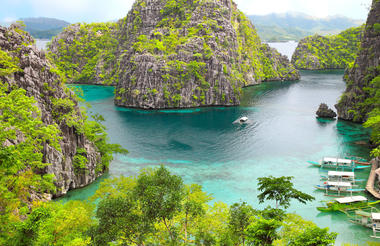
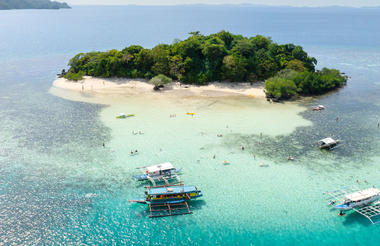
Malapascua’s white beaches, tranquil turquoise waters and verdant tropical vegetation are alone enough to lure many travellers to the island, but it is best known for its scuba diving - specifically diving with thresher sharks. These sharks are not aggressive to humans, and it is possible to dive incredibly close to them. But threshers aren’t all there is to see: Malapascua’s waters are a hub of biodiversity that includes grey reef sharks, hammerhead sharks, devil rays, scorpionfish, lionfish, octopus, moray eels and many more marine species. Other island activities include taking boat cruises around the surrounding islets, windsurfing, sunbathing, swimming, snorkelling, and enjoying spectacular sunset views.
There are only a few places in the world where you can expect regular sightings with these animals, and rumor has it that Malapascua is the best!
Due to the scientific studying of the thresher shark, humans found that they spend most of the night in shallow water where they come to get cleaned from the parasites on their body by fish on the reef and then descend in the morning back to depths between 200-500 meters.
Between Cebu (Malapascua is located on the northernmost tip of this province) and next island province of Leyte, the thresher sharks live year round.
Local fishermen reported sightings of thresher sharks breaking the surface for years before the tourist industry came to be on Malapascua. Divers first discovered several cleaning stations at the sunken island of Monad Shoal in the late 1990s.
Thresher sharks are primarily pelagic; they prefer the open ocean, venturing no deeper than 500 meters. The common thresher sharks are more frequent in coastal waters over continental shelves. Named for, and easily recognized by their exceptionally long caudal fin, thresher sharks are active predators, and to stun prey they actually use their tail. By far the largest of the three species is the common thresher shark, which may reach a length of 6 meters and a weight of over 450 kilograms. The big eye thresher shark is next in size, reaching a length of 5m and the pelagic thresher shark is the smallest with a length of 3m.
The long-tailed Thresher Shark, “Alopias vulpinus”, is named the fox shark by some because the Greek word “alopex”, translates to fox.
The common name is derived from a distinctive thresher-like tail or caudal fin which can be as long as the body of the shark itself. In the waters near Malapascua Island, all three species of thresher sharks are seen.
Their favorite food is bluefish, juvenile tuna, mackerel, squid, and cuttlefish.


Coron is a situated on the eastern coast of Busuanga Island, part of the Calamian Archipelago in the Philippines. Renowned for its stunning natural beauty, Coron serves as a gateway to some of the most spectacular marine attractions in the region. Just off the coast, visitors can explore mangroves, beautiful beaches, pristine coral reefs and WWII-era shipwrecks, making it a haven for divers and snorkellers. Additionally, in the surrounds, visitors can explore breathtaking limestone cliffs and hidden lagoons. With its blend of natural wonders and vibrant local culture, Coron is a must-visit destination for anyone traveling to the Philippines.