Windhoek, Namibia’s capital, lies in the heart of the country amid the rolling Khomas Highlands, where wide skies and dry savannah frame a compact, orderly city. It blends German colonial heritage with contemporary African identity, creating a calm, understated atmosphere rather than a bustling metropolis. Landmarks such as Christuskirche and the Tintenpalast sit alongside modern civic buildings, while lively markets and cafés reveal everyday Namibian life. Visitors can explore museums, stroll shaded streets, or use the city as a gateway to the surrounding wilderness and safari regions. The air is often dry and clear, carrying the scent of dust and jacaranda blossoms, while distant hills glow at sunset. Windhoek offers a gentle introduction to Namibia’s landscapes and culture, with space, light and quiet defining its appeal.


Located in north-central Namibia, Otjiwarongo is a friendly regional town and safari gateway known for its wildlife conservation initiatives and access to surrounding wilderness areas. Set amid rolling hills and semi-arid landscapes, it offers a relaxed stopover with a distinctly Namibian character. Visitors can explore the Cheetah Conservation Fund, one of the world's leading cheetah research and conservation centres, or discover nearby reserves where native wildlife, including rhino, can be encountered. With its welcoming atmosphere, wide-open skies and easy access to Namibia's natural landscapes, Otjiwarongo provides a rewarding stop between Windhoek and the country's renowned northern safari destinations.


Grootfontein sits in the Otjozondjupa Region of Namibia, where open savannah plains and scattered acacia trees meet a quiet, small-town atmosphere shaped by agriculture and frontier history. Once a German colonial outpost, it is still marked by its orderly streets and historic buildings and now serves as a relaxed gateway to northern Namibia. Its most remarkable attraction is the nearby Hoba meteorite, the largest known intact meteorite on Earth, drawing visitors into a striking encounter with deep time in an otherwise sunbaked landscape. Surrounding farms and cattle stations add to the rural rhythm, while dust-laden air, distant livestock sounds and wide, bright horizons define the sensory experience. Grootfontein is modest and unpolished, but its geological wonders and expansive skies offer a compelling stop for travellers exploring Namibia’s interior.
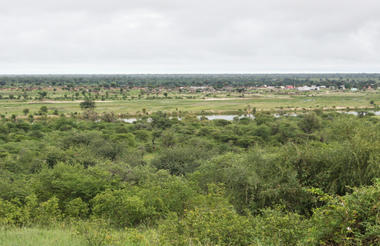

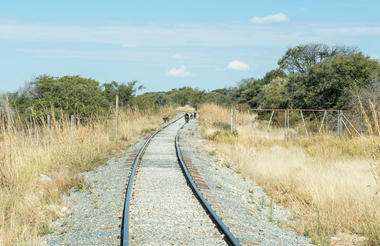
Bordering Angola, on the banks of the Okavango River in northern Namibia, the town of Rundu serves as the capital of the eastern Kavango region. Rundu is renowned for its local woodcarvers market and is filled with impressive woodcarvers' workshops. The town provides a great stopover to refuel for visitors heading to Katima Mulilo, enthralling Popa Falls, or Mahangu Game Reserve, home to the endangered wild dog and lion, leopard, elephant, cheetah, and hippo. Visitors to Rundu can also look forward to great game viewing, excellent bird watching as well as kayaking on the spectacular Kavango River.
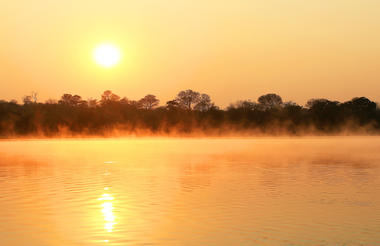
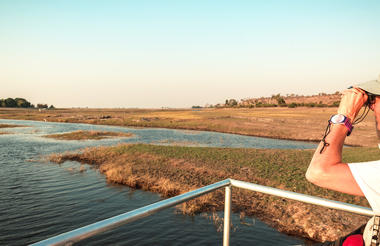
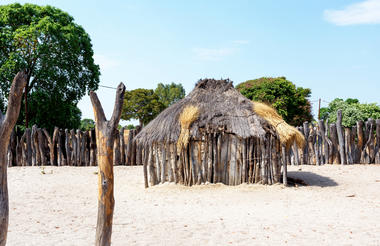
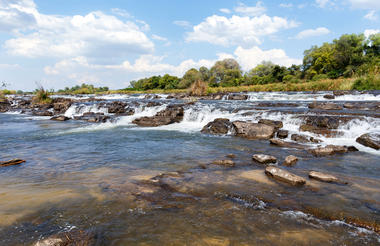
Set roughly 200 kilometres east of Rundu on the southeastern banks of the great Okavango River, the small village of Divundu is a wonderful destination from which to explore the river, game parks and national reserves of the area. Visitors can enjoy fishing or bird watching boat safaris, or visit the Mahango Game Park, which is home to herds of elephant as well as hippo, buffalo, giraffes, antelope, and many other animals. The spectacular Popa Falls, a dramatic series of cascades - are a popular must-see attraction. Divundu is also the perfect base for adventures in Botswana and the Okavango Delta.
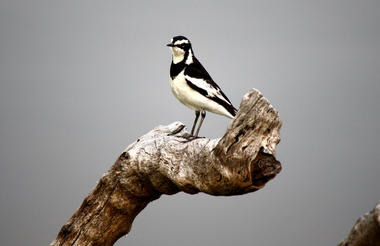
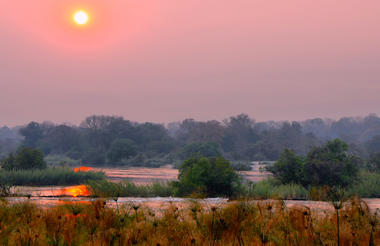
Flowing through the Zambezi Region of northeastern Namibia, close to the borders of Botswana, Zambia and Angola, the Kwando River is a scenic waterway that forms part of the vast Kavango–Zambezi (KAZA) Transfrontier Conservation Area. Lined with riverine forests, floodplains and reed-fringed channels, it supports an exceptional diversity of wildlife and birdlife, making it one of Namibia's premier safari destinations. Visitors can enjoy game drives, boat cruises, canoeing and guided nature walks, with opportunities to spot elephants, hippos, crocodiles and an abundance of bird species. The river also borders Bwabwata National Park and provides access to nearby Mudumu and Nkasa Rupara national parks, where seasonal wetlands support a rich diversity of wildlife throughout the year.

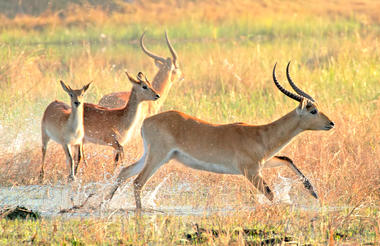
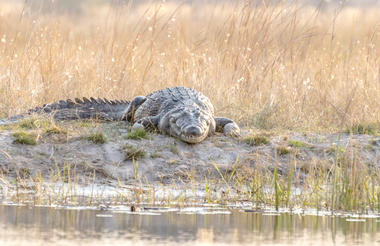
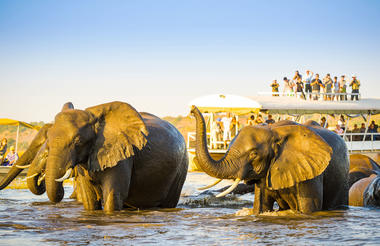
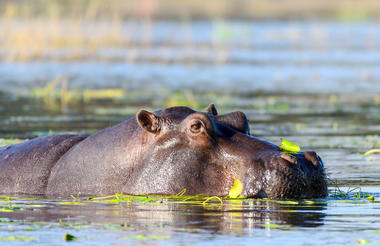
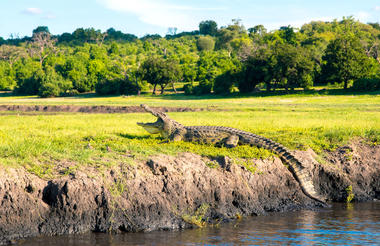
Situated in northeastern Botswana on the banks of the Chobe River, the town of Kasane is the main gateway to Chobe National Park and one of southern Africa's premier safari destinations. Renowned for its exceptional wildlife viewing, Kasane offers game drives and river cruises where visitors can encounter large herds of elephants, buffalo, hippos, and crocodiles, as well as abundant birdlife. Its location near the borders of Botswana, Namibia, Zambia and Zimbabwe also makes it a convenient base for exploring the wider region. Golden sunsets reflected on the river, the sounds of wildlife and a relaxed safari atmosphere combine to make Kasane an unforgettable destination for nature lovers.
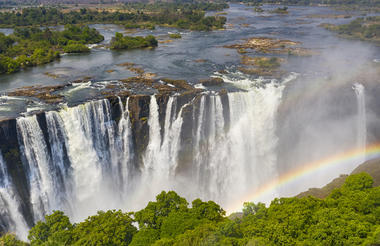
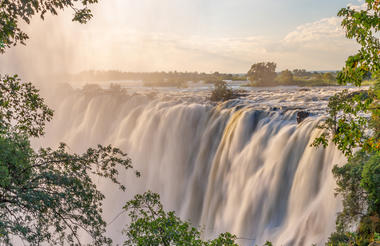
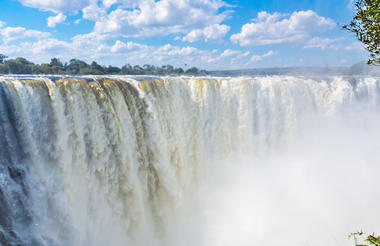
Known locally as Mosi-oa-Tunya—“The Smoke That Thunders”—Victoria Falls is one of the world’s great natural landmarks. Straddling the Zambezi River between Zambia and Zimbabwe, it forms a vast curtain of water that fills the air with mist and sound. The Zimbabwean side grants the most dramatic views, where mist rises like ghostly curtains and rainbows arc through the spray. Measuring about 1,708 metres across, it is regarded as the largest single continuous sheet of falling water on Earth. The adjacent town of Victoria Falls provides a convenient base for exploring the region, with a wide range of activities from scenic flights and microlight trips to white-water rafting, bungee jumping, kayaking, and safaris into Chobe National Park.