


Dubbed the ‘Venice of the North’ due to its impressive, UNESCO-listed canal system and its location in North Holland, Amsterdam is a truly exciting holiday destination. This is one of the most extensive historic city centres in Europe, playing host to approximately 7,000 registered historic buildings dating back to medieval times. The Museum Quarter brims with priceless works by Dutch Masters, with the occasional Picasso and Warhol thrown into the mix. The upmarket Jordaan area boasts trendy contemporary art galleries, charming boutiques, and world-class restaurants while the 17th-century Canal Ring is dotted with traditional canal houses and prestigious mansions, quaint drawbridges, and some of the city’s premier nightlife spots. Gorgeous parks and botanical gardens and the landmark 22-floor lookout add further romance to the city.


Located in County Cork in south-west Ireland, Cork is a lively city built around the River Lee, with its compact centre occupying an island between the river’s channels. A rich mix of history, culture and architecture awaits, from Georgian streets and historic bridges to galleries, museums, cafés and traditional pubs. Visitors can explore the Crawford Art Gallery, home to an extensive collection of Irish and European art, or discover the history and science of Blackrock Castle Observatory, which overlooks Cork Harbour. The city is also known for its vibrant food scene, with the historic English Market offering local produce and specialities. Cork’s traditional pubs remain an important part of the city’s character, providing a relaxed setting to enjoy local stout and experience the famously sociable atmosphere. With its cultural attractions, historic character and lively culinary scene, Cork offers plenty to discover on foot.


Located in southeast Ireland, north of Waterford in the province of Leinster, the exquisite medieval city of Kilkenny has been dubbed ‘the Oasis of Ireland’, with its its countless country pubs, prolific arts scene and profusion of historical sites. The city’s primary attractions are concentrated along its famously beautiful 'Medieval Mile', with historic buildings strung between the extravagantly turreted Kilkenny castle and the cathedral along the banks of the gorgeous River Nore. Several immaculate parks and gardens provide a leisurely way to spend the day, as do the many luxurious world class spas. Numerous scenic walking routes, beautiful surrounds of picturesque wheatlands and stud farms, and world-renowned golf courses offer the chance to get some exercise in the fresh air. Make sure to visit the famous Dunmore Cave, home to relics from the tenth century.


Dubbed ‘The Valley of the Two Lakes’, this beautiful area is famed as one of Ireland’s most beautiful destinations. Idyllically set in the Wicklow Mountains National Park, the little village of Glendalough services the surrounding area. It is known for its rich history, abundant wildlife, ancient archaeology and breathtakingly beautiful scenery. Visitors flock here to view the ancient 6th-century monastic settlement with its churches and medieval round tower and to soak up the views of the valley dotted with two gorgeous lakes. Visitors can also enjoy an incredibly scenic stroll along ‘The Wicklow Way’ trail which meanders through this tranquil glacial valley, take a scenic drive to enjoy panoramic views of romantic Ireland and explore the ancient remains of the early Christian Monastic City, one of the most important monastic sites in Ireland.


Situated near the very centre of Ireland, Athlone rests on an ancient crossing point on the Shannon River, and is known for its wealth of historical monuments, gorgeous lakes and rivers, and fantastic outdoor sporting opportunities. On the west bank, the striking Norman castle and Church of Saints Peter and Paul dominate the view, while the Meehambee Dolmen present an even older heritage experience for visitors. The vast Lough Ree, dotted with islands, offers water-lovers a delightful spot for watersports, yachting and boating. A long, picturesque and smooth cycle route can be found along the Midlands Great Western Railway, which winds from Athlone to Mullingar through tranquill farmlands. Golfers can indulge in a first-class putting experience at any of the many attractive golf courses in the area, some of which include 18 holes and magnificent views of the lake.

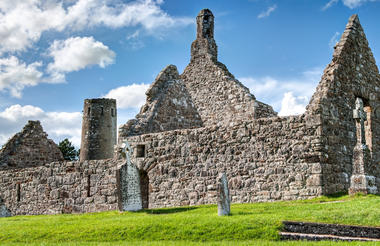
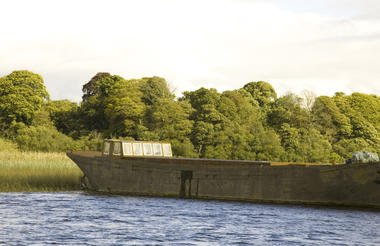
Set on the spectacular north shore of Galway Bay, where the River Corrib flows from Lough Corrib to the sea, Galway is a large, sprawling university city, commonly referred to as the 'most Irish' of Ireland's cities. Despite Galway’s considerable size, the historical city centre is tiny, with a bohemian atmosphere emanating from its colourful facades, buzzing markets and laid-back inhabitants. Dubbed ‘the city of festivals’, Galway is known as the liveliest place in the republic with its internationally acclaimed theatre scene, vibrant nightlife bolstered by a spirited student population, and plenty of quirky hidden cafes and restaurants with some truly excellent food. Highlights include: the constant impromptu performances of traditional music, the pretty Salthill beach with waters suitable for swimming, and beautifully wild surrounding nature.


The Aran Islands are located off the west coast of Ireland. This archipelago, consisting of three rocky islands, is accessible by ferry from Galway or Doolin. Visitors can look forward to exploring Dun Aonghasa on Inis Mor (the largest of the three islands), a 2,000-year-old stone fort built on the cliff tops, before hiking to the Worm Hole, a natural rectangular pool offering exceptionally scenic views. You can also take an informative tour of the island in a horse-drawn carriage. On the island of Inis Meain, soak up the local village life and browse the collection at Inis Meain Knitting Company. The third and smallest island, Inis Oirr, is only 8 kilometres from Doolin and boasts the Plassey Wreck, providing some irresistible photo opportunities, and the ruins of O’Brien’s Castle, which date back to the 14th century.


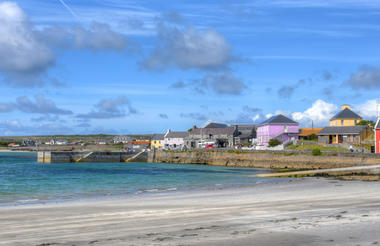
Situated in the province of Connacht on Ireland's western seaboard, County Galway features lush rolling hills, historical treasures and a rich cultural heritage. Its scenic landscape is a rocky wilderness with remote valleys, heathered hills, glassy lakes and the towering mountains of the magnificent Connemara region. Roads meander along the coast dotted with charming villages, pristine white-sand beaches, and the offshore Aran islands boasting a traditional Irish nostalgia. Visitors can discover prehistoric megalithic tombs at Connemara National Park, explore County Galway's lively county capital, and enjoy local Irish music sessions while grabbing a pint at a wide selection of local pubs.


Set at the western side of the United Kingdom, with the Celtic Sea to the south and the North Atlantic Ocean to the west, the island of Ireland (and Northern Ireland) has many treasures packed into its compact territory. Its magnificent natural landscapes are strewn with spectacular Nordic castles and gorgeous Georgian country houses. Its vibrant heritage includes a lively traditional dance and music culture, a rich literary tradition, and some of the world’s cosiest pubs. The bustling capital of Dublin offers up an exciting nightlife scene, stately architecture and quaint riverside charm, while beyond the cities, the countryside boasts vast areas of unspoilt wilderness. Add the country’s famously hospitable and humourous locals and it’s no wonder that Ireland appeals to travellers of all ages and from all walks of life.


Positioned at the meeting point of the Liffey and Rye rivers in northeast County Kildare, Leixlip has a history shaped by Viking and Norman influences. The town’s name comes from the Old Norse *lax hlaup*, meaning ‘salmon leap,’ a reference to the river’s natural features. By the 10th century, Norse settlers had navigated upstream to establish a presence, using the waterways for trade and defence. In the 12th century, the Normans built Leixlip Castle, which remains well-preserved and occasionally opens for tours. The 18th-century Wonderful Barn, a distinctive corkscrew-shaped grain store, stands on the edge of Castletown Estate, reflecting the area’s agricultural past. Walking routes connect key landmarks, with the 2-kilometre Leixlip Heritage Trail linking six historical sites. The Royal Canal Way extends 8 kilometres to Maynooth, following a scenic towpath. At the point where the Rye River meets the canal, a small waterfall completes the landscape.
Resting just west of Dublin in Ireland, County Kildare is famous for its horse farms and horse races, wealth of historical monuments, and beautiful nature reserve. The immaculate Irish National Stud and Gardens is one of the town’s major attractions, where visitors can meet famous stallions and watch foals frolic on the lawns. The Castletown House is unequivocally Ireland’s most impressive Georgian estate and provides a peek into how the richest of the rich used to live. Other historical attractions include the bold Christian paintings at the Moone High Cross, and the imposing stain-glass-decorated 13th-century St Brigid's Cathedral. Families, couples and friends can enjoy strolling through the award-winning Lullymore Heritage and Discovery Park, where scenic trails will lead them past a re-creation of an iron-age hut, a fairy village, and a miniature railway.


Set almost midway along Ireland’s east coast, at the mouth of the River Liffey, Ireland’s capital, Dublin, is an intriguing melting pot of international cultures, eclectic architecture, and welcoming locals. With its ever-growing immigrant population, Dublin is now home to a wealth of ethnic restaurants serving up an array of exotic culinary delights. Despite this multiculturalism, Dublin has managed to preserve much of its traditional Irish culture, particularly evident in its fine literary history and fascinating folklore. While the city is over a thousand years old, it has a decidedly 21st-century feel: glitzy shopping centres and state-of-the-art skyscrapers exist alongside the city’s myriad ancient cathedrals, Georgian squares, castles, and historical monuments. Make sure to pop into one of Dublin's legendary pubs, order a Guinness, and strike up a conversation with one of the friendly locals.


