


At the foot of Mount Meru, whose volcanic cone dominates the northern skyline, Arusha is the administrative capital of the Arusha Region and the principal gateway to northern Tanzania's renowned safari circuit. Alongside its thriving tourism industry, the bustling city is a leading centre for business, diplomacy and international conferences in East Africa, hosting regional institutions and major political, commercial and conservation events throughout the year. German colonial buildings, modern offices and lively markets reflect Arusha's evolution from a colonial outpost into northern Tanzania's commercial hub, while cafés, hotels, craft centres and galleries contribute to its cosmopolitan atmosphere. Less than an hour from the city, Arusha National Park offers game drives and canoeing on the Momella Lakes beneath Mount Meru, while nearby coffee estates and cultural experiences introduce visitors to the region beyond the safari circuit.


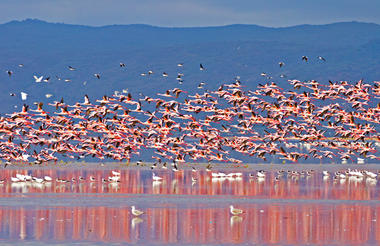
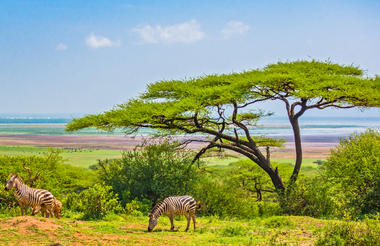
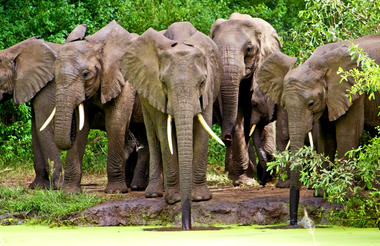
Situated in Tanzania’s central-northern region with the Lake Manyara to its east and the Manyara Escarpment to its west, the Lake Manyara National Park offers breathtaking views and a large variety of habitats supporting an array of wildlife. This small park is home to surprising biodiversity and features a magnificent landscape of acacia woodlands, forests, baobab strewn cliffs, algae-streaked hot springs, swamps and the lake itself. The park supports over 400 species of bird and the largest concentration of baboons anywhere in the world. Other species to spot include giraffes, zebras, wildebeest, impala, waterbuck, warthog, the Cape clawless otter, and the Egyptian mongoose. Don’t miss the opportunity to see thousands of flamingos on the lake, the renowned tree-climbing lions, and large families of elephants strolling through the forest.
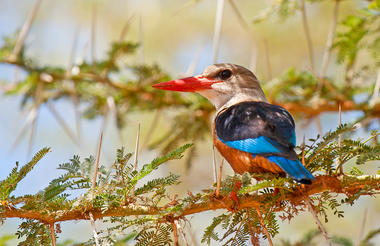
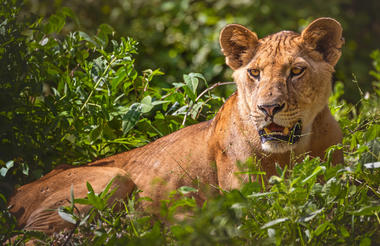
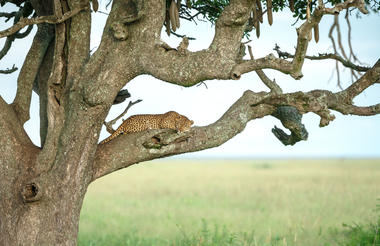
Situated at the heart of Serengeti National Park in northern Tanzania, the Central Serengeti is the park's most visited and wildlife-rich region, centred around the Seronera Valley. Characterised by vast open plains, scattered acacia trees, distinctive granite kopjes favoured by lions and cheetahs, and permanent water sources, it offers exceptional year-round game viewing and is renowned for its resident leopards, often seen resting in the branches of riverside trees. Visitors can enjoy rewarding game drives in search of lions, leopards, cheetahs, elephants, giraffes and large herds of plains game, while the Seronera River attracts an abundance of birdlife and other animals throughout the year. Although it is one of the Serengeti's busiest safari areas, its remarkable biodiversity and reliable wildlife viewing make it an outstanding destination for both first-time and returning visitors.
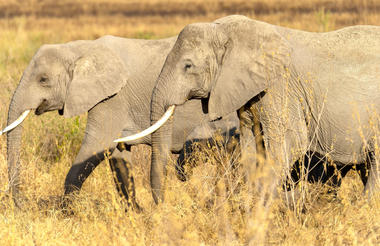
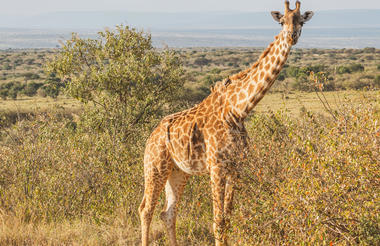
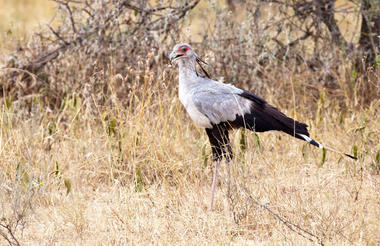
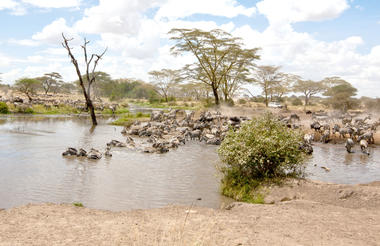
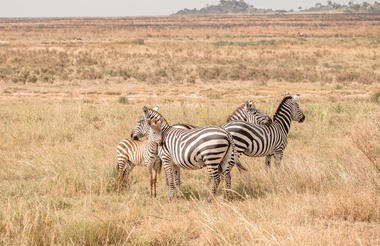
Ngorongoro Conservation Area lies in northern Tanzania, forming part of the wider Serengeti ecosystem and encompassing dramatic highlands, volcanic plains and the world-famous Ngorongoro Crater. The atmosphere is vast and elemental, shaped by sweeping savannahs, mist-cloaked rim viewpoints and an ever-present sense of geological scale. Wildlife is abundant, with opportunities to see lion, elephant, buffalo and flamingo within the crater floor, while Maasai communities continue traditional pastoral lifestyles across the surrounding landscape. Visitors can descend into the crater for game drives, explore archaeological sites such as Olduvai Gorge, or simply take in the shifting light across the highlands. Crisp morning air, distant calls of wildlife and wide horizons create a powerful sense of wilderness, though conditions and visibility can vary with season and weather.


