Located in southwestern Africa, Namibia boasts a well-developed infrastructure, some of the best tourist facilities in Africa, and an impressive list of breathtaking natural wonders. Visitors can explore the capital of Windhoek and discover the lovely coastal town of Swakopmund boasting remnants of the country’s German influence, reflected in the architecture, culture, cuisine and the annual Oktoberfest celebrations. To properly appreciate this extraordinary country, you will have to venture out of the cities to explore the remarkable natural landscapes Namibia has to offer. These include: the impressive Fish River Canyon; the vast Etosha National Park teeming with abundant wildlife, such as lions, desert-adapted elephants and the Hartmann's Mountain Zebra; the hauntingly beautiful Kalahari Desert; and of course the Namib Desert stretching for over 2000 km along the magnificent Atlantic Coast. Namibia is an ideal destination for travellers seeking an unforgettable African experience in a uniquely beautiful untamed wilderness.
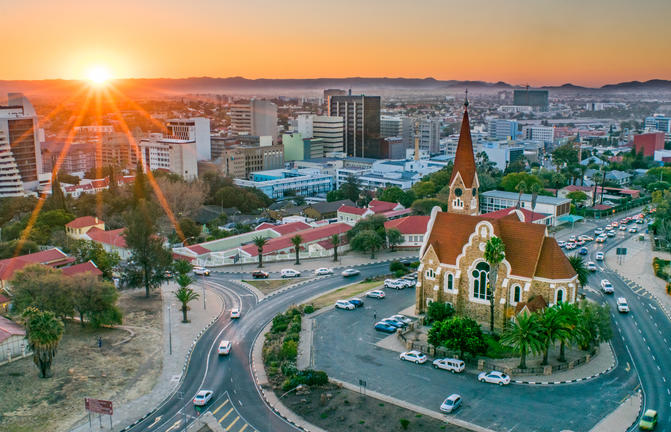
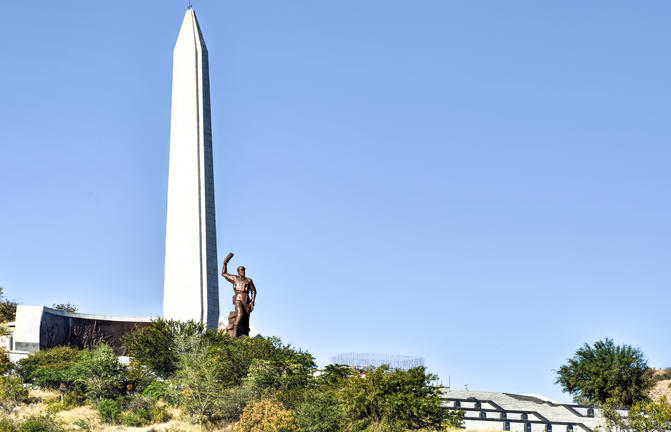
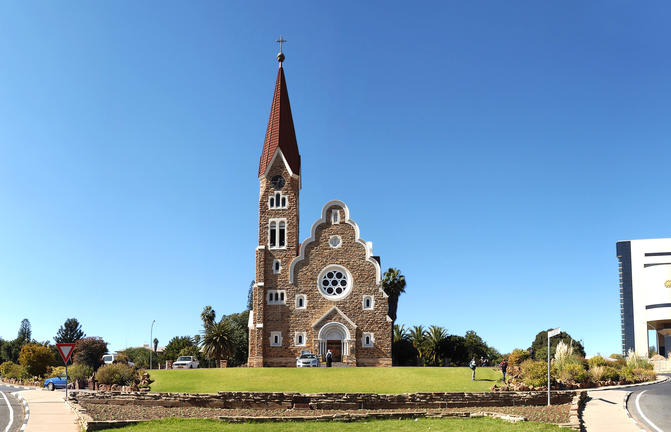
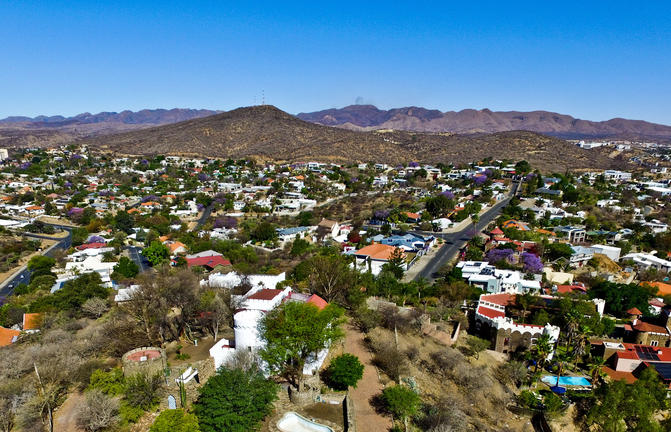
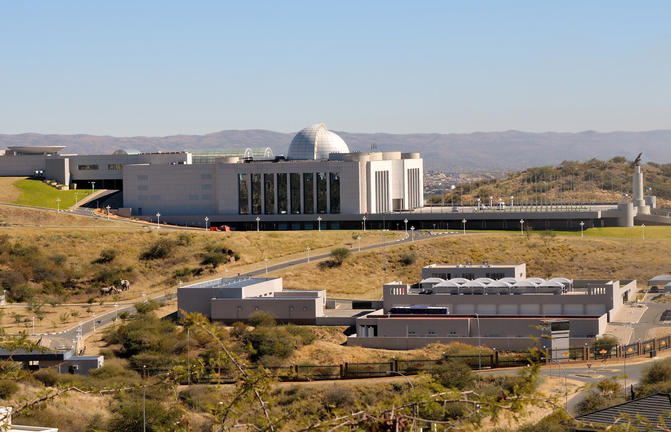
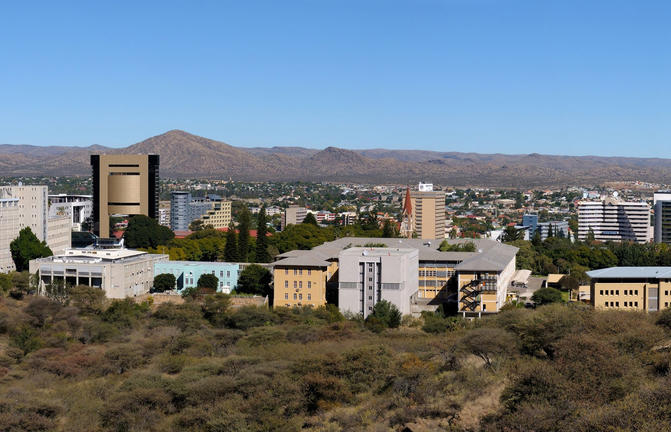
Situata nella Namibia centrale, la città cosmopolita di Windhoek funge da capitale del paese. È sede di un aeroporto internazionale e di una miriade di ristoranti, negozi, luoghi di intrattenimento e opzioni di alloggio. La città è pulita, sicura e ben organizzata, con un'eredità coloniale che si riflette nei suoi numerosi ristoranti e negozi tedeschi e nell'uso diffuso della lingua tedesca. Windhoek vanta un interessante mix di architettura storica ed edifici moderni, molti dei quali meritano un'occhiata, tra cui l'Alte Feste un vecchio forte, la Christuskirche Christ Church del 1896 e la più contemporanea Corte Suprema.
As there is no accommodation at Sossusvlei, visitors to this desert wilderness are likely to end up staying at Sesriem, 65 kilometres away, where camps and lodges serve as a base from which to explore the dunes. Sesriem Canyon, a deep chasm carved through the rocks by water, is a striking natural feature of the area that is best explored on foot. Stony walls rise up sharply on both sides of the canyon, while birds roost in its crags and lizards dart along the ledges. The canyon’s name was coined when early settlers used it as a water source, using six lengths of leather (‘ses riem – six thongs) tied together to lower buckets into the water at the base of canyon.)


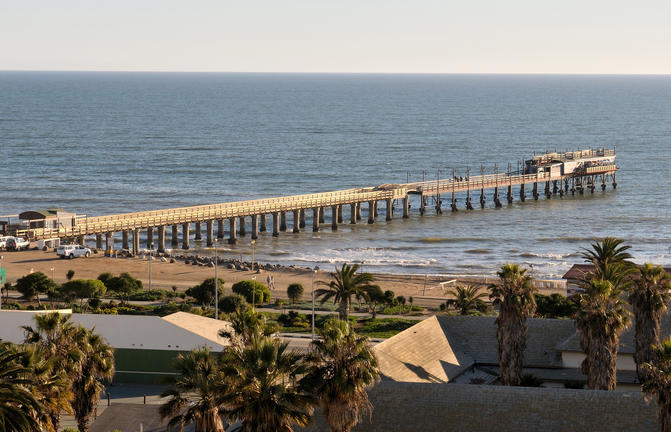
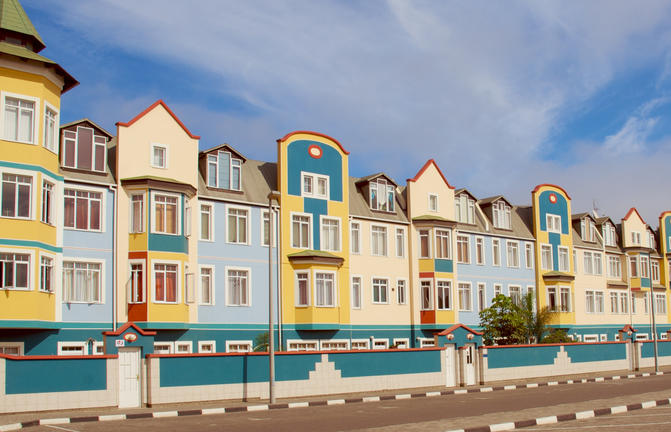
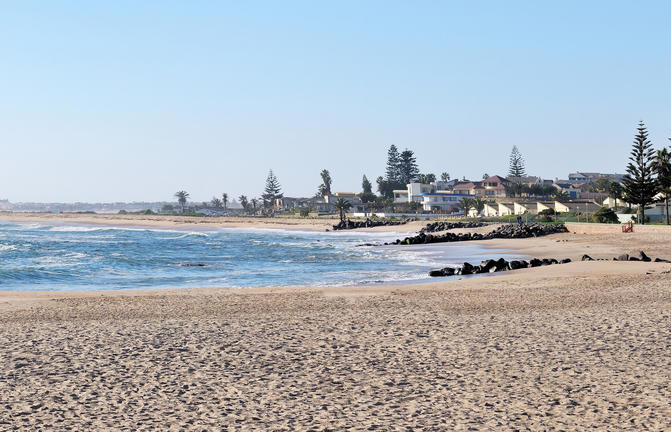
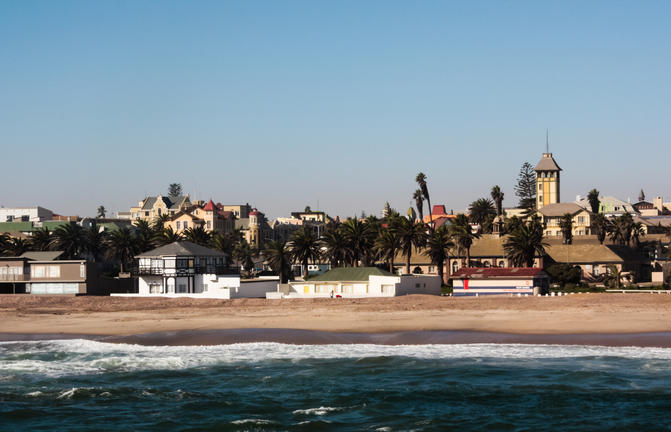
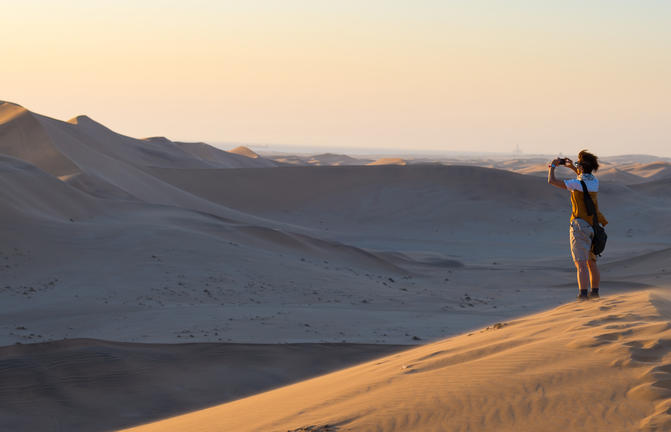
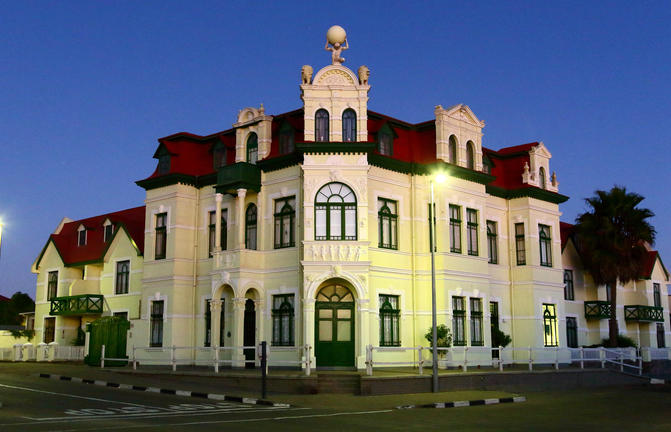
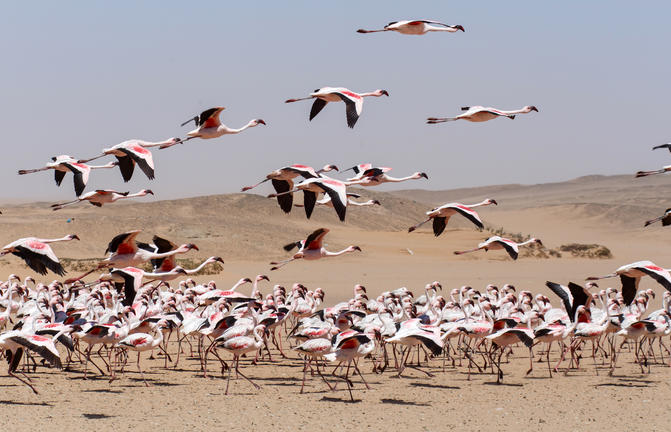
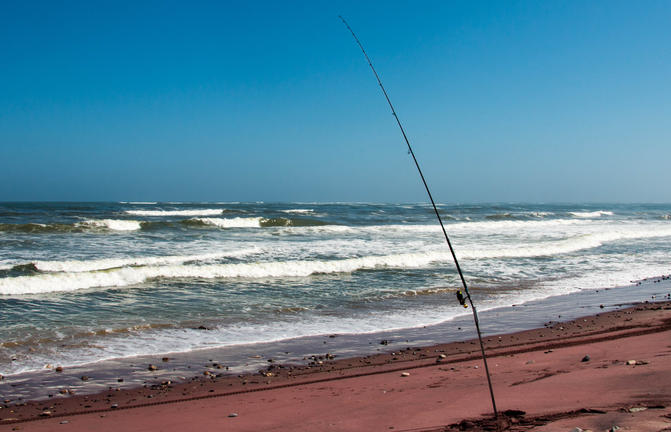
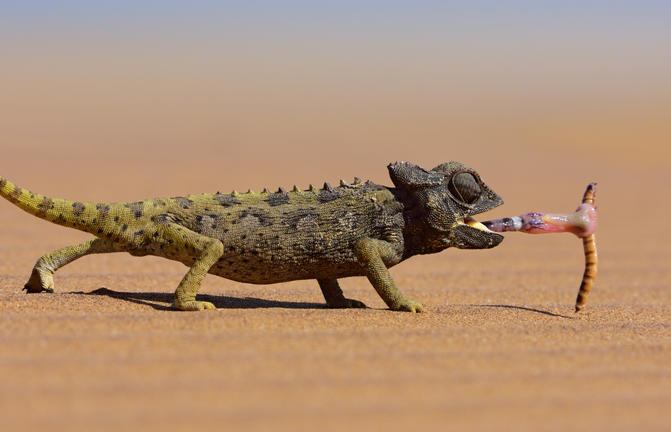
Set along Namibia's spectacularly scenic coast, the seaside town of Swakopmund is known for its wide-open avenues, colonial architecture, and its surrounding otherworldly desert terrain. Founded in 1892 as the main harbour for German South-West Africa, Swakopmund is often described as being more German than Germany. Now a seaside resort town, Swakopmund is the capital of the Skeleton Coast tourism area and has plenty to keep visitors happy. The quirky mix of German and Namibian influences, adventure options, laid-back atmosphere and cool sea breeze make it a very popular Namibian destination. Visitors can look forward to a number of exciting activities including: quad biking, horse riding, paragliding, fishing, sightseeing and fascinating desert tours.
Situated in Namibia’s desolate, awe-inspiring Namib Desert, between Usakos and Swakopmund and about two hours’ drive from Swakopmund, the Spitzkoppe are a group of bald granite peaks forming one of Namibia’s most recognizable and dramatic landmarks. These enormous towering domes are a mecca for hikers and mountaineers, from beginners interested in guided historic walks to professional climbers seeking an adrenaline boost. Numerous ancient rock paintings can be visited as part of a guided walking tour. The extreme, barren landscapes and striking rock formations create an excellent setting for photography.


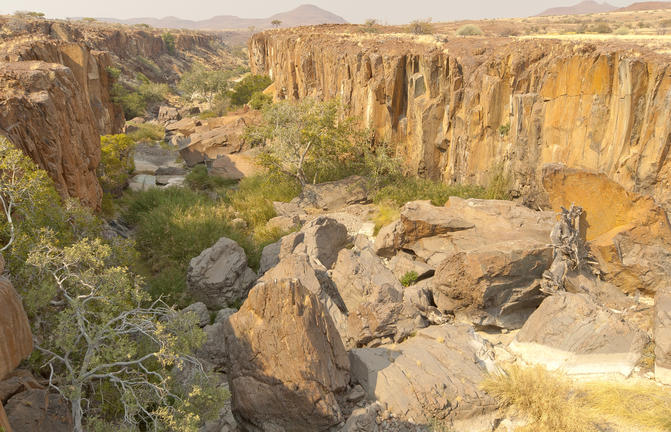
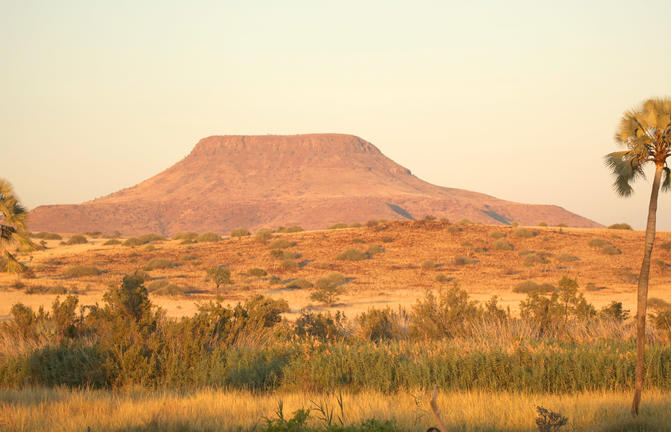
Palmwag is a nature reserve idyllically located along a palm-lined tributary of the Uniab River, halfway between Swakopmund and Etosha, providing an ideal base from which to see the sights of the Kunene region or embark on one of the many local hiking trails. Water is scarce in this area, so the river’s presence often lures elephants closer to the camps. The reserve is notable for its unusual species of palm tree, the hyphaene petersiana, and for being home to the largest population of southwestern black rhinos in Africa. Animal lovers can also get a peek at leopard, lion, cheetah, mountain zebra, Angolan giraffe, springbok, kudu, and African bush elephant.
Epupa Falls lies in Namibia’s remote far north, on the Kunene River close to the Angolan border, where desert landscapes give way to a surprising ribbon of water and life. Here, a series of wide, tumbling cascades cut through rugged rock, creating pockets of mist, cool shade and clusters of ancient baobabs. The atmosphere is tranquil yet powerful, with the low thunder of the falls echoing across an otherwise arid valley. Travellers can enjoy gentle walks along the river, meet Himba communities who have long called this region home, or watch the shifting colours of the cliffs at sunset. It’s a place of raw beauty and quiet contrasts, ideal for those seeking nature in its most elemental form.


Opuwo, meaning 'the end' in Herero, lies in the north western Kunene region of Namibia. It serves as the capital of the region and is known as the gateway to the magnificent Epupa Falls. The surrounding landscape is characterised by low-lying hills, and vast dry desert plains inhabited by a wealth of desert-adapted wildlife. It serves as the central hub for the Himba culture. The town provides a perfect base for visitors wishing to explore the Kaokoland area and visit the local villages of the itinerant Himba people. The town and the Opuwo surrounding area is known as one of the cultural highlights of a trip to Namibia as it features an incredibly rich cultural heritage. Don’t miss an opportunity to learn about the fascinating Himba community within this starkly beautiful landscape.
Situato appena a sud del confine del Parco Nazionale di Etosha, nel nord-ovest della Namibia, Etosha South costituisce la regione meridionale di questo paradiso selvaggio. L'area è composta da una collezione di riserve di caccia private di livello mondiale. È possibile accedere al parco nazionale tramite l'ingresso sud di Andersson's Gate. I visitatori possono ammirare una varietà di fauna selvatica tra cui: leone, giraffa, elefante, rinoceronte bianco e nero e una moltitudine di selvaggina di pianura. Le attività più popolari includono: godersi un safari all'aperto in 4x4 con una guida esperta, gite di mezza giornata o di un'intera giornata con la possibilità di un pranzo al sacco con vino durante il game drive di una giornata intera.
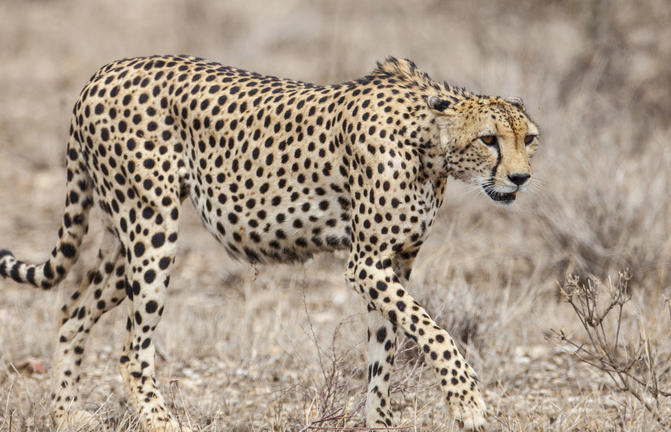
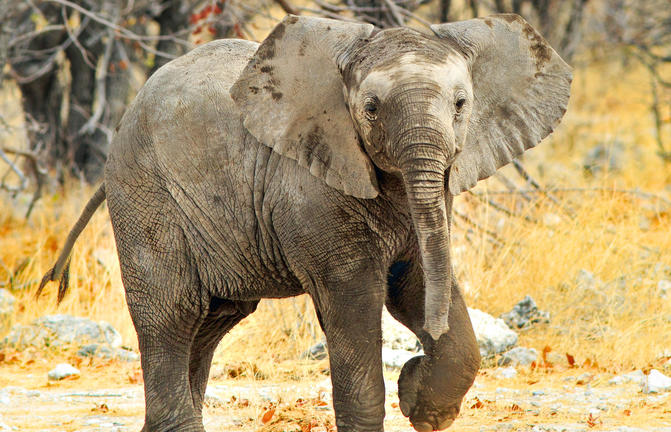
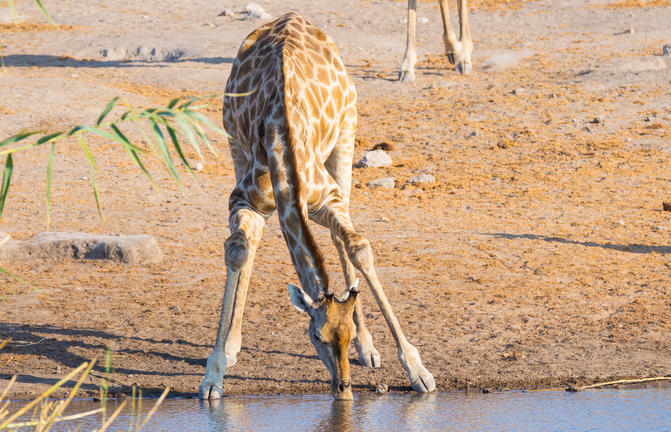
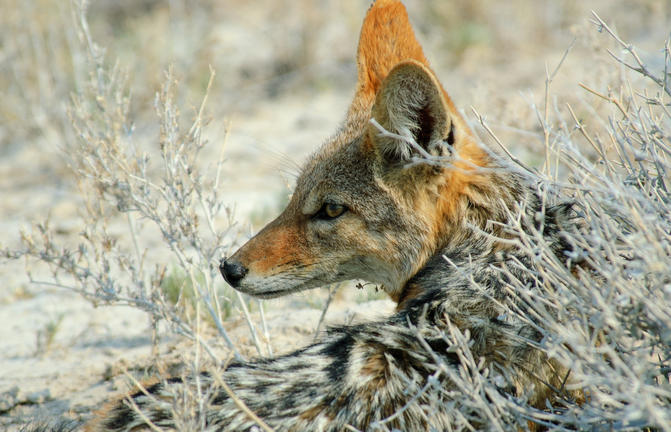
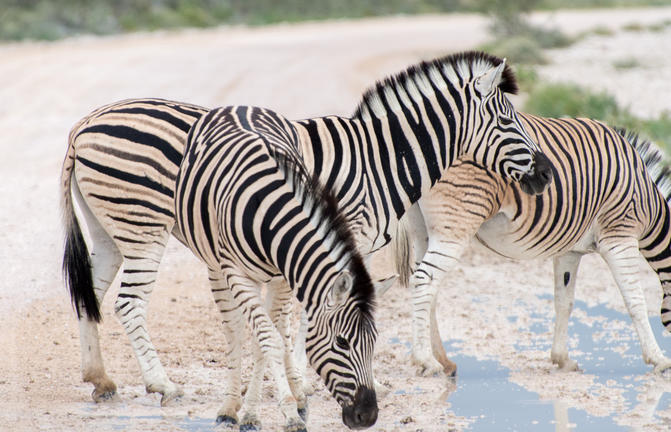
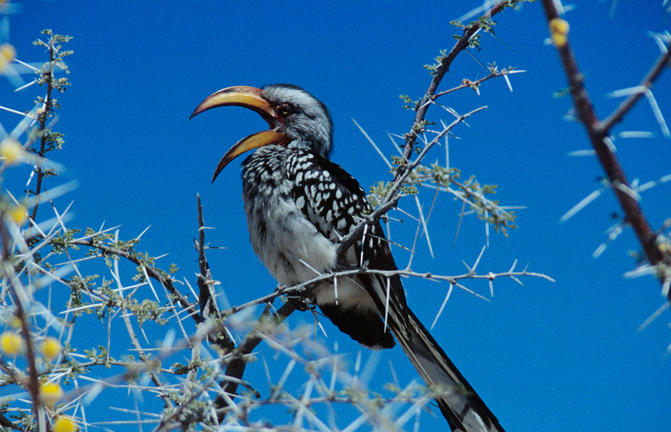
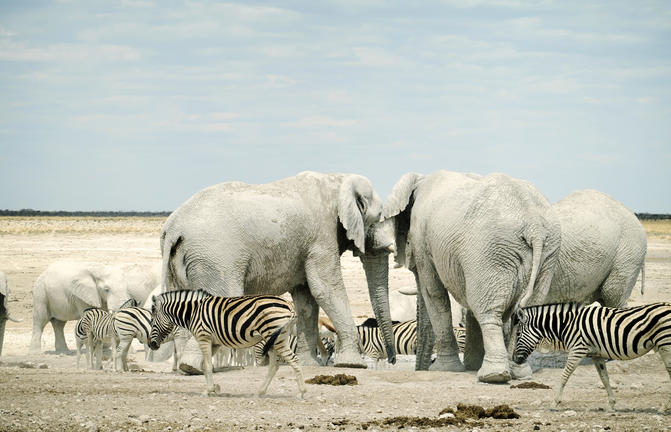


Situato nella Namibia nord-occidentale, Etosha East è un santuario protetto nella parte orientale del famoso Parco Nazionale Etosha, conosciuto come una delle riserve di caccia più accessibili dell'Africa australe. Etosha East vanta vaste pianure aperte disseminate di praterie semi-aride di savana punteggiate da pozzi di irrigazione e campi di cespuglio appartati. Un'imponente saliera Etosha di 5000 chilometri quadrati costituisce un'ampia area del lato orientale del parco e può anche essere vista dallo spazio. Questa zona remota brulica di abbondanti fauna selvatica come leoni, elefanti, rinoceronti neri e giraffe, oltre a una varietà di uccelli con fenicotteri, struzzi, aquile, carni e gufi.
Come precedentemente descritto