


There is something mesmerizingly thrilling about exploring Namibia. Wind-swept desert dunes, polished white plains and abundant wildlife create an alluring atmosphere throughout the land. Namibia boasts remarkable natural attractions such as the Namib Desert, the Skeleton Coast and the Fish River Canyon. The wildlife offerings are second to none, and the country holds an average of 300 sunny days per year, making it an ideal destination all year round. Its diverse landscapes offer reliable game viewings regardless of the season and is undoubtedly one of the most exciting and rewarding experiences. The country inhabits more than 20 species of antelope, along with the famous Big 5 and many other magnificent creatures - some found nowhere else in the world. The country is often referred to as "one big desert" and described as a place where nature governs the land. With Namibia being one of the least populated nation on earth, it really is one of the best spots to spend a social distancing holiday.
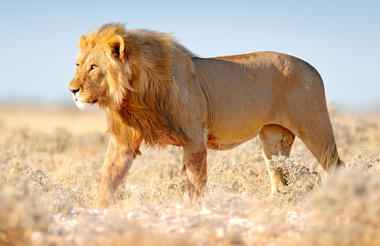
With a backdrop of rolling hills and grassy plains – Okonjima Nature Reserve is best known for its diverse animal species - such as cheetahs, lions, hyenas and leopards. Boasting mixed woodland and thornveld plains, the land is home to Africa's most extensive wild cat population. Established in 1991, the AfriCat Foundation is a non-profit organisation committed to the long-term conservation and education of Namibia's large carnivores - and even allows you to track the cheetah on foot! Okonjima, with its rugged bushveld and mountainous outcrops, is a truly unique Southern Africa experience.
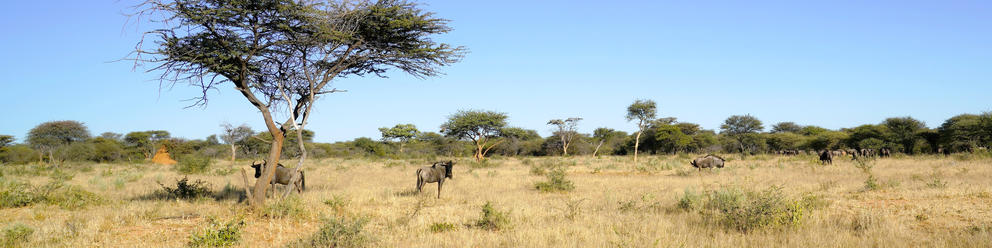
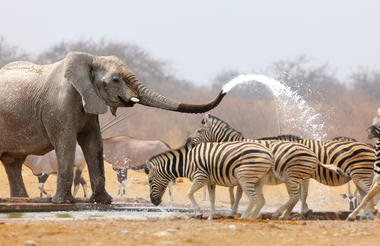
Surrounded by grassland and mopane shrublands, eastern Etosha is best-known for its remarkable variety of wildlife. Springbok are found abundantly within this region, while the many waterholes attract black rhinoceros and various antelope. During the rainy season, animals tend to migrate near the eastern Von Lindequist Gate. Makalani palms sway around waterholes on this side of the park, and the nearby pans are hotspots for blushing pink flamingos. Pure bliss is finding a quiet spot to wait for action, be it zebra jostling for a drink or sudden drama as elephant arrive in rumbling groups to quench their thirst.
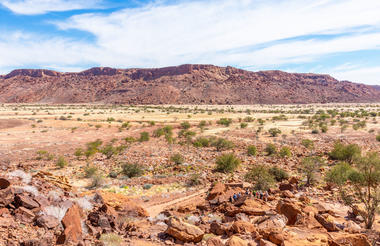
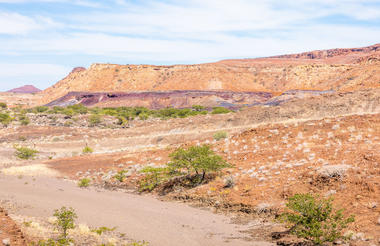
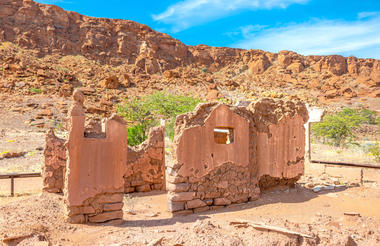
Twyfelfontein is a site of ancient rock engravings in the semi-arid region of north-western Namibia. This world heritage site is situated 100 kilometres from the ocean, where the scenery shifts from dry red sands to lush grassland. Drawn by the San People, the engravings show depictions of both human and animal tracks. Many of the impressions also depict animals that are no longer found in the area - including lion, zebra, kudu and even seals! Visiting these paintings, with their rich historical and cultural backgrounds, allows you to learn about the Namibian heritage and the San people's customs and beliefs.
The small scenic town of Walvis Bay is located on the west coast of Namibia. It is the only natural harbour along the country's coastline and is very popular with tourists who wish to explore the area. A short drive takes you to Sandwich Harbour, a freshwater lagoon surrounded by dunes - and famous for its significant fish population. The waters are rich in marine life, housing hundreds of whales and occupying an overwhelming number of seabirds - with countless flamingos, pelicans and seagulls. The natural beauty of the surrounding desert is quite remarkable and a huge factor in the popularity of the bay.


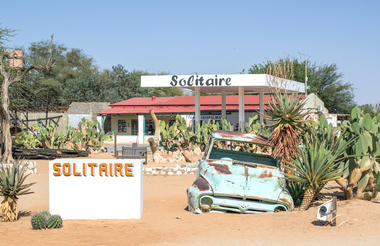
Solitaire is located at the edge of the Namib-Naukluft National Park, a short distance from the dunes of Sossusvlei and Walvis Bay. This remote settlement has served as a welcome stopover for over 60 years. On arrival, the first thing to catch your attention is the number of car wrecks that have been picturesquely displayed along the road. The region's grasslands can be explored via hiking trails in rocky foothills. Visitors can also take scenic drives and ride hot air balloons. Solitaire is committed to protecting both the grassland ecosystem and the wildlife that inhabit the area.
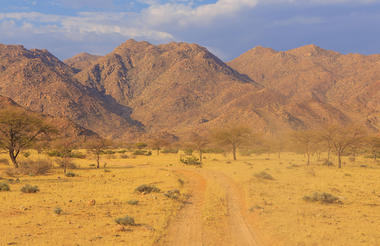

Central Namibia is one of the most popular in the country. The area includes the capital, Windhoek, Swakopmund and Walvis Bay. Between the Kalahari desert and the Namib sand dunes lie the Central Highlands. Cattle ranching is prevalent in this area, and most tourism facilities have origins in cattle and game ranching. A large part of central Namibia is characterised by varying wilderness areas, from small red dunes and grasslands to the spectacular Waterberg Plateau and its surrounding reserves. Visiting this central region will give a feel of the country as a whole - always leaving you wanting more.


