Situated along the southern boundary of Etosha National Park in northwestern Namibia, Etosha South encompasses the park's southern safari region and a collection of private game reserves and lodges. The park is accessed via Andersson Gate, placing visitors within easy reach of renowned waterholes and excellent wildlife viewing. Lions, elephants, giraffes, white and black rhinos, and a wide variety of antelope are among the species commonly seen. Guided 4×4 game drives are the main attraction, with half- and full-day safaris available, some including picnic lunches in the bush.


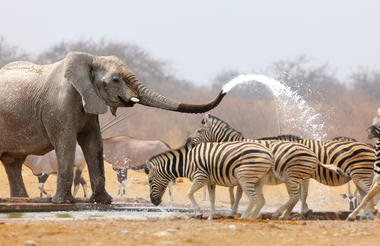
Located along the eastern boundary of Etosha National Park in northern Namibia, Etosha East is a rewarding safari destination known for its excellent wildlife viewing and convenient access to the park through the Von Lindequist Gate near Namutoni. Characterised by open savannah, mopane woodland and seasonal waterholes, the region attracts an abundance of wildlife, including elephant, lion, giraffe, zebra and a variety of antelope species. Visitors can enjoy self-drive or guided game drives, with the waterholes offering some of the best opportunities to observe animals gathering to drink, particularly during the dry season. Golden grasslands, distant birdsong and expansive African skies create an immersive safari experience in one of Namibia's most celebrated conservation areas.
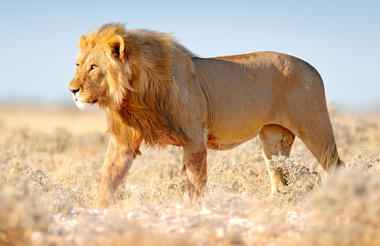
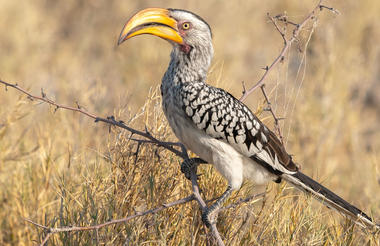
Grootfontein sits in the Otjozondjupa Region of Namibia, where open savannah plains and scattered acacia trees meet a quiet, small-town atmosphere shaped by agriculture and frontier history. Once a German colonial outpost, it is still marked by its orderly streets and historic buildings and now serves as a relaxed gateway to northern Namibia. Its most remarkable attraction is the nearby Hoba meteorite, the largest known intact meteorite on Earth, drawing visitors into a striking encounter with deep time in an otherwise sunbaked landscape. Surrounding farms and cattle stations add to the rural rhythm, while dust-laden air, distant livestock sounds and wide, bright horizons define the sensory experience. Grootfontein is modest and unpolished, but its geological wonders and expansive skies offer a compelling stop for travellers exploring Namibia’s interior.
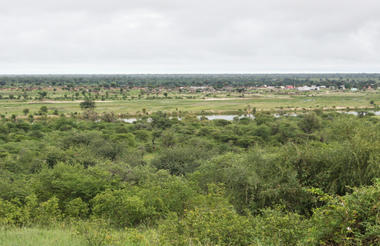

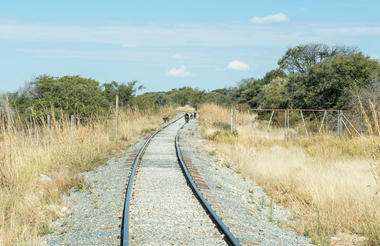
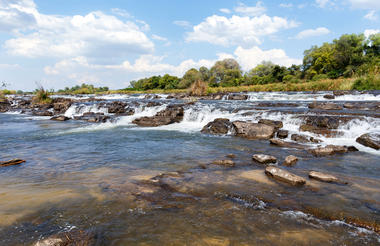
Set roughly 200 kilometres east of Rundu on the southeastern banks of the great Okavango River, the small village of Divundu is a wonderful destination from which to explore the river, game parks and national reserves of the area. Visitors can enjoy fishing or bird watching boat safaris, or visit the Mahango Game Park, which is home to herds of elephant as well as hippo, buffalo, giraffes, antelope, and many other animals. The spectacular Popa Falls, a dramatic series of cascades - are a popular must-see attraction. Divundu is also the perfect base for adventures in Botswana and the Okavango Delta.
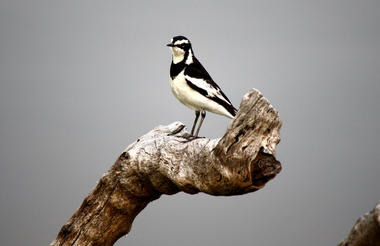
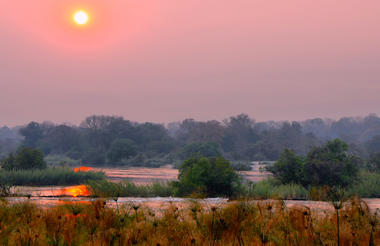
Stretching over 6200 square kilometres in northeast Namibia, the Bwabwata National Park includes the Caprivi Game Park and the Mahango Game Reserve which extends along the narrow Caprivi strip. The park functions as a wildlife sanctuary and practices community-engaged conservation, which visitors can take part in. It has been dubbed the 'People's Park', as the local Caprivian people live in harmony with the land and the animals. With an ever-growing wildlife population, the park is home to many animals including elephant, leopard, lion, buffalo, wildebeest, crocodile, and red lechwe. Avid birdwatchers will be thrilled to find over 330 bird species in the area. Visitors can look forward to excellent game viewing, boat safaris, nature walks and camping under the brilliantly clear Namibian night sky.


Fringing the world-renowned Chobe National Park, the Kasane Forest Reserve is located in the Lesoma Valley of the Central district in Botswana, approximately 800 kilometres north from Gaborone. A large portion of the terrain around the reserve is flat with plenty of wildlife, such as elephants, giraffes and even warthogs, roaming around undisturbed. Visitors can look forward to scenic boat cruises along the beautiful Chobe River, spot nocturnal animals in the forest on a thrilling night safari and enjoy bush camping under the African night sky.


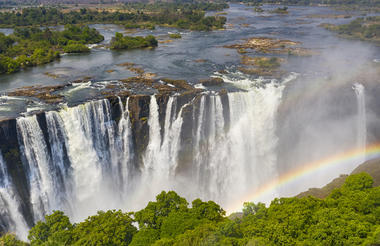
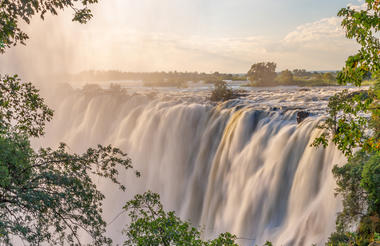
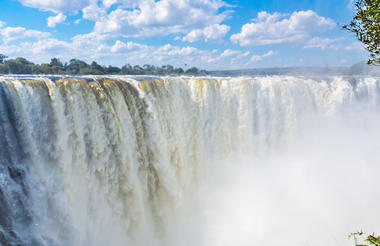
Known locally as Mosi-oa-Tunya—“The Smoke That Thunders”—Victoria Falls is one of the world’s great natural landmarks. Straddling the Zambezi River between Zambia and Zimbabwe, it forms a vast curtain of water that fills the air with mist and sound. The Zimbabwean side grants the most dramatic views, where mist rises like ghostly curtains and rainbows arc through the spray. Measuring about 1,708 metres across, it is regarded as the largest single continuous sheet of falling water on Earth. The adjacent town of Victoria Falls provides a convenient base for exploring the region, with a wide range of activities from scenic flights and microlight trips to white-water rafting, bungee jumping, kayaking, and safaris into Chobe National Park.