



Tanzania - Africa's Best Safari Destination - Home of the Serengeti National Park & the Roof Top of Africa, Mt Kilimanjaro
The name Tanzania evokes visions of sweeping savannahs filled with thundering wildebeest herds, mist-shrouded rainforests alive with monkeys and birds, and vast plains where Africa’s greatest wildlife roams free. From the snow-capped peak of Mount Kilimanjaro to the palm-fringed beaches of Zanzibar, Tanzania is a country of breathtaking contrasts and unparalleled natural beauty.
With its warm-hearted people, diverse cultures, and world-class destinations, Tanzania stands as one of Africa’s most captivating travel experiences — a place where adventure, relaxation, and discovery meet in perfect harmony.
Location and Geography
Situated in East Africa, Tanzania is bordered by Kenya and Uganda to the north, Rwanda, Burundi, and the Democratic Republic of Congo to the west, and Mozambique, Malawi, and Zambia to the south. To the east lies the glittering Indian Ocean, home to the idyllic Zanzibar Archipelago.
Covering nearly 950,000 square kilometres, Tanzania is one of Africa’s largest countries, encompassing vast plains, volcanic highlands, lush forests, and tranquil lakes — including Lake Victoria, Lake Tanganyika, and Lake Nyasa. This geographical diversity supports a remarkable array of wildlife, ecosystems, and cultures.
Top Attractions and Experiences
Tanzania offers travellers four main experiences, each distinct yet equally unforgettable:
1. Safari Adventures
Home to some of Africa’s most legendary parks, Tanzania’s northern and southern safari circuits offer unrivalled game viewing.
Serengeti National Park: Witness the Great Wildebeest Migration, one of the planet’s most extraordinary natural spectacles.
Ngorongoro Crater: Explore this UNESCO World Heritage Site teeming with wildlife in a spectacular volcanic setting.
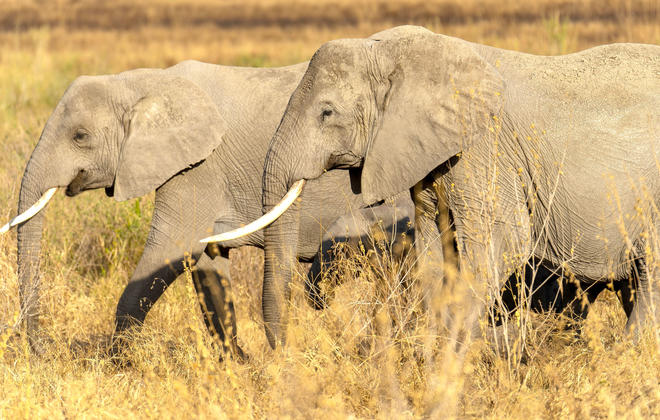
Ruaha and Selous (Nyerere) National Parks: Discover vast, remote wilderness areas where elephants, lions, and leopards roam freely.
2. The Spice Islands of Zanzibar
Just off Tanzania’s coast lies Zanzibar, an enchanting island paradise of turquoise seas, coral reefs, and historic towns.
Relax on white-sand beaches in Nungwi, Paje, and Jambiani.
Explore Stone Town, a UNESCO-listed cultural treasure of winding alleys, carved doors, and spice markets.
Dive into world-renowned coral reefs, or sail on a traditional dhow into a golden sunset.
3. Mount Kilimanjaro
Rising to 5,895 metres, Mount Kilimanjaro is Africa’s highest peak and one of the world’s most iconic trekking destinations.
Climbers ascend through distinct ecological zones — from lush rainforest to alpine desert — before reaching the snow-capped Uhuru Peak, the “Roof of Africa.”
4. Marine and Coastal Adventures
Beyond Zanzibar, the Mafia and Pemba Islands offer spectacular diving and snorkelling in crystal-clear waters rich with marine life. The Tanga Coelacanth Marine Park provides sanctuary for rare species like the prehistoric coelacanth and gentle dugongs.
People and Culture
Tanzania’s true beauty extends beyond its landscapes — it lies in its people. Home to more than 120 ethnic groups, including the Maasai, Chaga, Sukuma, and Hadzabe, Tanzania is a tapestry of languages, traditions, and beliefs.
Despite this diversity, Tanzanians share a strong sense of unity and peace, bound together by Swahili — the nation’s lingua franca. Visitors are greeted with warmth and hospitality, experiencing the “Hakuna Matata” spirit that defines the country’s easy-going charm.
Local cuisine is a reflection of this cultural blend: from spiced coconut curries on the coast to nyama choma (grilled meat) and ugali (maize porridge) in the interior. Food, music, and storytelling are woven into daily life, enriching every travel experience.
Best Time to Visit
Dry Season (June – October): Ideal for safaris and mountain treks. Wildlife congregates around water sources, offering excellent game viewing.
Green Season (November – May): Perfect for birdwatching and lush landscapes. The calving season (January–February) in the Serengeti is particularly rewarding for photographers and wildlife enthusiasts.
Why Visit Tanzania
Tanzania is Africa in its purest form — wild, beautiful, and deeply soulful. Whether you’re watching elephants cross the Serengeti, exploring coral reefs off Zanzibar, or summiting Africa’s highest mountain, every moment feels timeless and awe-inspiring.
Add to that the warmth of the Tanzanian people and the rich blend of cultures, and you have a destination that captures the heart of every traveller.
With such an abundance of experiences — from safari plains to island retreats — the hardest part of your journey will simply be deciding where to go first.
Key Highlights
Serengeti National Park – Home of the Great Wildebeest Migration
Ngorongoro Crater – UNESCO World Heritage Site and wildlife sanctuary
Mount Kilimanjaro – Africa’s highest peak and iconic hiking destination
Zanzibar Archipelago – Historic Stone Town and idyllic beaches
Selous (Nyerere) National Park – One of Africa’s largest protected reserves
Warm, Welcoming People – Over 120 ethnic groups living in harmony
Central Serengeti – Heart of the Serengeti
The Central Serengeti is the beating heart of Tanzania’s most famous national park, known for its sweeping grasslands, rich wildlife, and year-round game viewing. Encompassing the Seronera Valley — often called “the wildlife capital of the Serengeti” — this area delivers some of Africa’s most consistent predator sightings and breathtaking safari experiences.
No matter the season, the Central Serengeti offers the quintessential African safari: open savannahs dotted with acacia trees, herds of wildebeest and zebra on the move, and predators lurking in the golden grasslands.
Location and Ecosystems – Northern Safari Circuit of Tanzania
The Central Serengeti lies about 320 kilometres (6–7 hours’ drive) northwest of Arusha, positioned between the southern plains and the northern Mara River region. It forms part of the Northern Safari Circuit, linking seamlessly with Ngorongoro Crater, Lake Manyara, and Tarangire National Park.
The area’s landscapes are dominated by:
Endless grassy plains where wildebeest and zebra graze in abundance.
The Seronera River, a permanent water source attracting animals year-round.
Kopjes (granite outcrops) that serve as resting and hunting spots for lions and leopards.
Woodland belts and acacia savannahs, providing ideal habitat for giraffes, elephants, and diverse birdlife.
This ecological variety supports one of the densest concentrations of wildlife on Earth.
Unique Features
Year-Round Game Viewing: The Central Serengeti offers exceptional wildlife encounters in every month of the year — from large herds of elephants and buffalo to predators like lions, leopards, cheetahs, and hyenas.
The Great Migration: Between April and June, vast herds of wildebeest and zebra pass through the Central Serengeti as they head north toward the Mara River, creating thrilling predator-prey interactions.
Seronera River Valley: A wildlife hotspot famous for leopard sightings and resident lion prides.
Scenic Kopjes: Iconic granite outcrops such as Moru Kopjes and Simba Kopjes offer spectacular views and excellent chances to spot lions basking in the sun.
Balloon Safaris: Sunrise hot-air balloon rides reveal the vastness and beauty of the Serengeti plains from above.
Activities in the Area
Game Drives: Experience morning, afternoon, and full-day game drives with expert guides through the Seronera Valley and beyond, offering the best chances to spot big cats, elephants, and plains game.
Guided Walks: Embark on a walking safari led by knowledgeable rangers and Maasai trackers, learning about animal tracks, birdlife, and the smaller details of the ecosystem.
Hot-Air Balloon Flights: Float silently over the plains at sunrise, capturing sweeping views of herds and predators moving across the golden savannah.
Birdwatching: With over 500 bird species, including the lilac-breasted roller, kori bustard, and secretary bird, the area is a paradise for bird enthusiasts, particularly during the green season.
Cultural Visits: Visit nearby Maasai villages to experience traditional life, learn about ancient customs, and appreciate the Maasai’s deep connection with the land.
Photography & Filming: Capture breathtaking landscapes, wildlife encounters, and dramatic African skies — the Central Serengeti is one of the most photogenic locations in East Africa.
Travel Information
How to Get There
By Road: Central Serengeti is about 320 km (6–7 hours) from Arusha, accessible via the Ngorongoro Conservation Area. The journey includes a scenic drive across the Rift Valley escarpment and the crater highlands.
By Air: Daily scheduled flights operate from Arusha, Zanzibar, or other national parks to Seronera Airstrip, located in the heart of the Central Serengeti — ideal for fly-in safaris.
Travel Distances
Arusha → Central Serengeti: ~6–7 hours
Central Serengeti → Northern Serengeti: ~3–4 hours
Central Serengeti → Ngorongoro Crater: ~3.5–4 hours
Ngorongoro Crater → Lake Manyara: ~1 hour
Lake Manyara → Tarangire National Park: ~1 hour
Tarangire → Arusha: ~2 hours
Best Time to Visit
Dry Season (July – October):
Prime wildlife viewing as animals gather at the Seronera River and water sources. Grass is short, visibility is excellent, and predator sightings are frequent.Wet Season (November – June):
The plains are lush and green, filled with newborn animals and migratory herds. April to June is especially spectacular as the Great Migration moves through the region. Birdwatching is also superb during this period.
Why Include Central Serengeti in Your Tanzania Safari
The Central Serengeti embodies the essence of a classic African safari — vast plains, dramatic skies, and extraordinary wildlife encounters. It’s ideal for first-time visitors and seasoned travellers alike, offering easy access, excellent lodges, and reliable game viewing all year.
Whether you come to witness the Great Migration, photograph leopards in the Seronera Valley, or float silently above the plains in a hot-air balloon, the Central Serengeti promises a safari experience that truly defines Tanzania.
Key Attractions
Seronera Valley: Heart of the Serengeti and predator hotspot
The Great Migration: Wildebeest and zebra herds (April–June)
Moru & Simba Kopjes: Iconic granite outcrops and lion resting spots
Hot-Air Balloon Safari: Breathtaking aerial views at sunrise
Year-Round Wildlife: Resident herds and big cats always present
Leopard Sightings: Some of the best in East Africa
Scenic Lodges & Camps: Convenient base for exploring all directions of the park


Ngorongoro Crater – The World’s Largest Intact Caldera
Ngorongoro Crater is often called “Africa’s Garden of Eden” — a breathtaking natural amphitheatre teeming with wildlife. Formed from the collapse of a massive volcano over two million years ago, this UNESCO World Heritage Site is one of the most spectacular safari destinations in Africa. Covering about 260 square kilometres and standing at 2,200 metres above sea level, the crater floor supports one of the densest concentrations of wildlife found anywhere on Earth.
Location and Ecosystems - Northern Safari Circuit of Tanzania
The Ngorongoro Conservation Area lies in northern Tanzania, about 180 kilometres (3.5–4 hours’ drive) west of Arusha. It forms part of the famed Northern Safari Circuit, connecting Tarangire, Lake Manyara, and the Serengeti.
The crater’s varied ecosystems include lush grasslands, swamps, acacia woodlands, and a soda lake (Lake Magadi) that attracts flamingos and other waterbirds. Surrounding the crater rim are montane forests that host elephants, leopards, and a rich variety of birds. The mix of high-altitude terrain, fertile plains, and permanent water sources creates an ideal environment for both predators and prey.
Unique Features
Ngorongoro is the world’s largest intact volcanic caldera, with walls rising up to 600 metres high. It’s home to over 25,000 large mammals, including the Big Five — lion, elephant, buffalo, leopard, and the endangered black rhino.
This is one of the few places in Africa where you can spot rhinos grazing alongside wildebeest, zebras, gazelles, and hyenas within the same sweeping landscape. The crater also provides refuge for hippos, flamingos, and numerous raptor species.
Beyond wildlife, Ngorongoro has deep cultural significance. The Maasai people still live and graze their cattle within the conservation area, maintaining traditions that coexist with wildlife in a rare example of sustainable living.
Excursions and Activities in Ngorongoro Crater
Game Drives: Descend 600 metres into the crater for one of the most dramatic safari experiences in the world.
Walking Safari: Explore the crater rim or nearby highlands with an armed ranger — ideal for spotting smaller fauna and enjoying panoramic views.
Birdwatching: Over 500 species recorded, including flamingos, crowned cranes, ostriches, and secretary birds.
Cultural Visits: Visit a Maasai boma to learn about traditional life, cattle herding, and the tribe’s coexistence with wildlife.
Empakaai and Olmoti Crater Hikes: Discover nearby volcanic craters surrounded by montane forests and scenic viewpoints.
Travel Information
How to Get There
By Road: The crater is about 180 km (3.5–4 hours) west of Arusha, accessible via a well-maintained tarmac road passing through Lake Manyara. The drive offers scenic views of the Rift Valley and Maasai villages.
By Air: Daily scheduled flights from Arusha, Serengeti, and Zanzibar land at Lake Manyara Airstrip (1 hour away), with road transfers up to the crater rim. Charter flights also land at Ngorongoro Airstrip for easy access.
Travel Distances
Arusha → Ngorongoro Crater: ~3.5–4 hours
Arusha → Arusha National Park: ~40 minutes
Arusha → Tarangire National Park: ~2 hours
Tarangire → Lake Manyara: 1 hour
Lake Manyara → Ngorongoro Crater: 1 hour
Lake Manyara → Serengeti: 3.5 hours
Best Time to Visit
Dry Season (July – October): The best time for game viewing, as animals gather on the open plains and grass is shorter. Visibility is excellent, and most roads are accessible.
Wet Season (November – June): The crater becomes lush and green, ideal for photography and birdwatching. Flamingos fill Lake Magadi, and the landscape is alive with newborn animals during the calving season (January–March).
Why Include Ngorongoro Crater in Your Tanzania Safari
Ngorongoro Crater offers one of the most iconic safari experiences in the world. Its combination of dramatic scenery, abundant wildlife, and cultural heritage makes it an essential stop on any Northern Tanzania itinerary.
Whether you’re witnessing lions on the crater floor, spotting endangered black rhinos, or taking in the breathtaking views from the rim, Ngorongoro delivers a once-in-a-lifetime safari experience unlike any other.
Key Attractions
The Big Five – lion, leopard, elephant, buffalo, and black rhino
Lake Magadi – flamingos and hippos in the soda lake
Ngorongoro Crater Rim Viewpoints – panoramic vistas and photography spots
Maasai Villages – cultural encounters and traditional pastoral life
Empakaai & Olmoti Craters – scenic hiking opportunities
Dense Wildlife Populations – one of the highest in Africa


