


Windhoek, Namibia’s capital, lies in the heart of the country amid the rolling Khomas Highlands, where wide skies and dry savannah frame a compact, orderly city. It blends German colonial heritage with contemporary African identity, creating a calm, understated atmosphere rather than a bustling metropolis. Landmarks such as Christuskirche and the Tintenpalast sit alongside modern civic buildings, while lively markets and cafés reveal everyday Namibian life. Visitors can explore museums, stroll shaded streets, or use the city as a gateway to the surrounding wilderness and safari regions. The air is often dry and clear, carrying the scent of dust and jacaranda blossoms, while distant hills glow at sunset. Windhoek offers a gentle introduction to Namibia’s landscapes and culture, with space, light and quiet defining its appeal.


Situated in central-western Namibia between the towns of Omaruru and Usakos, the Erongo Mountains are a striking granite mountain range renowned for their dramatic rock formations, ancient San rock art and diverse wildlife. Formed by an extinct volcano, the region offers scenic hiking trails that wind through massive boulders, rugged valleys and distinctive granite peaks. Visitors can explore prehistoric rock art sites, enjoy guided nature walks, birdwatching and game drives, with opportunities to spot species such as klipspringer, kudu, zebra and numerous birds. Towering granite domes, golden grasslands and spectacular sunsets create an unforgettable sense of wilderness, making the Erongo Mountains an ideal destination for travellers seeking natural beauty, cultural heritage and outdoor adventure.


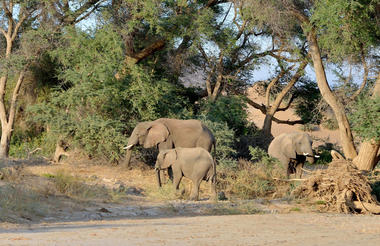
This vast desert landscape is known as one of the most beautiful regions in Namibia. Huge, untamed and ruggedly beautiful, Damaraland is an exceptionally scenic landscape featuring open plains, ancient valleys and spectacular rock formations. The major attractions are the sacred Spitzkoppe, the Brandberg, Twyfelfontein, Vingerklip and the otherworldly Petrified Forest. Visitors can take in the dramatic vistas, catch a glimpse of the rare desert-adapted elephant, and enjoy spectacular stargazing in crystal-clear night skies from one of the many safari camps dotting Damaraland. Other popular activities include: guided drives, nature walks and visiting the local communities. Don’t miss the opportunity to view Damaraland's world-famous ancient rock art.


As previously described


As previously described


Ongava Private Reserve is a 45,000-hectare wildlife reserve in northern Namibia, at the southern boundary of Etosha National Park. Dolomite hills give way to mopane woodland and open savanna, and waterholes draw a steady procession of wildlife through the day and into the night.
This is rhino country. Ongava is home to both black and white rhino and was one of the first custodians in Namibia’s Black Rhino Custodianship Programme. Over 100 species of mammal and more than 300 bird species share the reserve, and conservation here is guided by the Ongava Research Centre, based on the reserve.
Ongava’s four lodges each offer a different way to stay: the elegant Ongava Lodge, the intimate Horizon, the contemporary Anderssons at Ongava and the immersive Encounter by Ongava. All draw on the materials of the land around them, rock, thatch, stone and timber.
Guests can spend their days on Ongava, with guided walks, night drives and long hours at the waterhole hides, or venture into Etosha next door.


Set against the rugged slopes of the Omboroko Mountains in central Namibia, Okonjima Nature Reserve is a 22,000-hectare private wilderness renowned for its leopard-tracking experiences and wildlife conservation. Its landscape of rocky hills, open savannah and acacia woodland provides habitat for leopards, brown hyenas and a variety of other wildlife. The reserve is home to the AfriCat Foundation, which conducts research and conservation programmes focused on protecting Namibia’s carnivores. Visitors can join guided leopard-tracking excursions, game drives, nature walks and night safaris, offering opportunities to observe wildlife and learn about the reserve’s conservation work.


