
Day 1: Arusha to Lemosho Forest Camp
(Elevation: 2,100 meters to 2,650 meters)
Your adventure begins with a scenic drive from Arusha to Londorossi Gate (approx. 4–5 hours), located on the western side of Mount Kilimanjaro. After registration and permit formalities at the gate, you’ll continue by vehicle to the Lemosho trailhead. Here, you’ll meet your mountain crew and enjoy a packed lunch before beginning the trek.
The hike begins through dense montane rainforest, rich in biodiversity. You may spot colobus monkeys, blue monkeys, and an array of birds as you gently ascend on a well-maintained trail. The forest is lush and shaded, providing a beautiful introduction to Kilimanjaro’s lower slopes.
You’ll arrive at Forest Camp (also known as Big Tree Camp), located at 2,650 meters, in the late afternoon. The camp is nestled beneath tall trees, offering a peaceful first night on the mountain.
Highlights of the Day:
Scenic Drive: Journey through rural Tanzania and Kilimanjaro’s western flank.
Lemosho Trailhead: A remote and less-traveled start to your trek.
Rainforest Wildlife: Look for monkeys, birds, and native plant life.
Forest Camp: A serene campsite surrounded by towering trees.
Walking Time: 3–4 hours
Elevation Gain: ~550 meters
Accommodation: Forest Camp (Big Tree Camp)
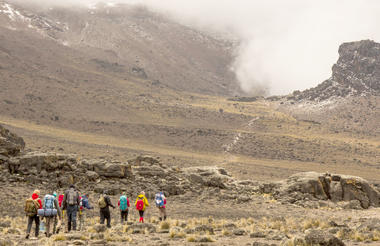
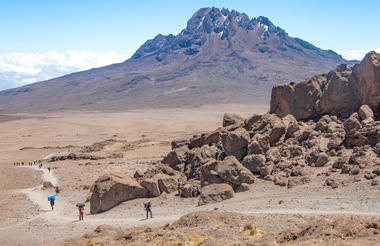
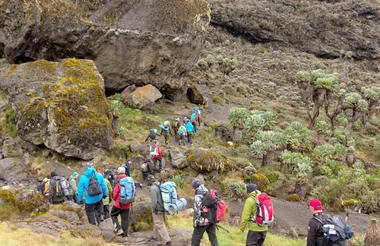
What to Wear on Day 1 (Lemosho Forest Camp hike):
Lightweight hiking pants or breathable trekking leggings
Moisture-wicking t-shirt (preferably synthetic or merino wool)
Long-sleeved base layer or light fleece (for layering in case of shade or cooler temps)
Sturdy hiking boots (already broken in!)
Gaiters (optional, but useful in muddy or damp forest conditions)
Light rain jacket or poncho (especially during the rainy season)
Hat or buff for sun or bug protection
Daypack with hydration bladder or water bottles
Trekking poles (if you use them)
Day 2: Lemosho Forest Camp to Shira Camp
(Elevation: 2,650 meters to 3,500 meters)
After an early breakfast at Lemosho Forest Camp, the day begins with a steady climb through the final stretch of montane rainforest. As you gain elevation, the trees begin to thin and give way to moorland vegetation, marking a distinct ecological shift. The air becomes cooler and drier, and the views start to open up, offering sweeping panoramas of the Shira Plateau.
The trail ascends steadily along a ridge, providing excellent vantage points to look back over the forest canopy. As you continue to climb, the scenery changes dramatically to a more open landscape dotted with giant heather and volcanic rock formations.
By early to mid-afternoon, you’ll reach Shira Camp, located on the plateau at approximately 3,500 meters (11,500 feet). This high-altitude camp offers stunning views of Kibo Peak in the distance and expansive skies that make for incredible sunset and star-gazing opportunities.
Highlights of the Day:
Forest to Moorland Transition: Witness a dramatic change in vegetation as you exit the rainforest and enter the moorland zone.
Shira Plateau Views: Take in panoramic vistas across the Shira Plateau with the looming presence of Kibo Peak ahead.
Moorland Flora: Spot unique high-altitude plants like giant groundsel and everlasting flowers.
Altitude Gain: A significant elevation increase helps with acclimatization for the days ahead.
Walking Time: 6–8 hours
Elevation Gain: ~850 meters
Accommodation: Shira Camp
Weather: Cooler and drier than Day 1, with more exposure to wind and sun.
Wear: Long pants, moisture-wicking layers, fleece or light jacket, and a windbreaker. Sun protection (hat and sunglasses) is essential at this altitude.
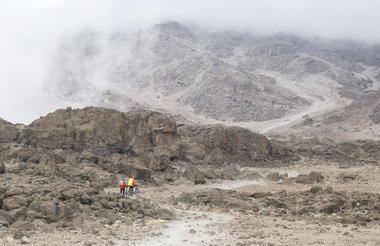
What to Wear on Day 2:
Base Layer (Top and Bottom):
Moisture-wicking long-sleeve shirt (preferably made from merino wool or synthetic fabric).
Lightweight trekking pants or long-sleeve moisture-wicking leggings to keep your legs protected and comfortable.
Mid Layer:
Fleece or lightweight jacket to keep you warm as the temperature drops, especially in the morning and late afternoon.
You may also want a long-sleeve shirt or mid-weight sweater under your jacket for added warmth.
Outer Layer:
Waterproof and windproof jacket (lightweight and breathable) to protect you from the wind and potential rain, especially as you move into the more exposed moorland zone.
Hats and Gloves:
Hat or cap for sun protection during the day.
Lightweight gloves: Even though it's not too cold yet, a pair of light gloves can help if the wind picks up or if you need extra warmth in the morning.
Trekking Boots:
Sturdy waterproof trekking boots with good ankle support, as the terrain will vary between forest trails and rocky, uneven ground as you move towards Shira Camp.
Socks:
Moisture-wicking socks (preferably merino wool or synthetic material). Bring an extra pair in your day pack in case your feet get wet.
Accessories:
Sunglasses to protect your eyes from the sun, especially as you ascend to higher altitudes and the sun's intensity increases.
Sunblock and lip balm with SPF to protect your skin.
Packable Items for Day 2:
Lightweight rain gear (just in case it rains)
Extra layer like a thermal top or light jacket for rest stops
Water bottle (stay hydrated as you’ll be gaining altitude)
Energy snacks for the trek
On Day 2, the weather will be cooler and drier as you transition from the rainforest to the moorland zone, so layering is key. You'll need protection from the sun and wind, but still want to stay light and comfortable as you gain elevation.
Day 3: Shira Camp to Barranco Camp
(Elevation: 3,900 meters to 3,950 meters)
The third day of your Kilimanjaro adventure brings you through dramatic landscapes, as you continue your ascent from Shira Camp to Barranco Camp. It’s a day that combines scenic beauty with some interesting challenges, offering a great opportunity for acclimatization.
The Trek:
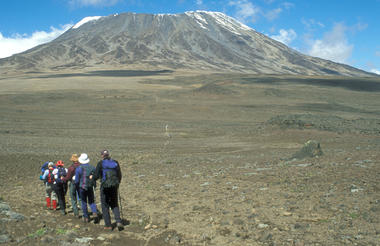
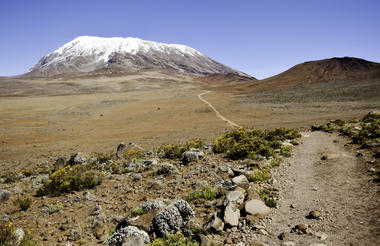
After breakfast at Shira Camp, you’ll begin your hike by heading east, traveling across the Shira Plateau. This stretch of the route is relatively flat as you move along a wide expanse of open terrain with panoramic views of the surrounding mountains and valleys. The environment changes gradually as you cross through the alpine desert zone, with scattered plants like giant lobelias and senecios.
After about 3-4 hours, the trail starts to descend slightly into the Great Barranco Valley. This descent is key for acclimatization, helping your body adjust to the altitude before tackling the climb to Barranco Camp. As you approach Barranco, you’ll be greeted by impressive rock formations and the towering Barranco Wall.
The Barranco Wall, which looms above the camp, will be one of the challenges of the following day, but for today, you’ll relax and enjoy the stunning views of the valley. This is also an excellent opportunity to take photos and enjoy the surroundings before settling into camp.
Once you arrive at Barranco Camp, you’ll enjoy a warm meal and rest, preparing for the challenges ahead. The camp is situated at 3,950 meters, making it an ideal place for acclimatization.
Highlights of the Day:
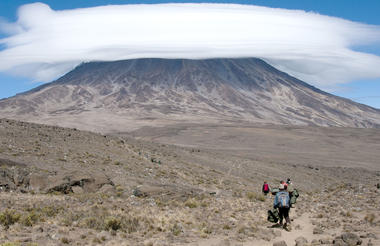
Shira Plateau: Trek across this expansive, flat area with beautiful views of the surrounding landscape, including the towering peaks of Kibo and Mawenzi.
Barranco Valley: As you descend, the stunning beauty of the valley unfolds, with lush greenery and the famous Barranco Wall in the distance.
Acclimatization Opportunity: This day is designed to help your body adjust to the altitude before tackling higher altitudes in the coming days.
Stunning Views: Enjoy 360-degree views of the surrounding peaks, valleys, and alpine desert as you hike.
Walking Time:
4-6 hours
Elevation Gain: 50 meters
Accommodation: Barranco Camp
Weather:
The morning will be cooler, but as you move into the open terrain, expect sunny conditions. The temperature will be moderate, but be prepared for colder evenings as you gain elevation.
What to Wear:
Base Layer: Moisture-wicking long-sleeve shirt and trekking pants
Mid Layer: Fleece or a light jacket for warmth
Outer Layer: Lightweight waterproof jacket (for wind and potential rain)
Trekking Boots: Waterproof boots with good ankle support
Gloves & Hat: For sun protection and added warmth if needed
Sunglasses & Sunblock: Essential for sun protection at higher altitudes
Day 4: Barranco Camp to Karanga Camp
(Elevation: 3,950 meters to 4,035 meters)
Today’s trek is a short yet exhilarating hike from Barranco Camp to Karanga Camp, taking you through the iconic Barranco Wall and into the heart of Kilimanjaro’s alpine zone. While the distance may not be long, this section of the climb offers some of the most interesting terrain and views.
The Trek:
After breakfast at Barranco Camp, your adventure begins with tackling the Barranco Wall, one of Kilimanjaro’s most famous features. This steep, rocky section of the trail is not a technical climb but requires scrambling over rocks and boulders. The ascent to the top of the Barranco Wall takes about an hour and is a rewarding challenge with spectacular views over the valley below. As you climb, you'll be able to see the towering peaks of Kibo and Mawenzi in the distance, and as you near the top, the vast plains below.
Once you reach the top of the Barranco Wall, the terrain levels out as you enter the Karanga Valley. The trail continues with a gradual descent towards Karanga Camp. The path takes you through open terrain with stunning views of the surrounding mountains and valleys. You'll pass through some rocky sections, and the route remains relatively undulating until you reach the camp.
Karanga Camp is the lowest camp on the route for the night and provides a perfect place for resting and acclimatizing before continuing your ascent. Once you arrive, you'll have the opportunity to relax, enjoy a warm meal, and take in the views of the landscape.
Highlights of the Day:
Barranco Wall: Conquer the famous Barranco Wall, an exciting scramble offering panoramic views of the surrounding area.
Stunning Views: As you ascend the wall and continue along the trail, you'll enjoy breathtaking views of Kibo, Mawenzi, and the surrounding valleys.
Acclimatization Opportunity: This day’s short trek with some climbing challenges gives your body more time to adjust to the altitude before the summit push.
Walking Time:
4-6 hours
Elevation Gain: 85 meters
Accommodation: Karanga Camp
Weather:
Expect sunny conditions in the morning, with temperatures likely to be warm as you ascend and moderate as you descend. As you get higher in altitude, it can get chilly in the evening, so be sure to wear layers.


What to Wear:
Base Layer: Moisture-wicking long-sleeve shirt and trekking pants
Mid Layer: Fleece jacket or light sweater for warmth
Outer Layer: Lightweight waterproof jacket for wind and potential rain
Trekking Boots: Sturdy, waterproof boots with good grip and ankle support
Gloves & Hat: A warm hat for sun protection and gloves for colder moments
Sunglasses & Sunblock: High-altitude sun protection
Day 5: Karanga Camp to Barafu Camp
(Elevation: 4,035 meters to 4,640 meters)
Today marks a critical day on your trek as you ascend to Barafu Camp, a high-altitude camp that is an essential stop before your summit push. The trek from Karanga Camp to Barafu is relatively short, but the altitude gain can make it a challenging day. Barafu Camp sits at an elevation of 4,640 meters, and it is the final stop before you begin your early morning climb to Uhuru Peak.
The Trek:
After breakfast, you will leave Karanga Camp and continue your journey towards Barafu Camp. The trail from Karanga is generally straightforward, with gradual ascents and some rocky sections. As you move higher, the landscape becomes more barren and rugged, transitioning into a harsh alpine desert.
The trek to Barafu Camp takes around 4 to 5 hours, and although the distance is not extensive, the increasing altitude means that you should take it slowly and steadily. As you make your way to the camp, you'll be treated to stunning panoramic views of both Kibo and Mawenzi Peaks, two of the three volcanic peaks that form Mount Kilimanjaro.
Once you arrive at Barafu Camp, you'll have time to rest and prepare for the night. This is a crucial point for acclimatization and relaxation, as the next part of your journey — the summit attempt — will start from here.
At Barafu Camp, you will have a hearty meal to fuel your body for the upcoming ascent, followed by an early night. The evening will be spent preparing for the midnight start to reach Uhuru Peak.
Highlights of the Day:
Gradual Ascent: The steady ascent towards Barafu Camp gives your body more time to adjust to the increasing altitude.
Barren Landscape: As you pass through the alpine desert, you'll experience the stark beauty of Kilimanjaro's higher altitudes.
Stunning Views: Barafu Camp offers incredible views of the surrounding peaks and the plains far below.
Summit Preparation: Barafu Camp is the last stop before you make your summit attempt, giving you a chance to rest and mentally prepare for the climb ahead.
Walking Time:
4-5 hours
Elevation Gain: 605 meters
Accommodation: Barafu Camp
Weather:
Expect colder temperatures as you approach Barafu Camp, particularly in the evening. The weather will be dry, but temperatures can drop significantly at night, so be prepared for cold conditions.


What to Wear:
Base Layer: Moisture-wicking long-sleeve shirt and trekking pants
Mid Layer: Fleece jacket or insulated layer for warmth
Outer Layer: Warm, waterproof jacket to protect against wind and cold
Trekking Boots: Sturdy, waterproof boots for rocky and potentially icy conditions
Warm Hat & Gloves: For protection against the cold and wind
Headlamp: A reliable headlamp for the early morning summit attempt
Sunglasses & Sunblock: Protect your skin and eyes from high-altitude sun
At Barafu Camp, take time to hydrate, fuel up, and get plenty of rest — the next day will be your ultimate challenge as you head to the summit!
Day 6: Barafu Camp to Uhuru Peak, then to Millennium Camp
(Elevation: 4,640 meters to 5,895 meters to 3,100 meters)
Today is the day you’ve been preparing for — the summit day of Mount Kilimanjaro! You will make your way from Barafu Camp to Uhuru Peak, the highest point on the mountain at 5,895 meters, before descending to Millennium Camp at 3,100 meters to rest and recover.
The Summit Push:
Your day begins in the middle of the night, with an early wake-up call around midnight or 1 AM. After a light breakfast, you’ll start the tough climb to Uhuru Peak, the pinnacle of Mount Kilimanjaro. The first part of the climb follows a steep and rocky trail through the Saddle, the narrow gap between Kibo Peak and Mawenzi Peak. The temperature will be very cold, so it’s important to wear your warmest layers and be prepared for the elements.
The ascent is physically demanding, as the altitude and the lack of oxygen make every step a challenge. You will move slowly but steadily, following the “pole-pole” (slowly, slowly) approach. As you approach Stella Point (5,750 meters), the steepness begins to lessen, and the scenery becomes truly awe-inspiring, with a view of the crater and glaciers on the summit.
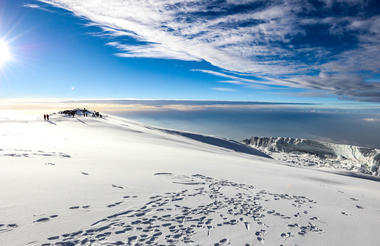
Finally, after about 6 to 8 hours of climbing, you will reach Uhuru Peak — your goal! This is an emotional and rewarding moment as you stand at the highest point in Africa, with stunning panoramic views of the surrounding glaciers and the vast African plains below.
Descent to Millennium Camp:
After spending some time at the summit, taking photos, and soaking in the incredible sense of achievement, you will begin your descent. The journey back down to Millennium Camp takes around 5 to 6 hours. While descending, you’ll pass through Barafu Camp again and continue down to Millennium Camp, located in a forest zone that offers a more sheltered and relaxed atmosphere.
Upon arrival at Millennium Camp, you’ll have the opportunity to rest and relax after an unforgettable day. A well-deserved dinner and a good night’s rest will prepare you for the final day of your Kilimanjaro adventure.
Highlights of the Day:
Summit Push: The challenging and rewarding journey to Uhuru Peak, the highest point in Africa.
Stunning Views: Breathtaking views of glaciers, the crater, and vast African plains from the summit.
Sense of Accomplishment: Reaching Uhuru Peak is a once-in-a-lifetime achievement.
Descent to Millennium Camp: A relaxed descent through the lush forest and peaceful surroundings of Millennium Camp.
Walking Time:
Summit Climb: 6-8 hours to Uhuru Peak
Descent to Millennium Camp: 5-6 hours
Total Walking Time: 11-14 hours
Elevation Gain and Loss:
Gain to Uhuru Peak: 1,255 meters from Barafu Camp to Uhuru Peak
Loss to Millennium Camp: 2,795 meters from Uhuru Peak to Millennium Camp
Accommodation:
Millennium Camp (3,100 meters)
Weather:
Expect cold temperatures at the summit, with potential wind chill and freezing conditions. As you descend, the temperature will gradually become warmer as you approach Millennium Camp.


What to Wear:
Base Layer: Moisture-wicking long-sleeve shirt and pants
Mid Layer: Insulated jacket (fleece or down)
Outer Layer: Waterproof and windproof jacket
Hat & Gloves: Warm hat, gloves, and neck gaiter to protect against the cold
Trekking Boots: Sturdy, waterproof boots (with gaiters for snow and ice)
Headlamp: For early morning start and summit climb
Sunglasses & Sunblock: Protect your eyes and skin from high-altitude sun
Gaiters: To protect your boots from dust, snow, or debris
The summit push is a true test of your endurance and determination, but reaching the top of Mount Kilimanjaro is one of the most rewarding experiences you’ll ever have. After summiting, the descent to Millennium Camp will allow you to reflect on your accomplishment and prepare for the final leg of your Kilimanjaro journey!
Day 7: Millennium Camp to Mweka Gate to Moshi / Arusha or Kilimanjaro Airport
(Elevation: 3,100 meters to 1,650 meters)
After an unforgettable ascent and summit, the final day of your Kilimanjaro adventure has arrived. Today, you’ll descend from Millennium Camp to Mweka Gate, where your trek officially concludes, before being transferred to Moshi or Arusha for a well-earned rest.
Descent to Mweka Gate:
Following breakfast, you’ll begin your descent from Millennium Camp, taking in the lush forest surroundings as you head toward Mweka Gate. The trail is well-maintained and winds its way through dense rainforest, offering a peaceful and scenic end to your journey. The descent is gradual, and as you walk, you’ll be surrounded by vibrant vegetation, birdlife, and possibly some wildlife.
This part of the trek takes around 4-6 hours, and as you walk, you’ll have time to reflect on your incredible accomplishment of summiting Uhuru Peak just the day before.
Upon reaching Mweka Gate, you’ll complete your final formalities, including signing out at the gate. You will be presented with your summit certificate to commemorate your achievement—one of the greatest rewards of your Kilimanjaro trek!
From Mweka Gate, your guide will arrange for a transfer to your next destination. You’ll be driven back to Moshi or Arusha, where you can relax and unwind. If you're catching a flight, your guide will take you directly to Kilimanjaro International Airport for your departure.
As you leave the mountain behind, you’ll take with you not just the memories of an incredible adventure, but also a profound sense of accomplishment that only those who have summited Kilimanjaro can truly understand.
Highlights of the Day:
Scenic Descent: Enjoy the lush, green rainforests and changing landscapes on the way to Mweka Gate.
Summit Certificate: Receive your well-deserved certificate to commemorate your achievement of summiting Mount Kilimanjaro.
Transfer to Moshi/Arusha/Kilimanjaro Airport: Reflect on your journey as you are transferred to your next destination, with options for exploring more of Tanzania or heading home.
Walking Time:
Descent: 4-6 hours from Millennium Camp to Mweka Gate
Elevation Loss:
From Millennium Camp to Mweka Gate: 1,400 meters
Accommodation:
None (Day of Travel)
Weather:
Expect a mild temperature during the descent, with warmer conditions as you drop in altitude. It will be much warmer compared to the higher altitudes you experienced earlier in your trek.
What to Wear:
Base Layer: Lightweight shirt and pants for comfort during the descent
Outer Layer: A light jacket or sweater, as temperatures may be cooler in the morning
Footwear: Comfortable trekking shoes for easy descent
Sun Protection: Sunscreen, sunglasses, and a hat to protect against the sun
Rain Gear: Pack a light rain jacket just in case (weather can be unpredictable in the rainforest)
This final day will be a time to reflect on your incredible achievement, enjoy the beautiful landscapes, and celebrate your Kilimanjaro success before you head back to civilization!


