

Day 1: Rongai Gate (1,950 meters) to First Cave Camp (2,620 meters)
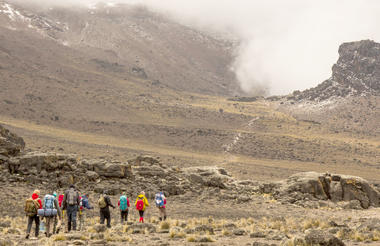
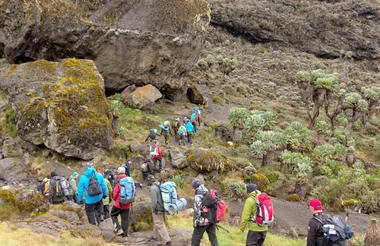
Your Kilimanjaro adventure begins with a drive from Moshi or Arusha to the Rongai Gate on the northeastern side of the mountain—close to the Kenyan border. After registration and a short briefing with your guide, you'll begin your trek through a quiet, forested trail that is rich in wildlife and offers a good chance of spotting Colobus monkeys and a variety of birdlife.
The path gradually ascends through the lush montane forest, with shaded, cool air making for a pleasant first day of trekking. You’ll hike at a comfortable pace as your body begins to adjust to the elevation. Keep your camera ready—this section of the route often provides beautiful glimpses of the Kenyan plains below.
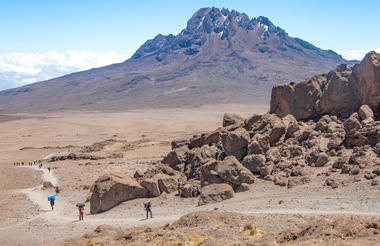
You’ll arrive at First Cave Camp, located at 2,620 meters, by mid-afternoon. The camp sits on the edge of the moorland zone and offers your first views of Kibo, Kilimanjaro’s main peak, in the distance.
Enjoy a warm dinner under the stars and rest up for the day ahead.
Elevation Gain: 670 meters
Hiking Time: 3–4 hours
Habitat: Montane Forest
Highlights of the Day:
Peaceful forest trail with potential wildlife sightings
Gentle introduction to Kilimanjaro’s terrain and altitude
First views of Kibo Peak
What to Wear:
Lightweight hiking pants and a moisture-wicking T-shirt
Long sleeves or a light fleece for forest shade
Comfortable hiking boots
Hat and sunscreen for sun protection
Day 2: First Cave Camp (2,620 meters) to Second Cave Camp (3,450 meters)
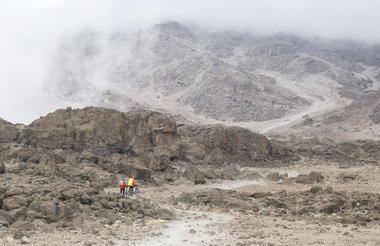
After breakfast at First Cave Camp, you’ll continue your gradual ascent through the moorland zone, where the forest begins to give way to low alpine vegetation and sweeping views of the plains below. The trail today is relatively gentle, allowing your body to acclimatize steadily to the increasing altitude.
As you gain elevation, the landscape becomes more open, with heather and hardy shrubs replacing the dense forest. You may catch sight of Kilimanjaro’s eastern ice fields and, on clear days, enjoy stunning views of Mawenzi, the second-highest peak on the mountain.
You’ll arrive at Second Cave Camp, your home for the night, by early afternoon. Situated at 3,450 meters, this scenic camp provides an excellent vantage point of both Kibo and Mawenzi peaks.
Spend the rest of the day relaxing, rehydrating, and letting your body adjust to the higher altitude.
Elevation Gain: 830 meters
Hiking Time: 4–5 hours
Habitat: Moorland
Highlights of the Day:
Transition into moorland with wide-open views
Stunning vistas of Mawenzi and Kibo peaks
Gradual elevation gain for effective acclimatization
Day 3: Second Cave Camp (3,450 meters) to Kikelewa Camp (3,630 meters
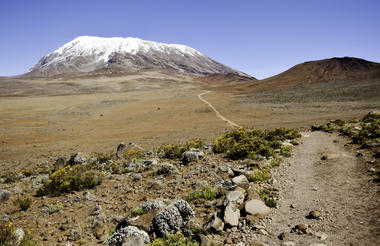
After a restful night at Second Cave Camp (3,450 meters), you’ll begin a gentle ascent toward Kikelewa Camp (3,630 meters). This is a shorter trekking day, designed to help with acclimatization while still offering striking scenery and a taste of Kilimanjaro’s ever-changing landscape.
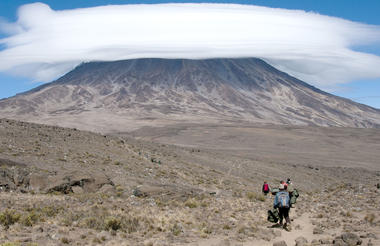
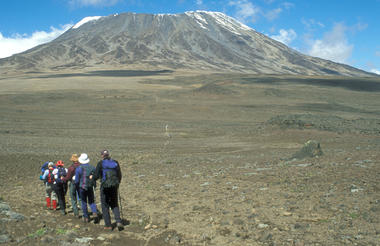
As you leave the moorland zone behind, the vegetation becomes sparser, with more rugged terrain and clearer views of Mawenzi Peak, the dramatic, jagged sister to Kilimanjaro’s main summit. Though the hike is less intense than other days, the higher elevation may begin to have a mild effect, so a steady, relaxed pace is essential—“pole pole” as the guides say.
You’ll arrive at Kikelewa Camp by early afternoon, giving you time to rest, rehydrate, and enjoy a light acclimatization hike up the nearby ridge for even better views and altitude adjustment.
Elevation Gain: 180 meters
Hiking Time: 3–4 hours
Habitat: Moorland transitioning to Alpine
Highlights of the Day:
Scenic ascent with excellent views of Mawenzi Peak
Transition from lush moorland to rocky alpine landscapes
Early arrival for extra rest and acclimatization
What to Wear:
Lightweight, moisture-wicking base layers
Long-sleeve trekking shirt and pants
Light fleece or jacket for cooler temperatures
Hat, sunglasses, and sunscreen
Sturdy hiking boots suitable for rocky paths
Day 4: Kikelewa Camp (3,630 meters) to Mawenzi Tarn Camp (4,315 meters)
Today is a truly scenic day on the Rongai Route, as you leave behind the last traces of moorland and enter the stark, beautiful alpine desert zone. The trail from Kikelewa Camp begins with a steady climb up grassy slopes, offering spectacular panoramic views of the surrounding wilderness and the towering Mawenzi Peak directly ahead.
As you gain altitude, the air becomes noticeably thinner and cooler. The route steepens briefly before reaching the Mawenzi Tarn Camp, nestled beneath the jagged spires of Mawenzi in a sheltered basin near a small glacial tarn. This dramatic location is considered one of the most picturesque camps on the mountain.
You’ll arrive in time for a hot lunch and a well-earned rest. In the afternoon, there’s the option to take an acclimatization hike higher up the slopes of Mawenzi before returning to camp.
Elevation Gain: 685 meters
Hiking Time: 4–5 hours
Habitat: Alpine Desert
Highlights of the Day:
Ascend into the alpine desert zone
Spectacular views of the Mawenzi spires
Overnight at one of Kilimanjaro’s most scenic campsites
Optional acclimatization hike in the afternoon

What to Wear:
Warm base layers and insulating mid-layers
Windproof or softshell jacket
Hiking pants or thermal leggings
Hat and gloves (mornings and evenings can be cold)
Sunglasses and sunscreen for high-altitude UV protection
Sturdy boots for rocky, uneven ground
Day 5: Mawenzi Tarn Camp (4,315 meters) to Kibo Hut (4,720 meters)
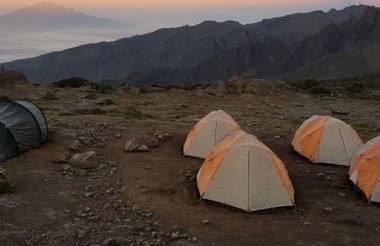
Today’s trek takes you across the barren saddle between Mawenzi and Kibo—an expansive, windswept desert of volcanic rock and alpine tundra. This section of the Rongai Route feels otherworldly, with wide open views and the looming bulk of Kibo Peak straight ahead, growing larger with every step.
The hike is relatively gradual but takes place at high altitude, so you’ll need to move slowly and steadily—pole pole as the guides say. It’s important to stay hydrated and conserve energy, as you'll be attempting the summit in just a few hours.
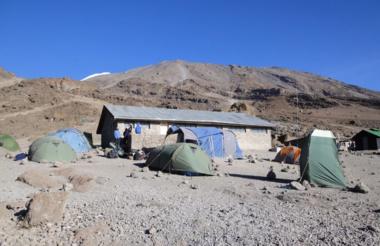
Upon reaching Kibo Hut, located at the base of the Kibo crater wall, you'll settle in for an early dinner and rest. You’ll be woken just before midnight to begin your final ascent to Uhuru Peak.
Elevation Gain: 405 meters
Hiking Time: 4–5 hours
Habitat: Alpine Desert
Highlights of the Day:
Cross the dramatic, moon-like saddle between Mawenzi and Kibo
Enjoy unobstructed views of the upper slopes of Mount Kilimanjaro
Rest and prepare for your overnight summit push

What to Wear:
Warm layers (base layer, fleece, insulated jacket)
Windproof jacket and pants
Hat, gloves, and neck gaiter
UV protection (sunglasses and sunscreen)
Gaiters optional for dusty sections
Well-broken-in hiking boots for rocky trails
This is your last stop before the summit—rest well and get ready for the adventure of a lifetime!
Day 6: Kibo Hut (4,720 meters) to Uhuru Peak (5,895 meters) to Horombo Camp (3,720 meters)
This is the most challenging and rewarding day of your Rongai Route trek—summit day! Your climb begins around midnight under a sky full of stars, using headlamps to light your way up the steep switchbacks of Gilman’s Point (5,685 meters), perched on the crater rim. From here, it’s another 1–2 hours of steady trekking along the rim to reach Uhuru Peak—the highest point in Africa.
As the sun rises, you'll be treated to breathtaking views from the top of Mount Kilimanjaro, making all your effort and determination worthwhile. Take photos, celebrate your incredible achievement, and soak in the moment before beginning your long descent.
You’ll return to Kibo Hut for a short rest and brunch, before continuing down to Horombo Camp, where the air is thicker and warmer. You’ll be ready for a well-deserved dinner and a full night’s rest.
Elevation Gain: 1,175 meters
Elevation Loss: 2,175 meters
Hiking Time: 6–8 hours to Uhuru Peak, then 5–6 hours to Horombo Camp
Habitat: Arctic at the summit, descending into alpine desert and moorland
Highlights of the Day:
Reach Uhuru Peak (5,895 meters) – the "Roof of Africa"
Experience the stunning sunrise over the glaciers
Celebrate one of the most incredible physical achievements of your life
Descend through ever-changing landscapes back into breathable air


What to Wear:
Summit layers: thermal base layer, fleece, insulated down jacket, waterproof shell
Warm hat, balaclava or buff, and thermal gloves
Headlamp with extra batteries
Sunglasses (for the summit descent)
Gaiters (optional, for scree descent)
Sturdy trekking boots and warm socks
Tip: This is a long day—pace yourself, drink plenty of water, and follow your guide’s advice. You’ve made it to the top of Africa!
Day 7: Horombo Camp (3,720 meters) to Marangu Gate (1,870 meters) to Kilimanjaro International Airport
Your final day on the Rongai Route begins with a warm breakfast at Horombo Camp. Energized and proud of your summit success, you'll descend steadily through the moorland and into the lush montane rainforest. The trail is scenic and shaded, with the chance to spot colobus monkeys, exotic birds, and vibrant vegetation along the way.
As you arrive at Marangu Gate, you'll sign out of Kilimanjaro National Park and receive your well-earned summit certificate—a lasting symbol of your achievement. After some final photos and farewells to your mountain crew, a transfer vehicle will be waiting to take you back to Kilimanjaro International Airport (or your hotel, depending on your travel plans).
This marks the end of your unforgettable Mount Kilimanjaro journey!
Elevation Loss: 1,850 meters
Hiking Time: 5–6 hours
Habitat: Moorland to Rainforest
Highlights of the Day:
Scenic descent through the rainforest
Farewell to Mount Kilimanjaro and your trekking team
Receive your official summit certificate
Comfortable transfer to Kilimanjaro Airport or your next destination
What to Wear:
Lightweight hiking pants or shorts
Breathable shirt or T-shirt
Comfortable trekking boots
Light rain jacket (weather dependent)
Tip: The trail can be slippery after rain—use trekking poles and watch your step.


