February 23, 2027 Tuesday
Namaste! Welcome to Delhi
After clearing immigrations and picking up your luggage, you will be greeted and transferred to your hotel.
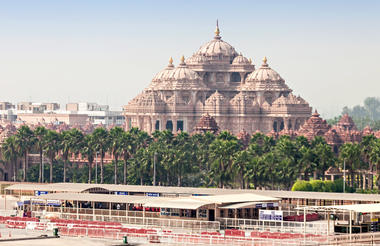

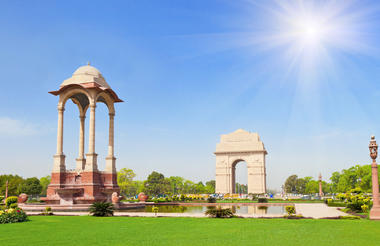
Private transfer to hotel
tourist visa
February 24, 2027 Wednesday Delhi
Mid morning we will meet our guide for our private tour of Old and New Delhi.
Humayun’s tomb, This spellbinding mausoleum is the first example of Mughal architecture in India. After a century from its construction, Humayun’s tomb inspired the construction of the more famous Taj Mahal!
Our Mughal conversation continues with a walk towards Shahjahanabad - the beautiful Mughal city built by one of the strongest rulers of the Taj fame: Shahjahan. Your chance to learn the art of perfume making in a traditional Ittar.
Explore the famous Chandni Chowk in Old Delhi. Transport 400 years back in time as you travel via rickshaw through the narrow lanes of the bustling market. Witness the architectural marvels, the multicoloured facades, beautifully decorated shops, ethnically dressed men and women.
Jama Masjid: a beautiful pocket of calm at the heart of Old Delhi's mayhem, the capital's largest mosque.
New Delhi : drive past British structures, we learn about how the British envisaged its new capital. The palpable architecture along with the deep contrast to Mughal buildings make this stop not only one for colonial stories but also a look into its architecture.
Back to the hotel to relax prior to gathering for our Welcome Dinner this evening.


Breakfast, Lunch, & Dinner
drinks/beverages
February 25, 2027 Thursday Delhi to Bandhavgarh National Park
Mid morning transfer to airport for our flight to Jabalpur. We will be chauffeured in our fleet of Toyota Innova Crysta cars, (3 guests per car) 200kms/ 4 hours to Bandhavgarh Jungle Lodge which will be our home for the next three nights.
Bandhavgarh Jungle Lodge: has been developed on the theme of an Indian village to provide a friendly, informal and relaxed environment. A lot of fruit trees and bushes have been deliberately planted to attract a variety of butterflies, birds and insects. Due to such close proximity to the Bandhavgarh National Park, spotted deer and the langur monkey can often be seen in and around the lodge. In the morning you wake up to a symphony of bird songs, while at night you can often hear the alarm calls of deer, which alerts you to a tiger or Leopard on the prowl!
We will settle into our rooms and freshen up prior to our first introductions to Wilderness of Central India. It is important to understand how national parks in India are managed and run. With a little over 20% of the country under forest cover and the ever-expanding national parks of the country, India has successfully protected the highest number of tigers anywhere in the world. There are challenges, which every country face when protecting wildlife, and we will discuss this from an Indian prospective.
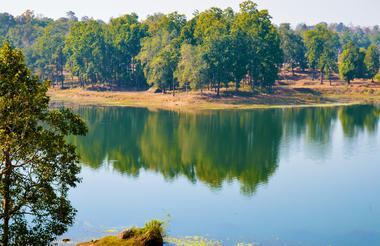
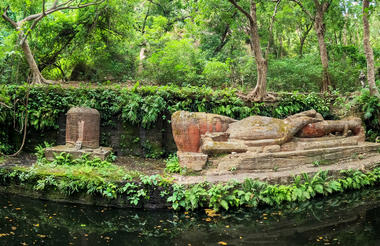
The Sankhala family owns and operates 3 of the lodges we will be going to. Their history in conservation dates back 50 years to the grandfather who was titled - ‘Tiger Man of India’ by the President of India. His contribution to wildlife, eventually lead him to be the First Director of Project Tiger, which established the national parks of India. Bandhavgarh Jungle Lodge, was one of the first lodges in Bandhavgarh, set up by Kailash’s son Pradeep who was a strong advocate of conservation through tourism. His son, Amit Sankhla continues the legacy. Imagine in early 90s when wildlife tourism was still quite unheard of, the Sankhla family opened gates for wildlife tourism and conservation in these remote areas at an international level, the locals got an opportunity to work with the pioneers of wildlife conservation and they became no less than ambassadors for Saving Tigers and forests.
February 26, 2027 Friday Bandhavgarh National Park
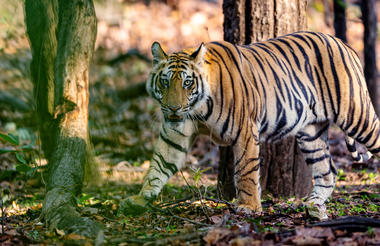
Over the next two days we will safari in Bandhavgarh National Park: Set amongst The Vindhya Hills in Madhya Pradesh, Bandhavgarh consists of 168 sq miles of Sal & a mixed forest of bamboo, grassland, and a complex of deciduous forests. Bandhavgarh is home to more than 25 species of mammals and more than 250 species of birds along with about 80 types of butterflies and a number of reptiles. Apart from the tiger, the mammals living in the Bandhavgarh include panthers, wolves, hyenas, wild dogs, gaur, cheetal, sambhar, barking deer, sloth bears and many more. Bandhavgarh has always been an excellent tiger habitat and is known for the highest density of tigers in the world. Among wildlife enthusiasts in India it is commonly said “In most parks you have to be lucky to see a tiger, in Bandhavgarh you have to be unlucky to not see a tiger.”
As soon as dawn breaks, leave for your Jungle Safari, accompanied by a resident naturalist and forest park guides in 4x 4 Jeeps. In the winter months morning safaris require warm clothes and woolen caps and gloves to keep you warm from the wind chill factor in your open jeep. We provide blankets and sometimes even a hot water bottle to keep you comfortable.
We will go back to the lodge for lunch and a bit of break before going out for our afternoon safari.
Our evenings will be kept busy with educational lectures.
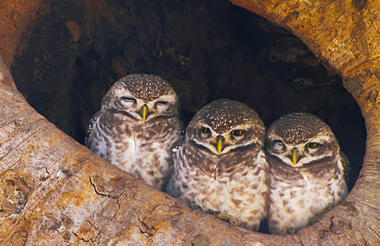
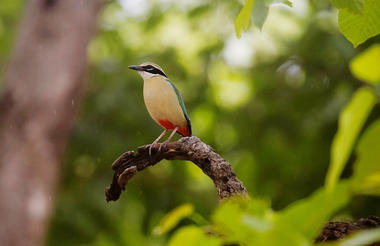
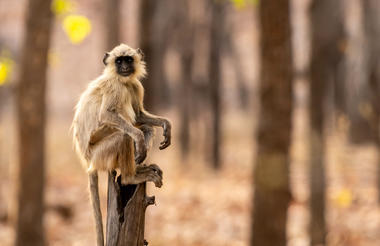
One thing that can be assured is that the highlight of staying at Jungle lodge would be people you meet here, a passionate team and many of them have been working here for as long as twenty years. From managers, to naturalists or our service team, they’re full of wildlife stories, the passion for wildlife and community can be felt when you interact with them.
February 27, 2027 Saturday Bandhavgarh National Park
SPECIAL EXPERIENCE NOT TO BE MISSED - One full day permit for Bandhavgarh National Park
HIGHLIGHT: Full day jeep safari permits provide route free access to the park for the full day at Bandhavgarh National Park.
Regular safaris permits are restricted by zones of where you can go and hours are limited. (start at sunrise till 11 AM, and then again 2:30 – 3 PM till sunset. )
With our SPECIAL ONE DAY permit, we'll benefit by time to go deeper into the park, to places beyond the regular game drive!
- No Zoning restriction
- No routing restriction
- This also allows us to be in the park from 15 min BEFORE the opening time of the park to 15 min AFTER the closing time of the park. This allows us to go further into the park, avoid the rush at the entry points. It will be a very special experience exploring the park when others cannot!


FEBRUARY 28, 2027 Sunday KANHA NATIONAL PARK
After morning safari and breakfast, we will be chauffeured in our fleet of Toyota Innova Crysta cars, (3 guests per car) 260kms/ 5 hours to Kanha Jungle Lodge which will be our home for the next three nights.
Our drive takes us through rural countryside, and colorful towns & villages. We will make a stop in the sleepy town of Mandla (sacred city for Gond tribes) where the Narmada River, (second holiest to the Ganges) is the center of activity.
We will arrive to our lodge prior to sunset.
Our evening will be spent with the camp naturalists who will give us an orientation of Kanha National Park. We will look at some maps, understand what is a buffer area and core area, get a good understanding of the areas we will do our safaris in. ,
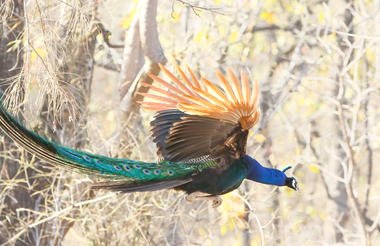
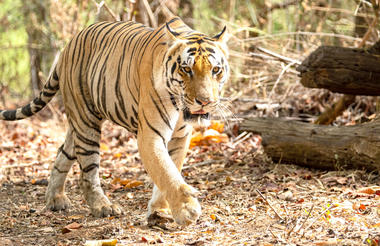
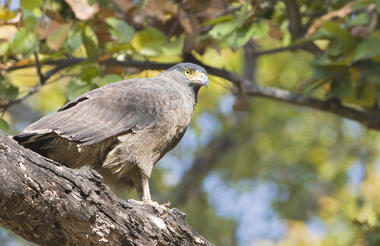
A little about your host family – A man who balances his passion for nature with his entrepreneurial spirit, Tarun has twenty years of experience in wildlife tourism. As the manager of the Kanha Jungle Lodge, he is responsible for ensuring that your stay is as comfortable and memorable as possible. He goes the extra mile by not only taking care of your logistical needs, but he takes pleasure in accompanying you on park safaris. An encyclopedia of knowledge, with a particular interest in tigers and birding, he is an incredible source of information. With wildlife in his blood, it is no surprise that Tarun’s own family represents a manifestation of his love for the natural kingdom. You may also get to meet Tarun and Dimple’s young son, Jai, at the lodge, if he is on a break from his college in Rajasthan. This young naturalist has been born and raised at the Kanha Jungle Lodge, receiving an education in warning calls, tracking skills and how to identify the abundant flora and fauna that no classroom in the world could teach him. For recess he didn’t play on the swings, but explored Mother Earth in all her glory. Kanha’s real life Mowgli is truly at home in a wildlife park.
Our lady of the lodge is a self-taught naturalist known for her never-ending interest in learning new things. And whatever Dimple learns, she loves to share with her guests. The first person to publish a book on Kanha wildflowers, she continues to research and document information on common butterflies in the area. When she isn’t taking you on bird and butterfly stroll, she is showing you the wonders of the stars through her telescope, teaching you how to savor the flavors of Indian cooking and relax your mind and body through yoga. The woman’s touch at Kanha Jungle Lodge, you will be inspired to discover all there is to learn in your own backyard.
March 01, 2027 Monday Kanha National Park
Kanha National Park: This 366 sq mile preserve was set to save two endangered species i.e. Tiger and the barasingha. The lush Sal and bamboo forests, grassy meadows and ravines of Kanha shelter a significant population of rare species such as tiger, leopard, sloth bear, barasingha, and wild dog to name a few. Perennial streams run through a number of such meadows, providing a source of water for the wildlife even in the hot summers. Kanha meadow, with its hundreds of chital grazing on a carpet of green grass against the backdrop of the majestic Sal forest, has been aptly referred to as 'ʹthe Ngorongoro of India". Kanha is particularly well known for its endangered swamp deer, or hard water Barasingha. Brought back from the brink of extinction, these handsome animals are a remarkable conservation success story for Kanha.
Over the next two days, we will go for morning and afternoon game drives into the park . One of the two days, we will have the privilege of staying inside the park for the full day. We will have our packed lunch and snacks to refuel us. The time will be precious as we can drive deeper in to the park, beyond where other jeeps cannot go, putting us within our very own nature experience. Be ready for an adventure!
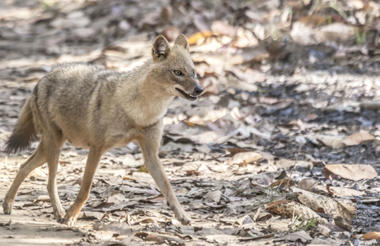
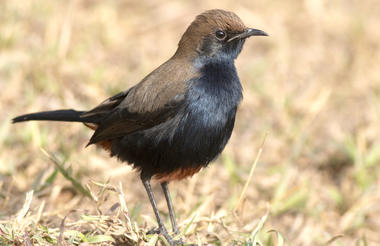
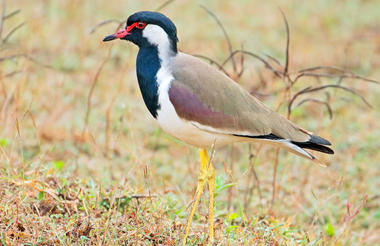
Sal trees and open grasslands dominate the lowlands of Kanha. These grasslands or also known as maidan, are results of once relocated villages under Project Tiger. This is was a country wide project launched in 1971 to protect Tigers and its' habitat. One of the initiatives was to control man animal conflict by moving villages from core areas into the buffer, so that corridors can be linked once again. Hence, these maidans are live examples of successful re-location of villages which have now turned into grasslands allowing a successful growth of prey base for predators
March 02, 2027 Tuesday Kanha National Park
During your stay at Kanha National Park, we will have another Special One Full Day permit.
HIGHLIGHT: Full day jeep safari permits provide route free access to the park for the full day in Kanha National Park.
Advantages of Full Day Permits:
- No Zoning restriction
- No routing restriction
- This also allows us to be in the park from 15 min BEFORE the opening time of the park to 15 min AFTER the closing time of the park.


We are staying with the family whose heritage dates back 3 generations in Tiger Conservation. Kailash Sankhala, was the founder director of Project Tiger, under which the inceptions of the Project Tiger Reserves in India took place. Their grandchildren run and manage Kanha Jungle Lodge and also own the travel company you are traveling with in India. We will have the first hand opportunity to interact with them and spend an evening watching the award winning documentary TIGERLAND. Made by Discovery Channel and premiered at Sundance Film Festival, focuses on two passionate people trying to save the Tiger. One of them is Kailash Sankhala.
March 03, 2027 Wednesday Pench National Park
After morning safari drive, and early brunch, we will be chauffeured in our fleet of Toyota Innova Crysta cars, (3 guests per car) to Jamtara Wilderness Camp which will be our home for the next two nights.
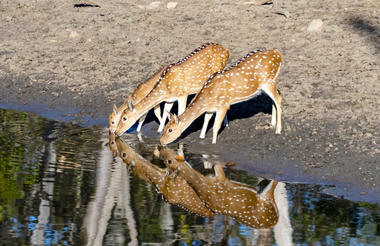
The Satpura-Maikal region consists of seven tiger reserves and five corridors stretching through three states (Madhya Pradesh, Maharashtra and Chhattisgarh) in central India. The area is one of the country’s strongholds of wildlife protection and natural resource-based livelihoods. Within this large region sits the Kanha-Pench landscape, which includes Kanha and Pench Tiger Reserves and the forested land between them in Mandla, Balaghat and Seoni districts in Madhya Pradesh. The Kanha-Pench landscape has been the focus of extensive and diverse research conducted in the region, as well as active government support to establish the region as a wildlife corridor,


March 04, 2027 Thursday Pench National Park
Early morning game safaris in 4x4 open jeeps. Local guides and naturalists are at hand to enhance the experience.
After lunch procced for afternoon safari.
During the evenings before dinner, we will organize talks on the following subjects:
- The Diversity of Indian Wildlife – Africa boasts the Big 5, but traditionally, India has many of the species Africa has. The Asiatic Lion, Tigers, Leopards, Snow Leopards, One Horned Rhinos, Wild Elephants, Wild Buffalo, Wild Dogs, Striped Hyena, etc. + 1200 species of birds. India has every kind of terrain – The Mountains, Desert, Rainforest, etc. hence its interesting to study how our forest department patrols, study’s species throughout these landscapes. The idea is to look beyond central India and see what India as a whole has to offer.
- Project Tiger - You are staying in the lodges which are owned by the grandson of founder director Project Tiger which was started by Indira Gandhi during her tenure. This project, made the Project Tiger Reserves of the country. We will study how Project Tiger came about, and weather this initiative has been successful. One of the main aims of the Project was to remove villages from inside protected areas, while reducing man animal conflict to a minimum. We will address this issue and talk in more detail while being amongst lodge staff who all come from the nearby tribal areas and at one time thought that wildlife was a menace.
- Wildlife Corridors – The Jungles of Central India, were some of the biggest networked jungles 50 years ago. Development has resulted in dividing these corridors for development of highways and even mines. Court battles have been fought between forest department and National highway authority. We will study one of these cases and what the take of our government is, on all these issues. When we drive from Pench to Kanha, we will see the live result of what we talk about.
- Community Partnerships - Why it is important to put our communities that live around these parks on the center stage. These communities will still be here long after we are gone as travelers. It is important to empower them with the right tools in conservation.


Star Bed Concept - For generations, the villagers have spent their nights in the fields on machans (beds made on raised platforms), to keep a watchful eye on the animals eating their crops. We at Jamtara, wanted to take this opportunity to let our guests have this unique experience that the villagers have on a daily basis. The forest takes on a different life of its own under the night sky. Sleeping in the fields with the stars overhead and being witness to the live orchestra of crickets, owls, frogs, jackals, ceremoniously punctuated by the alarm calls of the spotted deer, making you aware of the predator’s presence. It is wilderness in its purest form.
There is a greater purpose to this experience – a vision to re-establish this corridor, and simultaneously support the local community. A quick look at the map and we can tell that the village of Jamtara, has been farmed in an eighty-acre land for well over a century. Before the settlement of the farmers in this part of India, the land was part of a continuous jungle, which is now the core and the buffer. We aim to reclaim the eighty acres of farmland to make it a part of the forest once again. We believe we can achieve this by guaranteeing the locals a steady income through alternative jobs. Once the land is left untouched, it will organically reinstate itself into a forest, with wildlife thriving in it. The villagers can be made guardians of their own lands, where various models of tourism like the Star Bed concept, can be set up for unique and authentic wildlife experiences.
Please advise Civilized Adventures if this is of interest to you .
March 05, 2027 Friday Delhi
After morning safari, transfer to Nagpur airport to board the flight to Delhi.
6E-2223 (Indigo Airline) Nagpur/Delhi 1840/2020 hrs
Upon arrival at Delhi, transfer to hotel for your final night in India.
Stay overnight at Delhi.


March 06, 2027 Saturday Kathmandu
After breakfast, short transfer to Delhi International Airport to check-in for our flight to Kathmandu, Nepal
Flight 6E #1153 departs 10:10am arrives 12:15pm
We will be met by our Nepali guide and transferred to our hotel.
Later afternoon, walking tour of Thamel and get a feel for the early evening vibe of the tourist hub of Kathmandu.
Early dinner at a local restaurant . We will be back to our hotel by 8 pm.
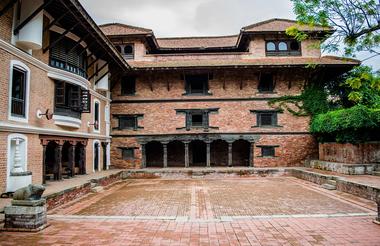
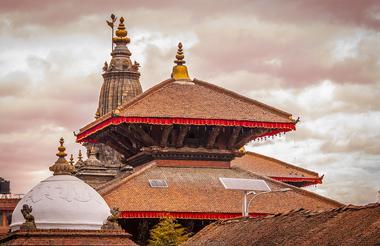
Kathmandu: Recognized as one of the oldest continuously inhabited places in the world, Kathmandu’s history dates back to the 2nd century CE. It has been the cultural, religious and political hub for the Newar, the indigenous people. Kathmandu served as the royal capital of the Kingdom of Nepal and is home to numerous palaces, temples, stupas and monasteries reflecting its rich heritage.
Kathmandu remains the epicenter of Nepal’s history, art, culture, and economy.

Breakfast & Dinner
Lunch
March 07, 2027 Sunday Kathmandu
Early morning start for those who wish to take FLIGHT TO MOUNT EVEREST. (OPTIONAL and additional cost US$300 per person)
Morning around 4.45 AM Pick up for the Everest Mountain flight (please note that reporting an hour before the flight is mandatory). We will have a flight at 6 AM with BUDDHA AIR. Flight participants will return back to the hotel for breakfast 7:30- 8:00am ish.
This morning we will visit Patan City (UNESCO World Heritage Site) : the most ancient city of Kathmandu valley, Patan is also known as Lalitpur, the city of fine arts, and is about five kilometers southeast of Kathmandu. The city is full of Hindu temples and Buddhist monuments. The whole Durbar Square (ancient Royal Palace complex) is a UNESCO World Heritage site. There are several temples in the Square. There is a 16th-century Krishna temple that is entirely made of stone, with rare stone carvings on its walls. Other landmarks within the Square are Tusha-hity (water spout), Sundari Chowk, Taleju Temple, and the Keshav Narayan Chowk. The Hiranyavarna Mahavihar (Golden Temple) is also a short walk away. Patan is also known as the metal city, and the Himalayan Healing Bowls are made here. The bowls have been used for meditative and medicinal purposes for over two thousand years and are used to relax, unwind, and cleanse/balance our Chakras (the seven energy centers in our body). Guests can have Healing Therapy if interested.
After lunch, we will visit Boudhanath Stupa (UNESCO World Heritage Site), the largest Stupa of Nepal and one of the holiest Buddhist pilgrimage sites in the world. It is built on a flat surface of various levels of terraces adorned with prayer flags. The unique aspect of this great Buddhist monument is that it is set in an octagonal Mandala design based on a cotton hand-painted painting known as a Thangka. It is believed to have been constructed in the fifth century and is said to entomb the remains of Kasyap Rishi, a sage respected by both Buddhists and Hindus. We will also visit a Thangka Painting School run by a cooperative that empowers women by teaching them to paint. Another notable aspect of this area is the presence of about 29 Tibetan Buddhist monasteries and over 400 houses of Tibetans around it. Hence, it is also known as Little Tibet.


Lunch at local restaurant
Dinner at our hotel
Guest Speaker- Archana Nepal on "Women Empowerment in Nepal"
March 08, 2027 Monday Pokhara
Mid morning flight from Kathmandu to Pokhara. ( 25 minutes )
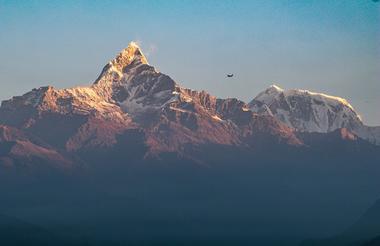
Pokhara is located 200 kilometres (120 miles) west of the capital, Kathmandu, on the shore of Phewa Lake, and sits at an average elevation of 822m/2696 ft above sea level. The Annapurna Range, with three out of the ten highest peaks in the world—Dhaulagiri, Annapurna I and Manaslu—is within 15–35 miles (24–56 km) aerial range from Pokhara Valley, making it the most popular trekking destination in Nepal. The tourist hub of Lakeside boasts fantastic shopping, from Nepali handicrafts to Tibetan jewellery or locally made pashminas, as well as arts and textiles from across South Asia.
We will have a brief tour of Pokhara and a light lunch by the lakeside. Late afternoon, we will drive up to Sarangkot Mountain Lodge where we will spend our next 2 nights.

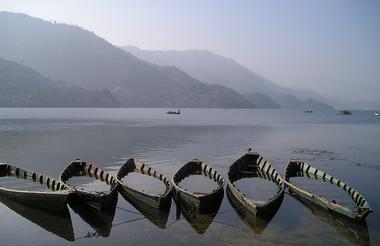
The city is also home to the famous ethnicity, the Gurungs, majority of whom are the elite Gurkha soldiers, who are also recruited for the British Army, Nepalese Army, Indian Army, Gurkha Contingent Singapore, Gurkha Reserve Unit Brunei, UN peacekeeping forces and in war zones around the world.
Lunch at Lakeside
March 09, 2027 Tuesday Pokhara / Sarangkot
Famous sunrise from your private balcony in the clean, crisp mountain air. (If clear sky, we will have a view of the Western Himalayan Range comprising of Dhaulagiri 8167m/26794ft (7th Highest Mountain in the world), Annapurna 1 8091m/26545ft(10th Highest Mountain in the world) and Manaslu 8163m/27781ft(8th Highest Mountain in the world).
Today is a leisure day- you can explore the surroundings at our own pace.
Some optional tours, such as nature hike for scenery, butterflies, birds, and flora, will be organized. Your chance to enjoy the spa, or possibly spend the afternoon on the deck, breathing in the crisp air and sipping your choice of beverage. (check out Expert Tips)
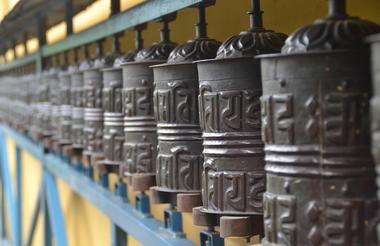


There are many fabulous day hikes that can be done, particularly convenient from Sarangkot Mountain Lodge with the forest on its doorstep. We can customize a bird and butterfly watching tour with a resident naturalist and expert on the over 400 species of local birds in the local forest. Another fun way of soaking up nature is on a pony ride, or for a more active day out, you can take out bicycles and cycle along the ridge of Sarangkot.
- One of the many day hikes accessible from Sarangkot Mountain Lodge, a visit to historical Kaskikot (178o m), the ruins of the old palace from the Shah dynasty can still be seen in the village.
- Bicycles are available for our cycling enthusiast guests. You can ride along the ridge and around Sarangkot for some fresh mountain air and exercise. Guides are available to go on a short cycling tour by arrangement.
- This day hike to Australian Camp (2055 m)is one of the best ways to have a taste of both Trek and Mountain view without having to venture far.
Breakfast, lunch & dinner at the lodge
March 10, 2027 Wednesday Chitwan National Park
Fly from Pokhara to Chitwan (20 mins). We will be greeted and driven to our lodge. (1 hr.)
Our hosts will serve us lunch and give us an orientation to lodge and our program for the next three days,
Later this afternoon, we will go out via our boats on the gentle Rapti River to enjoy this natural paradise.
Return back to our lodge to freshen up prior to dinner.


Chitwan National Park is the first National Park of Nepal. The area comprising the Tikauli forest from Rapti River to the foothills of the Mahabharat extending over an area of 175 km2 was declared as Mahendra Deer Park in 1959. The area south of the Rapti River was demarcated as a Rhino Sanctuary in 1963. It was proclaimed as Royal Chitwan National Park with an area of 932 km2 in 1973.
In recognition of its unique biological resources of outstanding universal value, UNESCO designated Chitwan National Park as a World Heritage Site in 1984. In 1996, an area of 750 km2 surrounding the park was declared a buffer zone.
March 11, 2027 Thursday Chitwan National Park
Chitwan National Park is home to 68 species of mammals, 56 species of herpeto fauna and 126 species of fish. The park is especially renowned for its protection of One Horned Rhinoceros(694 in number) Royal Bengal Tiger(128 in number) and Gharial Crocodile. The park harbors not only the world’s largest terrestrial mammal (wild elephant) but also the world’s smallest terrestrial mammal (pygmy shrew). A total of 544 species of birds has been recorded , including 22 globally threatened species including critically endangered Bengal Florican, Slender-billed Vulture, White-rumped Vulture and Red-headed Vulture.
Morning game drive starts with short boat ride across the river where our safari vehicles await. We will spend the next 4 hours looking for what ever wildlife can we find.
Back to the lodge for lunch.
After lunch, we can go for a village walk to learn about the culture and traditions of the indigenous people of Chitwan, the Tharu.
Late afternoon game drive in the park.
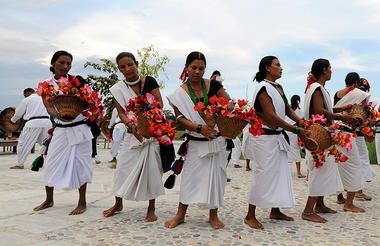
This evening 's entertainment will be a cultural performance .


March 12 , 2027 Friday Chitwan National Park
Today is yours to enjoy as you like:
- More safari activities - boat or jeep safari, bird watching and jungle walk!
- Leisure time at the spa or pool,
- Cycle into the village to meet the local villagers.
- Denell will assist to coordinate your extra activities as per your choice .


Note that birding excursions are limited -- please tell Civilized Adventures of your interest well in advance
March 13, 2027 Saturday Kathmandu
Bid farewell to the fine staff at Barahi Jungle Lodge. Transfer to airport for your flight to Kathmandu. Afternoon free for your independent activities in Kathmandu.
Tonight we'll gather for our Farewell Dinner.
Farewell Dinner
March 14, 2027 Sunday
Leisurely time at our hotel. Later afternoon we transfer to the airport to begin our homeward journey.
Flight route will be determined by which fits your requirements best. Civilized Adventures is here to assist you.
Optional extensions for your consideration :
- Bhutan
- Thailand
- Singapore