


Every Friday: Arrival in Ezeiza Airport. Transfer to hostel. Check in, welcome drink and free day

In Southern South America you will definitely need to stay connected via WhatsApp.
Travel with the affordable e-SIM. It allows you to use maps for navigation, communicate with tour and transfer services via WhatsApp, and keep in touch with friends and family.
Find a suitable data plan here:https://global.celitech.com/?referenceid=190626HIT
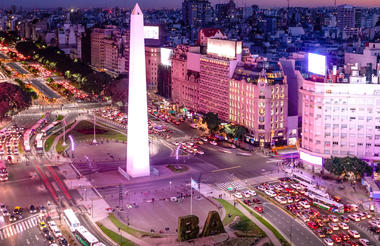
Be ready to do a Bike Tour and get a glimpse of what Buenos Aires has to offer.
Visiting iconic landmarks, neighborhoods, streets, squares and monuments. Including our Tango’s cradle the colorful Caminito; Boca Juniors Bombonera stadium; San Telmo; Plaza de Mayo; also the newest BA’s district Puerto Madero.
Along the tour, you will stop to rest and take pictures while your guide explains the history behind BA symbols.
DURATION: 3,5 HS (APROX.)
Available every day at 10 am


Be ready to continue exploring and diving deeper into Buenos Aires culture.
Walking / Street Art & Graffiti Tour
An immersive walk through Buenos Aires' most vibrant street art neighborhoods, led by a local guide who brings the city's murals, history, and urban culture to life. Groups explore colorful barrios on foot, hearing the stories behind the artwork and the social movements that inspired it — a perfect mix of culture, photo opportunities, and local flavor that always resonates with younger travelers.


Beggining of your volunteer days in South America.


2 Weeks Volunteering in Buenos Aires - Argentina
You have 2 weeks to give the most of you for others. Choose between this 5 programs to have a meaningful aproach to your travels.
1. “SOPA” Project
This program invites collaboration in distributing food to people experiencing homelessness three nights a week at various locations in the city. The activity begins in Parque Patricios, where volunteers participate in meal preparation before heading out in cars to distribute food in different areas. The food distribution also includes a moment to share, converse, and understand the situations of the people.
The project is carried out alongside a religious-based organization, but participation is completely open and does not require sharing beliefs—only a commitment to solidarity and respect for others. Those with an intermediate to advanced level of Spanish will also be able to join other complementary activities that the organization conducts to support these individuals beyond food assistance.
2. Community/Soup Kitchen
This Community Kitchen is located in Villa 21 and is part of a Community Center that assists the most disadvantaged populations in the area. It includes various activities such as a kindergarten, playgrounds, educational support, and workshops.
The kitchen prepares meals for the kindergarten and for local residents. This organization works with families and children from newborns up to 3 years old, supporting their growth and development with a team of professionals and social workers. Founded in 1994, the
Community Center started as a community kitchen and expanded to include a kindergarten with the help of local mothers.
Volunteers can help with various tasks, such as assisting women in the kitchen (washing and chopping vegetables), preparing desserts for the children, and helping with cleanup after the meals are served.
The community kitchen is open Monday to Friday, from 7:00 a.m. to 2:00 p.m. The project is not available during the last week of December or the first week of January.
3. Teacher's Assistant in a Kindergarten
The three kindergartens in Buenos Aires where one can volunteer are located in José León Suárez and Villa 21. The teachers care for and educate about 60 children aged 2 to 5 years. Volunteers can assist teachers in the classroom, interact with children through games, songs, drawings, and workshops, help take care of them, and plan activities for the kindergarten. They can also teach the children numbers, the Spanish alphabet, their first words in English, etc.
The kindergarten operates Monday to Friday from 9:00 a.m. to 1:00 p.m. Volunteers usually work 3 to 4 days a week. This program is not available during the summer holidays in Argentina (mid-December to March) or during two weeks in July (winter holidays).
4. MILPA Agro Ecological Community: Pacheco
This Community Center, located in Pacheco, Buenos Aires, helps local youth learn the trade of gardening and landscaping, framed within agroecology as a science, social movement, and practice. The main goal is to empower them with skills for employment, increase their confidence, and grow surrounded by a community way of life.
As classes are held inside and outside the community, both volunteers and students will learn by visiting other community centers and cooperatives that sell organic fruits and vegetables, as well as fair trade organizations. The harvest and sale of organic products take place at neighborhood fairs during the last months of the course.
Volunteer activities include (depending on experience and level of Spanish):
● Assisting in workshops on tasks, art, and gardening for children at the nearby Health
Center.
● Assisting in gardening workshops for adults at nearby Health Centers.
● Assisting in gardening and landscaping courses at the MILPA Center.
● Helping with lunch for workers and coordinators in the Pacheco community.
● Participating in assemblies and coordination tasks at MILPA.
● Helping in the agroecological store and market (once a week) by selling and
organizing the space and food.
The Center is open year-round; however, during winter (July-August), there are fewer
outdoor activities.
5. English Teacher
Volunteers are expected to assist teachers in the classroom. Classes are held Monday to Friday in the afternoon and on Saturday mornings. Students attend classes twice a week, and depending on the course, classes last 60, 75, or 90 minutes.
Volunteer activities include:
● Planning lessons and following the curriculum established by the teacher.
● Assigning and correcting homework.
● Monitoring progress through exams.
● Writing school reports.
● Preparing students for international exams when necessary.
● Serving as a role model and mentor for students, acting as a responsible adult and
maintaining discipline.
It is very important to be creative and enthusiastic with students so they continue studying and want to learn more. Volunteers are teaching them much more than just a language.
This project is not available during December, January, February, or for two weeks in July, as
these are school holidays.
Breakfast and check out. End of Buenos Aires volunteer experience. In the evening find your own way to the Bus Station (Retiro) to take the night bus to Salta.
Arrival to Salta airport and make your own way to the hostel. Check in and contact with the volunteer project.


Impact Stop - Puma Rescue Center - Cordoba
PUMA´S RESCUE CENTER IMMERSION DAY
This is a unique opportunity to connect with Argentina’s wild heart and make a tangible contribution to conservation.
Are you ready to step into the world of the puma?
About the project:
We are non-profit organization dedicated to the conservation of our environment. The main objective is to create a connection between man and nature; through this connection people develop compassion and a sense of responsibility towards Mother Nature.
The puma is our emblem. We strive to create awareness of the puma’s condition in Córdoba as well as the rest of the country. Through education and investigation, we have created different programs to improve the status quo of the flora and fauna that enrich the puma’s habitat. The puma being not only an umbrella species is a keystone species; the biodiversity and abundance of other species is directly linked to its presence.
We receive animals that were trapped, while others were part of the exotic pet traffic. Some of them are injured and must live at the reserve for ever but some others can live free in their natural environment. We are also home of other rescued animals such as the indigenous Eagle (Geranoaetus melanoleucus), ferrets (Galictis cuja), monkeys (Alouatta Carayá), Llamas, Mayocastor coypus, peacoks, rabbits, hens, owls, ducks, parrots, etc.
The location
The projects is located in the scenic Calamuchita Valley of Córdoba, is a cherished Argentine destination famous for its stunning natural environment, which perfectly blends mountains, valleys, and the vast Río Tercero Reservoir. Known locally for its relaxed, family-friendly atmosphere, the town’s primary appeal lies in its opportunities for aquatic sports (such as kayaking and fishing), breathtaking panoramic views, and peaceful lakeside beaches.
What to Expect on Your Immersion Day: Join us for a hands-on, inspiring day where you actively contribute to conservation efforts.
Morning Kick-off / Mate & Mission Briefing: Start the day with a traditional mate session. We’ll explain the project's core objectives and share our latest investigation metrics and conservation goals.
Mid-Morning / Guided ReserveTour: Walk the grounds as we share the unique, powerful story of each puma and the other resident animals who call the reserve home permanently.
Afternoon Task Assignment / Hands-On Volunteering: We will assign tasks based on the day's needs. Activities may include feeding the farm animals, cleaning animal habitats, reforesting native species, maintaining the organic garden, painting, or trail maintenance.
Late Afternoon / Snack & Relaxation: Enjoy fresh drinks and a snack with the team. You'll then have some free time to unwind or take a peaceful walk toward the lake.
Evening / Shared Dinner: Conclude the day with a communal dinner alongside the local team, where we'll exchange life stories and reflect on the day's impact.
Pack Smart for Your Adventure:
Simple and comfortable clothes, Long trousers, bermudas, T-shirts & shirts with long and short sleeves, sweatshirt, sturdy shoes, boots or willies, sunglasses, hat or cap, sunscreen lotion, mosquito repellent.
Accommodation
Private ensuite Apartments (in case you stay more than one day)
Our private apartments are located directly within the natural reserve, providing a simple and practical place for your stay. Each apartment is equipped with the following basic amenities: ✓ Double or single Beds. ✓ Private bathroom ✓ kitchenet. ✓ Free Wi-Fi. ✓ Bed linen. ✓ Hot and cold air conditioning.


Impact Stop - Day At a Community Kitchen - Cordoba
Make a Difference, One Meal at a Time!
This is more than just volunteering; it's a chance to fuel the future of 100 children with nourishment, stability, and
love.
Join us for a powerful day where you become the heart of a local community kitchen (comedor). You’ll help prepare
and serve daily meals for 100 children from a vulnerable neighborhood in Córdoba, providing a safe space and a source
of hope. Every minute of prep and every smile shared is an investment in these young lives.
About the Project: Karina's Legacy
The history of this project begins with the immense generosity of one neighborhood woman: Karina. Driven by deep
concern for her neighbors, Karina transformed her own small kitchen into a lifeline, selflessly raising funds and
preparing meals for over 100 children living in her community. Are you ready to spend a day that truly matters? Join
Karina and help feed the future of Córdoba
The Location: Chacras de la Merced, Córdoba
The project is located in the urban-rural area of Chacras de la Merced, in the northeast quadrant of Córdoba City. This
community faces unique and significant socio-environmental challenges.
Historically, this area was a horticultural hub, but contamination from the city's Sewage Treatment Plant in the mid-
1980s prohibited cultivation, eliminating many local jobs. Today, Chacras de la Merced lacks basic public services,
proper road infrastructure, and reliable public transportation, making accessibility and economic stability difficult.
Your presence directly supports a community struggling for resources and recognition.
What to Expect on Your Impact Day
Experience the warmth of Argentine community life and contribute meaningfully with this hands-on schedule:
Morning / Kick-offWelcome & Community Story: Take a 30-minute ride on a local bus to Karina’s house. She will welcome you with
traditional mate and fresh-made bread while sharing the inspiring story of her neighborhood and the challenges the community faces.
Mid Morning / Cooking Together: Get Hands on! Work as a team following Karina´s instructions to prepare the day´s meal for the 100 children. This is a true cultural exchange centered on food. -on!
Midday / Meal Distribution: The children will arrive at the house to receive their food and take it home. This is the most rewarding moment where you witness the direct impact of your efforts.
2:00 PM / Lunch & Farewell: Say goodbye to the children, share a family lunch with Karina and her family, and reflect on your impactful day.
3:00 PM / Bus Back to the City: Depart on the local bus, carrying the unforgettable memories of the community with
you.
Free day in Cordoba to rest or to do any optional activity.


Check out. At the right time, be at the bus station to take the night bus to Salta.
Arrival in Salta in the afternoon. Find your own way to the hostel. Check in and free day.


Free day to relax or to do optional activities like visiting Cafayate or the Salt Flats. Alternative you can spend the day and the night at Afarcito School Complex


Morning
Cafayate and Villages Day Tour
Morning
Check out, go to the bus station to take the Bus to Tilcara. Take a taxi, find your own way to Ramona´s home in MAIMARA (13 minutes drive) and begin your experience.


Impact Stop - Community Home in Maimara - Jujuy, Northwest Argenitna
LA ESTRELLA FAMILIAR – RURAL EXPERIENCES
A REAL TASTE OF LIFE IN THE ANDES
La Estrella Familiar grew out of the simple, genuine hospitality that is part of everyday life in Maimará.
It all started when we opened our home to friends and visitors coming to enjoy the celebrations of a local comparsa. Over time, and with training in rural tourism, what began as a small family initiative grew into something more.
Today, we invite travellers into our home to experience something very different from a traditional tour: the everyday life of a local family in the Quebrada de Humahuaca.
With Ramona and her family, you won't just watch from the sidelines. You'll become part of the day.
You might help herd the goats, learn how homemade goat cheese is made, work in the vegetable garden, feed the chickens or lend a hand preparing a traditional family recipe.
And, of course, everything eventually leads back to the table, where we'll sit down together and share food made with ingredients grown or produced right here at home.
This experience is perfect if you're looking to slow down, get away from the crowds and spend some time connecting with the land, the animals and the rhythms of rural Andean life.
MEET YOUR HOST: RAMONA
My name is Ramona Rodríguez, and my story is deeply connected to this land.
I was born near the Pucará de Tilcara and grew up among the mountains of Maimará and Huichaira, helping my mother with everyday farm life. She was the hardest-working person I've ever known, and from her I learned how to raise goats, grow corn and potatoes, and appreciate the simple reward of picking the best fruits after months of hard work.
My professional life later took me to small villages across the Puna of Jujuy, but in 2017 I felt it was time to come home to Maimará for good.
Today, I spend my time doing what I love most: looking after my goats, making cheese from their milk and growing vegetables for my family's table.
I first opened my home to guests during Carnival in 2018. There's a famous local comparsa just a block away, founded in 1950, and every Carnival people come from all over to join the celebrations.
I had a few spare rooms, so I decided to prepare them and welcome my first guests.
It turned out to be a wonderful experience for my whole family. We discovered how much we enjoyed meeting people from different places and sharing our way of life with them.
Since then, whenever someone stays with us, we don't really treat them like a hotel guest.
We welcome them as someone coming to visit our home.
WHERE ARE WE?
You'll find us on Belgrano Street, in the San Francisco neighbourhood of Maimará.
It's a peaceful part of town, where water still runs through the traditional irrigation channels and feeds the gardens and small plots of land surrounded by native molle trees.
The easiest way to reach us is via the northern entrance to Maimará, along Bernardino Rivadavia Street. We're just three blocks from the intersection of Belgrano and Rivadavia.
RURAL EXPERIENCES
LIVE IT. FEEL IT. SHARE IT.
Come spend some time at our home and join us in the things we do every day.
We live close to the land. We have a vegetable garden, goats and chickens. We make our own cheese from the goats' milk, and the eggs from our chickens go straight to the family table.
You don't need any farming experience at all.
That's actually the whole idea.
Come as you are and join the rhythm of country life, our routines and our traditions.
You can spend a morning with us, stay for the afternoon, enjoy a full day, or even sleep over in one of our simple but comfortable rooms and completely switch off for a while.
It's a chance to discover what everyday life really feels like in this corner of the Quebrada.
WHAT WILL YOU DO?
We'll welcome you into our home, introduce you to the family and tell you what's happening that day.
Activities change depending on the season, the weather and what needs doing around the house and farm, so every visit can be a little different.
You might:
- Feed and spend time with our animals – including our cheeky goats, chickens and loyal dogs.
- Get your hands in the soil and help with seasonal work in the garden.
- Learn about everyday rural life and traditional farming practices.
- Help prepare a local recipe while discovering some of the stories and traditions behind the food.
- Experience the simple pleasure of slowing down and doing things at the rhythm of the countryside.
And when the work is done, we'll sit down together.
Depending on the experience you choose, we'll share a snack, lunch or afternoon mate and something to eat.
Because around here, some of the best moments happen around the family table.
THE EXPERIENCE – STAY WITH US
Arrive at around 2:00 pm and start your stay by sitting down for lunch with the family.
Afterwards, settle into your room and join us for the afternoon's rural activities.
Stay overnight in our home, slow down and experience the sunset and peaceful evening atmosphere of rural Maimará.
This isn't a hotel stay – it's a chance to spend some real time with a local family and experience everyday life in the Quebrada.
HOW DIFFICULT IS IT?
Easy.
You don't need to be particularly fit and you definitely don't need any previous farming experience.
Ramona will show you what to do and guide you along the way.
Just remember: this is real country life.
You'll be around animals, plants, soil and gardens, so don't wear your best clothes. There's a pretty good chance you'll leave with some dirt on your shoes, clothes or under your fingernails.
That's part of the experience.
Say farewell to Ramona and family and return to Salta taking the bus in Tilcara to be ready for your next step of the trip, San Pedro and the High Plateau or Puna. Free day in Salta


1 am or 6 am Salta to San Pedro de Atacama bus, depending on day or time of the year. Arrival in the morning or in the evening. Find your own way to your accommodation at San Pedro Backpackers.
Important Note: Bus timetable between Salta and San Pedro can have sudden variations in date and time, so be prepared to adjust your final departure times to the existence of services
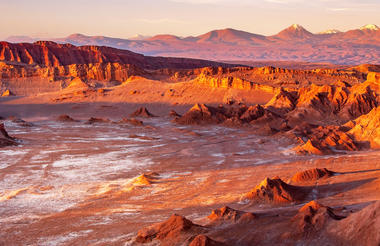
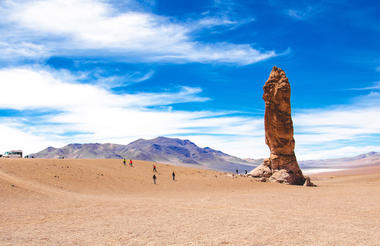
Free day to relax or taking optional tours like Moon Valley or Astro Photography tour.
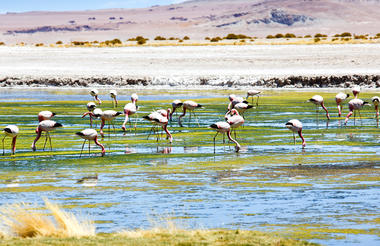
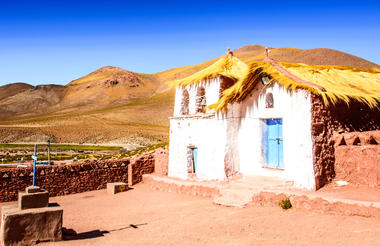
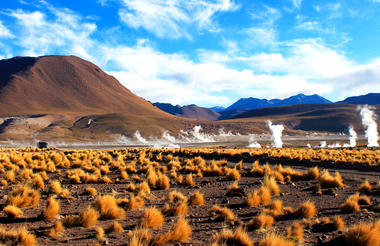
Geysers del Tatio Excursion: You will be picked up at the hostel between 4.30 and 5 am depending on season to be able to admire the driest and highest desert in the world. The road will take you between hills and mountains of the tough Andes range until you reach the geothermal site of the Geysers, 1 hour and a half after departure. There you will be able to admire the out of this world Geysers, fumaroles and steaming craters that show the volcanic activity of the region. The Geysers reserve is located at 89 km from San Pedro and 4.230 meters above sea level. So temperature is low in summer (-6 degrees Celcius) and even colder in winter (july-august) (-20 degrees Celcius). It is very important to take warm clothes and plenty of water to help your body adapt to such a high altitude. Breakfast is offered viewing the geothermic field and on the way back there is a short stop at Machuca Village. Back to San Pedro hostel at about mid day


Morning
San Pedro – Uyuni Overland 1st day
6.30 am - 7 am pick up at your hostel for the beginning of the San Pedro to Uyuni Overland. There is a stop at the border to go through Chilean immigration before departing San Pedro. After a short but nice ride the minibus reaches Hito Cajon, the border with Bolivia and in the foothills of the Licancabur Volcano. There you will change to the Jeep 4WD you are going to use until the end of the overland and have breakfast meeting your driver and other staff. They almost don´t speak English and even their Spanish is basic but are normally very friendly and helpful. This is the beginning of the real adventure. The vehicle will ride along deserted landscapes, climbing higher and higher without even noticing it is happening. You will see lagoons with plenty of wild life (Red and White lagoons), huge white topped mountains and volcanoes, and altiplanic plains while you talk to your companions and learn about their travels. Lunch is provided at a place of hot springs and after that, the second part of the day takes you to the Sol de Mañana Geysers and finally to Laguna Colorada, where more than 30.000 flamingoes nest every year. The night will be spent at Huaylajara or Villamar at a family or communal hostel. Basic but clean and enough to sleep and eat to be ready for next day! Attention, this 1st day you will reach 4.500 meters above sea level, so take into account the many tips to avoid “soroche”.
Important note: The Bolivian High Plateau, also known as the Puna, is a remote region with limited services, scarce water, no electricity in many areas, and a local culture very different from what most travelers may be used to. The landscapes are breathtaking, and the journey is unforgettable — but the itinerary is subject to change at any time due to weather conditions, road closures, or limited availability of accommodations. Schedules are flexible, food is simple (not gourmet), and both the altitude and the vehicles can be uncomfortable. The salt flats may be flooded, requiring alternate routes.
If you're approaching this trip with expectations of punctuality, comfort, and polished service, you might not enjoy it. But if you come with an open mind, understanding the limitations of the region and its people, you'll likely have the adventure of a lifetime — and take home some of your best travel memories.
San Pedro to Uyuni Overland Tour
To read before travelling.
This San Pedro to Uyuni overland is a true adventure, one you won´t forget. But if you are looking for a comfortable air conditioned seat, smooth paved roads, swiss punctuality and perfect information in your mother language, you may re think your destination.
The landscapes are incredible and unique but also extreme and rough.
People with high blood pressure and heart conditions should check with the doctor before coming.
The altitude reached is 4.900 meters above sea level. The lack of oxygen may affect people in some way or another. You need to be prepared to follow some advices to reduce the effect of altitude to the minimum, in order to enjoy the trip. Ref the age, it is not a matter of years but attitude and some minimum fitness.
In the extreme conditions of dirt and stone roads, things can go wrong: a flat tire, a cable burned, a broken battery, so schedules may need to be changed. Drivers have the experience to take you safely to destination but be open to changes in times, accommodation and meals places.
Although it is a desertic high plateau, it can rain and conditions in roads and in the salt flat can change rapidly, so again changes must be expected.
Drivers and other staff in Bolivia have not the education you have. They almost don´t speak English and Spanish is their second language. They speak quechua. Don’t expect a lot of information and communication. But they really know what they do. They look for you, adapt to changing situations, give advices when sick, prepare the food, book accommodation, look for the best times to be at destinations, and generally speaking, always try to help you to have an unforgettable time. Comparing to this, their different education is just another color of the adventure and the cultural immersion.
Accommodation standards: Close to the salt flat, accommodation is in a Salt Hostel or Salt Hotel. Close to the Lagoons and Avaroa National Park accommodation is a communal hostel taken care by village families. Basic but clean and comfortable enough to rest and continue the adventure.
Some useful tips for the overland:
If you are taking the trip from San Pedro to Uyuni, get some Bolivianos before the trip, you will need to pay entrances to National Parks and they only receive national currency. You may change at the entrance of the park but the exchange rate will be horrible.
Bring toilet paper or fresh baby towels with you, toilets are available only in specific places along the road, usually they don´t have paper. In the desert: “inca toilets”!
The night before the beginning of the trip, try to avoid smoking, red meat and alcohol. The 1st day of the San Pedro trip or the 3rd day of the Uyuni – San Pedro direction, the cars get to an altitude of 4.900 meters. During the trip try to eat light and drink a lot of water to help your body to adapt to thin air. If despite the preparation you get “soroche” or “apunamiento”, don´t panic. It can be uncomfortable but your body will finally adapt. Common symptoms are headache, dizziness, nausea, and bad humor. Think positively, do everything slowly, breath calmly and drink lots of water. It is a good idea to buy some “soroche” pills before the beginning of the overland. If you don’t need them maybe a travel companion does!
If you are coming from La Paz or from San Pedro (and visited high places like the Tatio Geisers) your body may be already adapted to altitude and you will feel less its effects.
Try to avoid the last seats. You will end up switching with your companions but be aware that the last seats vibrate more and affect you more.
Accomodation is basic but clean and comfortable. A hot shower costs 10 Bolivianos so mind this money (less than 2 USD) if you want to refresh from dirt road.
Bring clothes for 30 degrees Celcius and 0 degrees Celcius the same day! Depending when you are travelling, weather can be extremely unpredictable. It is normally hot but in the rainy season (DEC-FEB a bit of MAR) storms can appear suddenly. Also take into account that every 180 meters, the temperature reduces 1 degree. Do the math and calculate the temperature when you are between 3.500 m and 4.900 m. So pack your swim suite along with good boots, polar clothes and a good jacket. Use the onion layers technique to adapt to ever changing temperature.
Plus: Bring sunscreen, sunglasses, trekking shoes, a hat and again enough water (Note: calculate how much water you will really drink, many people carry big bottles of 6 liters of water and it may be too much and uncomfortable)
San Pedro - Uyuni Overland 2nd day:
Breakfast, a bit relax before everyone is ready and off you go to learn a bit more about life in the Altiplano. The second day, the road is less dramatic and lonely and you will see more signs of civilization. You will visit the Siloli desert where the wind and sun and a bit rain carved strange volcanic rock formations. By lunch time you will be at Laguna Escondida (Hidden Lagoon, also called Laguna Negra) and in the afternoon you will see the canyon of river Anaconda. In the evening, arrival at Salt Hotel in the shores of the Uyuni Salt Flat for a comforting 2nd night in the desert.


San Pedro - Uyuni 3rd day (Salt Flat) – La Paz:
4 or 5 am departure to cross the biggest and highest salt flat in the world. If weather helps, you will be able to see the sunrise in the middle of the salt flat, one of the most beautiful experiences the Altiplano has to offer…and being at the salt flat is already breathtaking! Breakfast in the salt flat.
The driver has to drive slowly and you will have plenty of time to relax, enjoy and be amazed by an “out if this world” landscape. You will never forget this day.
At midday there is a stop to have lunch at a sat hotel and restaurant in close to Colchani village, the gate way to the flats. So after lunch you will go out and arrive to Uyuni at about 1 or 2 pm. You will have time to relax, grab a coffee, eat something, charge your mobile devices and connect with your friends and family to tell them about your adventures. But Uyuni town is not a really nice place to be so, at 8 pm, night bus to La Paz!


Arrival to La Paz Bus Station, find your onw way to your accommodation. Free day to explore this high city.


At 8 am, Tiwanaku Day Trip
After 1 hour and a half ride you will reach this pre Columbian ruins, surrounded by beautiful nature. The ancient city and culture of Tiwanacu is supposed to be one of the most important in the American continent. It is believed that they were even more advanced in pottery, astronomy and math than the neighboring Incas. If you are traveling further north you will see Tiwanacu influence in the archaeological sites of Peru. After a visit to the uncovered ruins (there is a lot that is being uncovered but is not open to the public), the tour returns to La Paz and will leave you at you hostel or hotel at about 4 pm. You will be amazed to learn how this ancient people used to leave and what they believed, so different from us nowadays.


Check out. End of Adventure! Maybe you return home, maybe you continue your travels north to visit Titicaca Lake and Cusco!


