Governors' Il Moran Camp | Masai Mara National Reserve
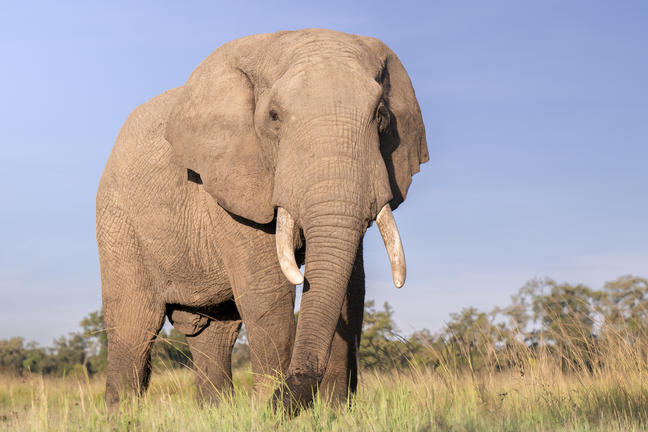
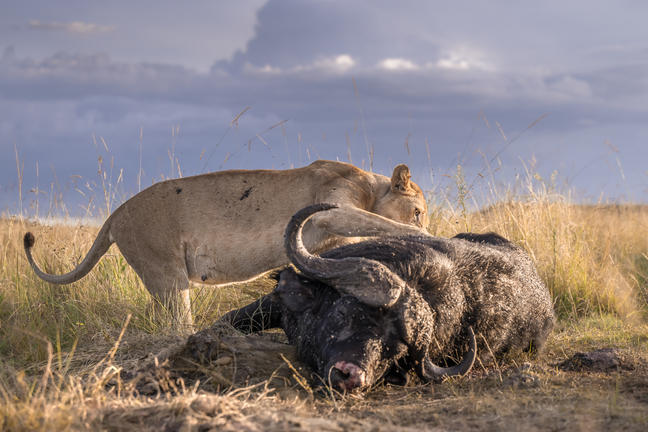
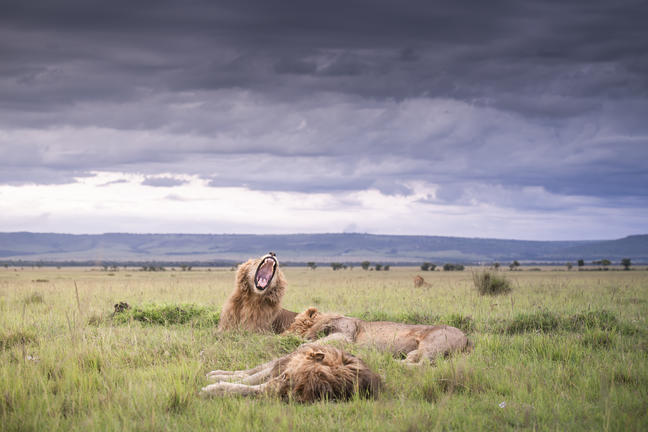
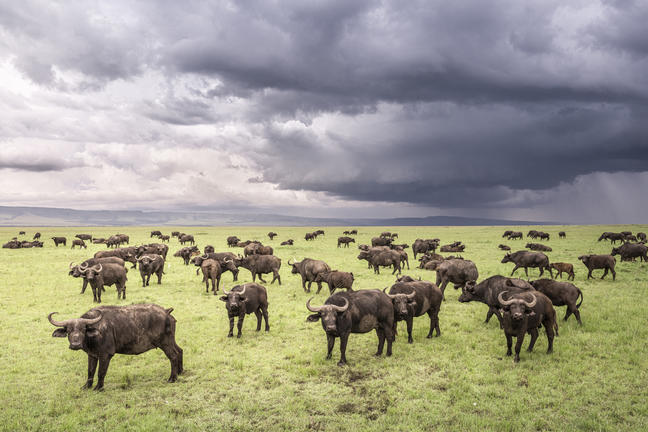
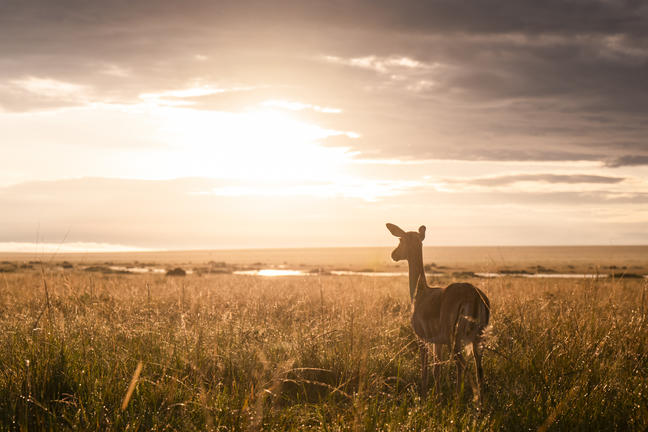
Governors' Il Moran Camp is widely regarded as one of the premier camps in the Masai Mara, with the best game viewing right on your doorstep.
- Images
- Video
- 360 Panoramas
- Rooms
- Facilities
- Activities and Services
- The good we do
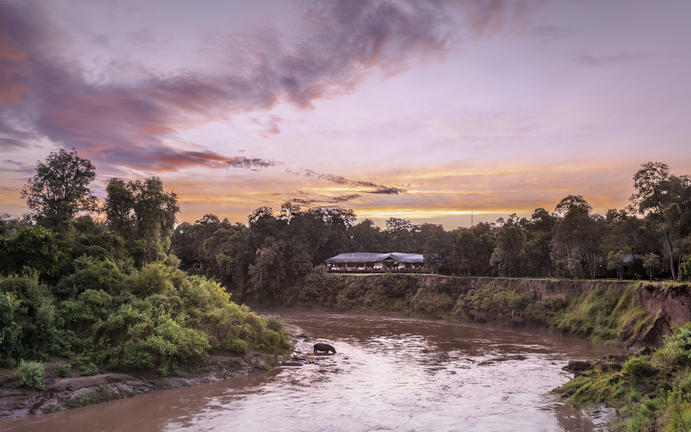
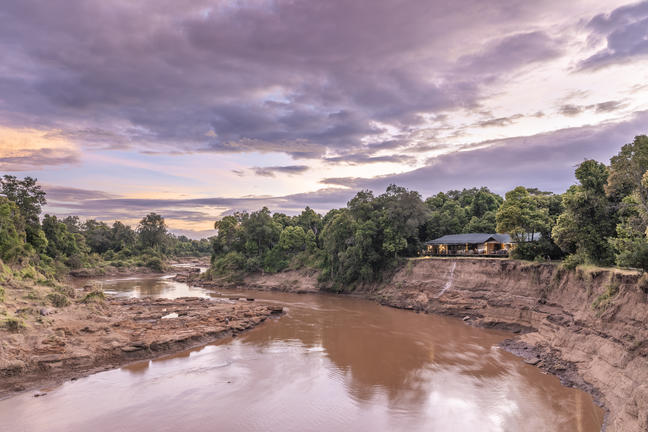
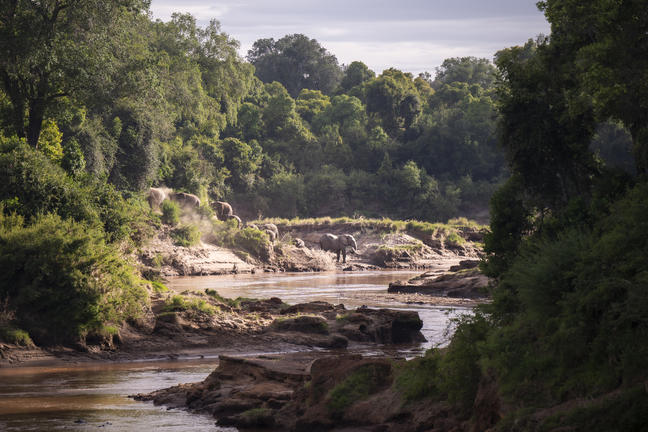
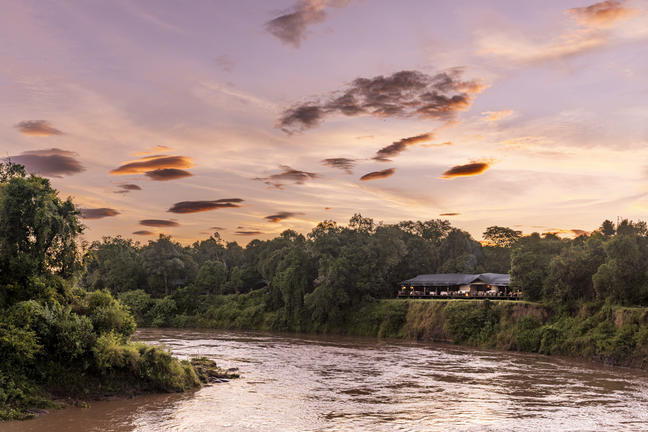
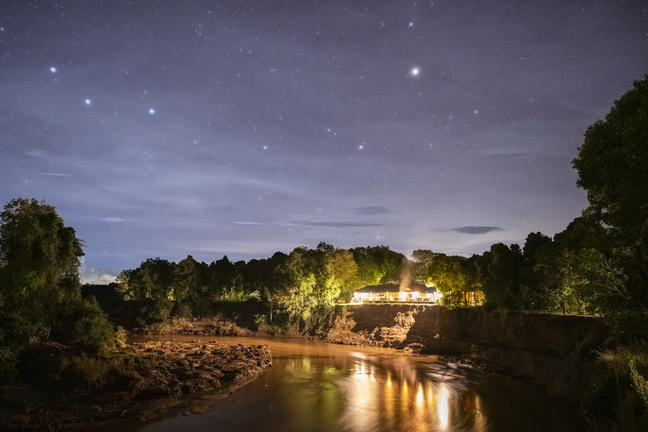
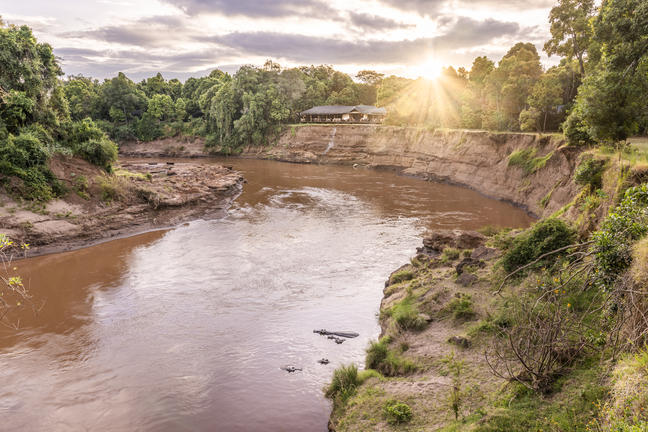
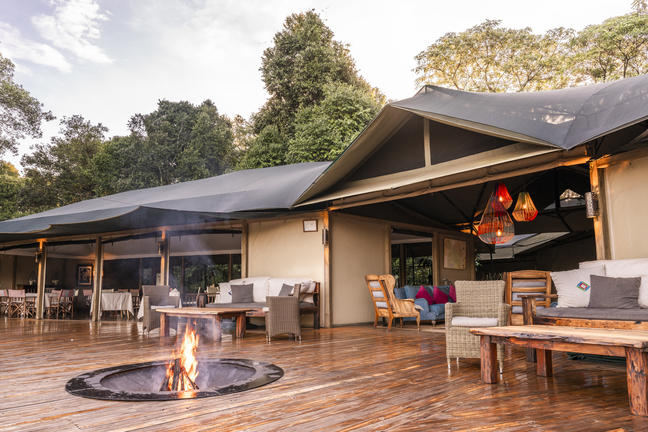
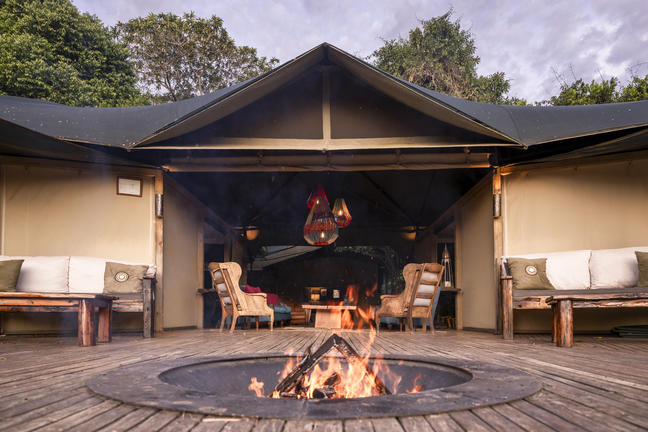


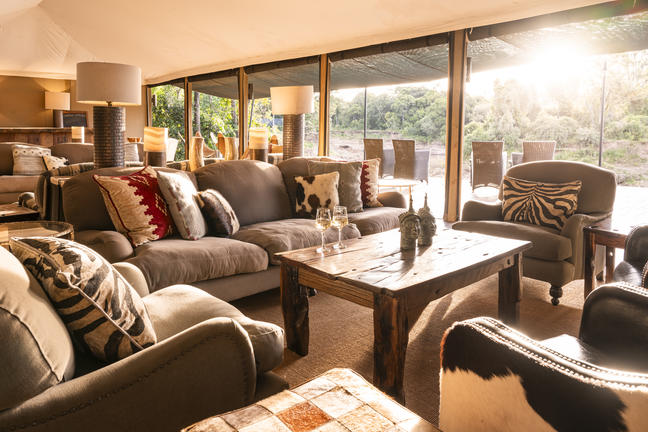


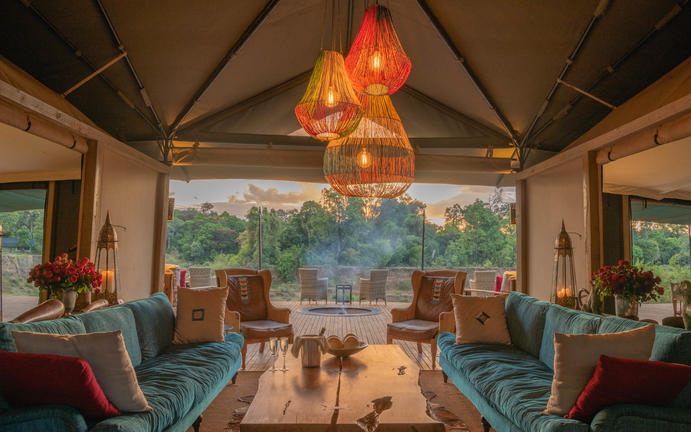

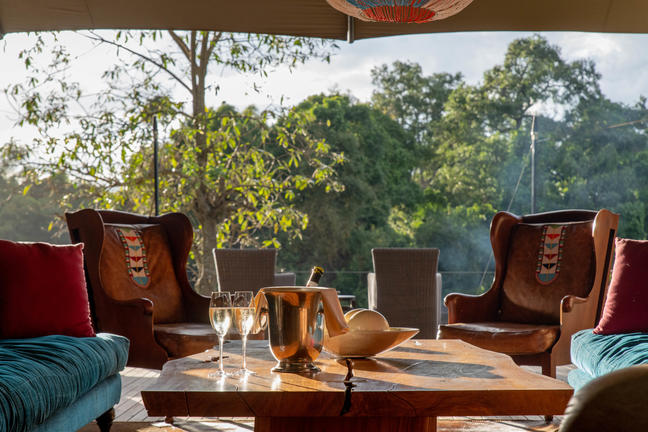
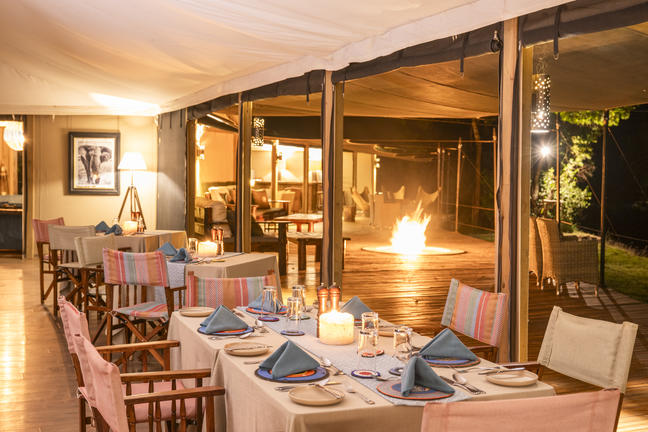

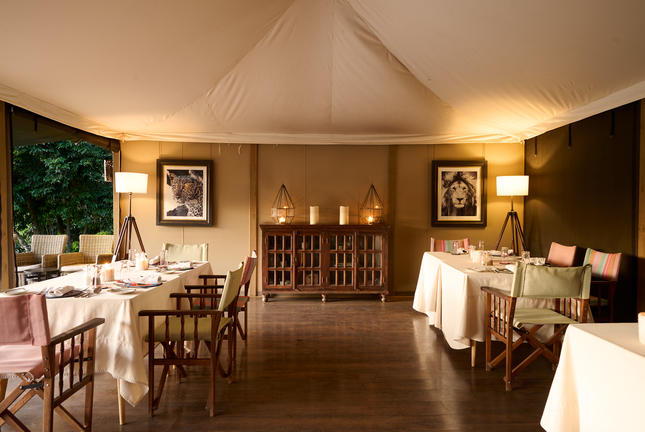
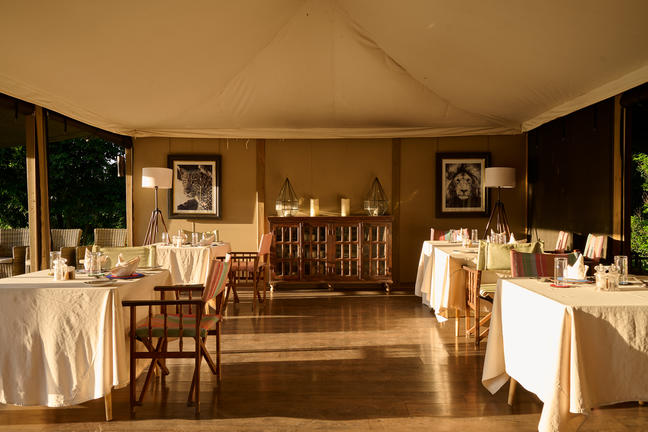
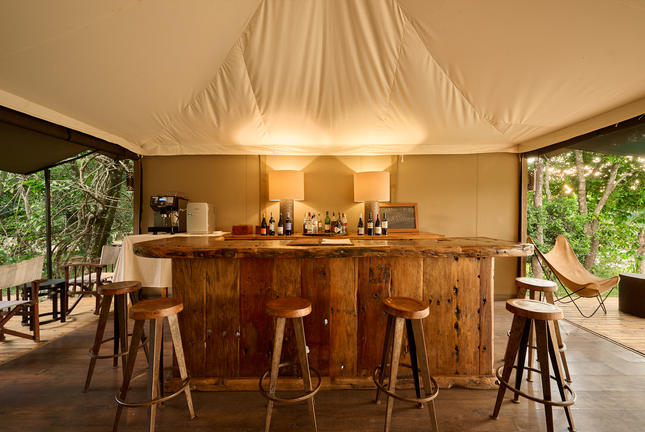
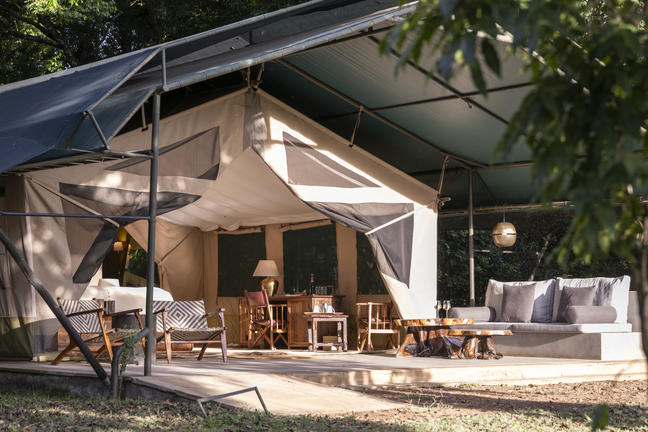
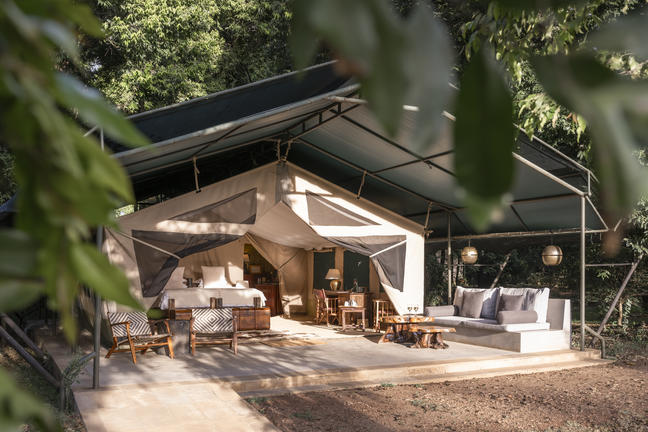

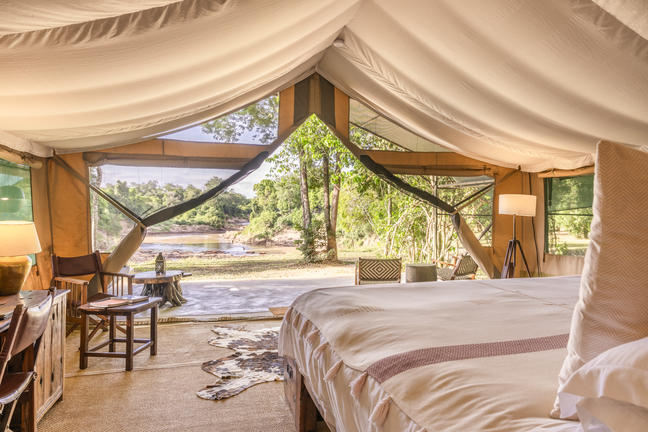
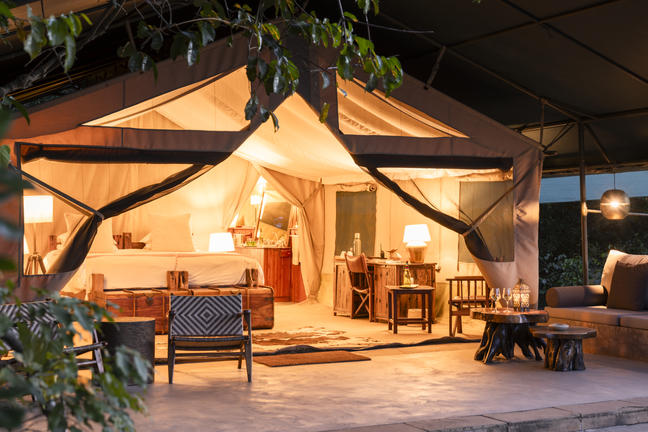
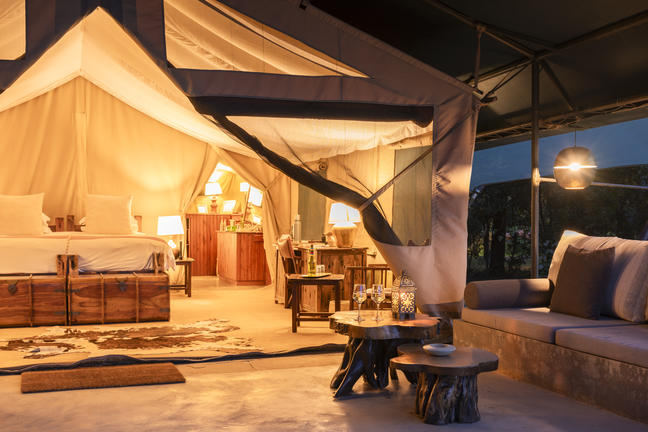

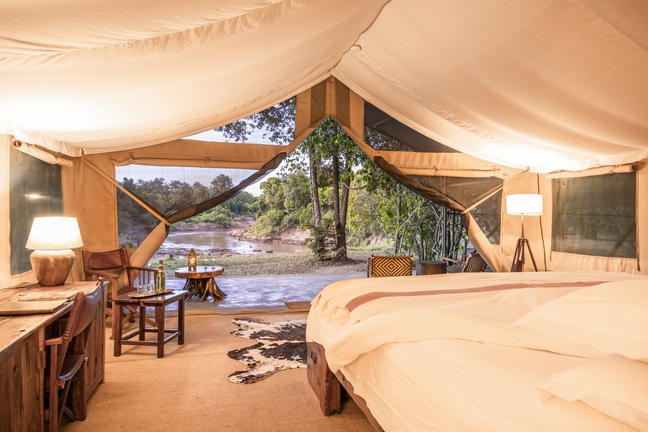
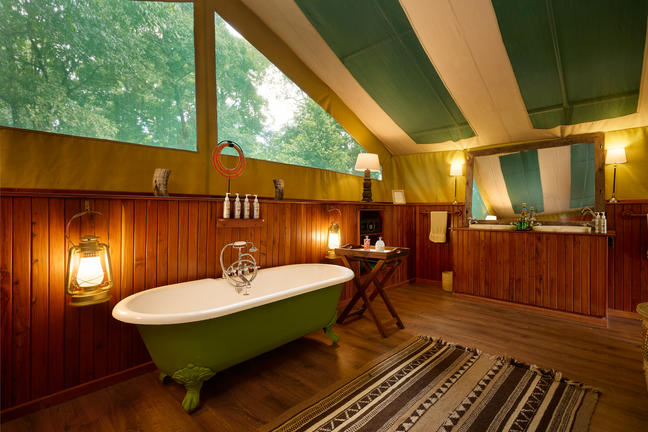

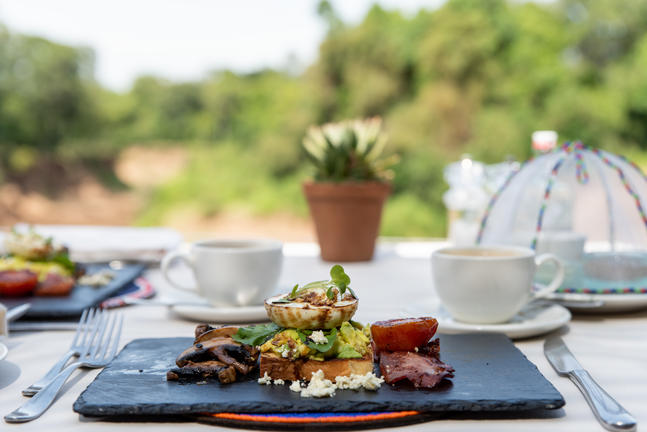

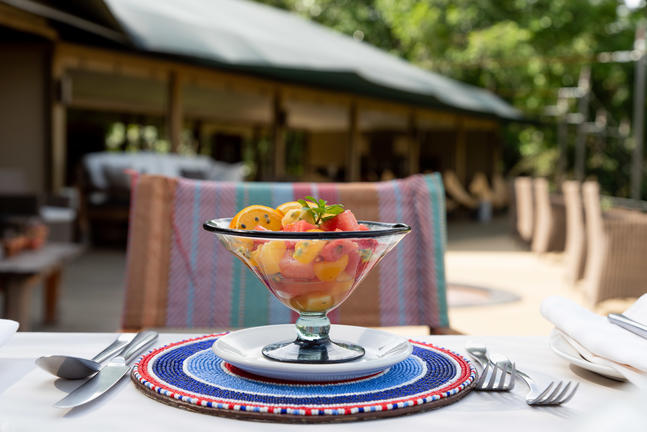

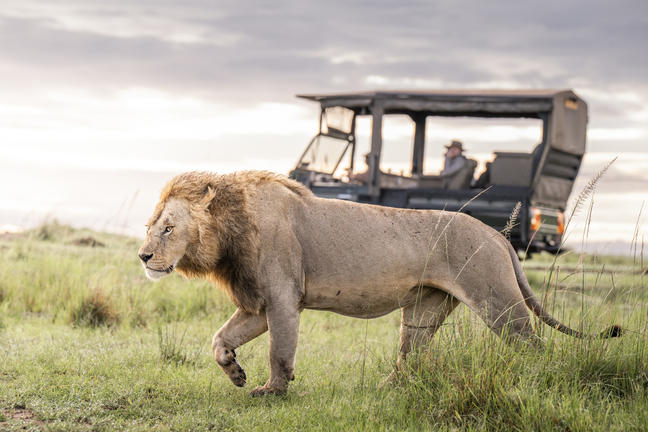

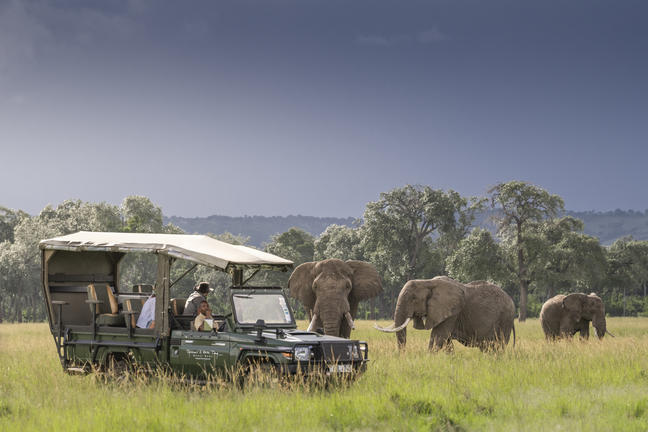
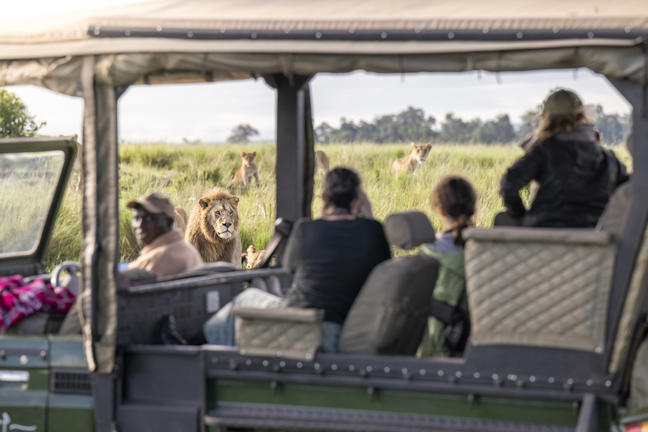
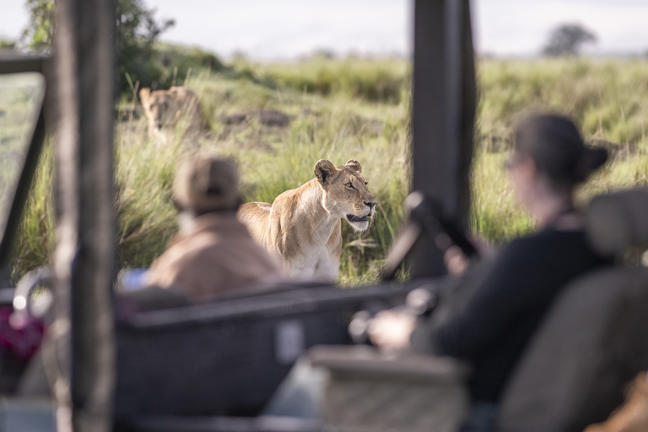
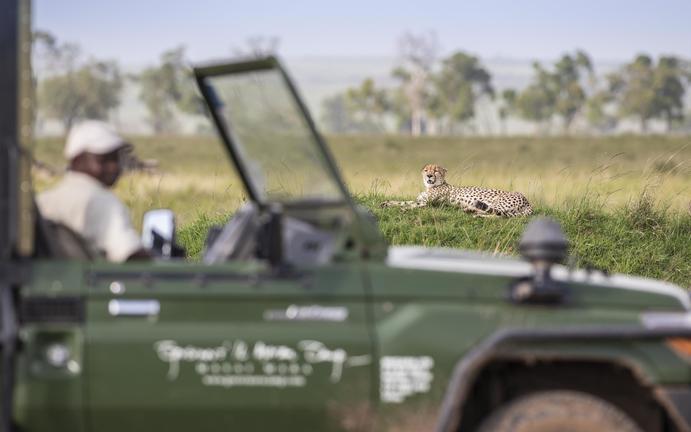
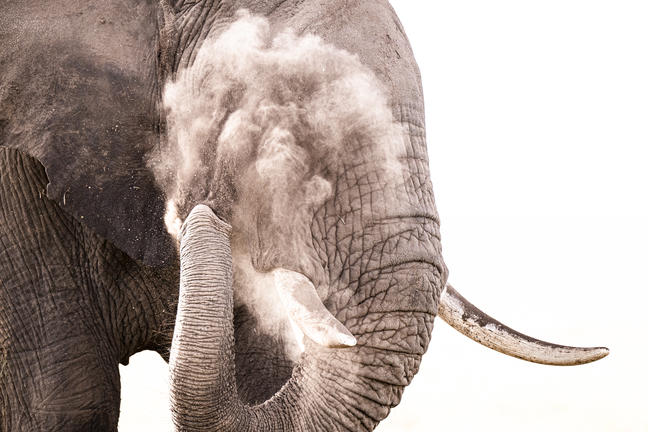
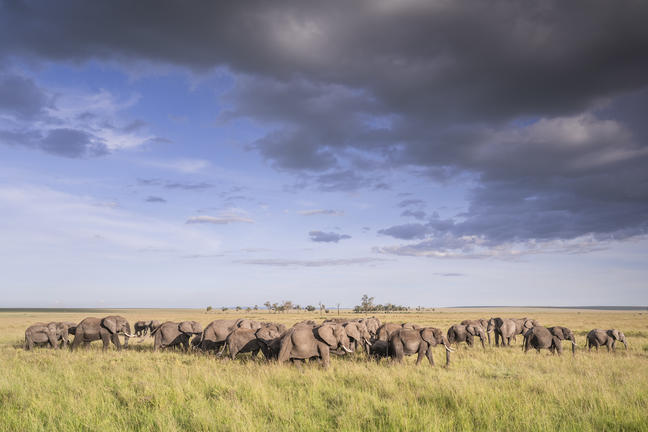

Il Moran virtual tour
Luxury tent
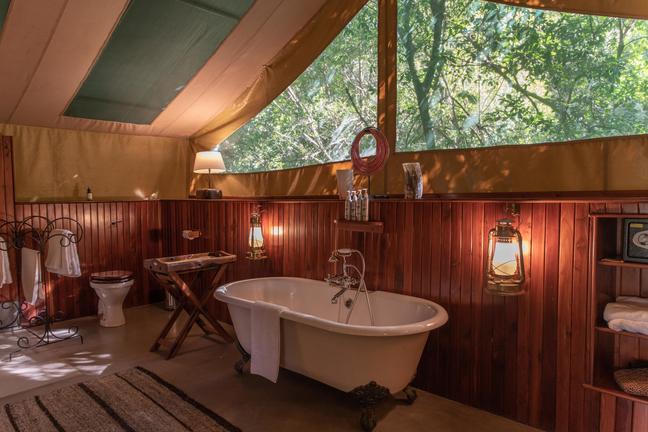
Governors’ Il Moran Camp has ten vast, luxurious tents that feature super ‘king size’ beds fashioned from ancient fallen olive trees and Victorian style baths. Il Moran is an ideal camp for honeymooners and couples who are looking for a very special safari experience.




Room Facilities
Balcony / Deck, Bath Towels, Bath, Bed Linen, Complimentary Wi-Fi, Dressing Gowns, En Suite Bathroom, Ensuite, Hairdryer, Hand Towels, Laundry Facilities, Laundry Service (Available), Laundry Service (Complimentary), Shower, Twin Bed
Property Facilities
Bar, Battery Charging Facilities, Internet Access (Complimentary), Kiddies Club, Malaria Free, Mobile Connectivity, Restaurant, Vegetarian
Room Facilities
Balcony / Deck, Bath, Complimentary Wi-Fi, Dressing Gowns, Electrical Outlets, Internet Access (Complimentary), Laundry Facilities, Laundry Service (Available), Laundry Service (Complimentary), Lounge Area, Mini Bar (Complimentary), Mini Bar, Pure Cotton Linen, Safe, Shower, Tea / Coffee, Verandah, Wheelchair Friendly
Available Services
24-hour Security, Airport Shuttle (Available), Credit Card Facilities, Disability, Laundry Service (Complimentary), Meal on Request, Private Vehicle (Available), Room Service
Activities on Site
Big 5, Bird Watching, Game Drives, Game Viewing, Massages, Safaris
Activities Nearby
Animal Encounters, Big 5, Bird Watching, Cultural Tours, Game Drives, Game Viewing, Hot Air Ballooning, Rhino Tracking, Safaris
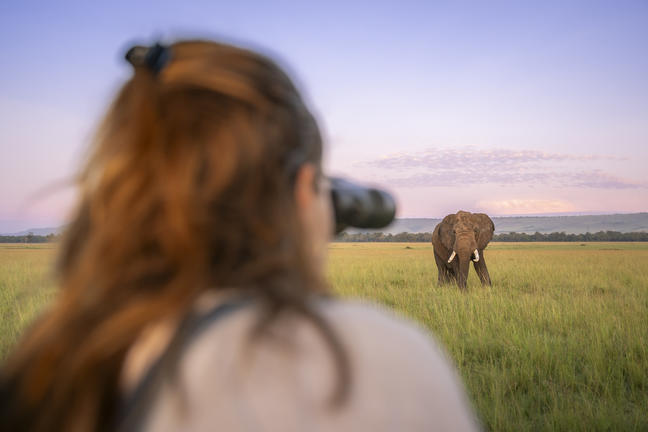
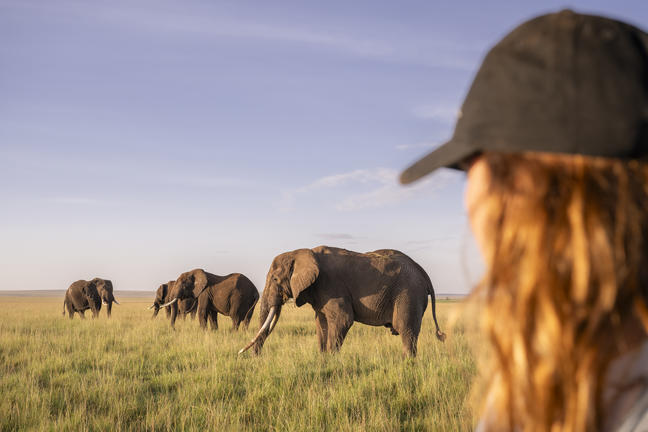
Governors’ Camp Collection properties combine the best locations in the Masai Mara with the best-designed vehicles and exceptionally highly trained and experienced guides to give our clients un-matched game-viewing and photographic opportunities in the world’s prime wildlife area.
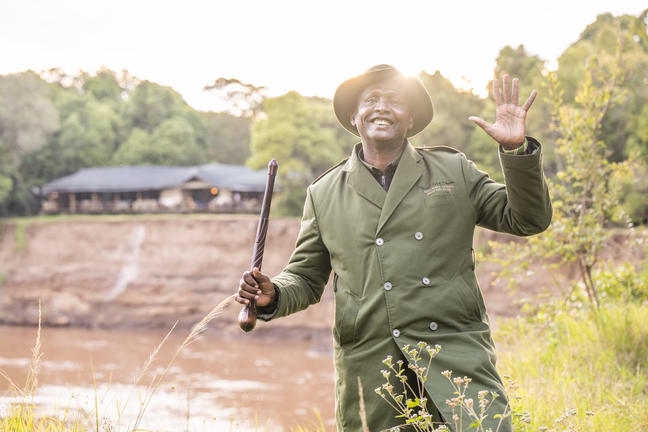
We are in the heart of the best game viewing area of the Masai Mara; we take you out twice a day into the famous Masai Mara Game Reserve and surrounding areas. Our driver-guides are hand-picked and nurtured by us. They undergo a continuous guide training scheme mentored by experts in the field. Having operated in the Masai Mara for 50 years, our driver-guides have an un-paralleled knowledge of the reserve combined with a deep understanding and respect for the importance of this wilderness area, its flora and its fauna.
Game drives are included in the accommodation rate.






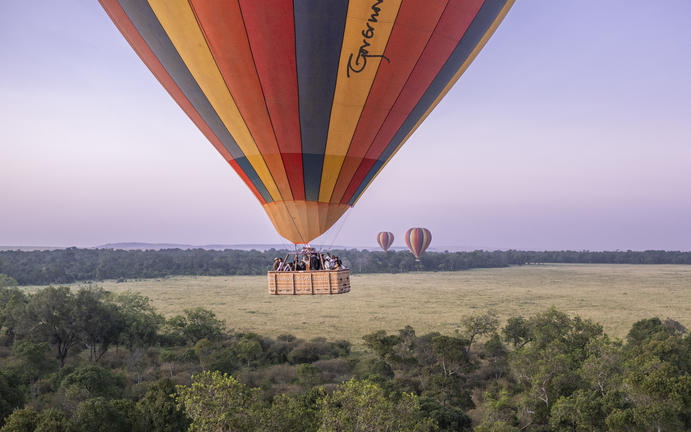
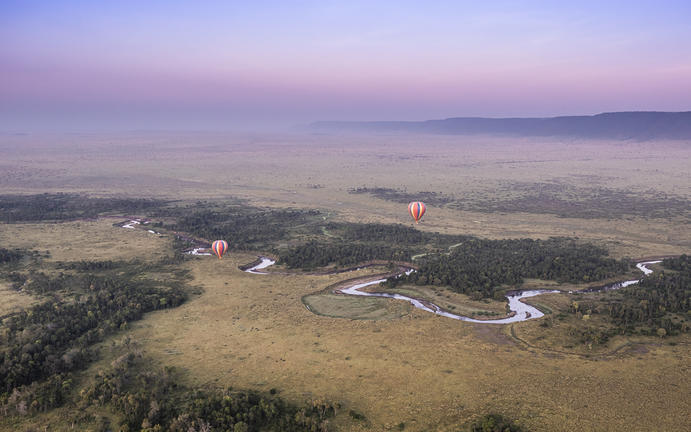
For those looking for an adventure of a different kind, we suggest a magical hot air balloon safari over the Masai Mara.
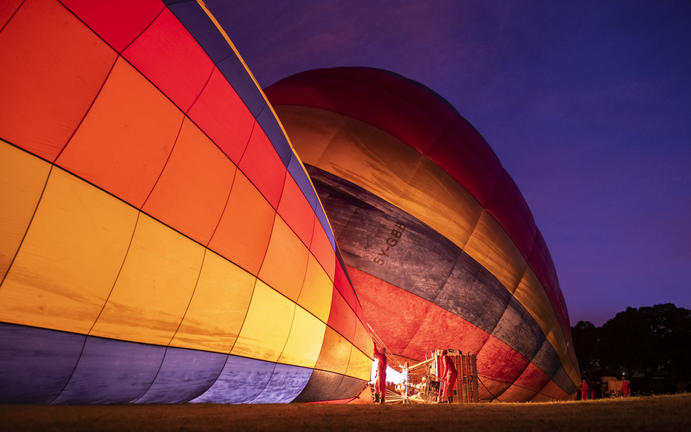
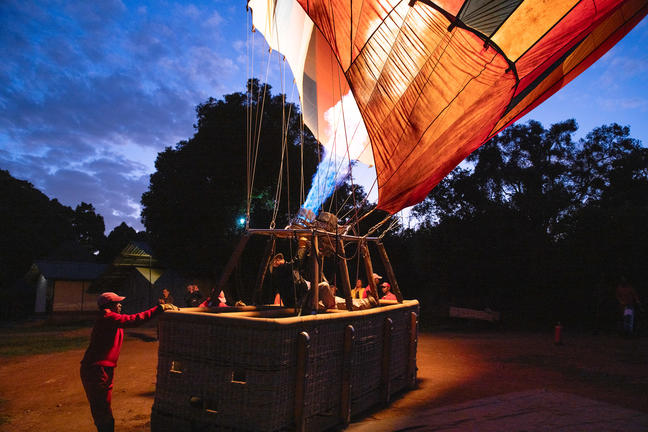
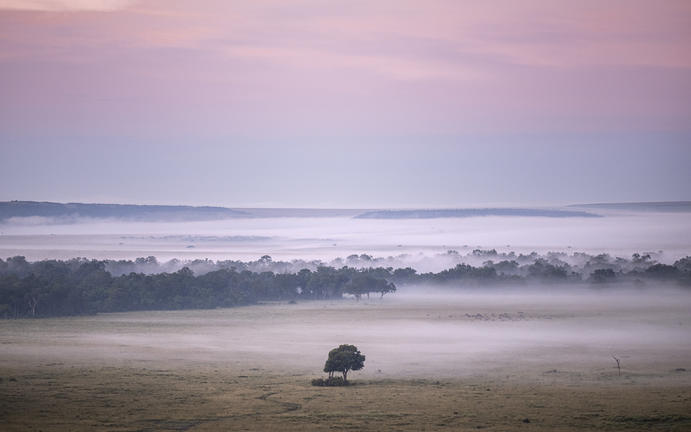
The adventure begins just before dawn. Departure is from a launch site just 15 minutes drive away. Guests assemble at the launch site for a briefing as the flames from the hot air balloon burners light the darkness as the crews inflate their craft. As the dawn breaks, the hot air balloon fills and then rises. Suspended in a basket beneath the rainbow-coloured canopy, you’re off for a wildlife viewing adventure with an entirely different perspective.
What amazes most first-time balloonists is the absolute stillness – the silence as you float above the plains, the forest and the rivers of the Masai Mara.
After about an hour or so, your balloon safari finishes with a flourish. In the time-honoured tradition of balloon flights the world over, toast your return to earth with sparkling wine and enjoy a delicious breakfast that is set up and served at a very special spot. The experience ends with a game drive back to your camp.
There is an extra cost for a hot air balloon safari and the price depends on the time of year.



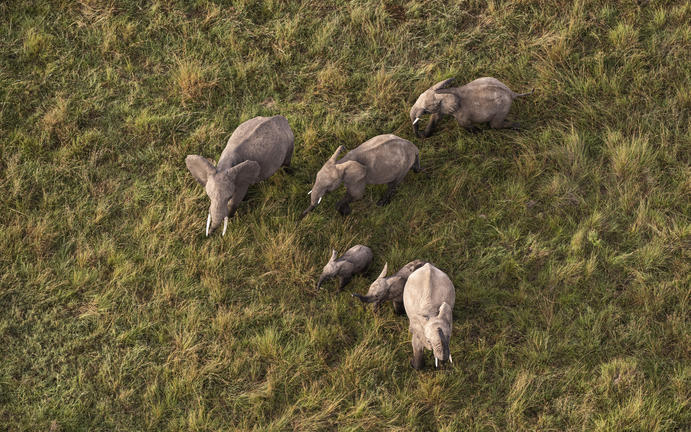


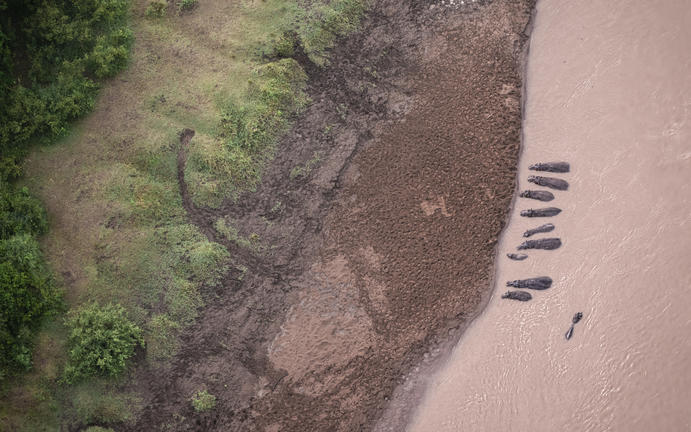

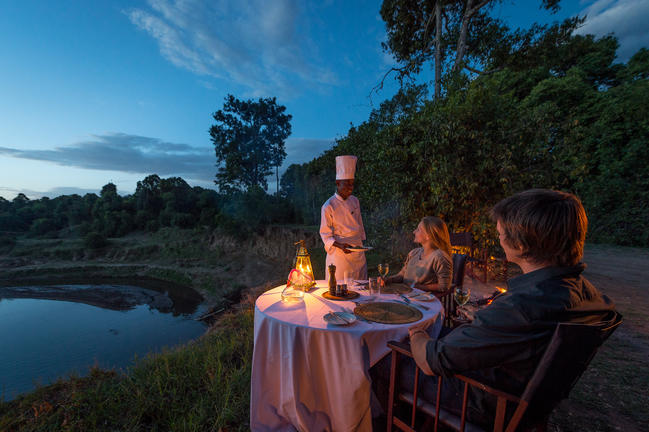
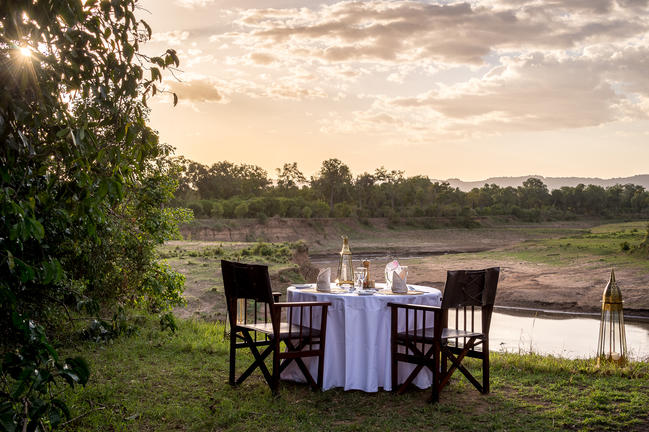
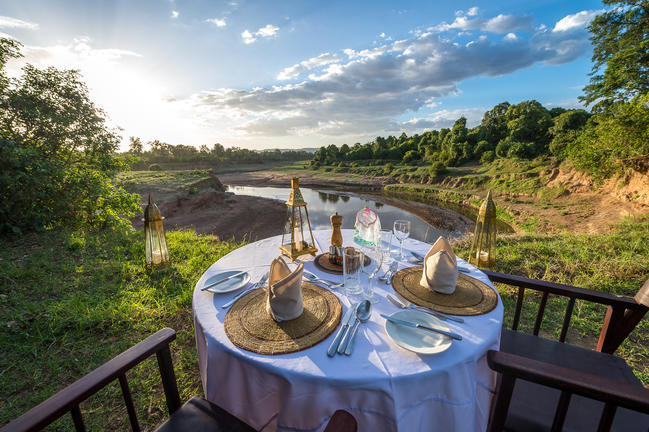
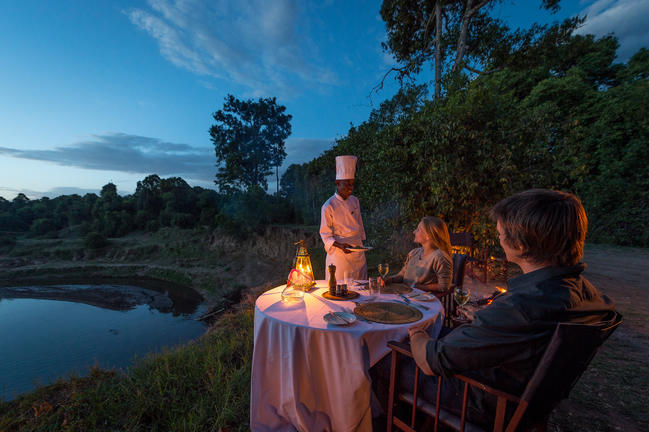
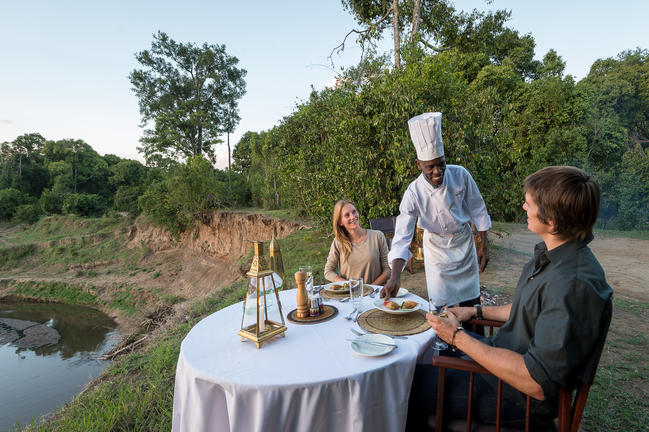
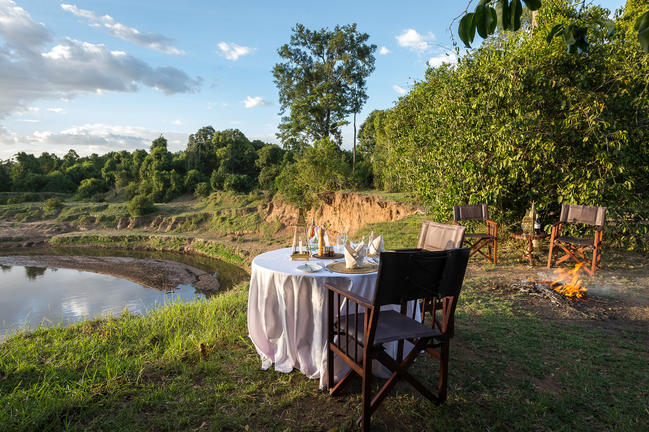
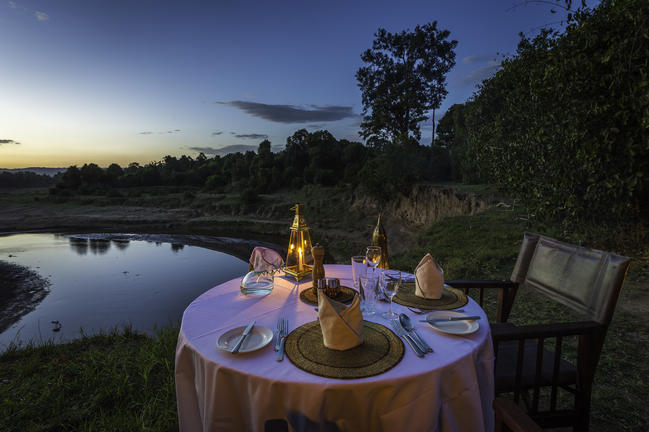
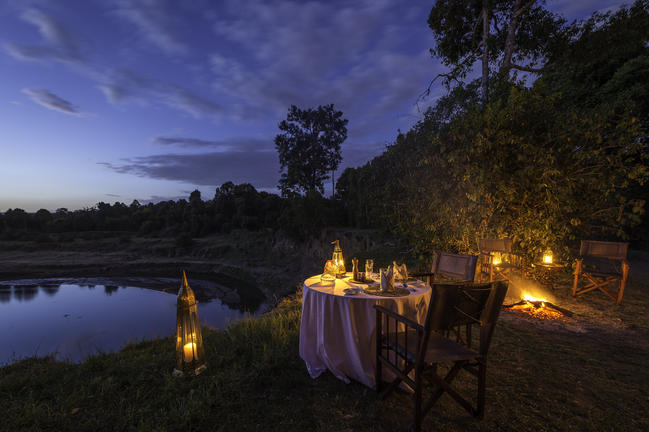
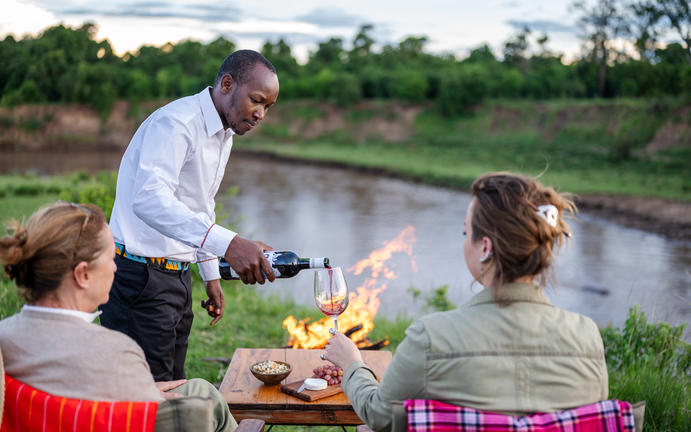
For a very unique experience, enjoy the excitement of a bush dinner in the wild. You will arrive at a special secluded location on the banks of the Mara river. A welcoming drink awaits by the warming campfire, followed by a delicious meal prepared by our Bush chefs, served under the stars, with the soft lights of safari lanterns and accompanied by the sounds of the African night and the grunting Mara river hippos.
Bush breakfasts and bush lunches are also available. Please try to book bush meals in advance. Costs: bush breakfasts and lunches USD $75 per person, bush dinners USD $92 per person




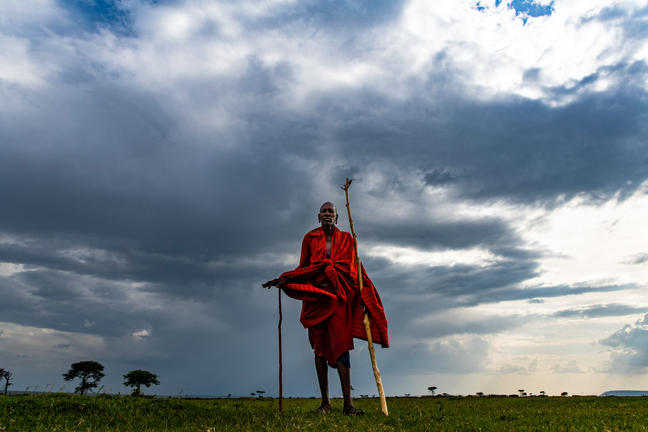
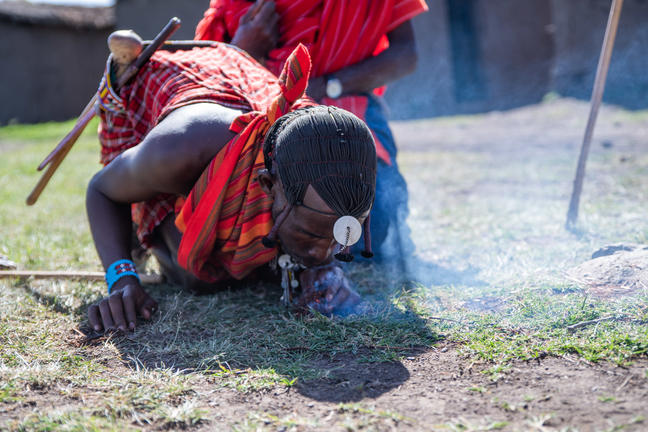
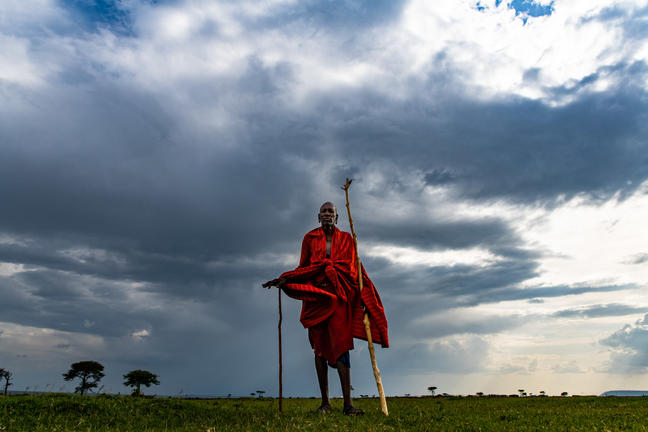
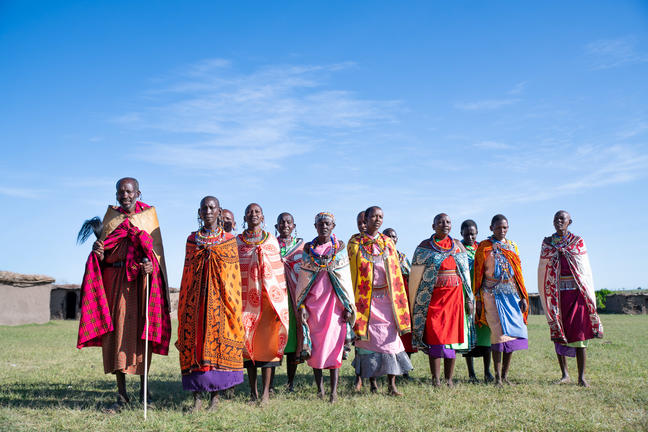
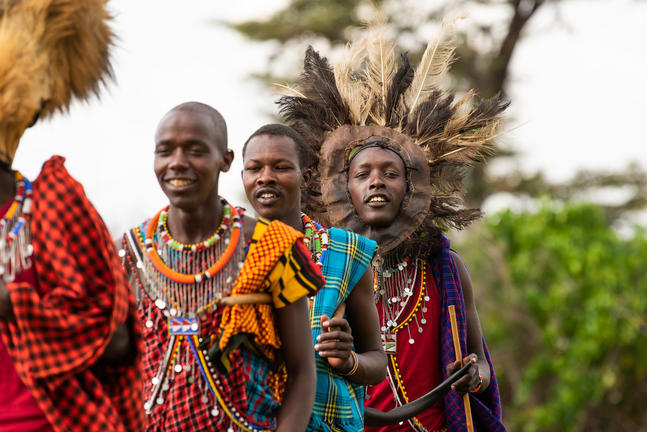
The Masai people of East Africa are a striking image, synonymous with safari. A proud people with many traditional practices still very much alive in their culture. Visit a local Masai village and learn about who they are in their own words.
Entry to the Maasai village is currently USD $40 per person and is paid directly to the community.




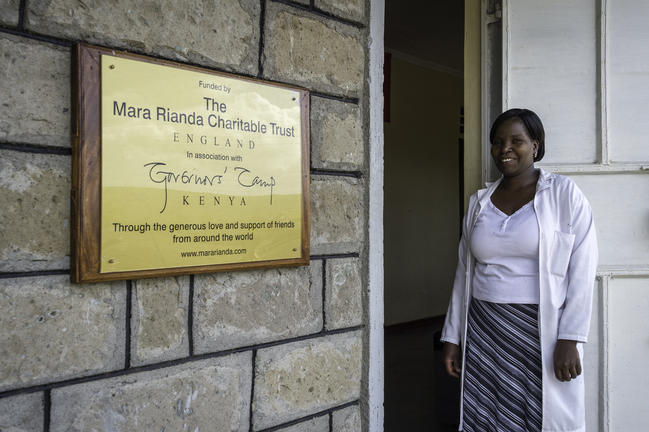
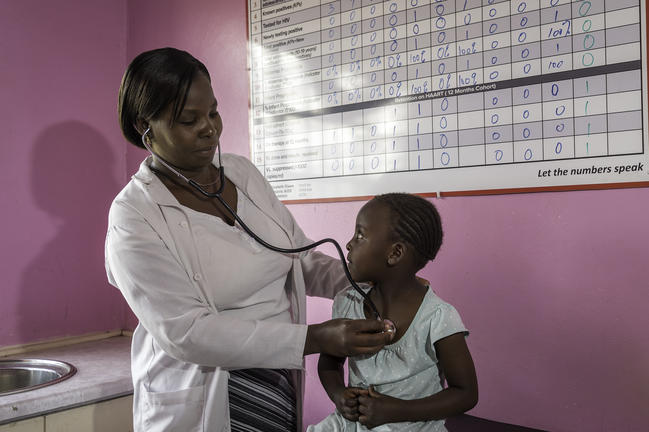
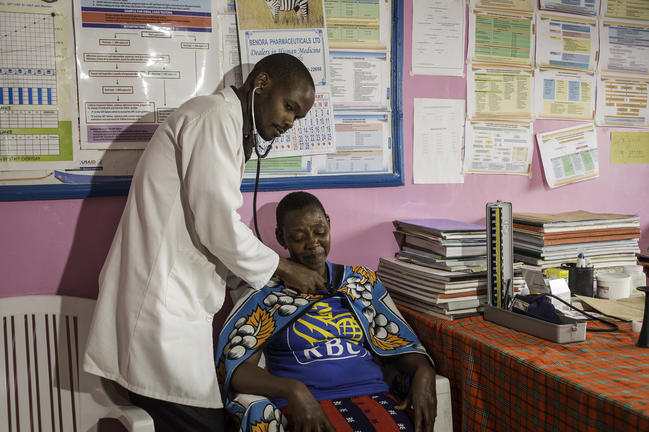
Visits to our responsible tourism projects can be organised from camp. Mara Rianda Primary School and Mara Rianda Medical Centre are two inspirational projects supported by Governors’ Camps.
There is no extra charge for this activity but donations to any of the projects are welcome.


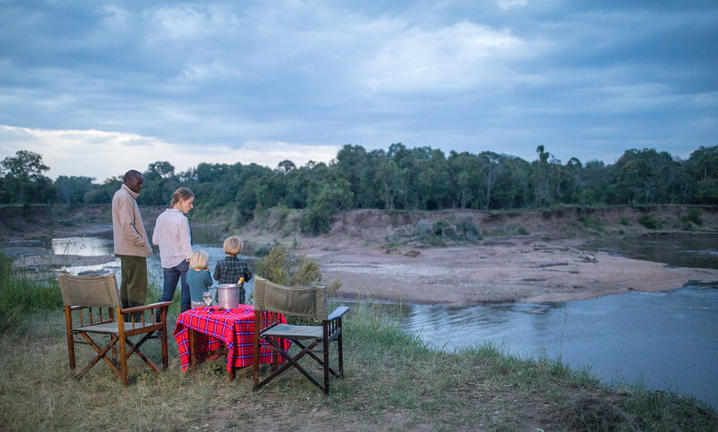
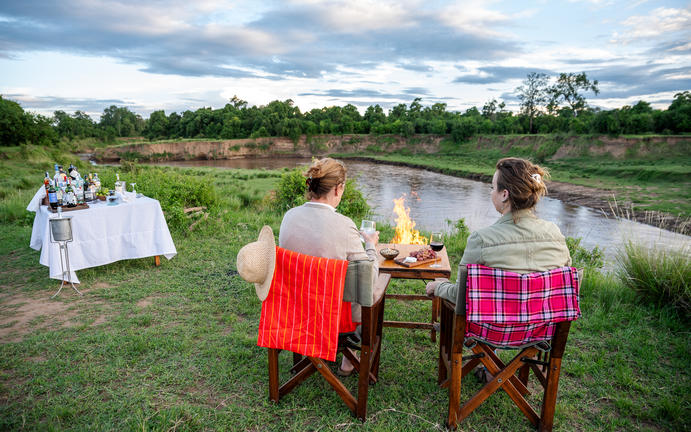
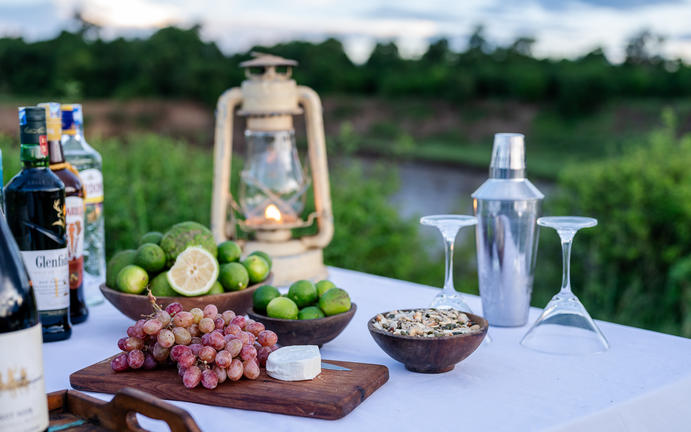
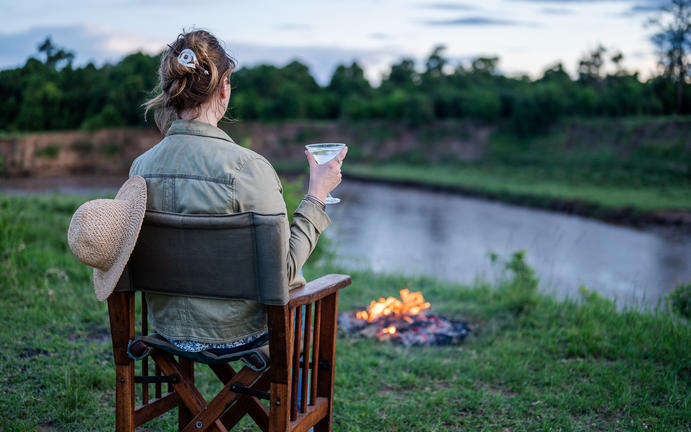
After your late afternoon game drive, end the day with a 'sundowner' at our very special spot on the banks of the Mara River. Our team will have set up a traditional 'safari bar' ahead of your arrival.
Sundowners are included in the nightly rate but premium drinks are extra.




The Mara Elephant Project
Our Mission
The Greater Mara Ecosystem is one of Africa’s most important wildlife landscapes, but increasing human populations, agricultural expansion and habitat loss are placing unprecedented pressure on both wildlife and local communities. Human-Wildlife Conflict has become the greatest threat to the long-term survival of elephants in the region, while bushmeat poaching, snaring, illegal logging and charcoal production continue to degrade critical habitats. Without intervention, these challenges threaten not only elephant populations but the health and connectivity of the entire ecosystem upon which countless species and communities depend.
Through a combination of rapid response teams, anti-poaching operations, scientific research and community engagement, Mara Elephant Project is working to create a future where people and wildlife can thrive side by side. By reducing conflict, protecting vital habitats and using real-time data to guide conservation decisions, MEP is helping to secure safe movement corridors for elephants while supporting the livelihoods of the communities that share this landscape.
Our Impact
Over the years, Mara Elephant Project has become a leading force in conservation across the Greater Mara. Through intelligence-led operations and collaborative law enforcement efforts, elephant poaching has been dramatically reduced, helping to safeguard one of Kenya’s most important elephant populations. In response to the growing threat of bushmeat poaching, MEP rangers removed more than 1,000 wire snares in 2025 alone, preventing countless injuries and deaths among wildlife while protecting key habitats from further degradation.
Today, MEP actively monitors more than 1,100 individual elephants through its ElephantBook database and uses satellite tracking technology to better understand elephant movements and identify emerging threats. Its Rapid Response Units, supported by thermal drone technology, respond to Human-Wildlife Conflict incidents across the ecosystem, helping prevent crop damage, reduce retaliatory killings and foster greater coexistence between people and wildlife. These achievements represent meaningful progress towards a healthier, more resilient Mara for future generations.

Mara Predator Conservation Program
Our Mission
Large carnivores are among the most vulnerable species in the Greater Mara Ecosystem. As human populations grow and wildlife habitats become increasingly fragmented, predators such as lions, cheetahs and African wild dogs face mounting pressures from habitat loss, conflict with livestock owners, poisoning and competition for space. While lions remain relatively stable, cheetah populations are critically fragile, and the recent return of African wild dogs presents both an opportunity and a challenge for conservation. Without targeted intervention, these iconic species risk further decline, threatening the ecological balance of one of Africa’s most celebrated wildlife landscapes.
The Mara Predator Conservation Program works to create a future where predators and people can coexist. By combining rigorous scientific research with practical community-based conservation solutions, the program seeks to reduce conflict, protect livelihoods and ensure healthy predator populations for generations to come. Through monitoring predator movements, improving livestock protection and empowering local communities to become conservation partners, MPCP is helping build a more resilient ecosystem where both wildlife and people can thrive.
Our Impact
The Mara Predator Conservation Program has played a vital role in advancing predator conservation across the Greater Mara. Through ongoing research, the team monitors more than 450 resident lions and uses GPS collar technology to better understand predator movements, identify conflict hotspots and inform conservation action. The program has also helped document and support the gradual return of African wild dogs to the ecosystem following their local extinction in the 1990s, while continuing to monitor and protect the Mara’s small but significant cheetah population.
On the ground, MPCP’s community-led initiatives are delivering tangible results. Predator-proof bomas, chain-link fencing and deterrent lighting have significantly reduced nighttime livestock losses, helping to lower retaliatory killings of predators. The Lion Ambassador network provides an effective early-warning and rapid-response system, assisting with conflict mitigation and anti-poisoning efforts across community lands. Through herder training programs, community engagement and practical conservation interventions, MPCP is demonstrating that predator conservation and sustainable livelihoods can go hand in hand.

Mara Raptor Program
Our Mission
Raptors play a vital role in maintaining healthy ecosystems, yet many species across the Greater Mara face increasing threats from habitat loss, poisoning, collisions with infrastructure and human disturbance. Several of the region’s most iconic birds of prey, including vultures and large eagles, are experiencing population declines across Africa, with some now classified as Endangered or Critically Endangered. Despite their ecological importance as scavengers and apex aerial predators, many species remain poorly understood, making effective conservation planning a challenge.
The Mara Raptor Project seeks to reverse these declines by improving our understanding of raptor populations while implementing practical conservation measures to protect them. Through long-term monitoring, scientific research, rehabilitation efforts and community engagement, the project aims to ensure that the Greater Mara remains a stronghold for Africa’s birds of prey. By safeguarding nesting sites, responding to threats and generating critical data on species movements and breeding success, the project is helping secure a future where raptors continue to thrive across the ecosystem.
Our Impact
The Mara Raptor Project has significantly expanded knowledge of raptor populations within the Greater Mara Ecosystem, identifying nearly 1,000 nesting sites and actively monitoring approximately 400 of them. This extensive monitoring programme provides invaluable data on breeding success, population trends and habitat use, helping conservationists make informed decisions to protect vulnerable species. The project has also advanced the use of satellite tracking and bird ringing to better understand the movements, survival and behaviour of key species, including vultures and Martial Eagles.
Beyond research, the team delivers tangible conservation action on the ground. Injured and poisoned birds receive rapid intervention and rehabilitation support, while vulnerable nests are reinforced or replaced with artificial nesting platforms to improve breeding success. The project also strengthens local conservation capacity through guide training and public engagement, creating greater awareness of the importance of raptors within the ecosystem. Together, these efforts are helping to protect one of Africa’s most important raptor strongholds and contributing to the long-term survival of some of the continent’s most threatened bird species.

Mara Rianda Health Centre
Our Mission
Access to quality healthcare remains a significant challenge for many remote communities living around the Masai Mara. Long distances to medical facilities, limited healthcare infrastructure and shortages of trained medical personnel can make it difficult for families to access essential services, particularly maternal and child healthcare. These barriers can lead to preventable illnesses, delayed treatment and poorer health outcomes, affecting both individual wellbeing and broader community development.
The Mara Rianda Health Centre was established to help bridge this gap by providing accessible, affordable and high-quality healthcare to local communities. By delivering a wide range of medical services close to where people live, while continually investing in facilities, equipment and staff support, the project aims to improve health outcomes, strengthen community resilience and create a healthier future for generations to come.
Our Impact
Since opening in 2013, the Mara Rianda Health Centre has become a vital healthcare resource for the surrounding community, serving approximately 100 patients each week. The facility provides essential outpatient services, maternal healthcare, child health programmes, HIV testing and treatment, laboratory services, community outreach and preventative healthcare initiatives, ensuring that thousands of people have access to medical care that might otherwise be difficult to obtain.
Continued investment has strengthened the clinic’s capacity and long-term sustainability. Recent developments include the installation of a KES 4.2 million solar power system, providing a reliable source of renewable energy, a KES 1.3 million electric fence to improve security, and a KES 8.4 million accommodation block for visiting healthcare professionals, enabling specialist support and staff training. The addition of a new KES 9.7 million laboratory will further enhance diagnostic capabilities, allowing the clinic to provide faster and more comprehensive healthcare services to the community it serves.

Protect Loita Forest
Our Mission
The Loita Forest is one of Kenya’s last remaining indigenous forests and a critical component of the Greater Mara Ecosystem. Yet increasing land subdivision, agricultural expansion, charcoal production, and unsustainable timber harvesting are placing growing pressure on this important landscape. As the forest becomes fragmented, wildlife corridors are disrupted, biodiversity declines, and the natural resources that local communities depend upon become increasingly vulnerable.
Through our partnership with the Mara Elephant Project, we support a future where conservation and community livelihoods can thrive together. By helping protect forest habitat through the Linda Msitu programme and supporting community-led conservation initiatives, we aim to keep the Loita Forest standing for future generations, safeguarding wildlife movement, preserving vital water catchments, and ensuring local communities benefit from protecting this remarkable ecosystem.
Our Impact
Our support contributes to the ongoing work of the Mara Elephant Project and the Linda Msitu programme, which helps protect privately owned forest parcels through voluntary conservation agreements with local landowners. By creating incentives to maintain forest cover rather than clear land for agriculture, the programme is helping conserve critical habitat while providing tangible benefits to participating families and communities.
A key milestone has been our fundraising raffle, which attracted 321 entries and raised USD 15,295 in support of the Mara Elephant Project’s conservation efforts. These funds are being used to expand the Linda Msitu forest protection initiative and support ranger teams working on the ground to patrol the forest, monitor threats, and safeguard critical wildlife corridors used by more than 600 elephants and numerous other species.
Beyond the financial contribution, the campaign has helped raise awareness of the importance of the Loita Forest and the challenges it faces. By connecting travellers, conservation supporters and local communities with this cause, we are helping build long-term support for the protection of one of Kenya’s most important indigenous forests, demonstrating how community-led conservation can play a vital role in preserving this landscape for future generations.

The Pangolin Project
Our Mission
The Giant Pangolin is one of Kenya’s rarest and least understood mammals, with fewer than 30 individuals believed to remain in the country. Its last known refuge, the Nyekweri Forest, has suffered extensive habitat loss, with an estimated 80% of the forest cover disappearing over the past decade due to illegal logging, charcoal production and land subdivision. As the forest shrinks, so too does the future of the Giant Pangolin and the countless other species that depend on this unique ecosystem.
Through our partnership with The Pangolin Project, we aim to help secure and protect the remaining forest habitat while supporting long-term conservation efforts that safeguard both pangolins and the wider biodiversity of Nyekweri. By raising awareness and generating direct financial support for conservation land leases, we hope to contribute to a future where Kenya’s Giant Pangolin population can survive and recover, and where this irreplaceable forest continues to provide ecological benefits for wildlife and local communities alike.
Our Impact
The fundraiser generated more than USD 21,000 in support of The Pangolin Project’s ongoing conservation work. With every USD 50 donated helping to protect one acre of forest for a year, these funds are actively contributing to the protection of critical habitat within the Nyekweri Forest, helping secure land leases that safeguard the last known refuge of Kenya’s Giant Pangolins and a wealth of other wildlife.
Beyond the financial contribution, the partnership continues to raise awareness of the urgent threats facing both the Giant Pangolin and the Nyekweri Forest. By connecting travellers, supporters and conservation-minded individuals with this important cause, we are helping build long-term support for efforts to protect and restore this unique ecosystem. Together with The Pangolin Project, we remain committed to supporting initiatives that give Kenya’s rarest mammal and its forest home a better chance of survival.

Guided Community Giving
Our Mission
Many rural communities surrounding our camps in the Masai Mara, Great Rift Valley and Laikipia face ongoing challenges in accessing quality education, adequate learning resources, conservation awareness programmes and reliable school nutrition. Through our support of eight rural schools and a community centre, we aim to help create stronger, more resilient communities by improving educational opportunities, fostering environmental stewardship among young people, and ensuring students have the resources and nourishment they need to thrive both in and out of the classroom.
Our Impact
Our community initiatives currently support eight rural schools and a community centre across three regions of Kenya. Through our bursary programme, school feeding initiatives and the Children in the Wilderness conservation education programme, hundreds of students benefit from improved access to education, daily meals and environmental learning opportunities. By sourcing donated supplies locally where possible, we also help support nearby businesses, creating a wider positive impact that extends beyond the classroom and into the surrounding communities.

Children In The Wilderness
Our Mission
Many children living in remote communities surrounding the Masai Mara, Laikipia and Naivasha grow up with limited access to conservation education, despite their close connection to some of Kenya’s most important wildlife habitats. Children in the Wilderness (CITW) Kenya was established to bridge this gap by helping young people understand the value of the natural environment, develop a sense of responsibility towards conservation, and build the confidence and leadership skills needed to become future custodians of their communities and ecosystems. By combining environmental education, mentorship and immersive experiences in nature, the programme aims to create a generation that is both empowered and actively engaged in protecting Kenya’s natural heritage.
Our Impact
Since launching in Kenya in 2024, CITW has grown from three Eco-Clubs serving 90 students to nine Eco-Clubs reaching 270 students across the Masai Mara, Laikipia and Naivasha regions. The programme has trained 25 Eco-Mentors to deliver conservation education within their communities, helping ensure its long-term sustainability. Annual conservation camps have expanded from 30 participants in 2024 to a total of 90 students attending by 2025, many experiencing wildlife and safari environments for the first time. In addition, bursary support is currently provided to 25 students, while partner schools have benefited from improved learning environments through the provision of desks, chairs, exercise books, solar lamps, sports equipment and school renovations. These achievements demonstrate the programme’s growing reach and its positive impact on both conservation awareness and educational opportunity.

Tree Planting Programs
Our Mission
Tree loss and habitat degradation pose a growing challenge in several of the ecosystems where we operate. In the Masai Mara, elephant activity, riverbank erosion, flooding linked to changing rainfall patterns, and disease affecting certain tree species have contributed to the decline of riverine forests. This loss impacts biodiversity, wildlife habitat and the long-term health of these ecosystems. Through our tree-planting initiatives, we aim to restore indigenous vegetation, strengthen ecosystem resilience, support biodiversity and help ensure that future generations inherit healthy, functioning landscapes.
Our Impact
Governors’ Camp Collection has planted hundreds of indigenous trees across its campgrounds in the Masai Mara and has donated additional seedlings to local schools, community projects and villages. Our nurseries focus on propagating native species, including the vulnerable East African greenheart (Warburgia ugandensis), helping to support the conservation of species facing increasing pressures in the wild. Beyond our own properties, we also support the Eburru Rafiki Forest Community Group in its efforts to restore the Mau–Eburru Forest ecosystem, an important habitat for the endangered mountain bongo. Through these combined efforts, we are contributing to habitat restoration, biodiversity conservation and increased community participation in environmental stewardship.

Waste Reduction & Solar Energy
Our Mission
Tourism operations can place pressure on natural environments through waste generation, plastic consumption, energy use and the transport of supplies. In sensitive ecosystems such as the Masai Mara and Great Rift Valley, reducing these impacts is essential to protecting wildlife, preserving natural resources and ensuring tourism remains sustainable for future generations. Through a range of environmental initiatives, we aim to minimise our ecological footprint, reduce waste, increase the use of renewable energy and demonstrate that high-quality hospitality can operate in harmony with the environment.
Our Impact
All Governors’ Camp Collection properties have achieved Gold EcoRating certification, recognising our long-term commitment to environmental sustainability and responsible tourism. The installation of reverse osmosis water filtration systems has eliminated the need for thousands of single-use plastic water bottles, while plastic straws and disposable bathroom amenities have been replaced with more sustainable alternatives. Waste is segregated to maximise recycling opportunities, and vegetable gardens at our properties help reduce food miles by supplying fresh produce locally. In addition, solar power systems at Governors’ Camp and Governors’ Il Moran Camp provide renewable electricity and solar-heated water, reducing reliance on conventional energy sources and lowering the environmental impact of our operations.

Your Stay
4 Nights
Fully Inclusive - Bed, All Meals, Fees and Activities
All Local Brands (Spirits, Wine and Beers) Included
Your Rooms
Fast Facts
5 Stars
Lodge
Spoken Languages: English, Swahili
No. Rooms: 10
Special Interests: Adventure, Big 5, Birding, Flora, Nature, Relaxation, Wildlife