The Boma Nairobi | Nairobi
15 Oct 2020 - 16 Oct 2020
The Boma is conveniently located in the south of Nairobi, Kenya, a short distance from Jomo Kenyatta International Airport, Wilson Airport, Nairobi Railway Station, and Nairobi National Park. Accommodation options feature stylish, elegant, and spacious rooms and suites with workspaces, air conditioning, TVs, tea/coffeemakers, minibars, seating areas, and safes. Facilities and services include a spa, a gift shop, a business centre, a swimming pool, a fitness centre, conference facilities, restaurants, a coffee shop, a bar/lounge, and Wi-Fi.
- Images
- Rooms
- Facilities


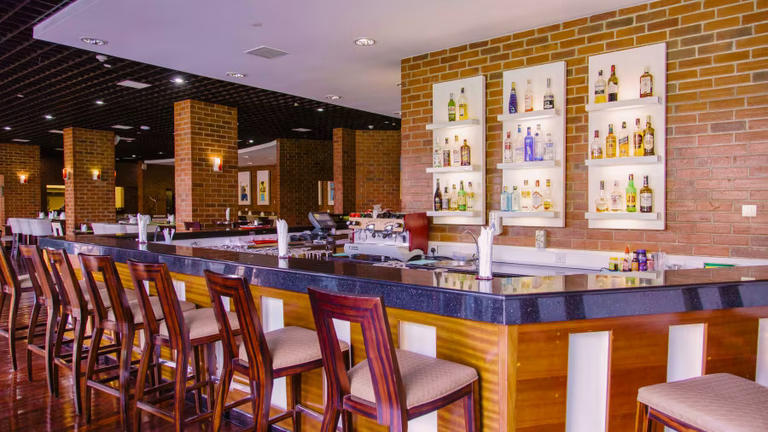


Luxurious Room which can either have a Double Bed or Twin Beds


Luxurious Room with a Double Bed


Property Facilities
Activity Desk, Bar, Business Centre, Conference Centre, Internet Access (Complimentary), Malaria Free, Mobile Connectivity, Pool, Restaurant, Secure Parking, Spa, TV Room
Room Facilities
Air Conditioning, Bath, Complimentary Wi-Fi, Disabled Rooms, Dressing Gowns, Electrical Outlets, Fridge, Internet Access (Complimentary), Iron / Ironing Board, Laundry Facilities, Laundry Service (Available), Mini Bar, Pure Cotton Linen, Safe, Shower, Smoking Rooms, Tea / Coffee, Television, Wheelchair Friendly
Available Services
24-hour Security, Airport Shuttle (Available), ATM, Credit Card Facilities, Foreign Exchange, Laundry Service (Available), Meal on Request, Private Vehicle (Available), Room Service, Travel Desk
Activities on Site
Fine Dining, Game Drives, Game Viewing, Massages
Activities Nearby
Bird Watching, Cultural Tours, Game Walks, Golf, Museums, Safaris
Your Stay
1 Night
Bed and Breakfast
Your Rooms
1x Superior
Fast Facts
Hotel
Elewana Tortilis Camp Amboseli | Amboseli National Park
16 Oct 2020 - 19 Oct 2020
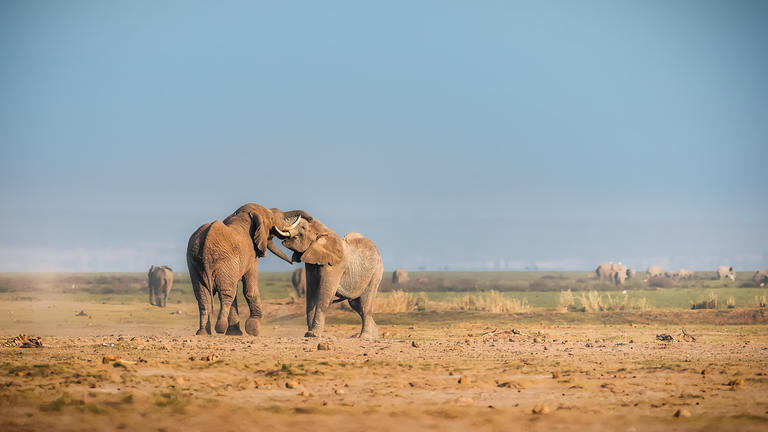
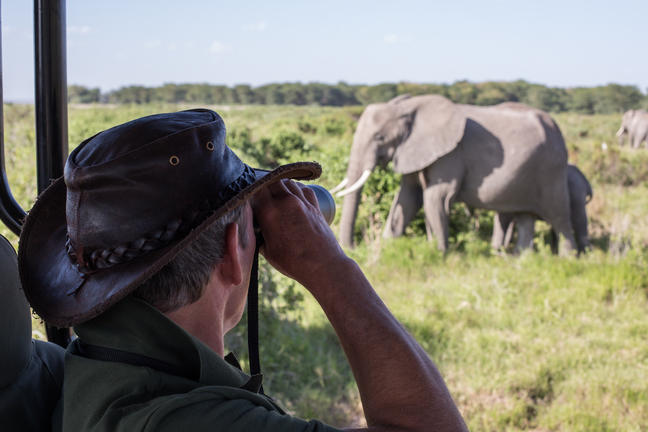
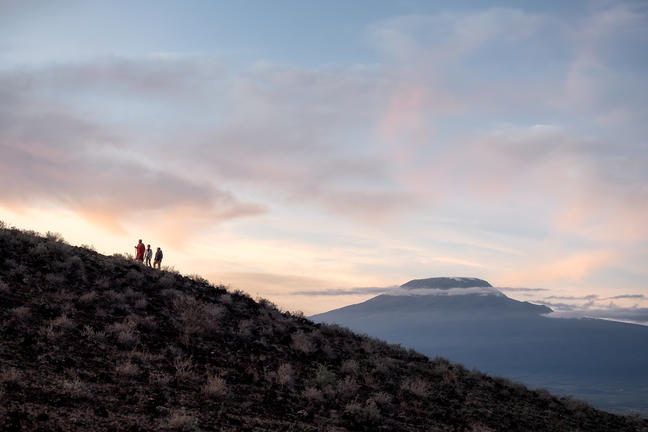
Amboseli is best known for its unrivalled views of Kilimanjaro and the local elephant population. There are over 1000 elephants in the park’s eco-system, featuring some of the largest in Africa. Elewana Tortilis Camp is situated in one of Amboseli's areas of Acacia Tortilis woodland, with the majestic backdrop of Africa's highest mountain, and the World’s highest free-standing mountain, snow-capped Kilimanjaro. Game drives, walks, sundowners and bush meals take place both inside the park and within a private 30,000-acre game concession. The tents are all spacious, with king or twin beds and elegant ensuite bathrooms. There is a main lounge, bar and dining area, all exquisitely built with natural materials and thatched roofs.
- Images
- Video
- Rooms
- Facilities
- Activities and Services
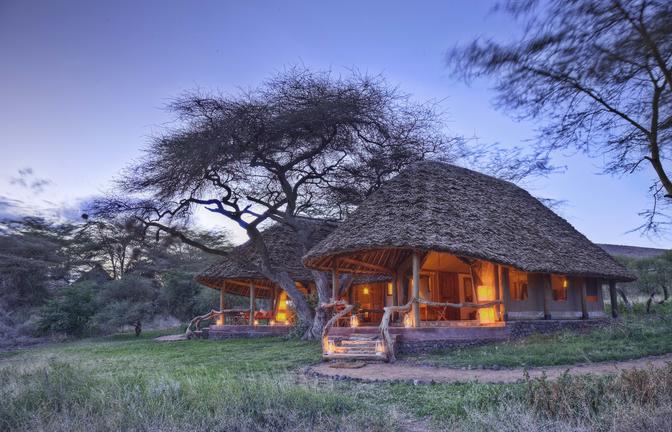
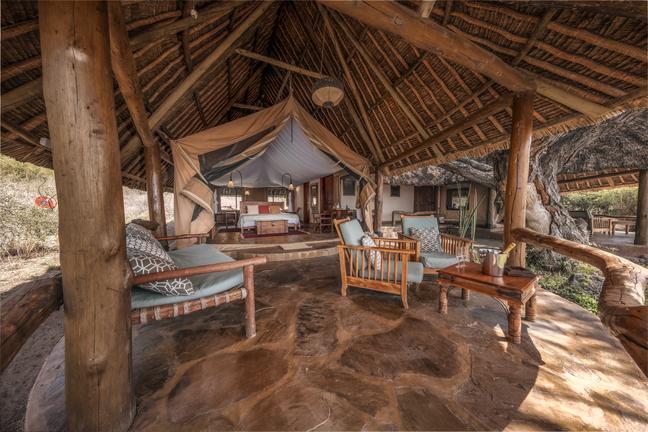
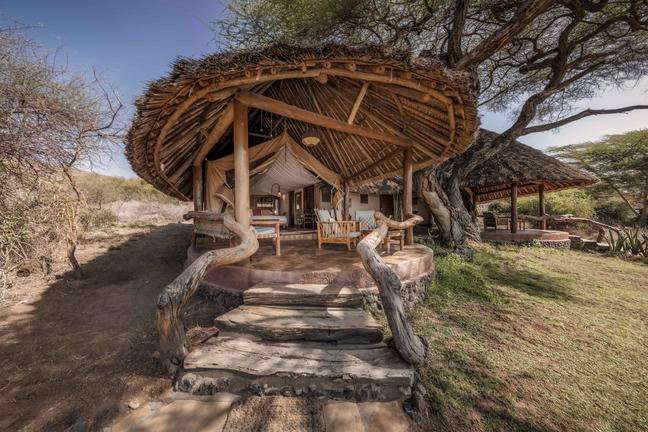
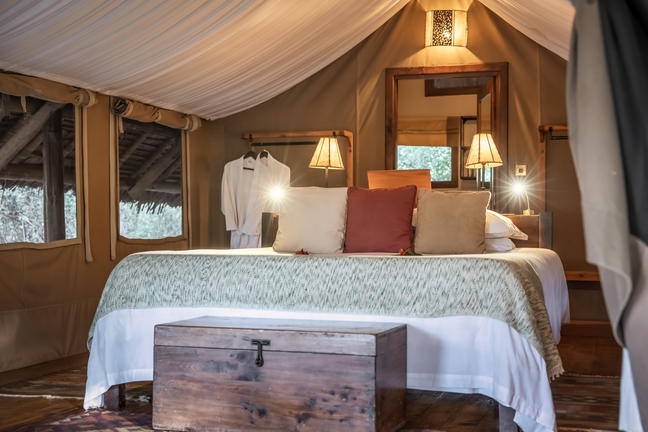
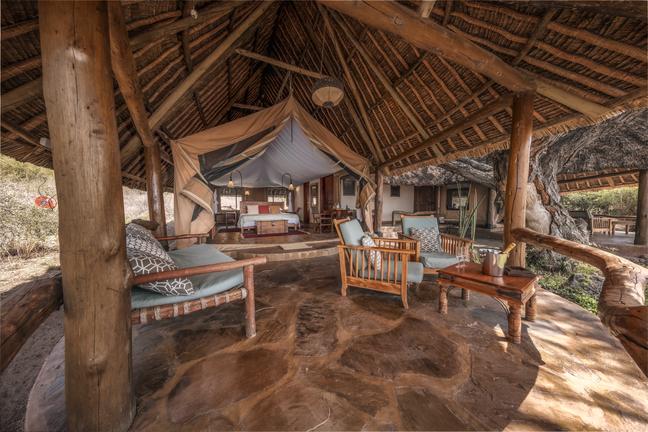
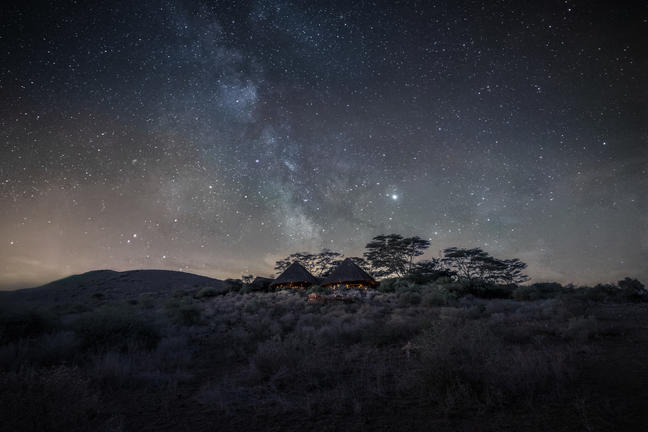
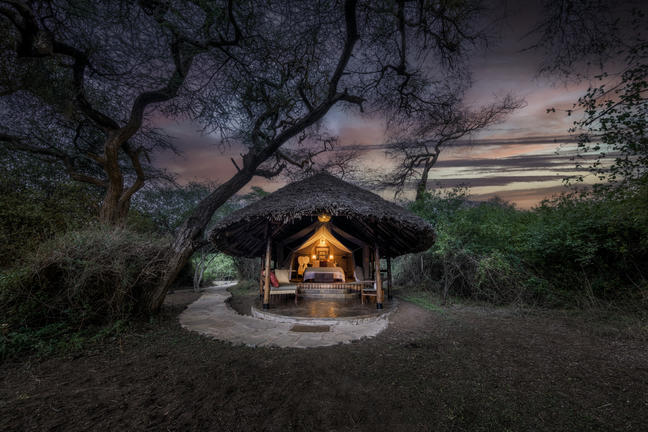
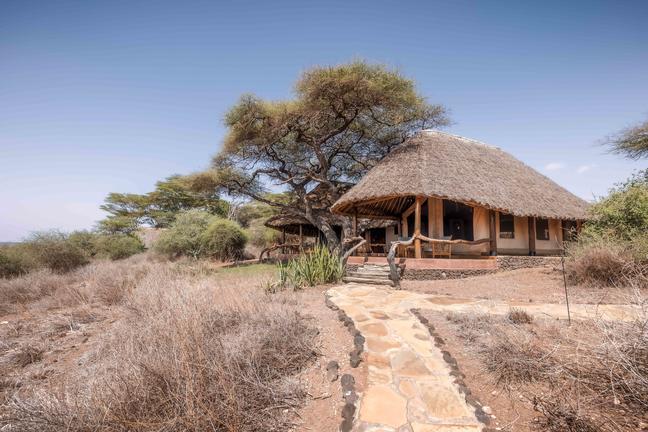
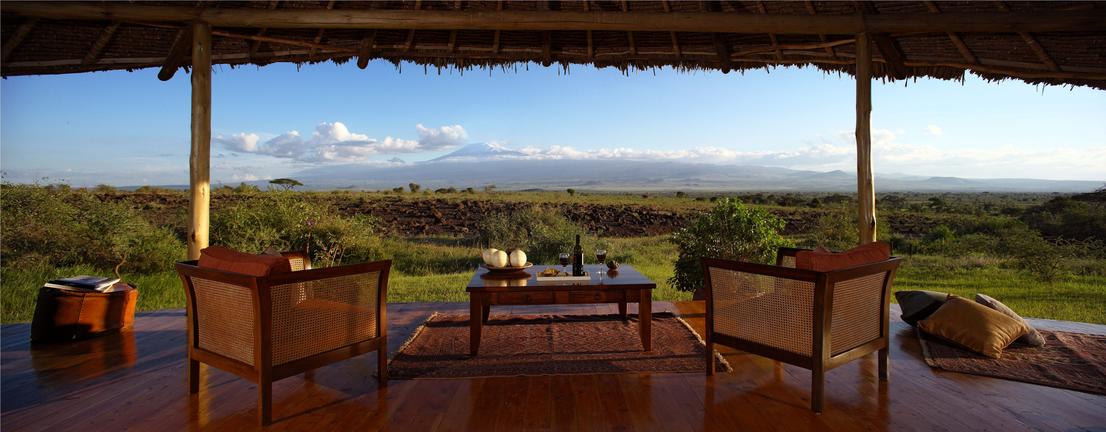
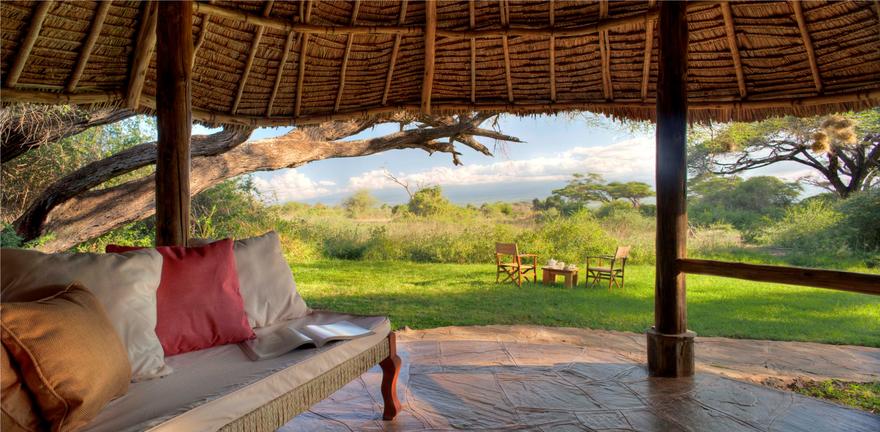
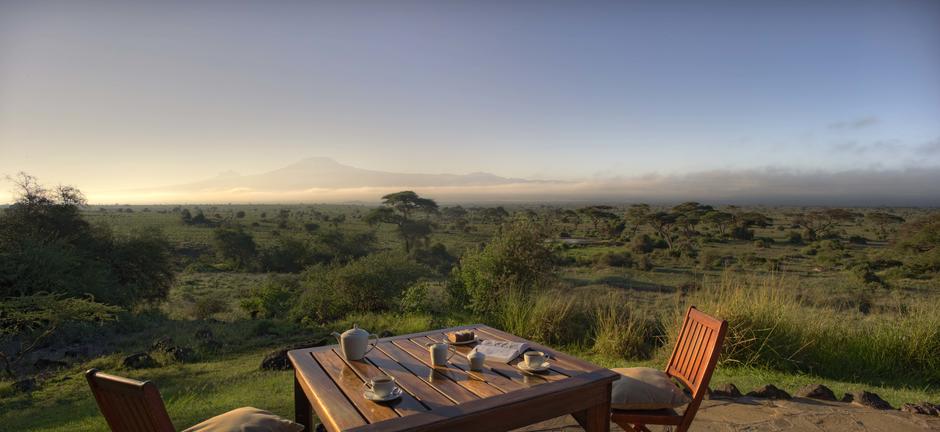
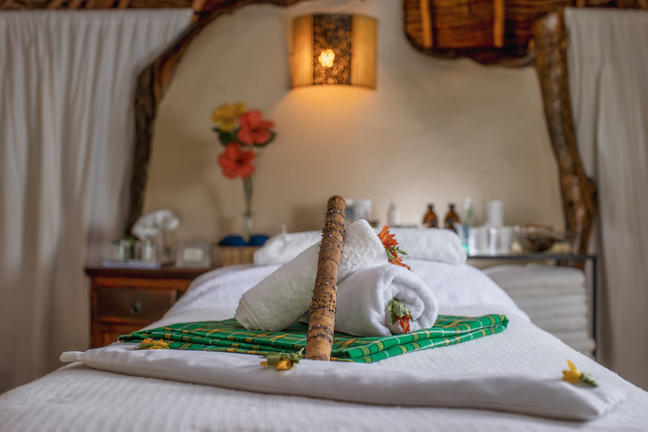
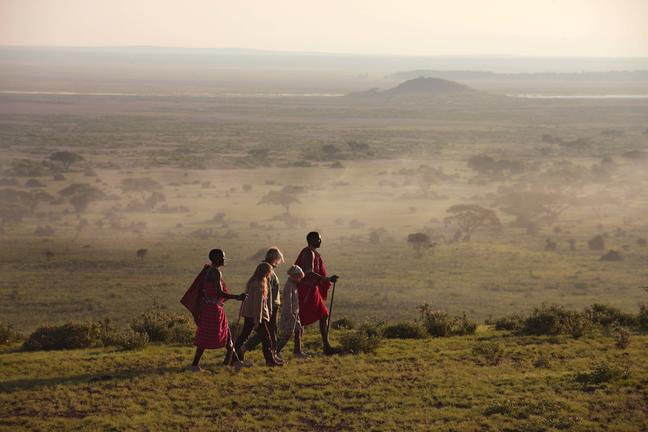
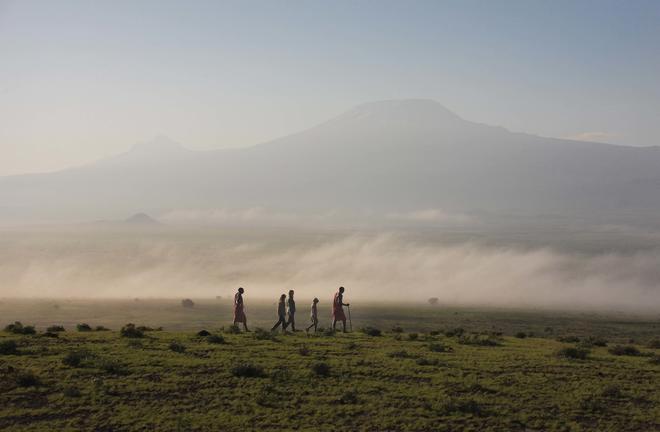
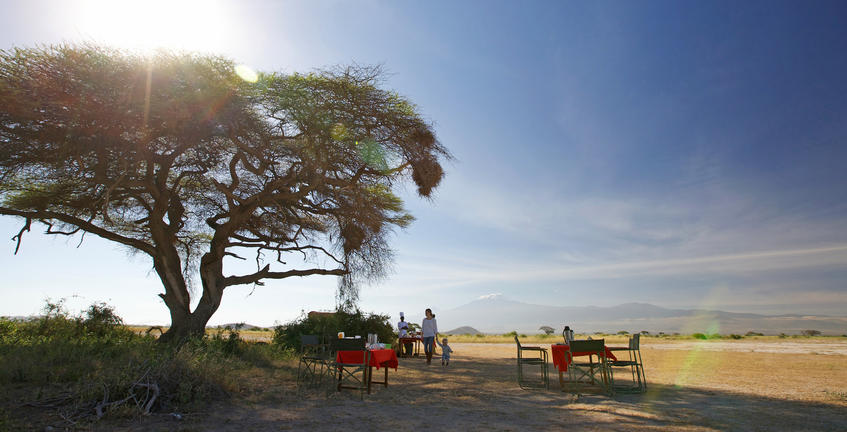
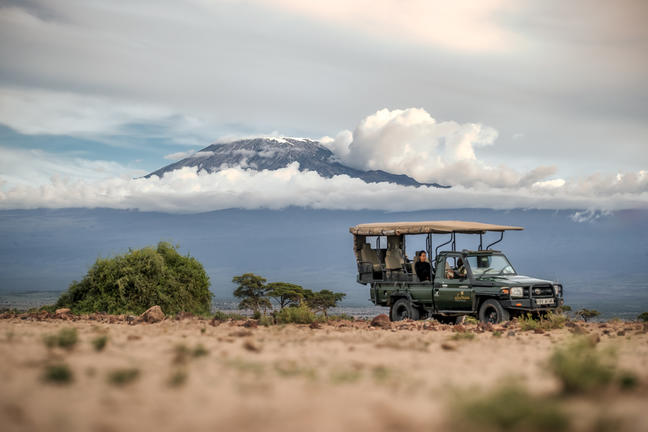
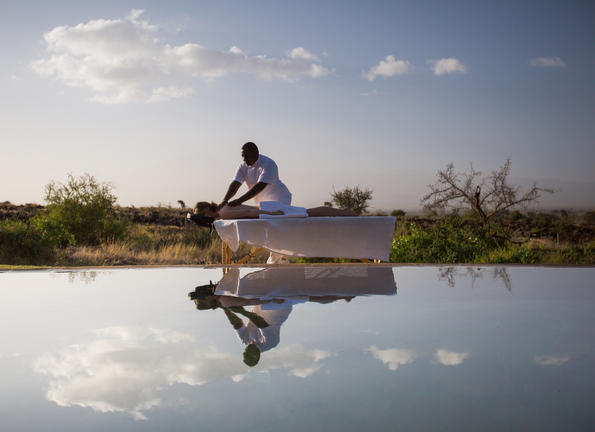
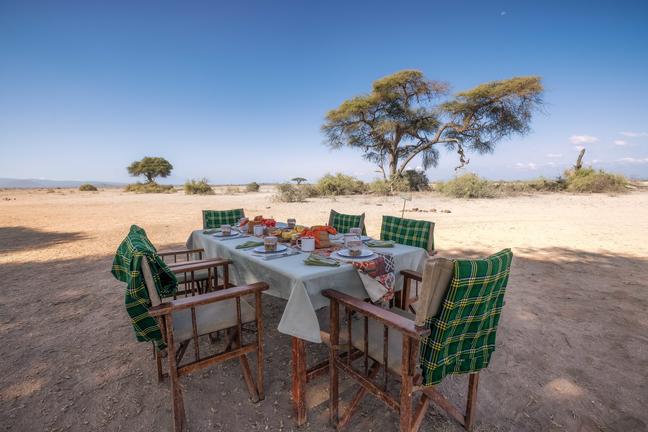
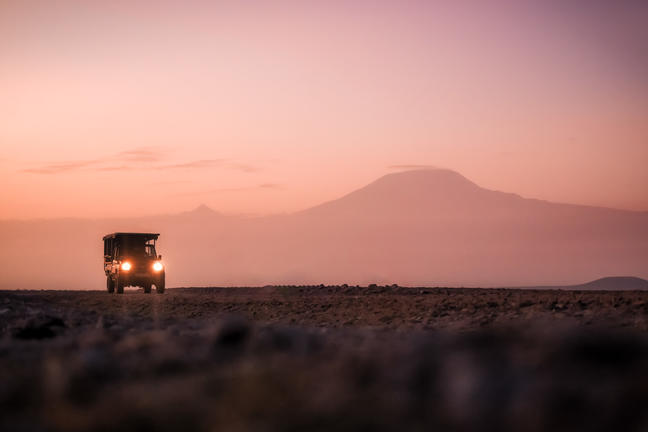
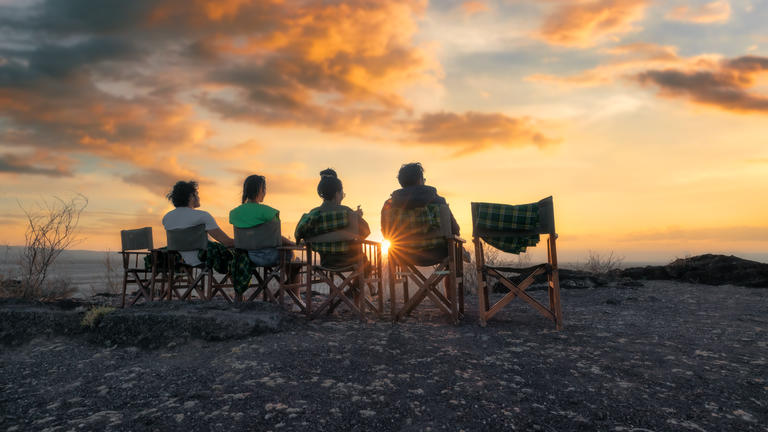
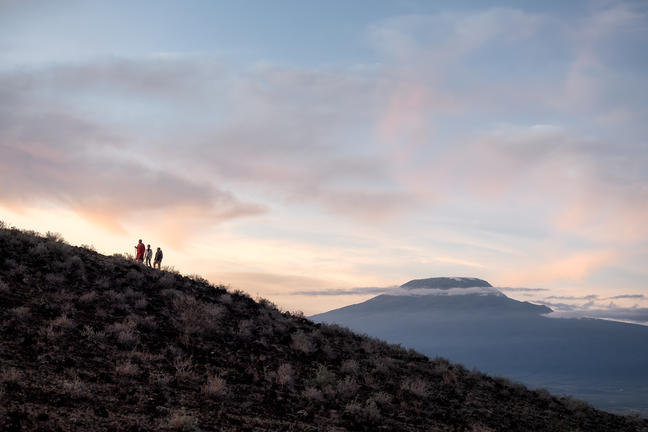
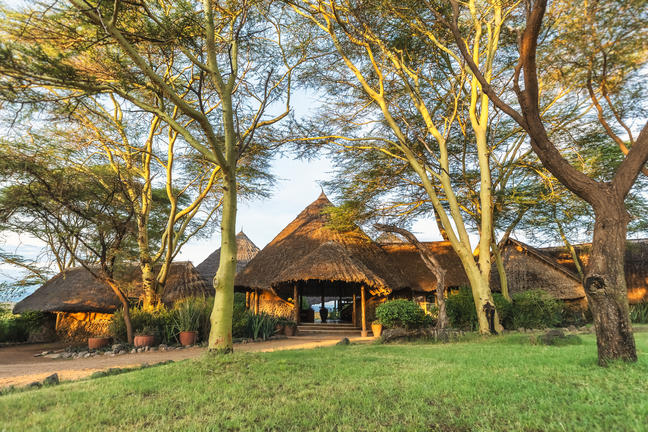
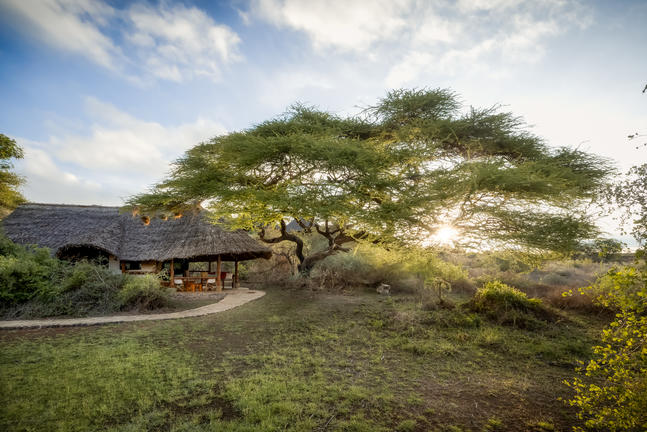
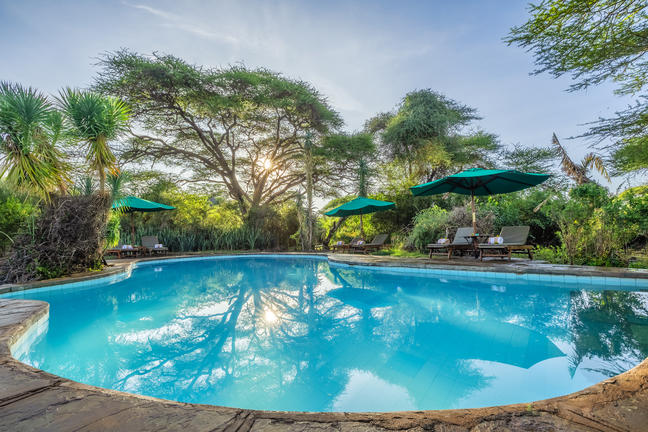
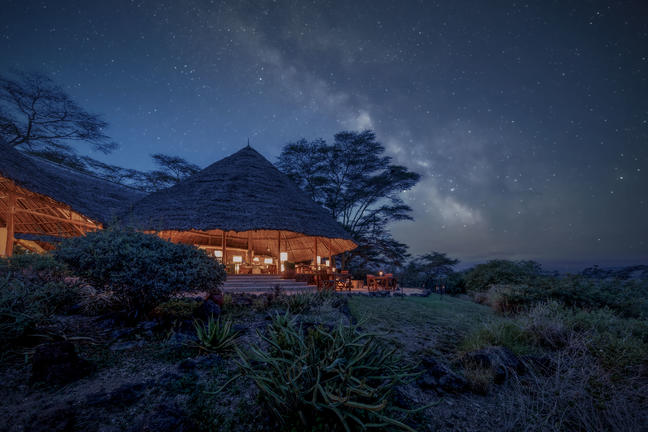
With Mt. Kilimanjaro peering down over the entire camp, each of Tortilis Camp’s 16 tents has a glorious view of the mountain.
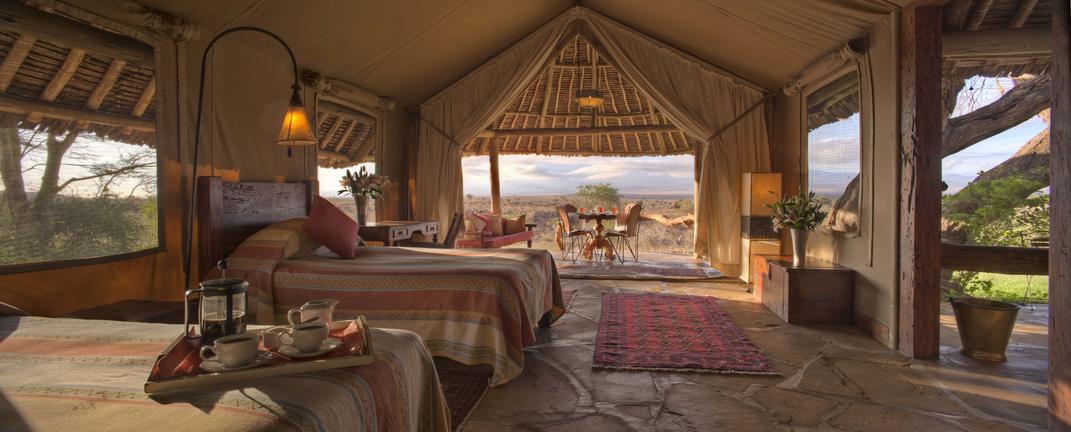
Each makuti-covered tent consists of a main bedroom with twin or double beds, en-suite bathroom and a spacious verandah. Let us know if you require twin beds or double bed.
[All tents can fit one extra bed, for children under the age of 16 yrs only]


With Mt. Kilimanjaro peering down over the entire camp, Tortilis Camp’s Private House has a glorious view of the mountain.
The Private House, newly refurbished 2014, consists of two en-suite double bedroom (one double & one triple) with a shared lounge and dining room with verandah.
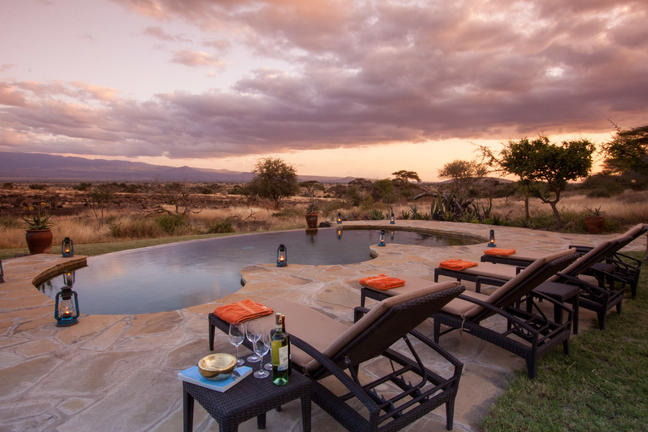
Private House and Family Tent share a private swimming pool.
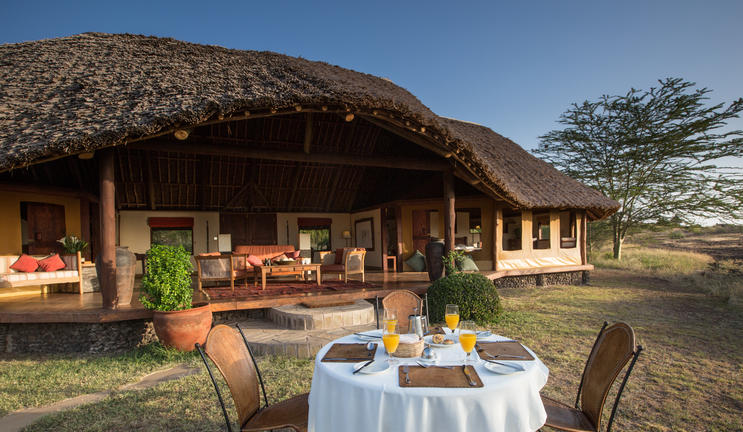

With outstanding views of Mt Kilimanjaro, enjoyed from the comfort of your own private family verandah, Tortilis Camp’s new Family Tent is another great addition to this child-friendly safari camp in Amboseli.
The Family Suite consists of two en suite bedrooms (one double & one twin) and a spacious private verandah.
[Both bedrooms can fit one extra bed for children under the age of 16 years only]
Private House and Family Suite share a private swimming pool.


Property Facilities
Bar, Battery Charging Facilities, Internet Access (Complimentary), Pool, Restaurant, Spa, Vegetarian
Room Facilities
Complimentary Wi-Fi, Dressing Gowns, Laundry Service (Complimentary), Lounge Area, Safe, Shower, Verandah
Available Services
24-hour Security, Credit Card Facilities, Laundry Service (Complimentary)
Activities on Site
Bird Watching, Game Drives, Game Viewing, High Tea, Massages, Walks (Guided)
Activities Nearby
Animal Encounters, Big 5, Bird Watching, Child Friendly Activities, Cultural Tours, Game Drives, Game Viewing, Game Walks, Walks (Guided)
Game Package - included
Full board - extra
Scheduled & shared game drives - twice daily
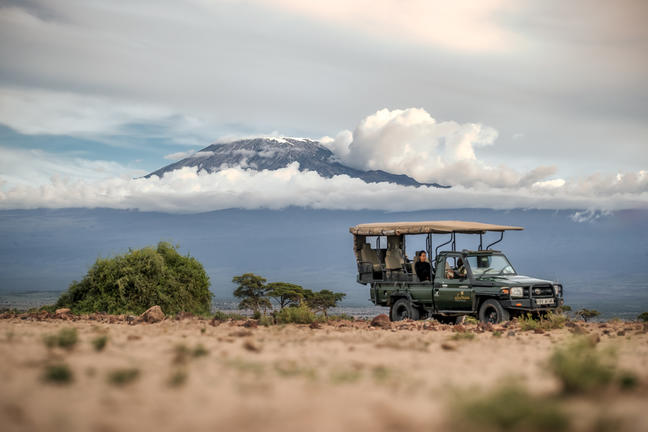
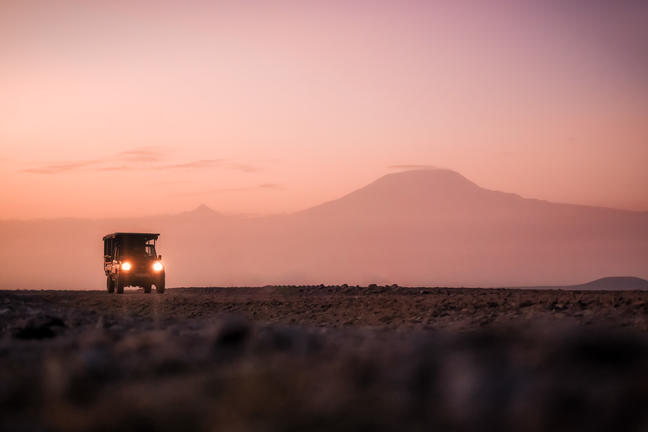
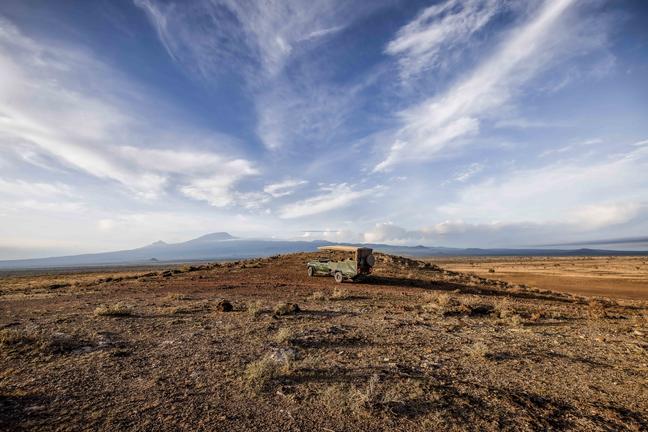
With only 10% of Amboseli National Park utilized by most safari vehicles, combined with Elewana Tortilis Camp’s unique location on the western edge of the park (most lodges are outside of the eastern gate of the park), guests can enjoy an almost private Amboseli. We also have private gamedriving within our own 30,000 acre Kitirua Conservancy, which is the western part of the Amboseli ecosystem.
Elewana Tortilis Camp boasts an elite fleet of custom-designed safari vehicles, and highly-qualified guides with intimate knowledge of their "backyards".
Game drives are included in Game Package.
Game package - included
Full board - extra
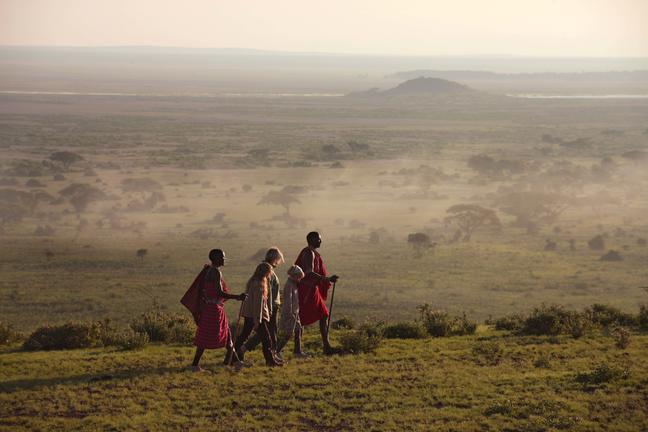
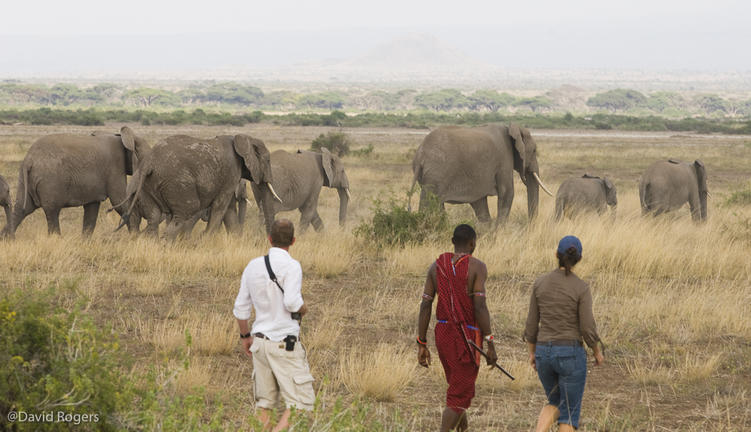
2 or 4 hour walking safari with professional guide.
Elewana Tortilis Camp’s walking guides are Masai from the local community, who have been walking over these plains since childhood.
Take the time to leave the car behind and enjoy the small things – tracks, dung beetles, micro-ecosystems. The guides are happy to share their knowledge of the terrain, traditional uses of wild herbs and barks, and the Masai way of life.
Guided walks are included in Game Package.
Game Package - included
Full board - extra
“Sundowners” are a safari tradition – after a day of safari; stop, watch the spectacular sunset; traditionally with a gin and tonic in hand!

Safari is also a holiday and a rest – a break from today’s frenetic lifestyle.
Tortilis Camp offers:
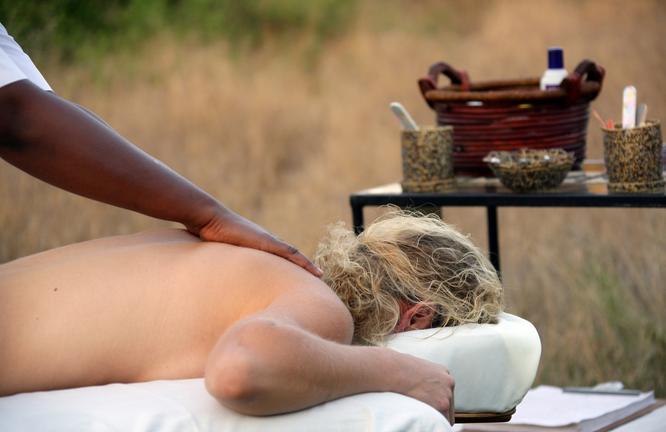
Massages – a wonderful way to ease the stress out of tired shoulders and backs.
Manicure and pedicure – compliment those tanned limbs!
Spa treatments are at an additional cost.
Maasai Cultural Visit | Min-2 guests : Max-6 guests.
In the heart of Masai country, Elewana Tortilis Camp offers visits to local Masai homesteads. The Masai live in semi-permanent huts known as Manyattas and it is the role of the wife to construct the hut from cattle dung and grass. The families will show you round their home for a fee (payable separately, ask reception for details), and will want to take the opportunity to sell their traditional handicrafts – bargain hard!

Bush breakfast or lunch.
Game package - included
Full board - extra


Balloon Safari on request at extra charge.
Picnic Lunch Box.
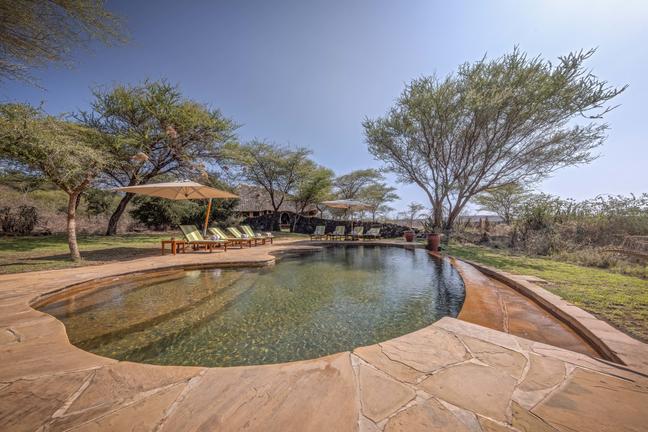
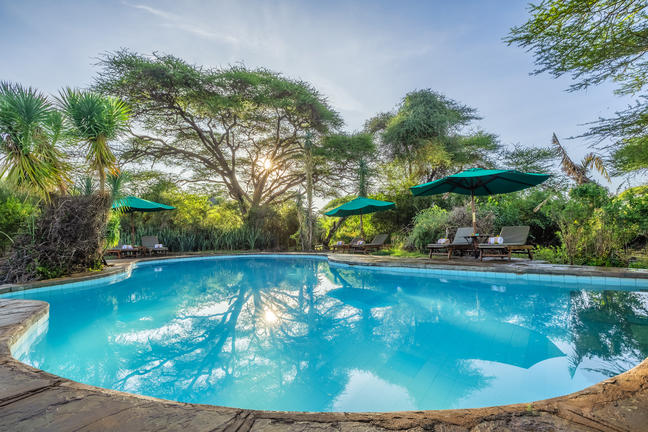
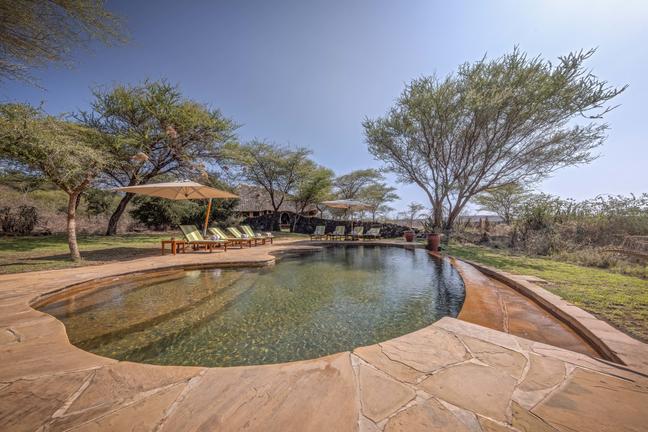
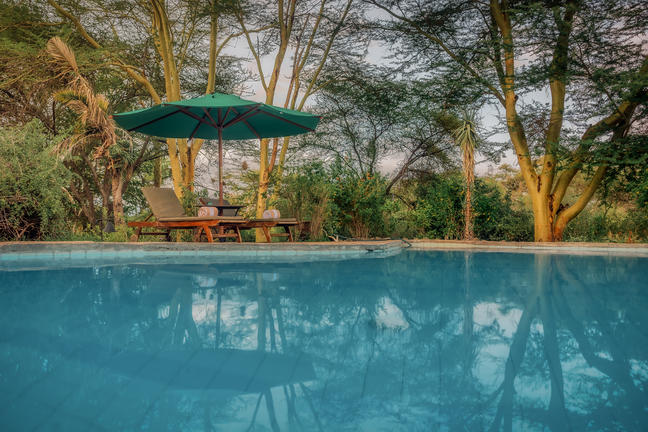
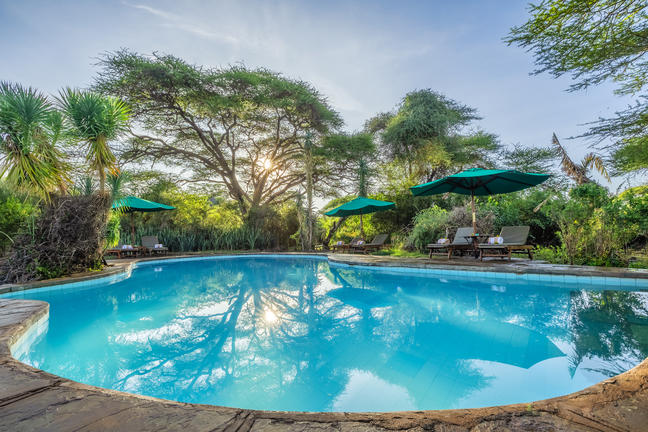
Enjoy the cool waters in the heat of the day!
Within the lush green gardens, the pool is shaded by palms and acacia Tortilis, and a haven for tropical birds. The swimming pool has bar service and board games.
Your Stay
3 Nights
Full Board Plus - Dinner, Bed, Breakfast, Lunch and Activities
Fast Facts
5 Stars
Lodge
Spoken Languages: English, Italian, Swahili
No. Rooms: 18
Special Interests: Big 5, Birding, Flora, Hiking, Leisure, Nature, Relaxation, Wildlife
Lewa House | Lewa Conservancy
19 Oct 2020 - 22 Oct 2020
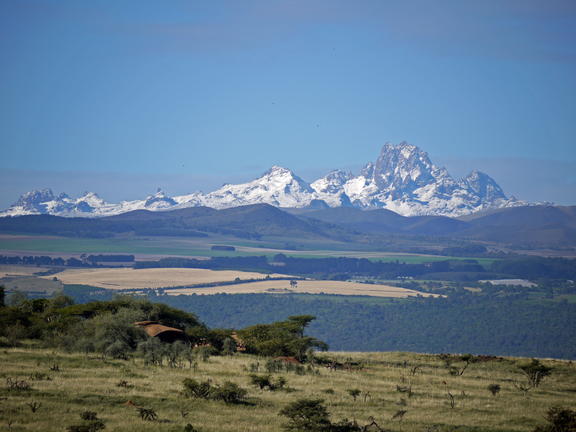
Lewa House is set on top of a hill with an engaging panoramic view of the rolling landscape of the Conservancy, and overlooks the luggas (valleys) and hills, with the horizon rising to the eye-catching views of the Mathews range and the sacred mountain of the Samburu, Mount Ololokwe.
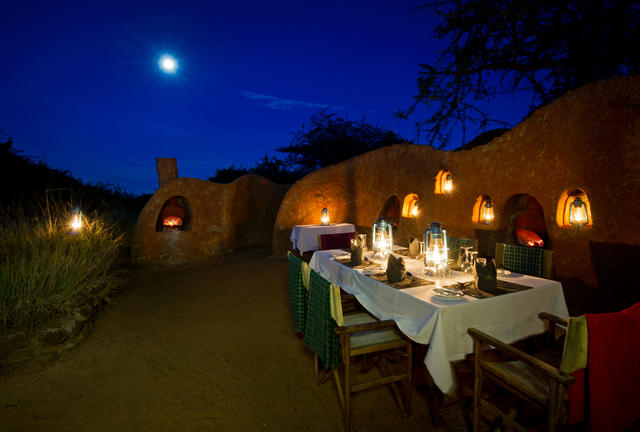
The accomodation at Lewa House is 3 of the original thatched family cottages, each comprising of two en-suite rooms and a large shared veranda. The 4 more recently added earthpods are built with sustainable, ecological principles in mind. The heart of Lewa House is a large elegant building with an open fireplace at one end and at the other is a large family dining table where the evening meals are served, hosted by Calum and Sophie Macfarlane.
There is a large shaded verandah extending away from the main house with a comfortable seating area from which you can enjoy a cool afternoon drink and soak in the very special atmosphere of Lewa House.
- Images
- Video
- Rooms
- Facilities
- Activities and Services

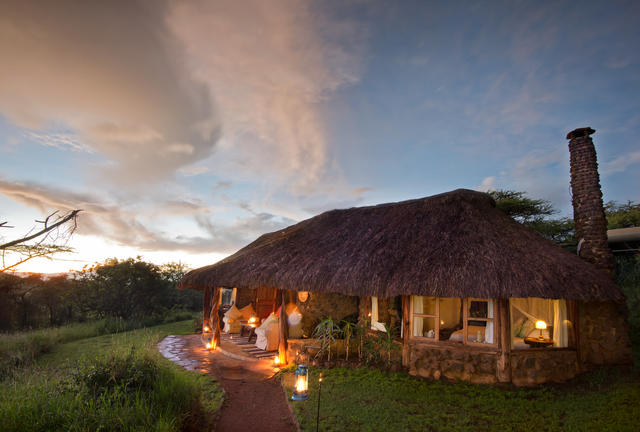
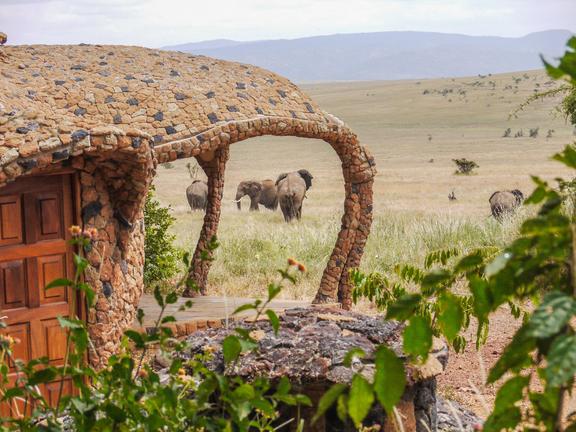
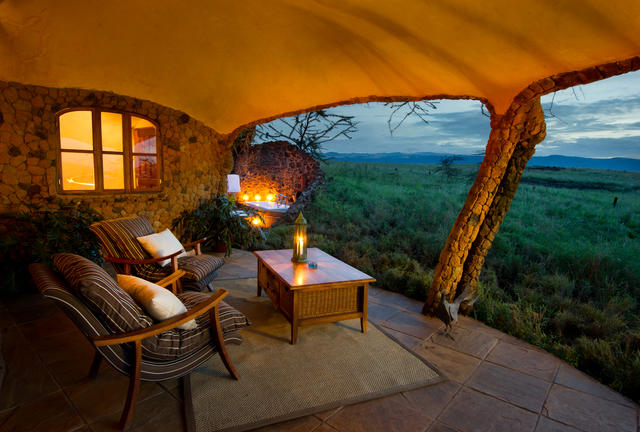

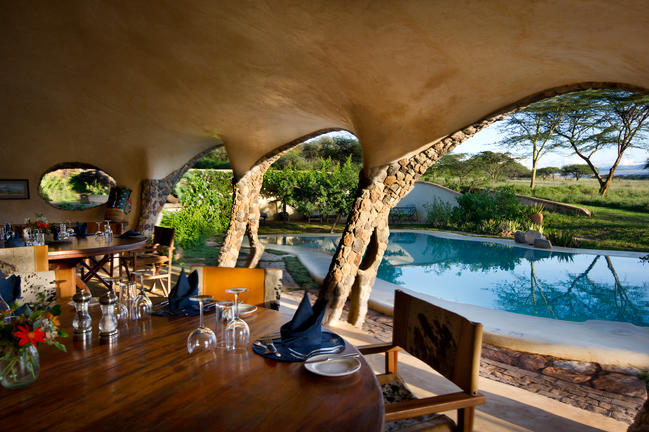
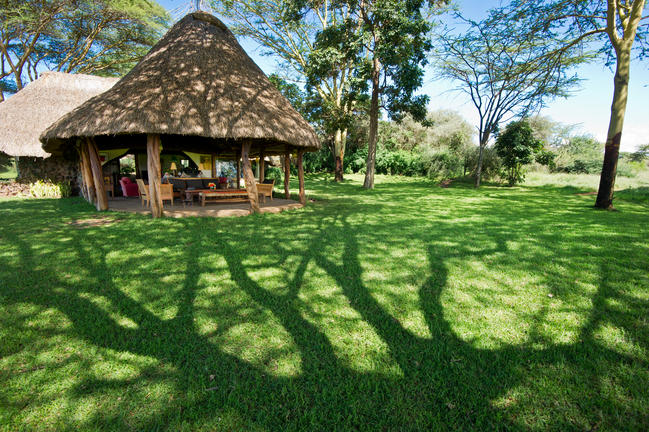
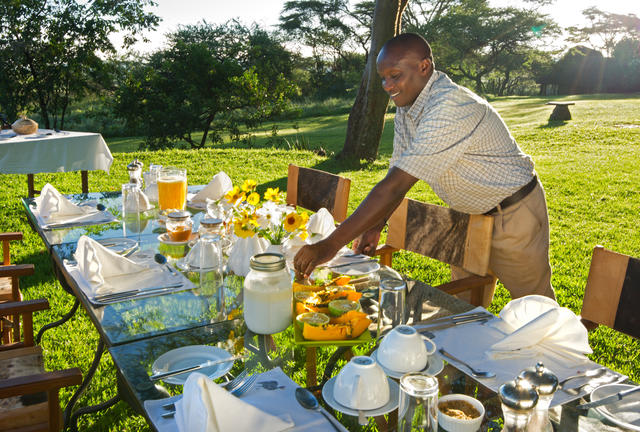
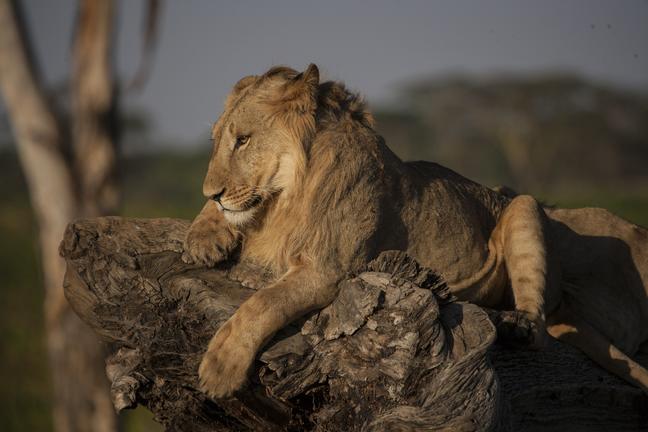

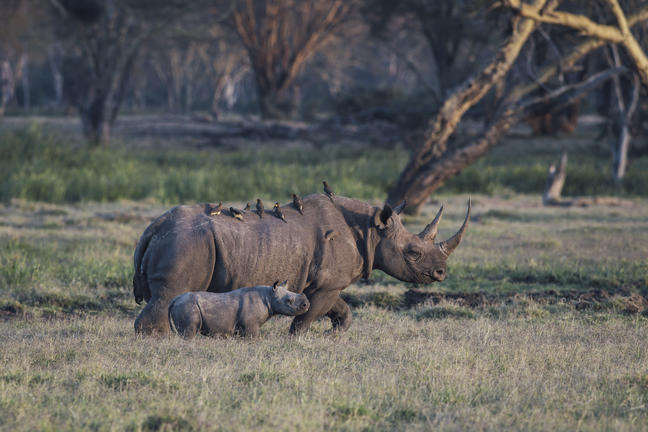
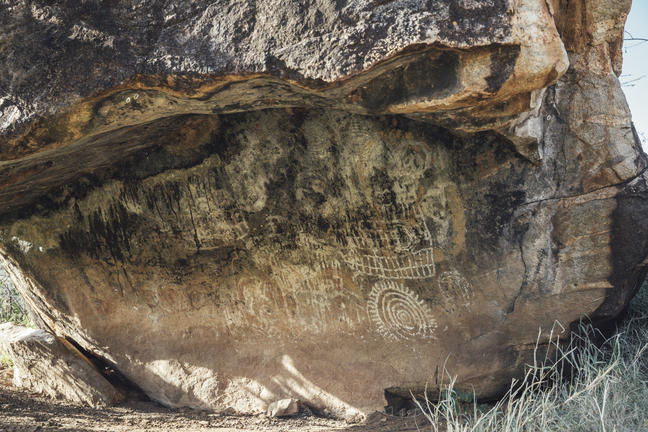

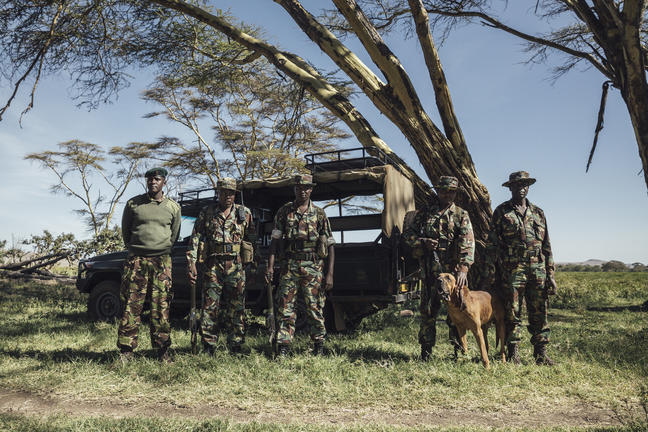

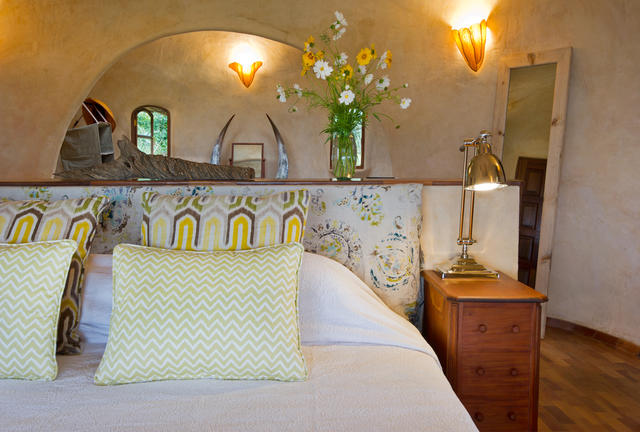

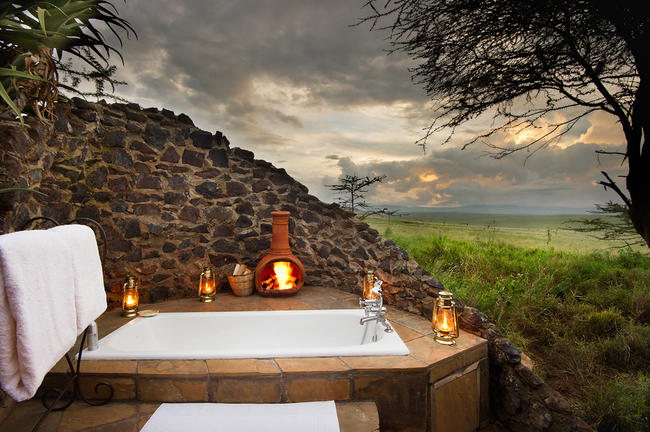
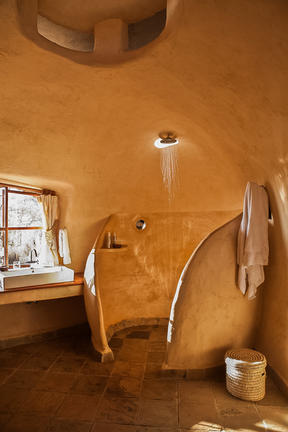


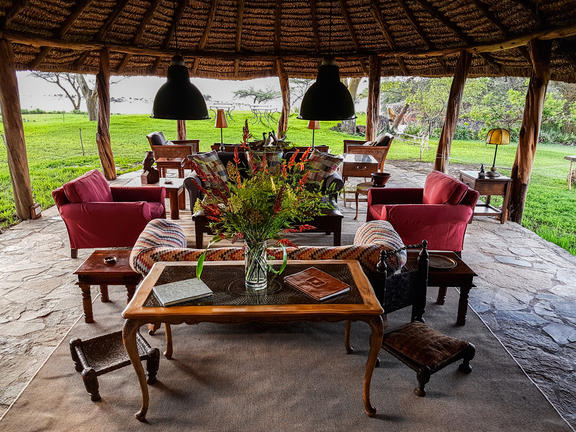




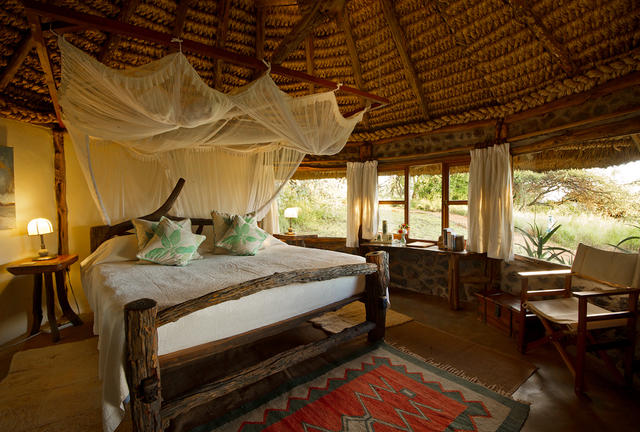
The latest additions to Lewa House are four rooms (or earth pods.) Their novel architecture is designed to disappear into the landscape, collect and store rainwater and maintain an even temperature. They have a simple, elegant décor that compliments their views over the Northern Frontier of Kenya.


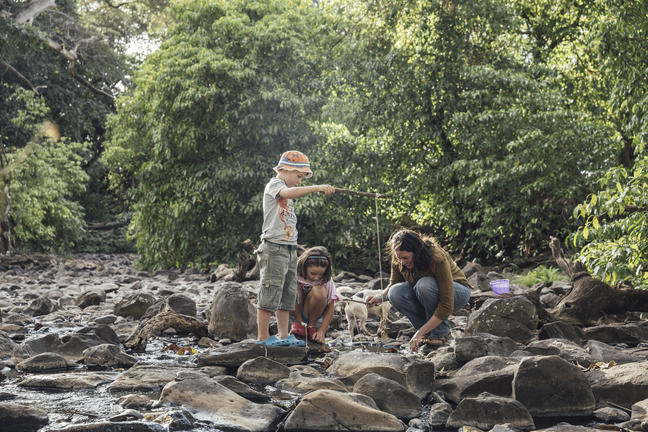
If you’re traveling as a family and want to be close to each other, a thatched, family cottage is perfect for you.
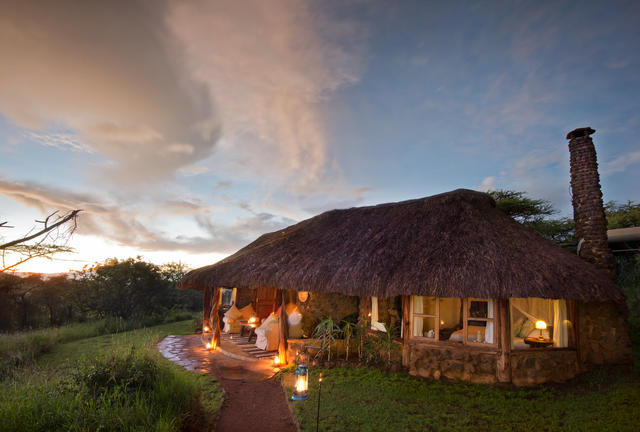
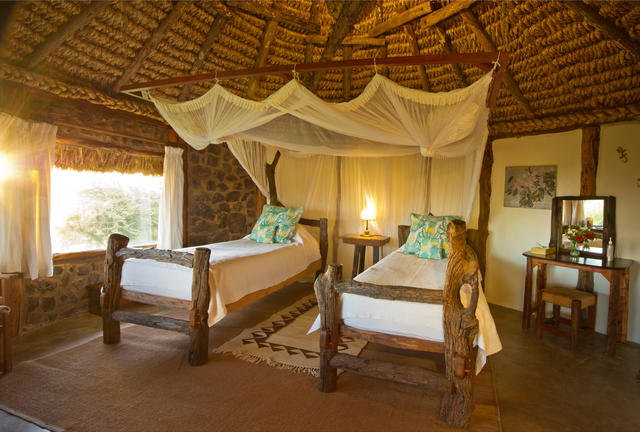
Our charming cottages are part of the original house. They are built using the traditional Lewa architecture of rough stone walls and thatched roofs and are furnished with beautiful rough-hewn hardwood furniture.
The cottages consist of a double and twin room, each with an en-suite bathroom. Adjoining the two bedrooms is a large verandah where you and your family can sit and enjoy early-morning biscuits and coffees before heading out into the Conservancy.



Property Facilities
Communal Dining, Malaria Free, Mobile Connectivity, Pool, Secure Parking, Vegetarian
Room Facilities
Balcony / Deck, Laundry Service (Complimentary), Mosquito Nets, Shower, Verandah
Available Services
24-hour Security, Laundry Service (Available), Laundry Service (Complimentary), Private Vehicle (Available)
Activities on Site
Big 5, Bird Watching, Fine Dining, Fishing, Game Drives, Game Viewing, Game Walks, Garden Tours, High Tea, Safaris
Activities Nearby
Adrenaline Activities, Animal Encounters, Big 5, Bird Watching, Child Friendly Activities, Fishing, Fly Fishing, Game Drives, Game Viewing, Game Walks, Helicopter Rides, Hiking, Horse Riding, Safaris
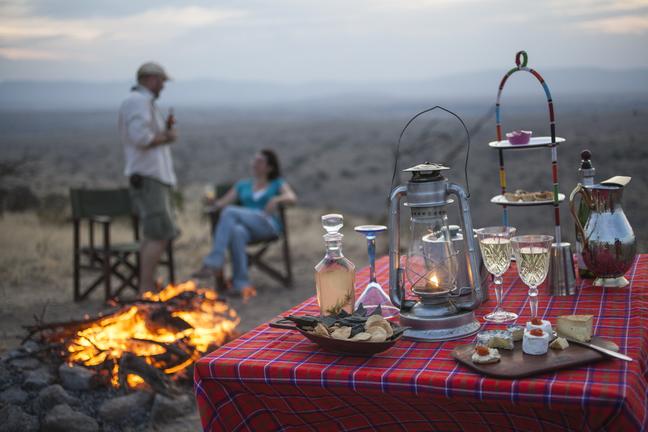
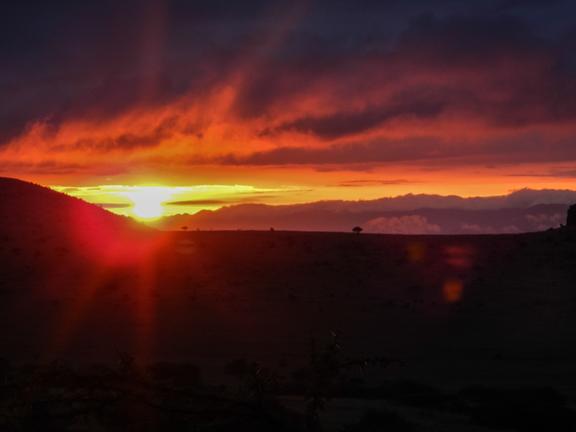
Enjoy gorgeous views over the Conservancy whilst enjoying a sundowner
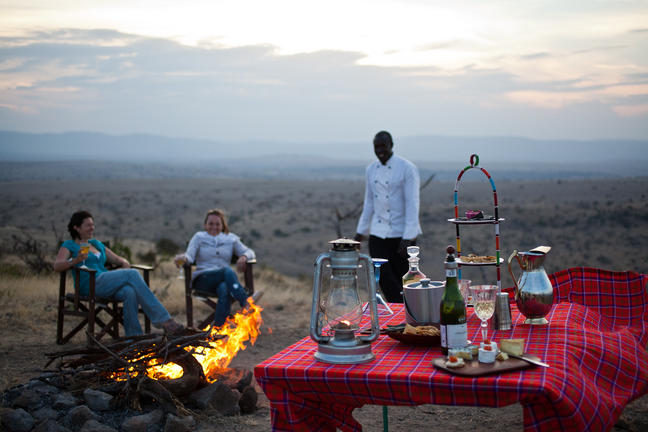
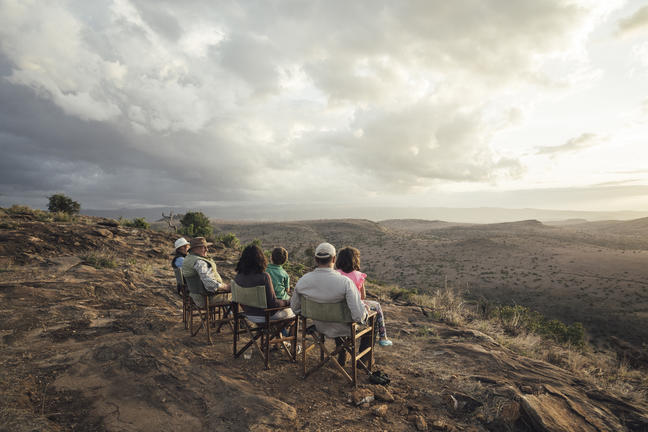
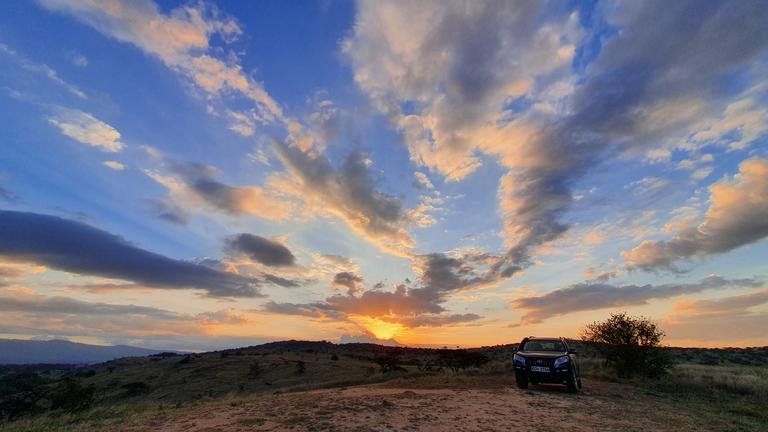
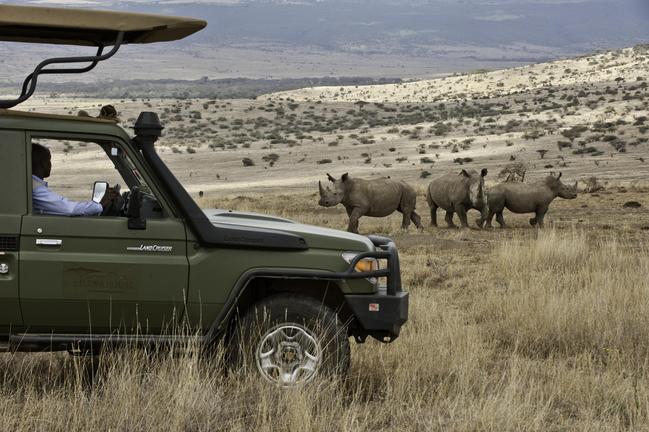
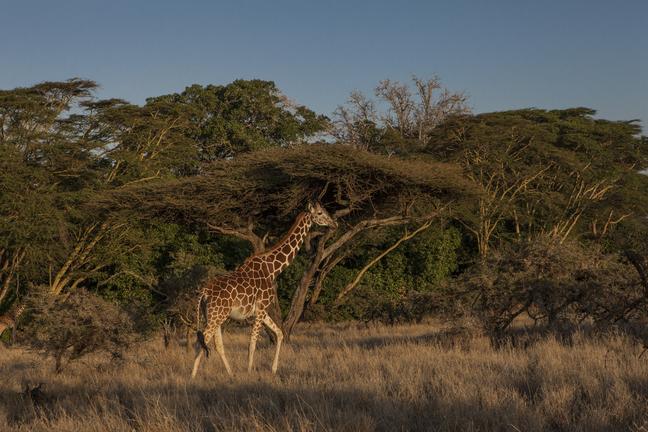
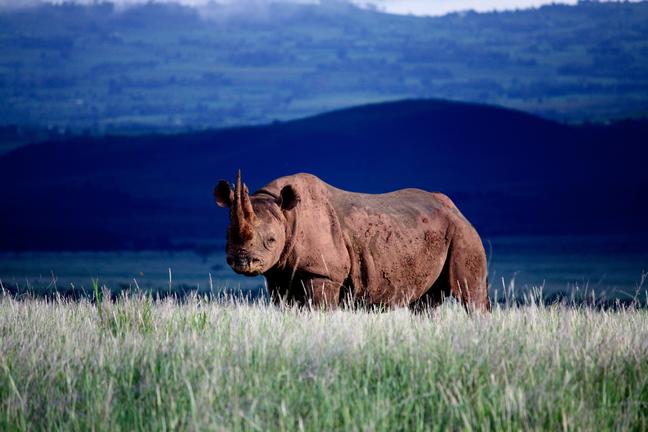
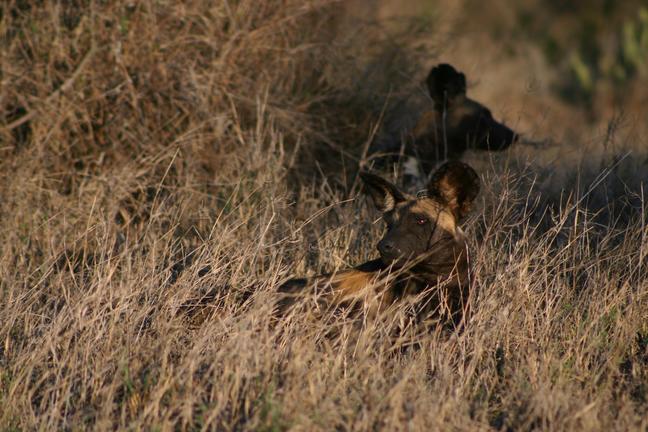
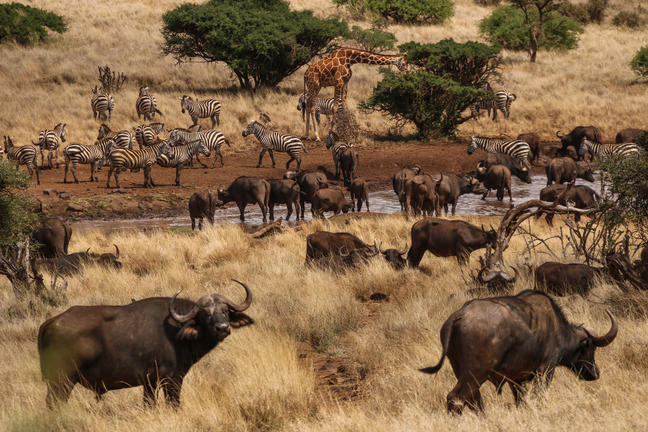
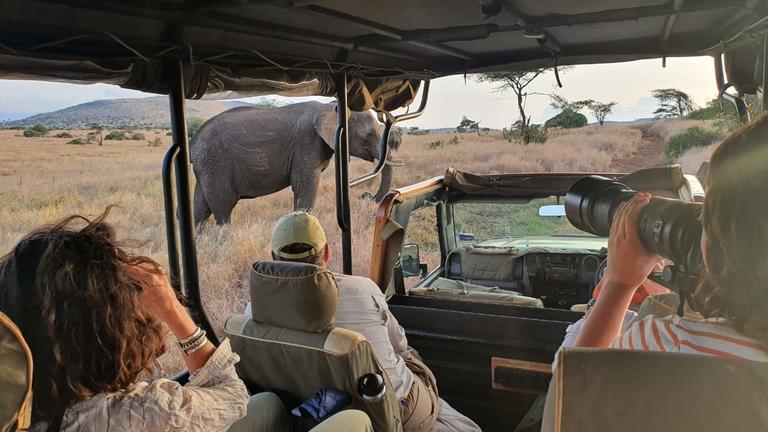
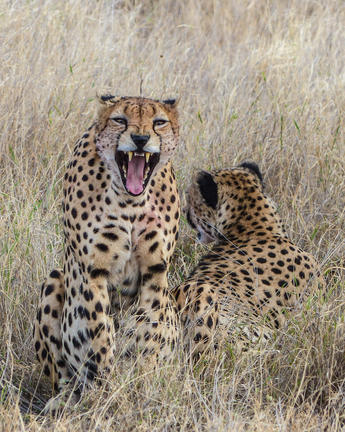
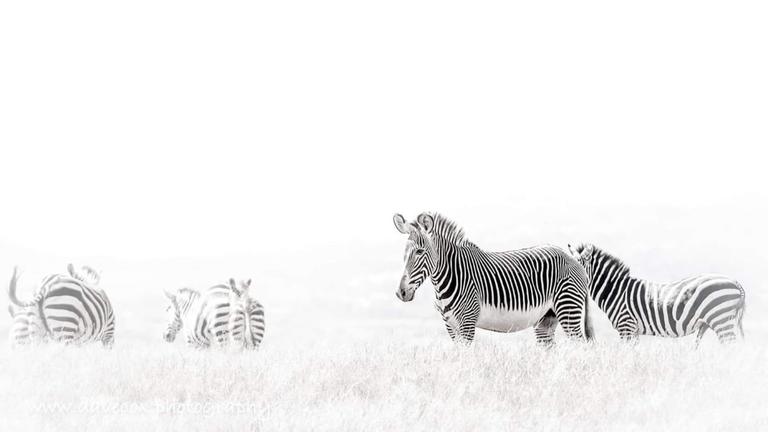
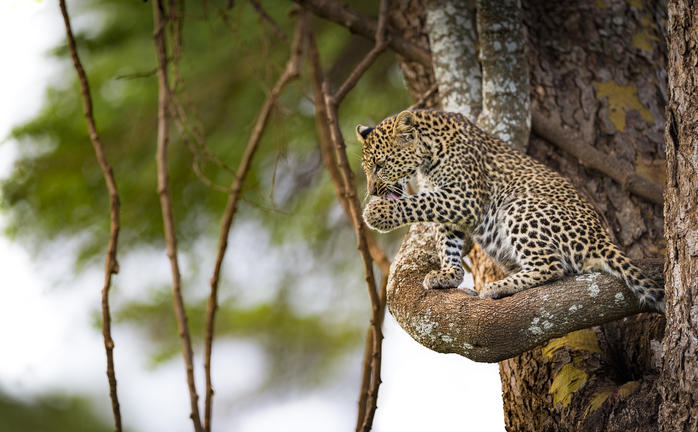
A team of fully-qualified driver guides are on hand for vehicle safaris across the conservancy. The specially adapted open vehicles allow for excellent viewing but it is the richness of the game that our guests talk about. All the main safari predators, the rare Grevy zebra and of course the threatened rhino can be viewed in abundance. A particular favourite and well recognised aspect of the area near the lodge are the good elephant numbers and at least weekly sightings of the illusive wild dogs. The game drives are on your terms using our experience and are not limited to daylight hours. We often explore the conservancy by night using spotlight and the full moon when it obliges.


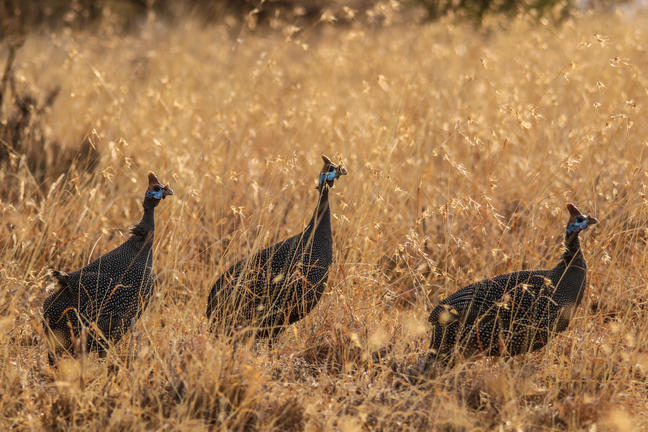


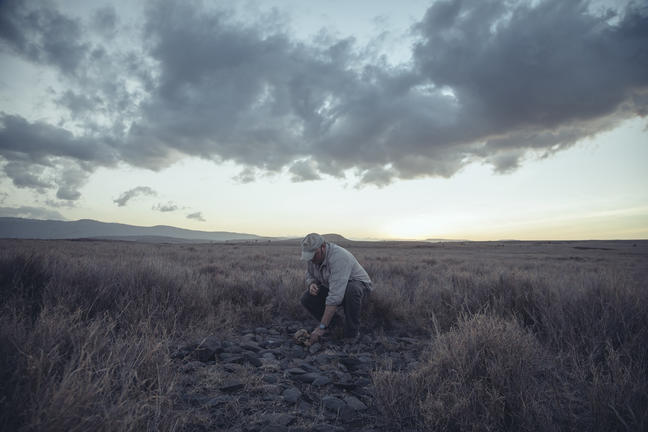
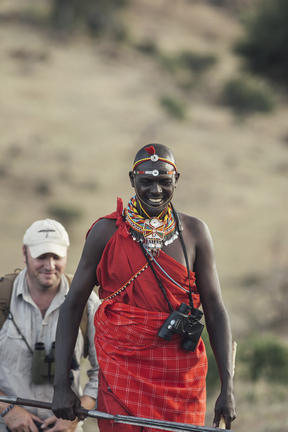
Game walks with Calum, a FGASA qualified Trails Guide, which we hope will open up the landscape and let you appreciate the smaller (or sometimes very large) animals as well as the tracks, trails, signs, sights, sounds and smells of the wilderness – something you often miss from the car.
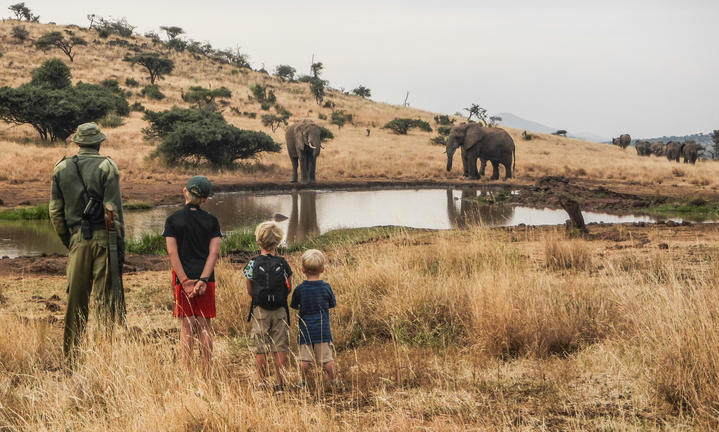
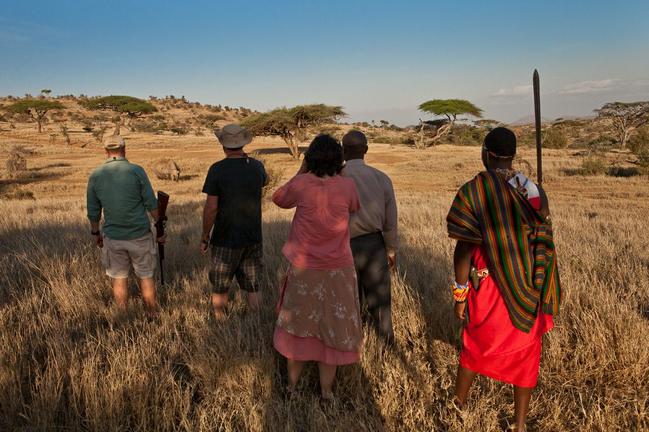
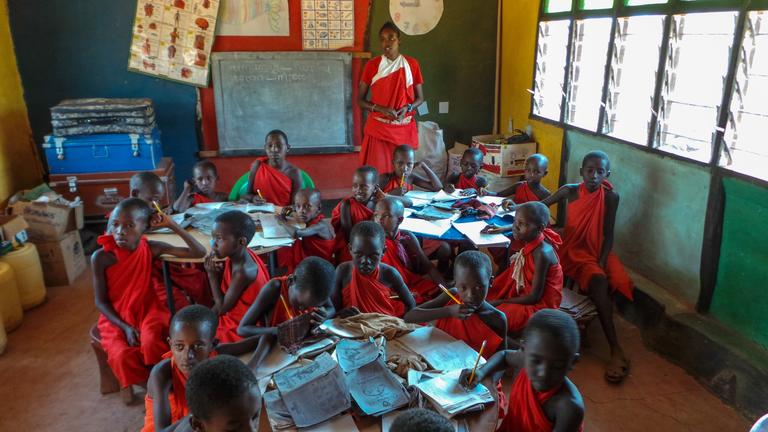
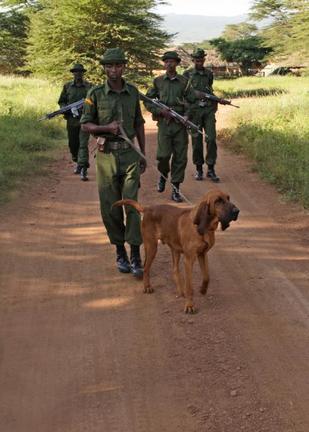
Guests can also visit the Lewa Wildlife Conservancy headquarters to find out more about their pioneering conservation and community work such as a visit to the anti-poaching tracker dogs or a visit to the LWC sponsored local school or other community project.

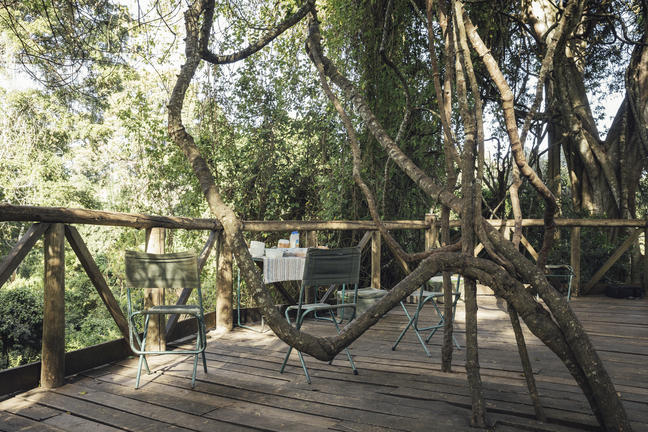
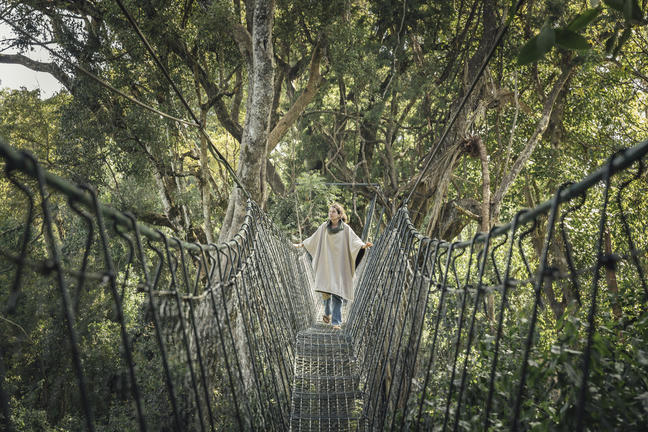
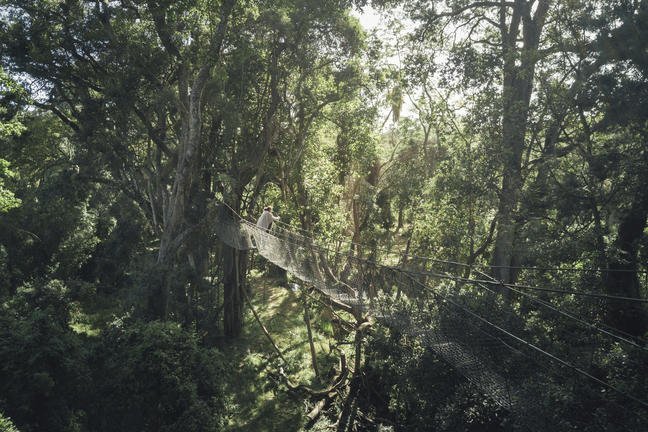
The canopy walkway is a 40 ft. high aerial bridge of wiremesh and cables meandering through the tree canopy and extending 450 metres long. The walkway ends at a wooden platform 30ft. high, where you can relax and enjoy a view of the river from this elevated vantage point. Elephants and buffaloes frequently come here to drink and wallow, and one can enjoy a drink or a meal at the lofty leafy deck.

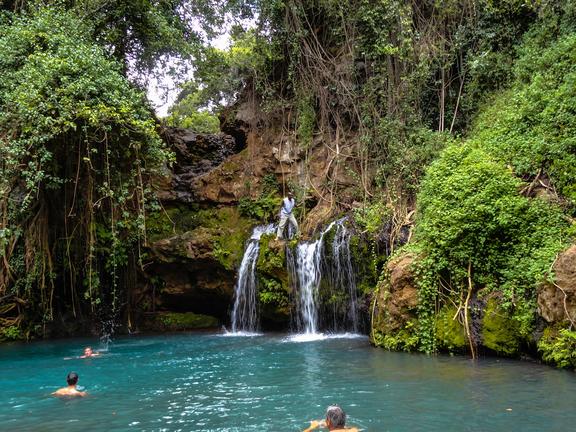
Visit the beautiful Ngare Ndare azure waterfalls and perhaps jump into the cool clear water.


Archeological remains of much earlier occupation of the area are found at Lewa and are some of Kenya’s best archeological sites outside the Rift Valley. The hill on which Lewa House is built is home to warrior graves many thousands of years old. They were a tall race who communicated with rock gongs. Later people developed these gongs into a game that’s now played all over Africa.
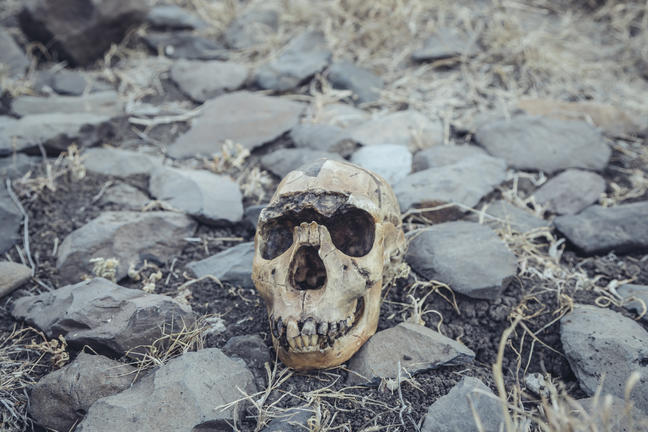
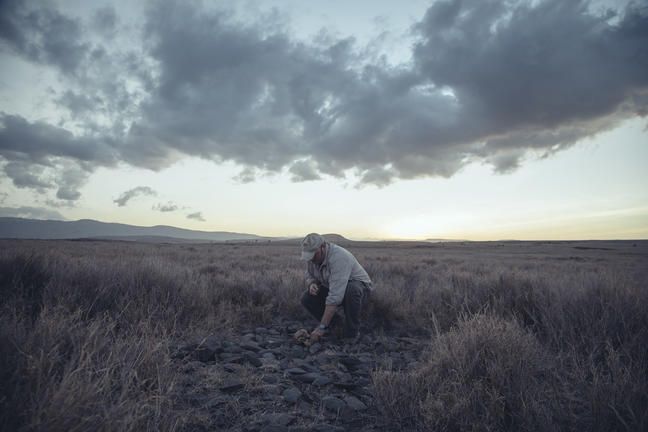
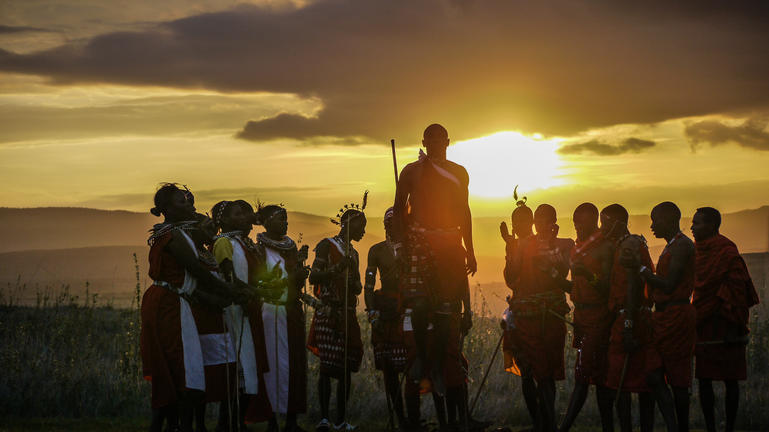
The Il n’gwesi people (Northern Masai) to our north, have a fascinating history and culture. Visiting them is an authentic and engaging experience.
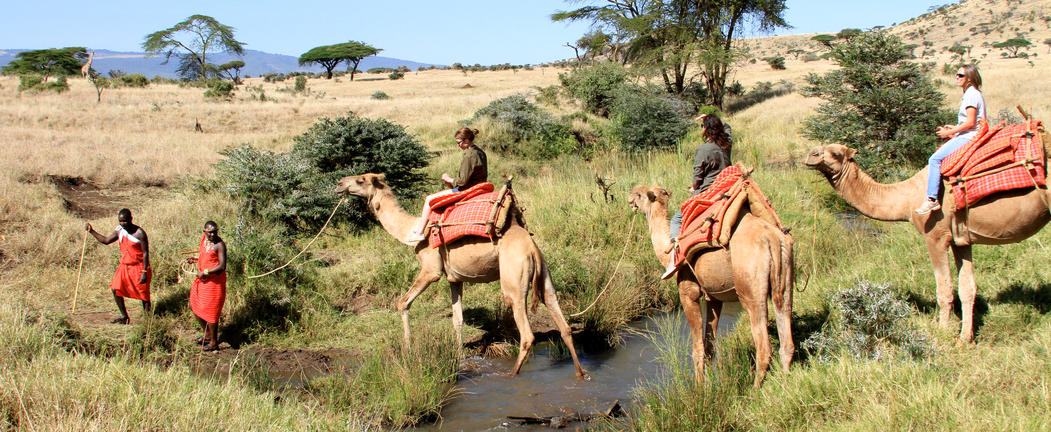
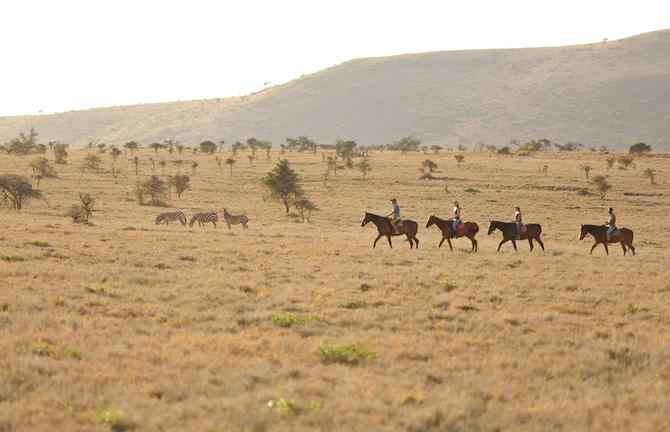
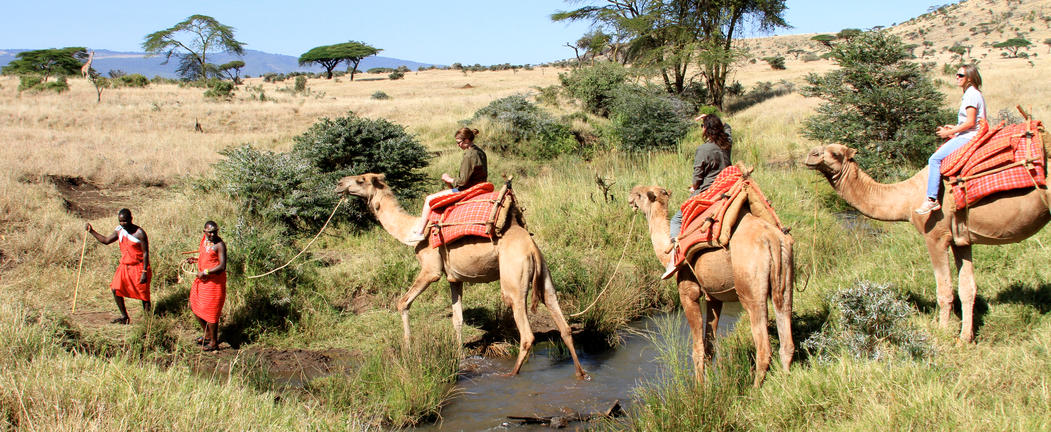
Head out on a camel or by horseback for a unique safari experience.
Your Stay
3 Nights
Full Board Plus - Dinner, Bed, Breakfast, Lunch and Activities
Fast Facts
Lodge
Spoken Languages: English, Swahili
No. Rooms: 7
Special Interests: Adventure, Big 5, Birding, Flora, Hiking, History & Culture, Leisure, Nature, Relaxation, Star Gazing, Wildlife
Governors' Il Moran Camp | Masai Mara National Reserve
22 Oct 2020 - 26 Oct 2020
Governors' Il Moran Camp is widely regarded as one of the premier camps in the Masai Mara, with the best game viewing right on your doorstep.
- Images
- Video
- 360 Panoramas
- Rooms
- Facilities
- Activities and Services
- The good we do

Il Moran virtual tour
Luxury tent
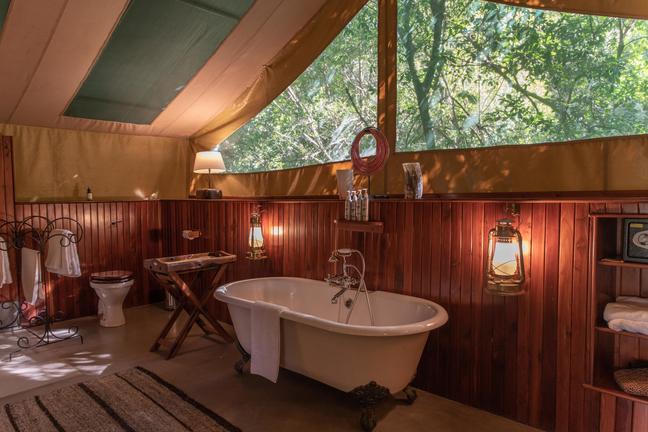
Governors’ Il Moran Camp has ten vast, luxurious tents that feature super ‘king size’ beds fashioned from ancient fallen olive trees and Victorian style baths. Il Moran is an ideal camp for honeymooners and couples who are looking for a very special safari experience.




Room Facilities
Balcony / Deck, Bath Towels, Bath, Bed Linen, Complimentary Wi-Fi, Dressing Gowns, En Suite Bathroom, Ensuite, Hairdryer, Hand Towels, Laundry Facilities, Laundry Service (Available), Laundry Service (Complimentary), Shower, Twin Bed
Property Facilities
Bar, Battery Charging Facilities, Internet Access (Complimentary), Kiddies Club, Malaria Free, Mobile Connectivity, Restaurant, Vegetarian
Room Facilities
Balcony / Deck, Bath, Complimentary Wi-Fi, Dressing Gowns, Electrical Outlets, Internet Access (Complimentary), Laundry Facilities, Laundry Service (Available), Laundry Service (Complimentary), Lounge Area, Mini Bar (Complimentary), Mini Bar, Pure Cotton Linen, Safe, Shower, Tea / Coffee, Verandah, Wheelchair Friendly
Available Services
24-hour Security, Airport Shuttle (Available), Credit Card Facilities, Disability, Laundry Service (Complimentary), Meal on Request, Private Vehicle (Available), Room Service
Activities on Site
Big 5, Bird Watching, Game Drives, Game Viewing, Massages, Safaris
Activities Nearby
Animal Encounters, Big 5, Bird Watching, Cultural Tours, Game Drives, Game Viewing, Hot Air Ballooning, Rhino Tracking, Safaris
Governors’ Camp Collection properties combine the best locations in the Masai Mara with the best-designed vehicles and exceptionally highly trained and experienced guides to give our clients un-matched game-viewing and photographic opportunities in the world’s prime wildlife area.
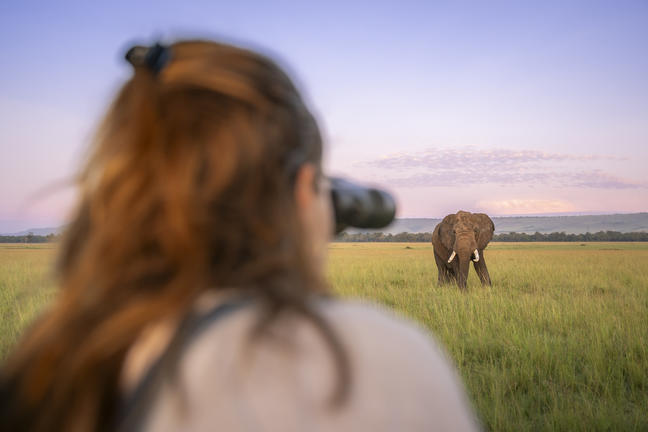
We are in the heart of the best game viewing area of the Masai Mara; we take you out twice a day into the famous Masai Mara Game Reserve and surrounding areas. Our driver-guides are hand-picked and nurtured by us. They undergo a continuous guide training scheme mentored by experts in the field. Having operated in the Masai Mara for 50 years, our driver-guides have an un-paralleled knowledge of the reserve combined with a deep understanding and respect for the importance of this wilderness area, its flora and its fauna.
Game drives are included in the accommodation rate.




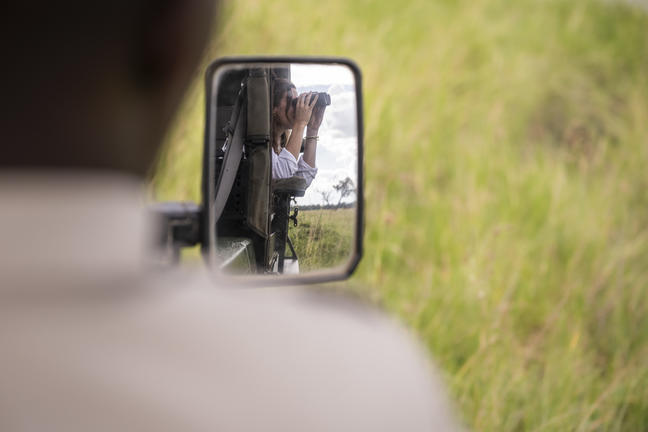
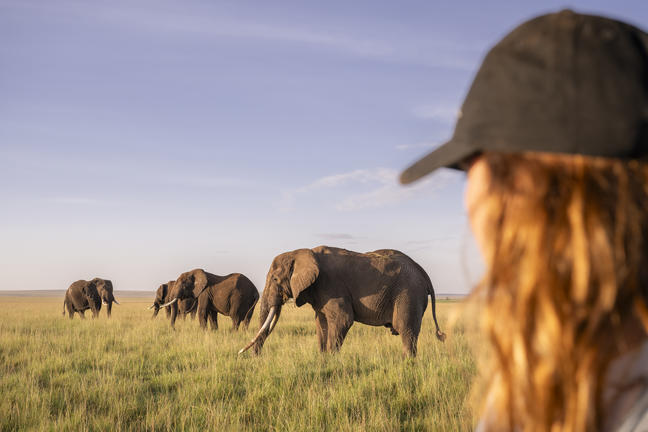


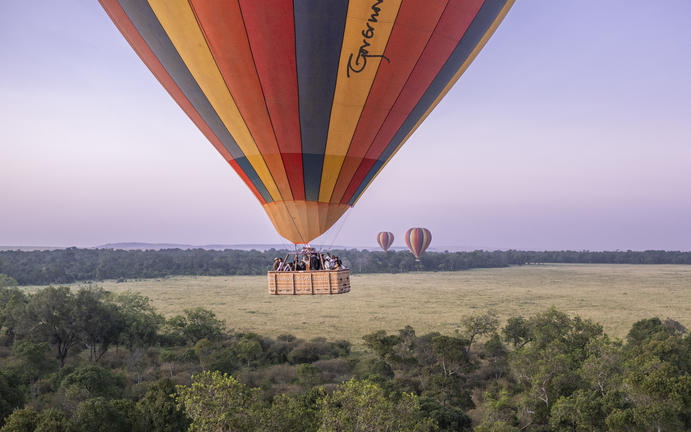
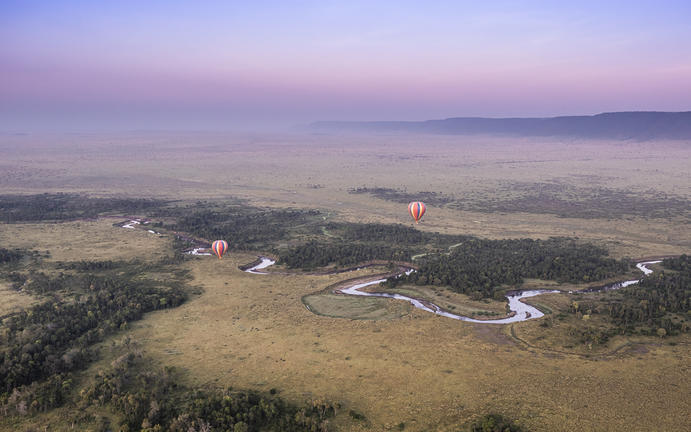
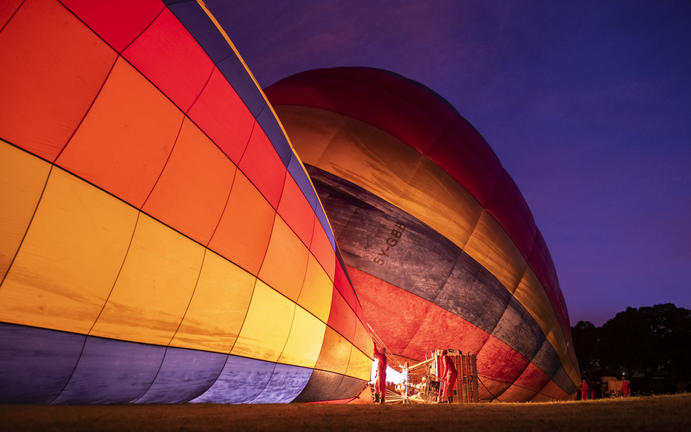
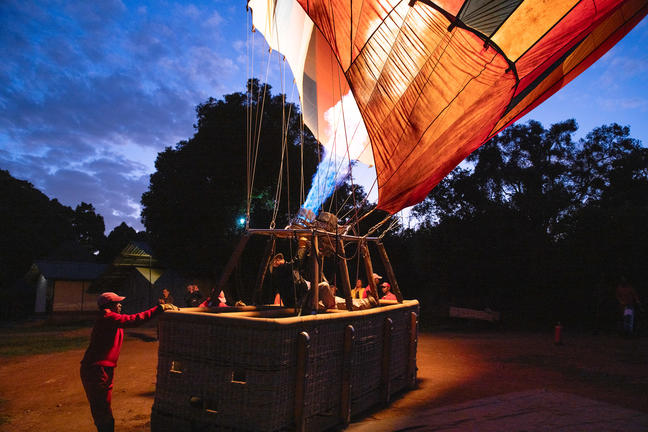
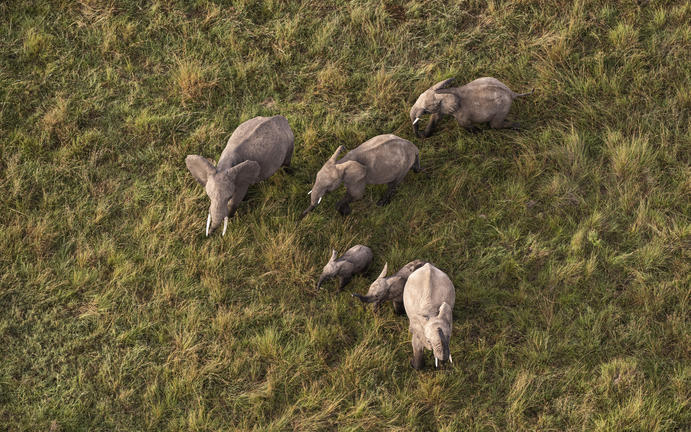
For those looking for an adventure of a different kind, we suggest a magical hot air balloon safari over the Masai Mara.
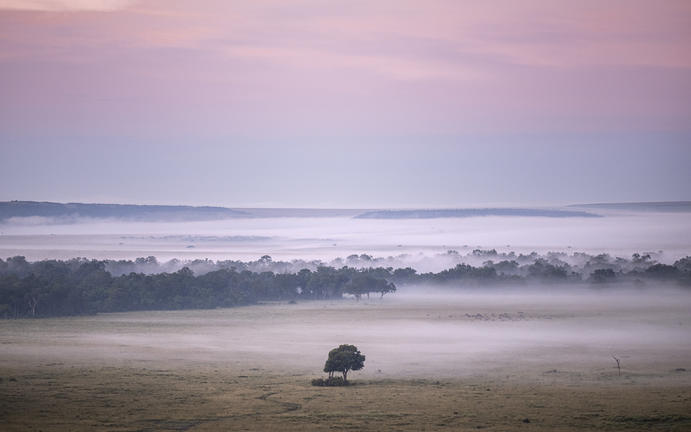
The adventure begins just before dawn. Departure is from a launch site just 15 minutes drive away. Guests assemble at the launch site for a briefing as the flames from the hot air balloon burners light the darkness as the crews inflate their craft. As the dawn breaks, the hot air balloon fills and then rises. Suspended in a basket beneath the rainbow-coloured canopy, you’re off for a wildlife viewing adventure with an entirely different perspective.
What amazes most first-time balloonists is the absolute stillness – the silence as you float above the plains, the forest and the rivers of the Masai Mara.
After about an hour or so, your balloon safari finishes with a flourish. In the time-honoured tradition of balloon flights the world over, toast your return to earth with sparkling wine and enjoy a delicious breakfast that is set up and served at a very special spot. The experience ends with a game drive back to your camp.
There is an extra cost for a hot air balloon safari and the price depends on the time of year.





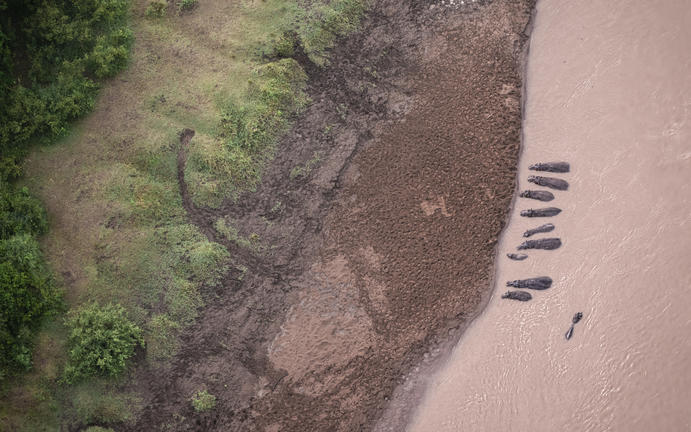

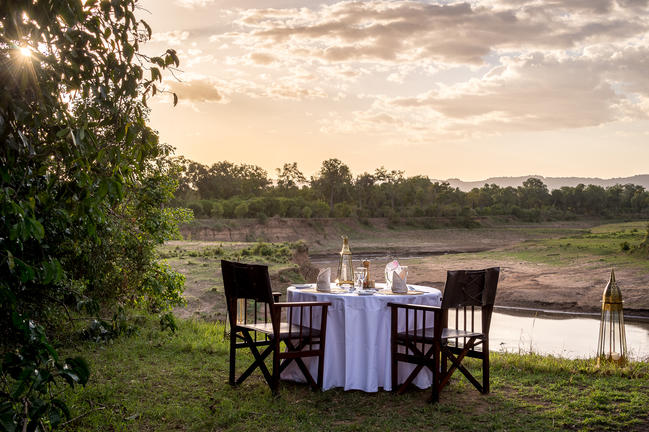
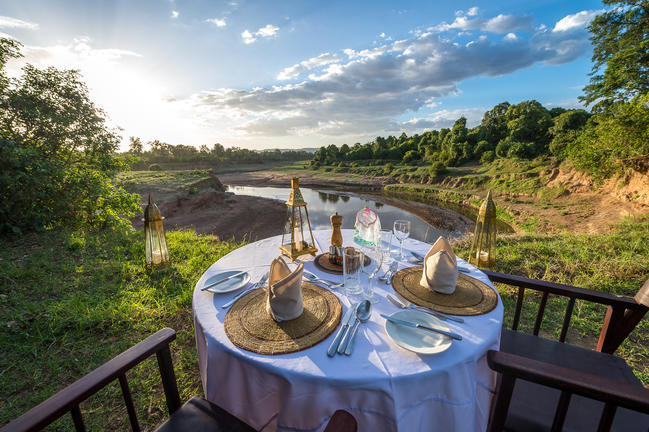
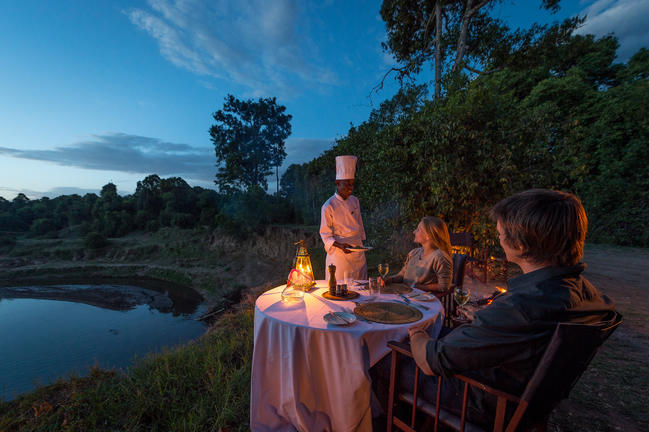
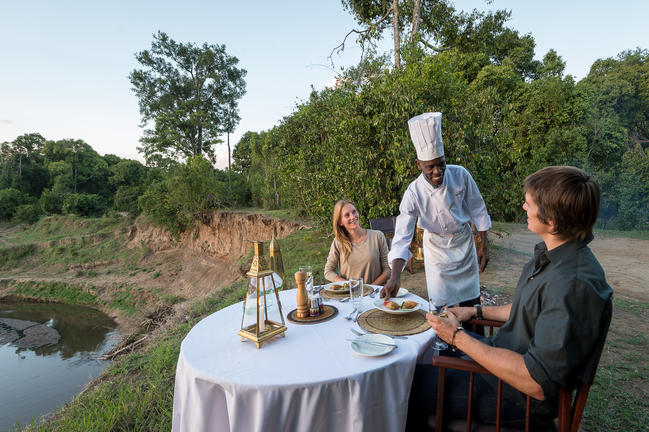
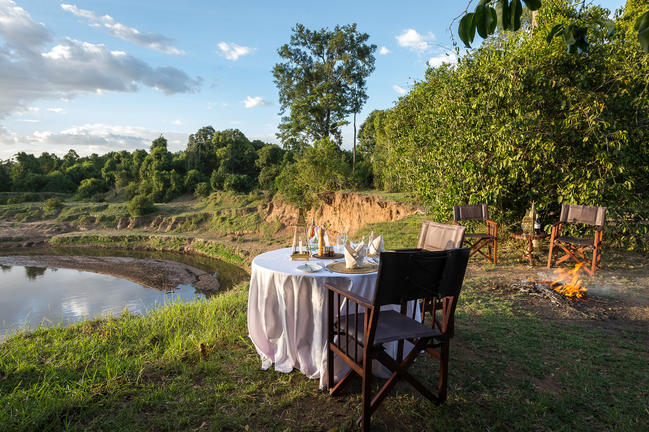
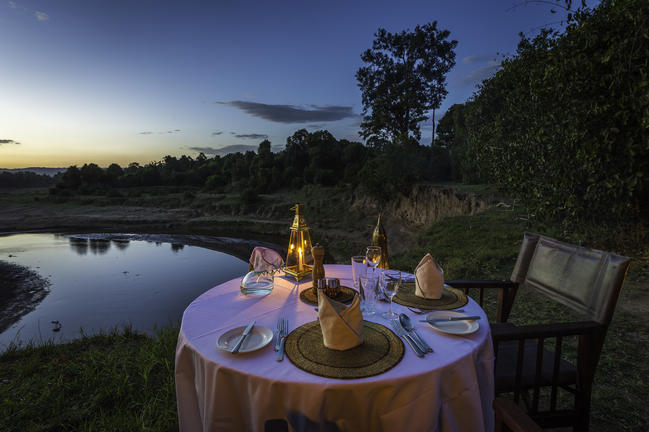
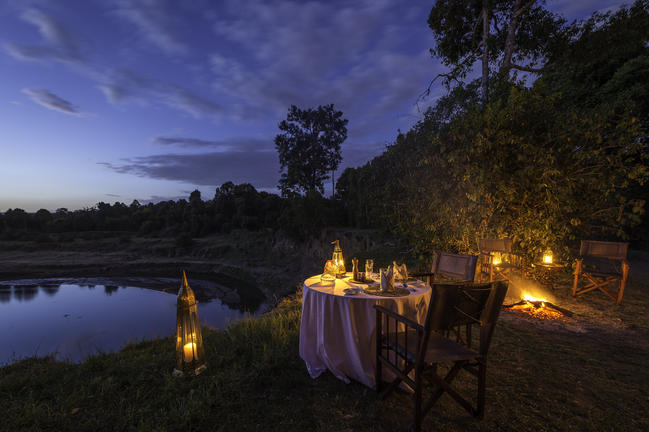
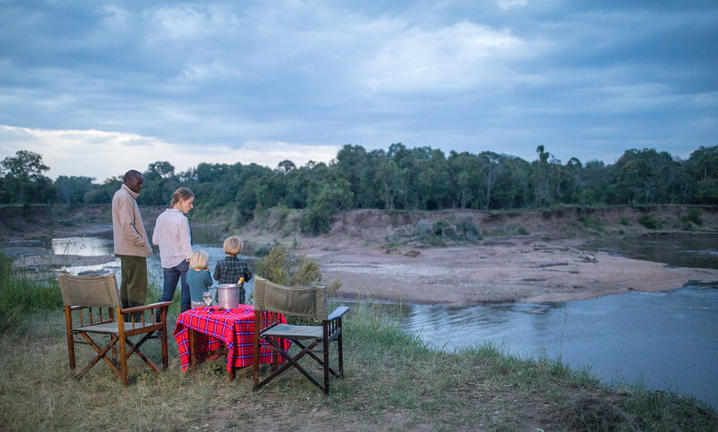
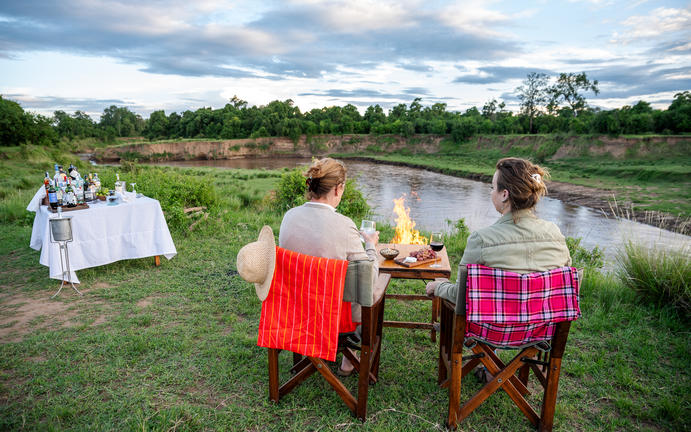
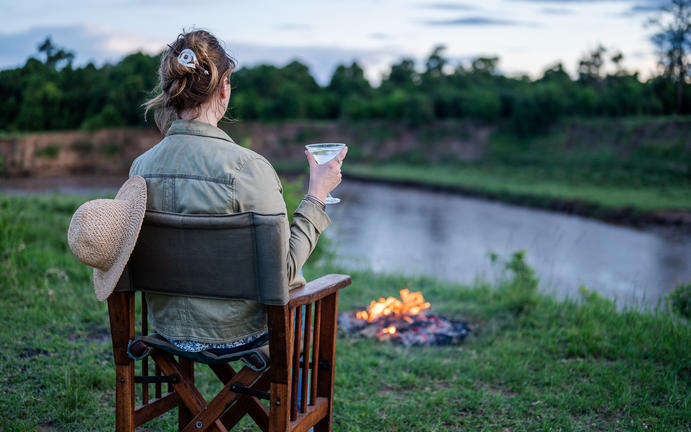
For a very unique experience, enjoy the excitement of a bush dinner in the wild. You will arrive at a special secluded location on the banks of the Mara river. A welcoming drink awaits by the warming campfire, followed by a delicious meal prepared by our Bush chefs, served under the stars, with the soft lights of safari lanterns and accompanied by the sounds of the African night and the grunting Mara river hippos.
Bush breakfasts and bush lunches are also available. Please try to book bush meals in advance. Costs: bush breakfasts and lunches USD $75 per person, bush dinners USD $92 per person




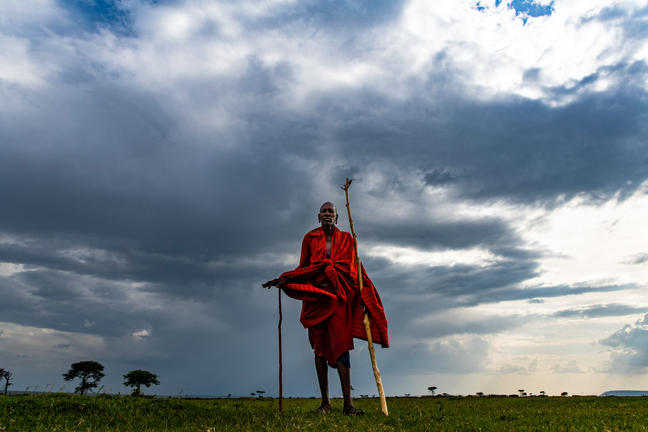
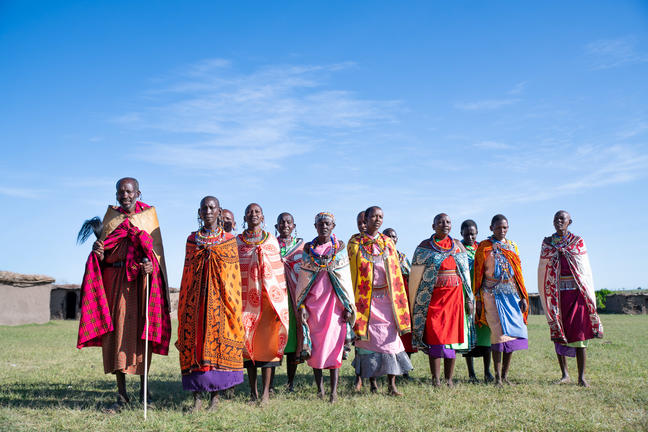
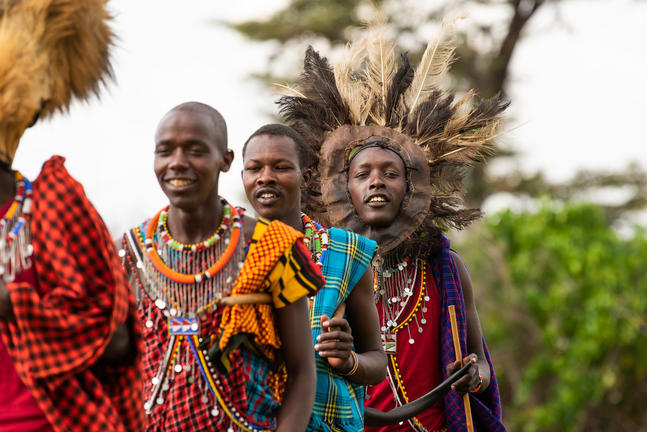
The Masai people of East Africa are a striking image, synonymous with safari. A proud people with many traditional practices still very much alive in their culture. Visit a local Masai village and learn about who they are in their own words.
Entry to the Maasai village is currently USD $40 per person and is paid directly to the community.

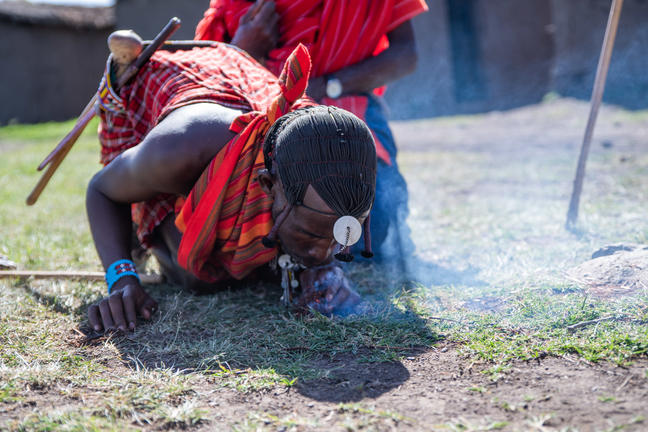
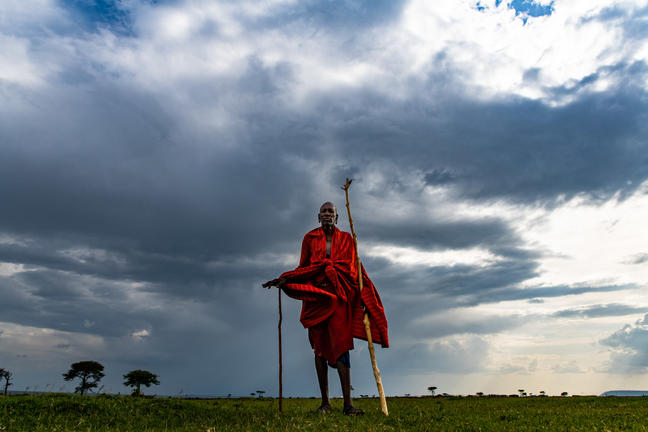



Visits to our responsible tourism projects can be organised from camp. Mara Rianda Primary School and Mara Rianda Medical Centre are two inspirational projects supported by Governors’ Camps.
There is no extra charge for this activity but donations to any of the projects are welcome.


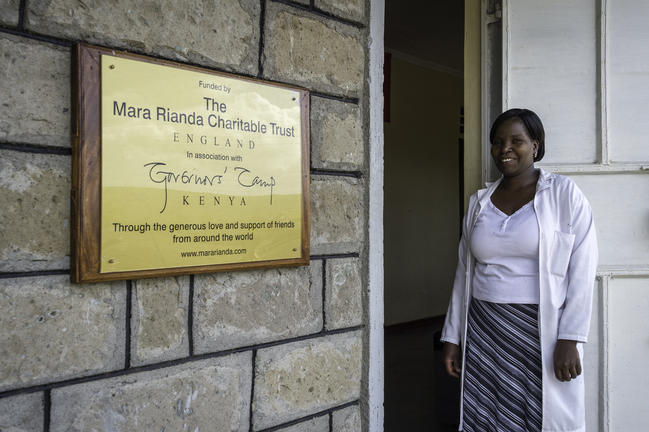
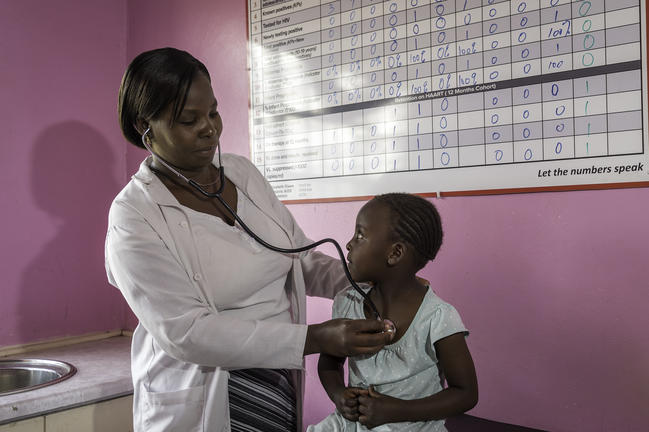
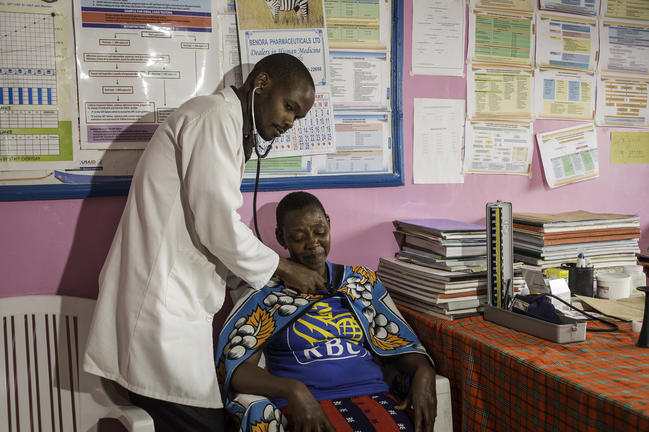
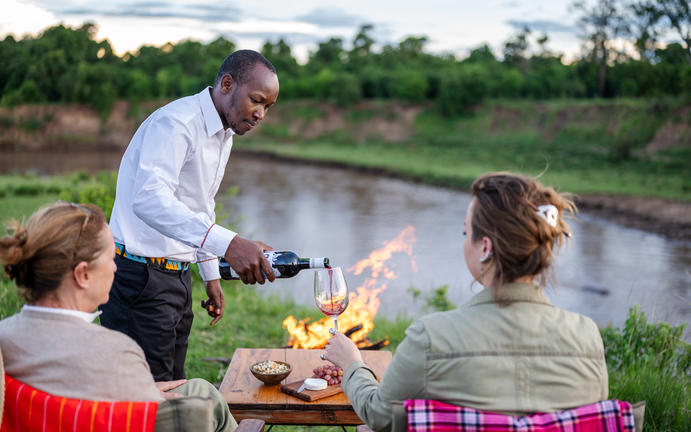
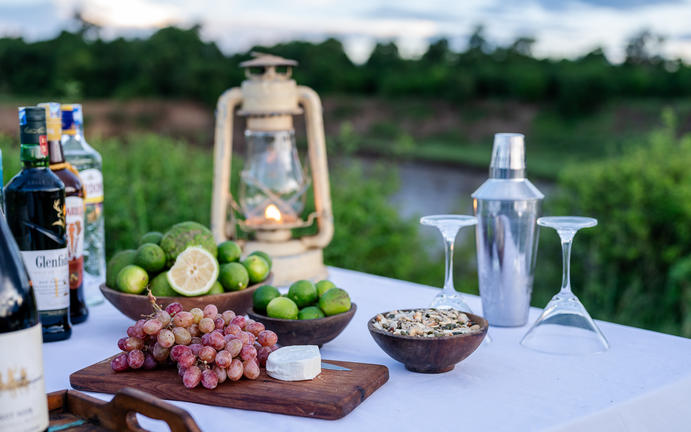
After your late afternoon game drive, end the day with a 'sundowner' at our very special spot on the banks of the Mara River. Our team will have set up a traditional 'safari bar' ahead of your arrival.
Sundowners are included in the nightly rate but premium drinks are extra.




The Mara Elephant Project
Our Mission
The Greater Mara Ecosystem is one of Africa’s most important wildlife landscapes, but increasing human populations, agricultural expansion and habitat loss are placing unprecedented pressure on both wildlife and local communities. Human-Wildlife Conflict has become the greatest threat to the long-term survival of elephants in the region, while bushmeat poaching, snaring, illegal logging and charcoal production continue to degrade critical habitats. Without intervention, these challenges threaten not only elephant populations but the health and connectivity of the entire ecosystem upon which countless species and communities depend.
Through a combination of rapid response teams, anti-poaching operations, scientific research and community engagement, Mara Elephant Project is working to create a future where people and wildlife can thrive side by side. By reducing conflict, protecting vital habitats and using real-time data to guide conservation decisions, MEP is helping to secure safe movement corridors for elephants while supporting the livelihoods of the communities that share this landscape.
Our Impact
Over the years, Mara Elephant Project has become a leading force in conservation across the Greater Mara. Through intelligence-led operations and collaborative law enforcement efforts, elephant poaching has been dramatically reduced, helping to safeguard one of Kenya’s most important elephant populations. In response to the growing threat of bushmeat poaching, MEP rangers removed more than 1,000 wire snares in 2025 alone, preventing countless injuries and deaths among wildlife while protecting key habitats from further degradation.
Today, MEP actively monitors more than 1,100 individual elephants through its ElephantBook database and uses satellite tracking technology to better understand elephant movements and identify emerging threats. Its Rapid Response Units, supported by thermal drone technology, respond to Human-Wildlife Conflict incidents across the ecosystem, helping prevent crop damage, reduce retaliatory killings and foster greater coexistence between people and wildlife. These achievements represent meaningful progress towards a healthier, more resilient Mara for future generations.

Mara Predator Conservation Program
Our Mission
Large carnivores are among the most vulnerable species in the Greater Mara Ecosystem. As human populations grow and wildlife habitats become increasingly fragmented, predators such as lions, cheetahs and African wild dogs face mounting pressures from habitat loss, conflict with livestock owners, poisoning and competition for space. While lions remain relatively stable, cheetah populations are critically fragile, and the recent return of African wild dogs presents both an opportunity and a challenge for conservation. Without targeted intervention, these iconic species risk further decline, threatening the ecological balance of one of Africa’s most celebrated wildlife landscapes.
The Mara Predator Conservation Program works to create a future where predators and people can coexist. By combining rigorous scientific research with practical community-based conservation solutions, the program seeks to reduce conflict, protect livelihoods and ensure healthy predator populations for generations to come. Through monitoring predator movements, improving livestock protection and empowering local communities to become conservation partners, MPCP is helping build a more resilient ecosystem where both wildlife and people can thrive.
Our Impact
The Mara Predator Conservation Program has played a vital role in advancing predator conservation across the Greater Mara. Through ongoing research, the team monitors more than 450 resident lions and uses GPS collar technology to better understand predator movements, identify conflict hotspots and inform conservation action. The program has also helped document and support the gradual return of African wild dogs to the ecosystem following their local extinction in the 1990s, while continuing to monitor and protect the Mara’s small but significant cheetah population.
On the ground, MPCP’s community-led initiatives are delivering tangible results. Predator-proof bomas, chain-link fencing and deterrent lighting have significantly reduced nighttime livestock losses, helping to lower retaliatory killings of predators. The Lion Ambassador network provides an effective early-warning and rapid-response system, assisting with conflict mitigation and anti-poisoning efforts across community lands. Through herder training programs, community engagement and practical conservation interventions, MPCP is demonstrating that predator conservation and sustainable livelihoods can go hand in hand.

Mara Raptor Program
Our Mission
Raptors play a vital role in maintaining healthy ecosystems, yet many species across the Greater Mara face increasing threats from habitat loss, poisoning, collisions with infrastructure and human disturbance. Several of the region’s most iconic birds of prey, including vultures and large eagles, are experiencing population declines across Africa, with some now classified as Endangered or Critically Endangered. Despite their ecological importance as scavengers and apex aerial predators, many species remain poorly understood, making effective conservation planning a challenge.
The Mara Raptor Project seeks to reverse these declines by improving our understanding of raptor populations while implementing practical conservation measures to protect them. Through long-term monitoring, scientific research, rehabilitation efforts and community engagement, the project aims to ensure that the Greater Mara remains a stronghold for Africa’s birds of prey. By safeguarding nesting sites, responding to threats and generating critical data on species movements and breeding success, the project is helping secure a future where raptors continue to thrive across the ecosystem.
Our Impact
The Mara Raptor Project has significantly expanded knowledge of raptor populations within the Greater Mara Ecosystem, identifying nearly 1,000 nesting sites and actively monitoring approximately 400 of them. This extensive monitoring programme provides invaluable data on breeding success, population trends and habitat use, helping conservationists make informed decisions to protect vulnerable species. The project has also advanced the use of satellite tracking and bird ringing to better understand the movements, survival and behaviour of key species, including vultures and Martial Eagles.
Beyond research, the team delivers tangible conservation action on the ground. Injured and poisoned birds receive rapid intervention and rehabilitation support, while vulnerable nests are reinforced or replaced with artificial nesting platforms to improve breeding success. The project also strengthens local conservation capacity through guide training and public engagement, creating greater awareness of the importance of raptors within the ecosystem. Together, these efforts are helping to protect one of Africa’s most important raptor strongholds and contributing to the long-term survival of some of the continent’s most threatened bird species.

Mara Rianda Health Centre
Our Mission
Access to quality healthcare remains a significant challenge for many remote communities living around the Masai Mara. Long distances to medical facilities, limited healthcare infrastructure and shortages of trained medical personnel can make it difficult for families to access essential services, particularly maternal and child healthcare. These barriers can lead to preventable illnesses, delayed treatment and poorer health outcomes, affecting both individual wellbeing and broader community development.
The Mara Rianda Health Centre was established to help bridge this gap by providing accessible, affordable and high-quality healthcare to local communities. By delivering a wide range of medical services close to where people live, while continually investing in facilities, equipment and staff support, the project aims to improve health outcomes, strengthen community resilience and create a healthier future for generations to come.
Our Impact
Since opening in 2013, the Mara Rianda Health Centre has become a vital healthcare resource for the surrounding community, serving approximately 100 patients each week. The facility provides essential outpatient services, maternal healthcare, child health programmes, HIV testing and treatment, laboratory services, community outreach and preventative healthcare initiatives, ensuring that thousands of people have access to medical care that might otherwise be difficult to obtain.
Continued investment has strengthened the clinic’s capacity and long-term sustainability. Recent developments include the installation of a KES 4.2 million solar power system, providing a reliable source of renewable energy, a KES 1.3 million electric fence to improve security, and a KES 8.4 million accommodation block for visiting healthcare professionals, enabling specialist support and staff training. The addition of a new KES 9.7 million laboratory will further enhance diagnostic capabilities, allowing the clinic to provide faster and more comprehensive healthcare services to the community it serves.

Protect Loita Forest
Our Mission
The Loita Forest is one of Kenya’s last remaining indigenous forests and a critical component of the Greater Mara Ecosystem. Yet increasing land subdivision, agricultural expansion, charcoal production, and unsustainable timber harvesting are placing growing pressure on this important landscape. As the forest becomes fragmented, wildlife corridors are disrupted, biodiversity declines, and the natural resources that local communities depend upon become increasingly vulnerable.
Through our partnership with the Mara Elephant Project, we support a future where conservation and community livelihoods can thrive together. By helping protect forest habitat through the Linda Msitu programme and supporting community-led conservation initiatives, we aim to keep the Loita Forest standing for future generations, safeguarding wildlife movement, preserving vital water catchments, and ensuring local communities benefit from protecting this remarkable ecosystem.
Our Impact
Our support contributes to the ongoing work of the Mara Elephant Project and the Linda Msitu programme, which helps protect privately owned forest parcels through voluntary conservation agreements with local landowners. By creating incentives to maintain forest cover rather than clear land for agriculture, the programme is helping conserve critical habitat while providing tangible benefits to participating families and communities.
A key milestone has been our fundraising raffle, which attracted 321 entries and raised USD 15,295 in support of the Mara Elephant Project’s conservation efforts. These funds are being used to expand the Linda Msitu forest protection initiative and support ranger teams working on the ground to patrol the forest, monitor threats, and safeguard critical wildlife corridors used by more than 600 elephants and numerous other species.
Beyond the financial contribution, the campaign has helped raise awareness of the importance of the Loita Forest and the challenges it faces. By connecting travellers, conservation supporters and local communities with this cause, we are helping build long-term support for the protection of one of Kenya’s most important indigenous forests, demonstrating how community-led conservation can play a vital role in preserving this landscape for future generations.

The Pangolin Project
Our Mission
The Giant Pangolin is one of Kenya’s rarest and least understood mammals, with fewer than 30 individuals believed to remain in the country. Its last known refuge, the Nyekweri Forest, has suffered extensive habitat loss, with an estimated 80% of the forest cover disappearing over the past decade due to illegal logging, charcoal production and land subdivision. As the forest shrinks, so too does the future of the Giant Pangolin and the countless other species that depend on this unique ecosystem.
Through our partnership with The Pangolin Project, we aim to help secure and protect the remaining forest habitat while supporting long-term conservation efforts that safeguard both pangolins and the wider biodiversity of Nyekweri. By raising awareness and generating direct financial support for conservation land leases, we hope to contribute to a future where Kenya’s Giant Pangolin population can survive and recover, and where this irreplaceable forest continues to provide ecological benefits for wildlife and local communities alike.
Our Impact
The fundraiser generated more than USD 21,000 in support of The Pangolin Project’s ongoing conservation work. With every USD 50 donated helping to protect one acre of forest for a year, these funds are actively contributing to the protection of critical habitat within the Nyekweri Forest, helping secure land leases that safeguard the last known refuge of Kenya’s Giant Pangolins and a wealth of other wildlife.
Beyond the financial contribution, the partnership continues to raise awareness of the urgent threats facing both the Giant Pangolin and the Nyekweri Forest. By connecting travellers, supporters and conservation-minded individuals with this important cause, we are helping build long-term support for efforts to protect and restore this unique ecosystem. Together with The Pangolin Project, we remain committed to supporting initiatives that give Kenya’s rarest mammal and its forest home a better chance of survival.

Guided Community Giving
Our Mission
Many rural communities surrounding our camps in the Masai Mara, Great Rift Valley and Laikipia face ongoing challenges in accessing quality education, adequate learning resources, conservation awareness programmes and reliable school nutrition. Through our support of eight rural schools and a community centre, we aim to help create stronger, more resilient communities by improving educational opportunities, fostering environmental stewardship among young people, and ensuring students have the resources and nourishment they need to thrive both in and out of the classroom.
Our Impact
Our community initiatives currently support eight rural schools and a community centre across three regions of Kenya. Through our bursary programme, school feeding initiatives and the Children in the Wilderness conservation education programme, hundreds of students benefit from improved access to education, daily meals and environmental learning opportunities. By sourcing donated supplies locally where possible, we also help support nearby businesses, creating a wider positive impact that extends beyond the classroom and into the surrounding communities.

Children In The Wilderness
Our Mission
Many children living in remote communities surrounding the Masai Mara, Laikipia and Naivasha grow up with limited access to conservation education, despite their close connection to some of Kenya’s most important wildlife habitats. Children in the Wilderness (CITW) Kenya was established to bridge this gap by helping young people understand the value of the natural environment, develop a sense of responsibility towards conservation, and build the confidence and leadership skills needed to become future custodians of their communities and ecosystems. By combining environmental education, mentorship and immersive experiences in nature, the programme aims to create a generation that is both empowered and actively engaged in protecting Kenya’s natural heritage.
Our Impact
Since launching in Kenya in 2024, CITW has grown from three Eco-Clubs serving 90 students to nine Eco-Clubs reaching 270 students across the Masai Mara, Laikipia and Naivasha regions. The programme has trained 25 Eco-Mentors to deliver conservation education within their communities, helping ensure its long-term sustainability. Annual conservation camps have expanded from 30 participants in 2024 to a total of 90 students attending by 2025, many experiencing wildlife and safari environments for the first time. In addition, bursary support is currently provided to 25 students, while partner schools have benefited from improved learning environments through the provision of desks, chairs, exercise books, solar lamps, sports equipment and school renovations. These achievements demonstrate the programme’s growing reach and its positive impact on both conservation awareness and educational opportunity.

Tree Planting Programs
Our Mission
Tree loss and habitat degradation pose a growing challenge in several of the ecosystems where we operate. In the Masai Mara, elephant activity, riverbank erosion, flooding linked to changing rainfall patterns, and disease affecting certain tree species have contributed to the decline of riverine forests. This loss impacts biodiversity, wildlife habitat and the long-term health of these ecosystems. Through our tree-planting initiatives, we aim to restore indigenous vegetation, strengthen ecosystem resilience, support biodiversity and help ensure that future generations inherit healthy, functioning landscapes.
Our Impact
Governors’ Camp Collection has planted hundreds of indigenous trees across its campgrounds in the Masai Mara and has donated additional seedlings to local schools, community projects and villages. Our nurseries focus on propagating native species, including the vulnerable East African greenheart (Warburgia ugandensis), helping to support the conservation of species facing increasing pressures in the wild. Beyond our own properties, we also support the Eburru Rafiki Forest Community Group in its efforts to restore the Mau–Eburru Forest ecosystem, an important habitat for the endangered mountain bongo. Through these combined efforts, we are contributing to habitat restoration, biodiversity conservation and increased community participation in environmental stewardship.

Waste Reduction & Solar Energy
Our Mission
Tourism operations can place pressure on natural environments through waste generation, plastic consumption, energy use and the transport of supplies. In sensitive ecosystems such as the Masai Mara and Great Rift Valley, reducing these impacts is essential to protecting wildlife, preserving natural resources and ensuring tourism remains sustainable for future generations. Through a range of environmental initiatives, we aim to minimise our ecological footprint, reduce waste, increase the use of renewable energy and demonstrate that high-quality hospitality can operate in harmony with the environment.
Our Impact
All Governors’ Camp Collection properties have achieved Gold EcoRating certification, recognising our long-term commitment to environmental sustainability and responsible tourism. The installation of reverse osmosis water filtration systems has eliminated the need for thousands of single-use plastic water bottles, while plastic straws and disposable bathroom amenities have been replaced with more sustainable alternatives. Waste is segregated to maximise recycling opportunities, and vegetable gardens at our properties help reduce food miles by supplying fresh produce locally. In addition, solar power systems at Governors’ Camp and Governors’ Il Moran Camp provide renewable electricity and solar-heated water, reducing reliance on conventional energy sources and lowering the environmental impact of our operations.

Your Stay
4 Nights
Full Board Plus - Dinner, Bed, Breakfast, Lunch and Activities
Fast Facts
5 Stars
Lodge
Spoken Languages: English, Swahili
No. Rooms: 10
Special Interests: Adventure, Big 5, Birding, Flora, Nature, Relaxation, Wildlife
Kigali Marriott Hotel | Kigali
26 Oct 2020 - 27 Oct 2020
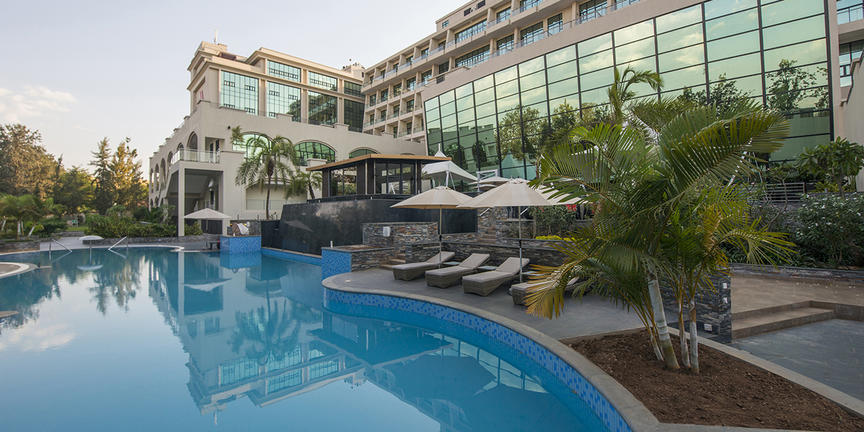
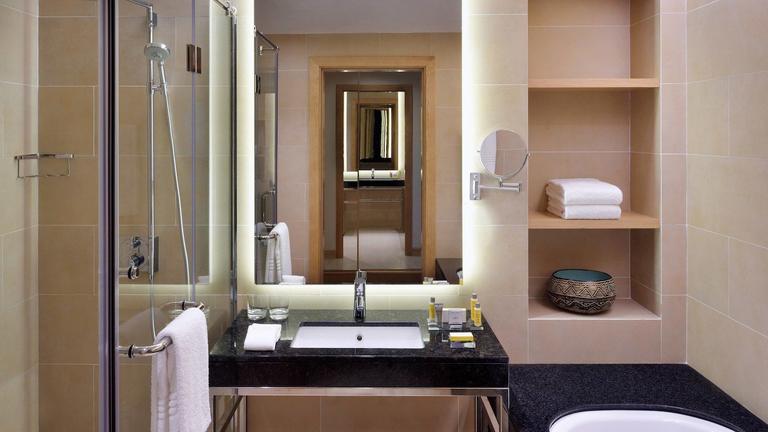
The Kigali Marriott Hotel in Kigali, Rwanda is ideally located near the Nyarugenge financial district and the Kigali Convention Centre. The hotel offers a range of accommodation options, including guest rooms and a range of suites. Guests can enjoy amenities such as complimentary Wi-Fi, tea and coffee in room and storage space. The hotel features an outdoor pool, a fitness centre, a full-service spa and multiple dining options. Guests can indulge in activities like relaxing massages, swimming, and exploring local attractions with the assistance of the concierge.
- Images


Your Stay
1 Night
Bed and Breakfast
Fast Facts
Hotel
Wilderness Sabyinyo | Volcanoes National Park
27 Oct 2020 - 30 Oct 2020
The lodge is only minutes away from the headquarters of the Volcanoes National Park from where guests trek on foot to see the magnificent mountain gorilla – perhaps one of the most dramatic, thrilling and poignant wildlife experiences possible.
Accommodation at Wilderness Sabyinyo comprises six double cottages, two suites and one family unit. All are stone buildings with Rwandese terracotta tile roofs, and feature large sitting areas, fireplaces, stylish en-suite bathrooms.
INSIDER'S TIP: Wilderness Sabyinyo is Rwanda's first ever community owned lodge. The lodge is operated by Wilderness, however, the ownership rests with a Community Trust, SACOLA (Sabyinyo Community Livelihood Association) which uses rentals and community fees from the lodge to drive socio-economic and conservation initiatives in the communities adjacent to the national park.
- Images
- Video
- Rooms
- Facilities
- Activities and Services
- The good we do
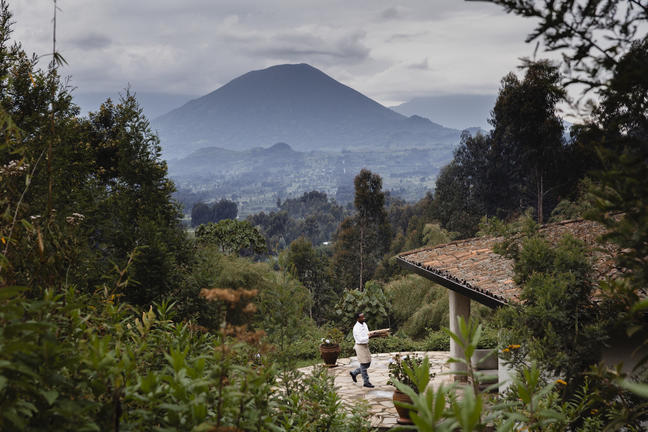

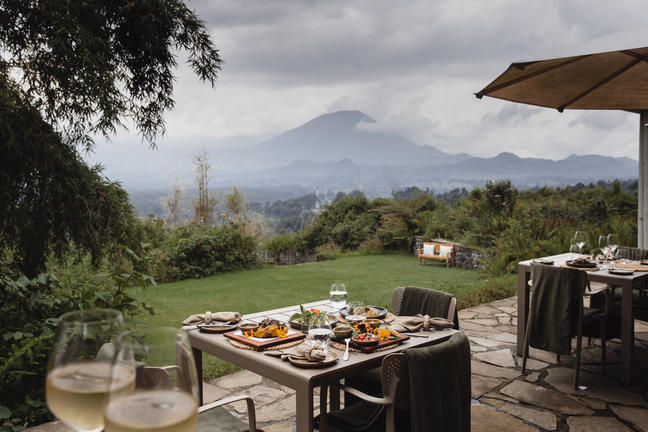
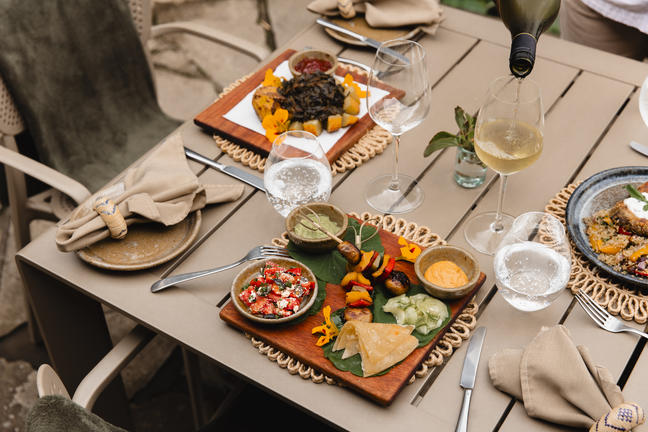
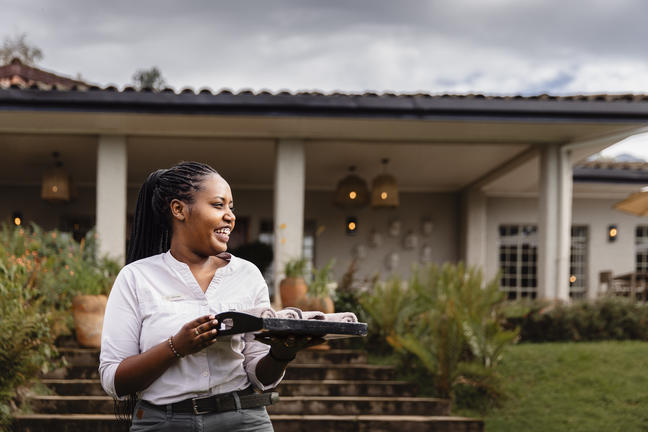
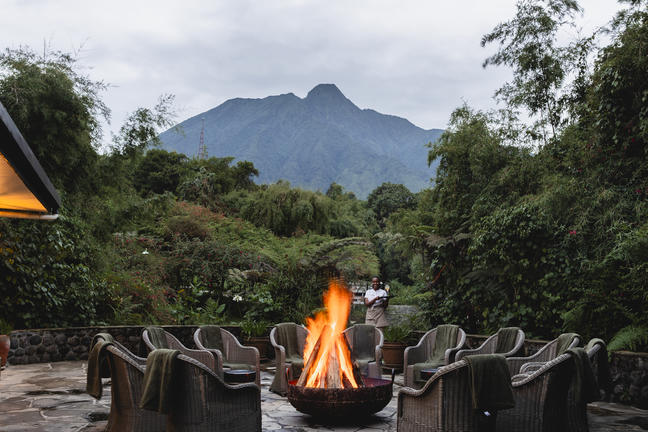
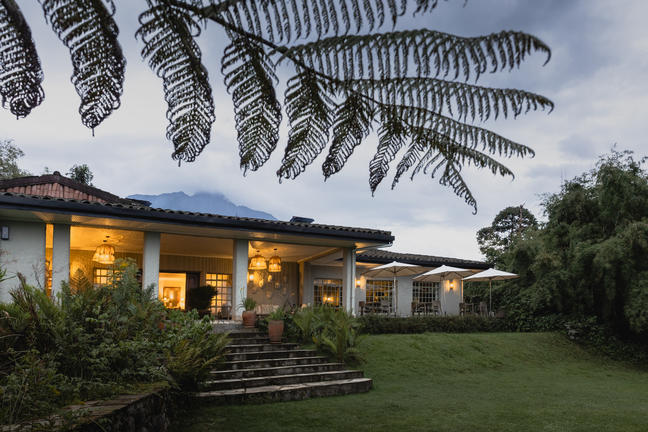
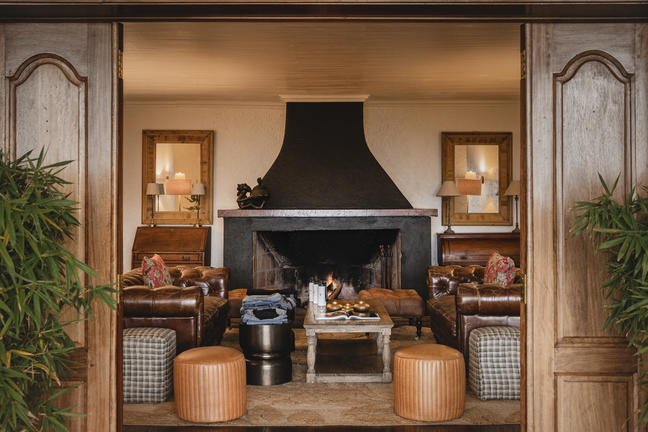
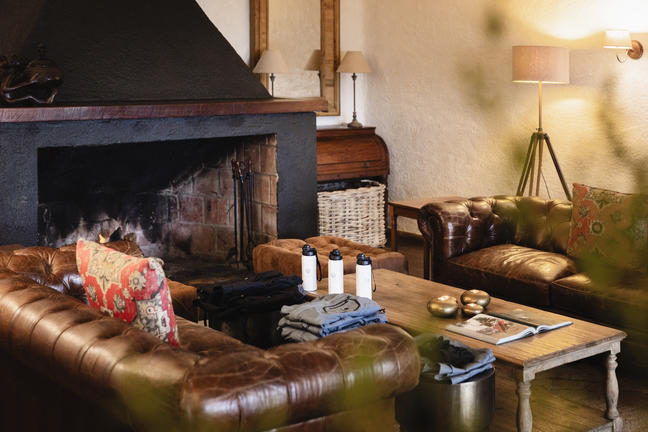
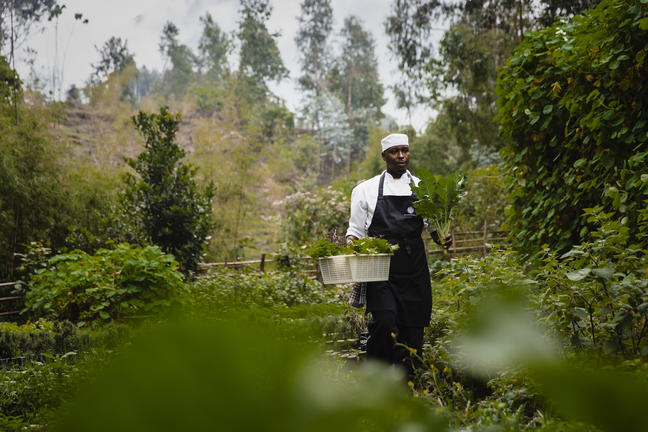
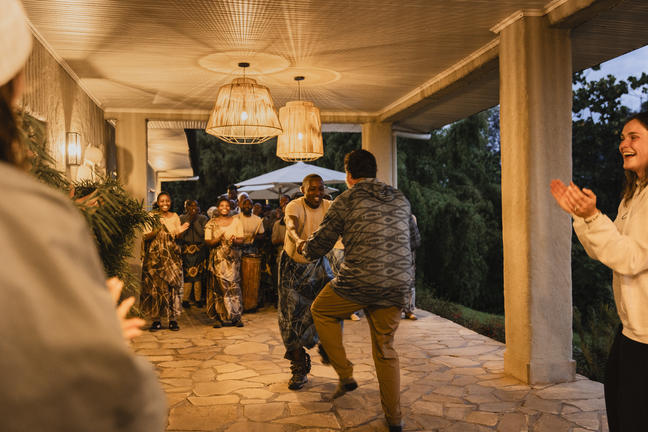

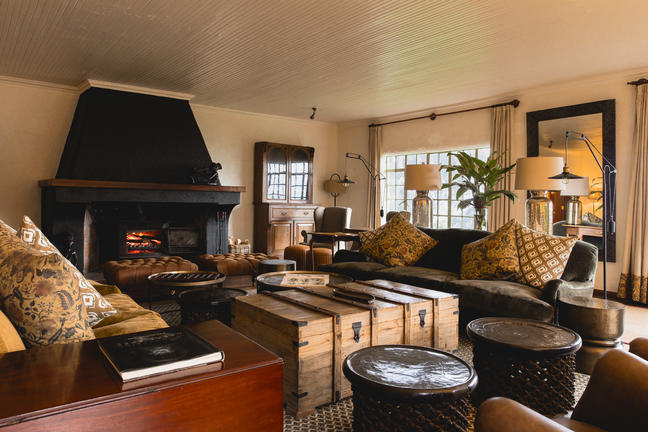
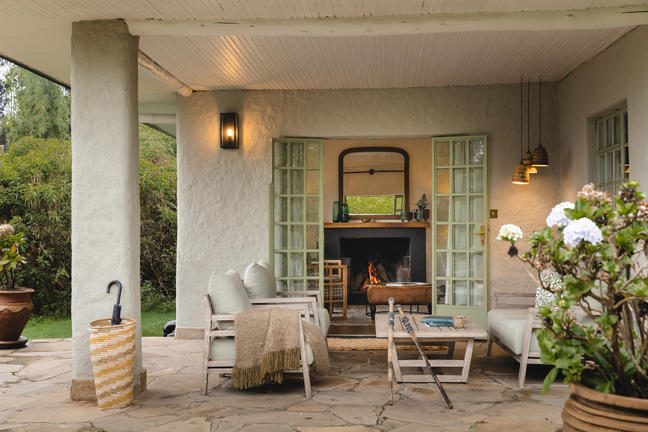
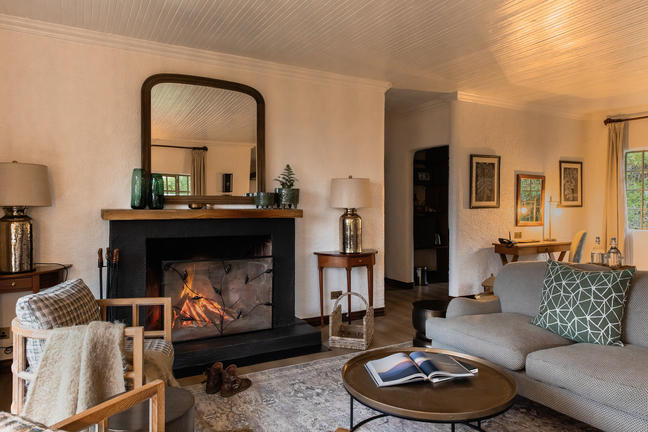
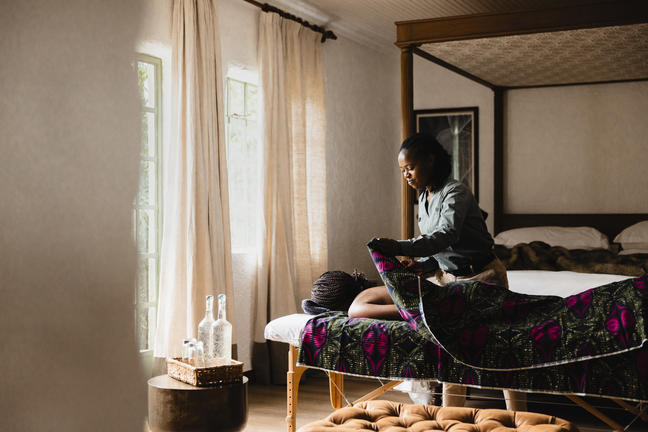
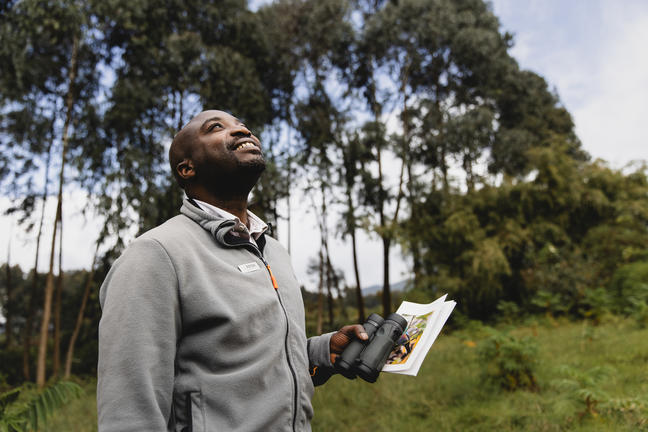

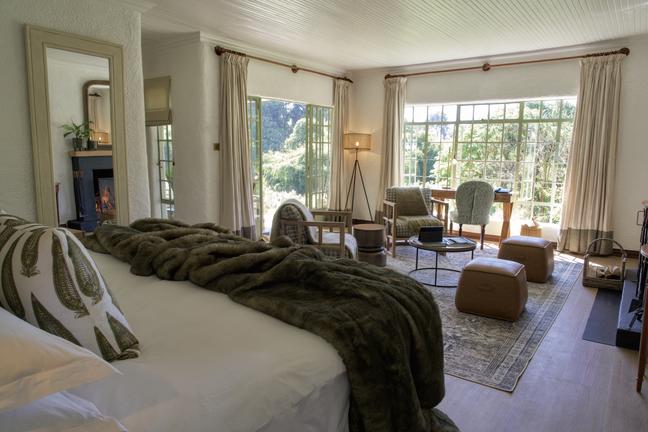
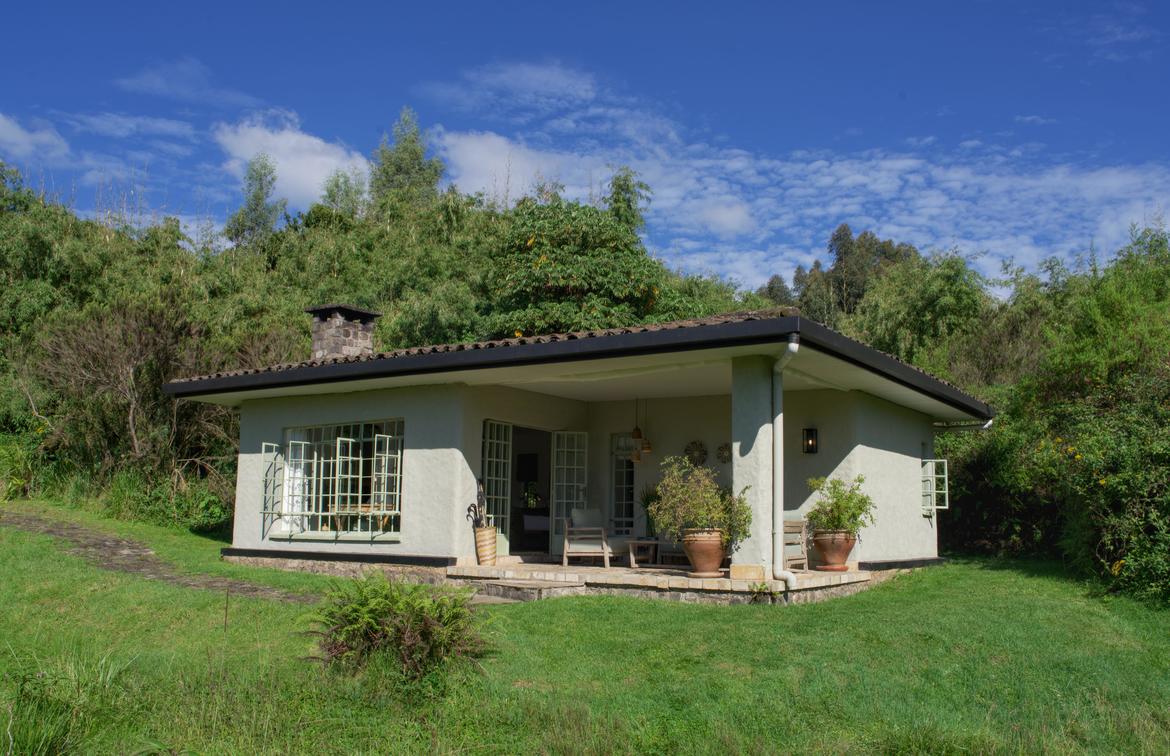
Sabyinyo has six charming cottages with Rwandese terracotta tile roofs. Each has a spacious sitting area, a fireplace and extra-roomy en-suite bathroom. Space heaters by the beds supplement the log fire, to create a haven of warmth. Outdoors, a spacious deck invites you to relax and enjoy the bird-filled gardens.




Sabyinyo has one spacious family cottage with the same traditional Rwandese terracotta tile roofs.
The cottage offers two separate bedrooms, each with its own en-suite facilities. Families can enjoy breakfast outdoors on the shared deck, and cosy up in the evenings around the inviting fireplace in the large sitting area.
Please note, the family cottage is more suitable for older children, as the two individual bedrooms are not interlinked. For families with younger children, we recommend one parent sleeps with the younger child/children.


Sabyinyo offers two extra-spacious luxury suites. Each features an expansive sitting area, two decks with impressive views and en-suite bathroom (shower and bath). Log fires are lit every night, and space heaters beside the large king-sized, four-poster bed adds warmth and ambiance. The suites are perfect for couples and honeymooners.
Please note it’s not possible to create two separate single beds.


Property Facilities
Bar, Battery Charging Facilities, Internet Access (Complimentary), Library, Malaria Free, Mobile Connectivity, Restaurant, Secure Parking, Vegetarian
Room Facilities
Bath, Complimentary Wi-Fi, Dressing Gowns, Electrical Outlets, Fireplace, Fridge, Heater, Internet Access (Complimentary), Laundry Service (Complimentary), Lounge Area, Mini Bar (Complimentary), Mini Bar, Pure Cotton Linen, Safe, Shower, Tea / Coffee, Verandah
Available Services
24-hour Security, Credit Card Facilities, Laundry Service (Complimentary), Meal on Request, Room Service
Activities on Site
Bird Watching, Garden Tours, Massages
Activities Nearby
Bird Watching, Canoeing, Cultural Tours, General Sightseeing, Gorilla Tracking, Hiking, Walks (Guided)
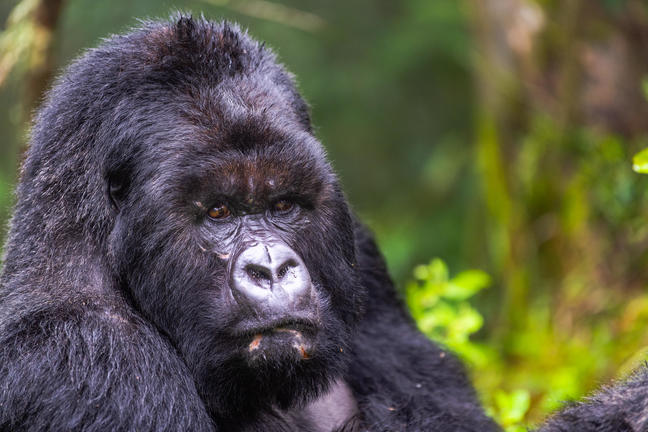
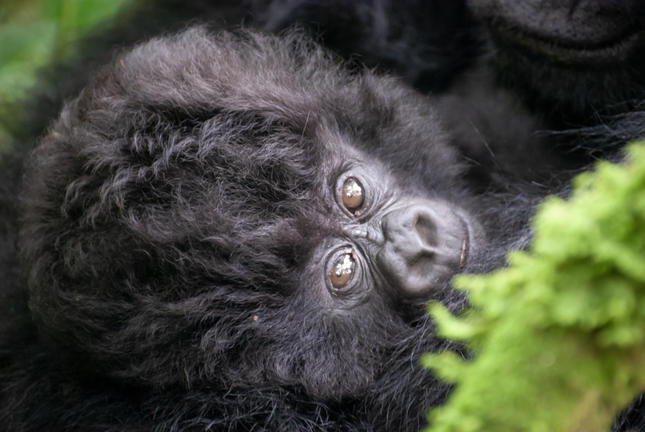
The legendary Virunga Mountains in north-western Rwanda are home to volcanoes, swathes of cloud forest and half the world’s total population of Endangered mountain gorillas. The primates of Rwanda are unparalleled, and Wilderness Sabyinyo is the perfect base for mountain gorilla trekking.
This thrilling excursion takes place from Volcanoes National Park headquarters, where guests are allocated to one of the 12 habituated gorilla families for an awe-inspiring one-hour encounter.
* Park fees are not included and are at extra cost.


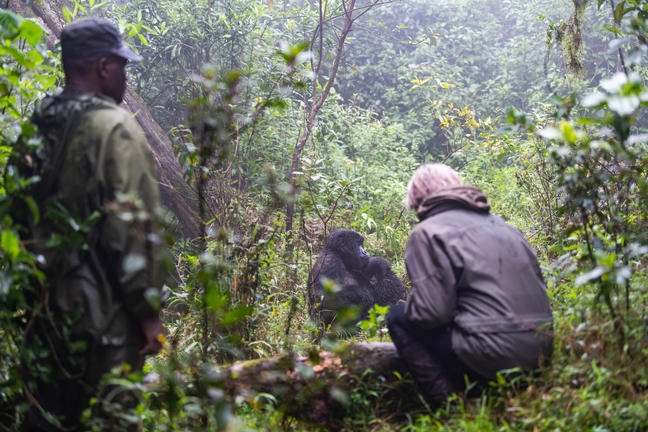
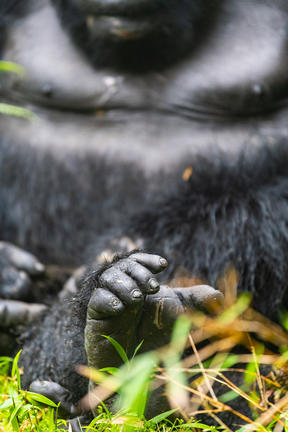
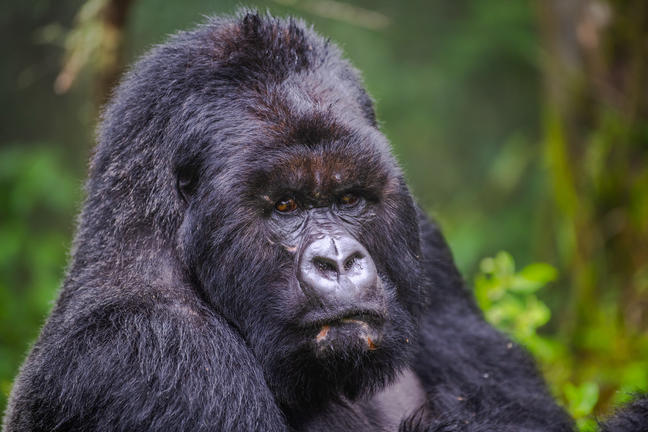


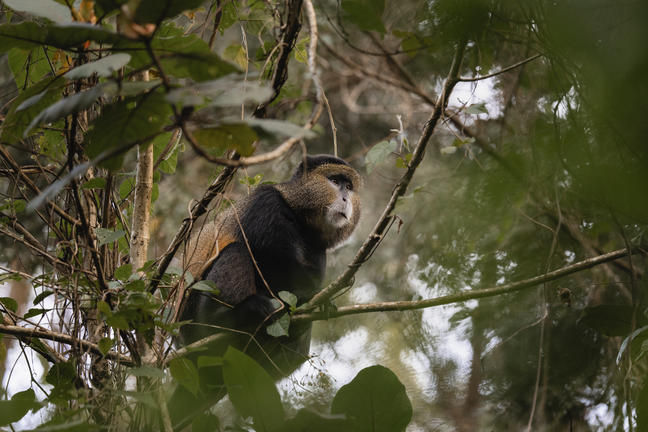
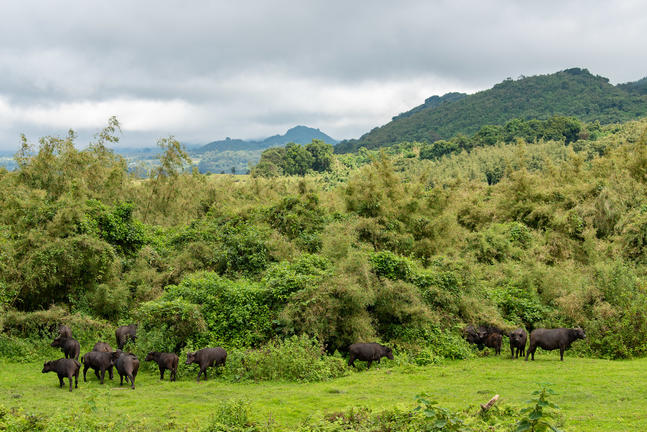
Enjoy a short trek to view this beautiful primate, which is endemic to the area and lives in groups of between 30 to 80 individuals in the Park’s bamboo forest.
* Park fees are not included and are at extra cost.


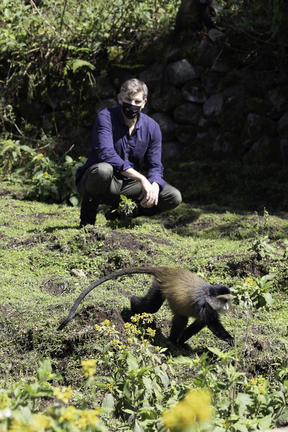


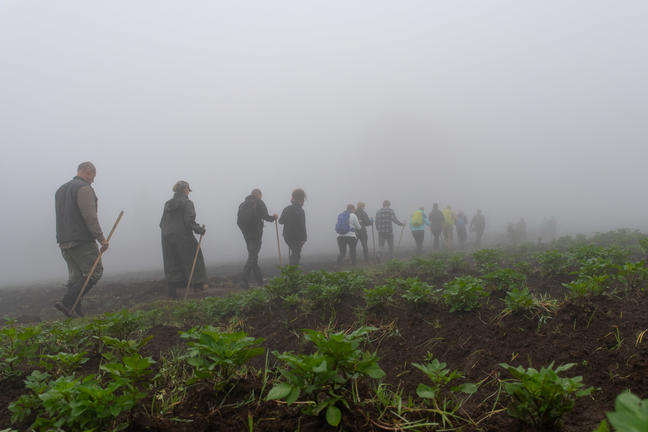

At Sabyinyo you can get up close to the stories of the land on a guided community walk, which offers fascinating insights into Rwandan rural life, as well as a glimpse into the struggles of the past.
Guests will learn how crops are grown, how milling and processing is done by hand, and learn more about how traditional medicines are used.
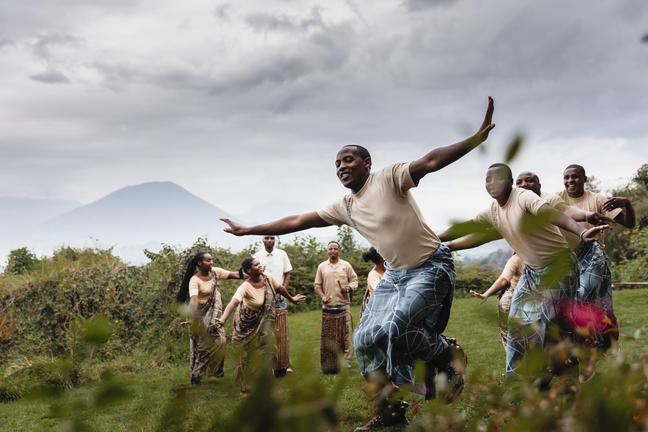
Rwandan dancing, an integral part of today’s culture, will be part of this fascinating cultural tour, which is one to three hours long.


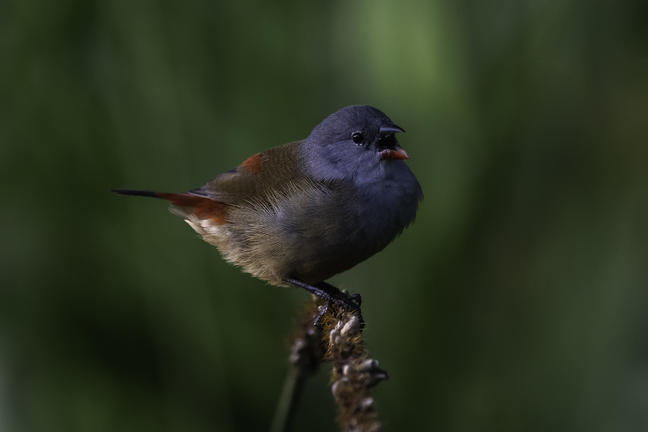
Birding with a knowledgeable Wilderness guide at Sabyinyo is a truly enriching experience.
Sabyinyo extends across seven hectares (about 17 acres) and is a haven for over 40 bird species that do not otherwise easily thrive in the surrounding agricultural plots, where natural shelter is rare and human disturbance is high.
Guests are welcome to enjoy the nature trails on their own (armed with a good pair of binoculars), or are invited to enquire about our guided walks.


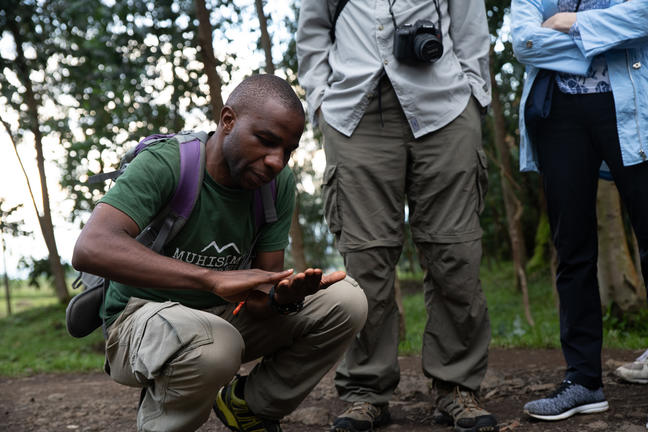
While staying at Wilderness Sabyinyo, we recommend enjoying a guided community walk, which offers fascinating insight into Rwandan rural life today, as well as a glimpse into life in the historical past. An enriching experience, guests are invited to understand the agricultural lifestyle of Rwanda, including how crops are grown, how milling and processing is done by hand, traditional medicines, as well as enjoying the frenetic activity of traditional Rwandan dancing, which is an aspect of the culture still very alive today.
A walk may range in duration between one to three hours.


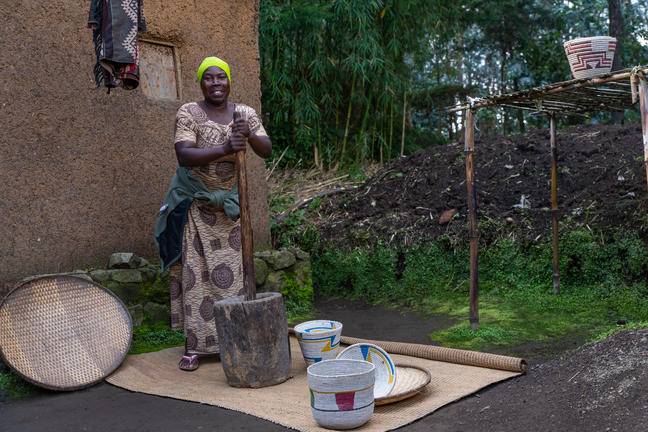
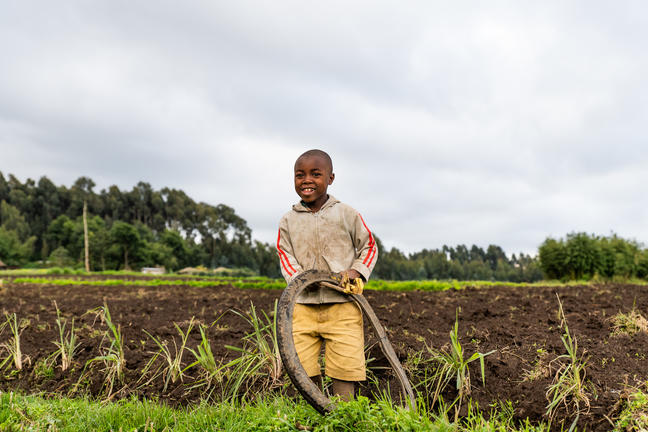


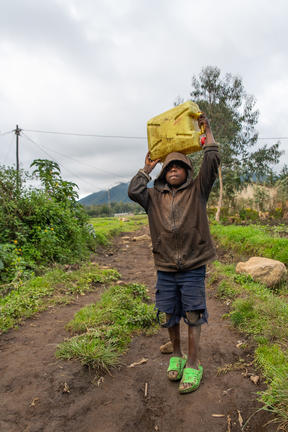
The Gorilla Guardians Cultural Village is located about 15 minutes drive from Wilderness Sabyinyo and is an interesting cultural excursion. The village convinced ex-poachers to turn their back on poaching and instead showcase their customs and heritage.
Visiting the village guests can discover the traditional house of a local king, watch an authentic medicine man prepare herbal mixtures, try their hand at bow and arrow shooting, or enjoy cultural dances and drumming performed by people from the local area.


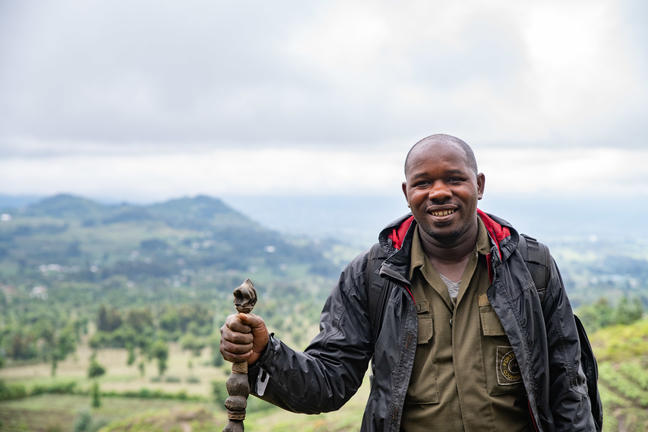
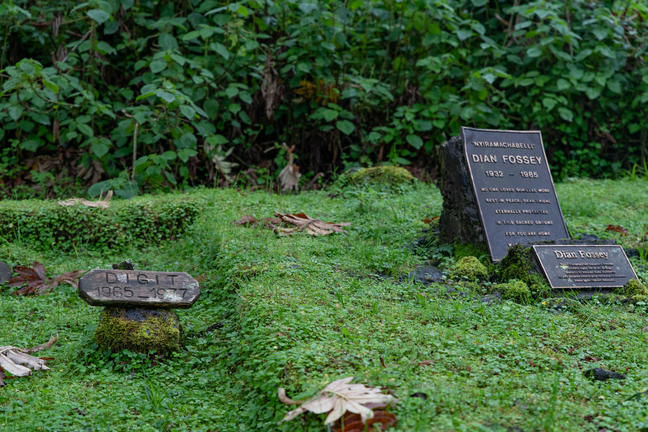
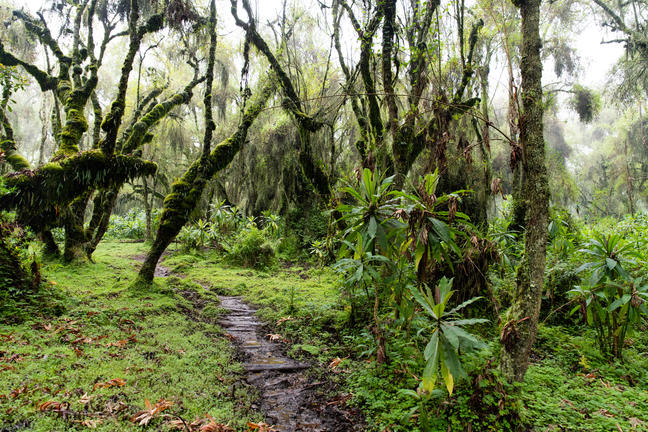
A visit to Dian Fossey’s research camp, Karisoke, and her grave, is another highlight at Sabyinyo. The trek starts from the Volcanoes National Park headquarters, and is located in the saddle area between two volcanoes, Mount Karisimbi and Mount Bisoke (from which the name Karisoke is derived). The camp site sits at an altitude of 3 000 metres (over 9 000 feet.) and was abandoned during the unrest of the 1990s. All that remains today is the grave of Dian Fossey and several graves of her beloved gorillas, buried alongside her. A poignant and cherished moment for all who visit.







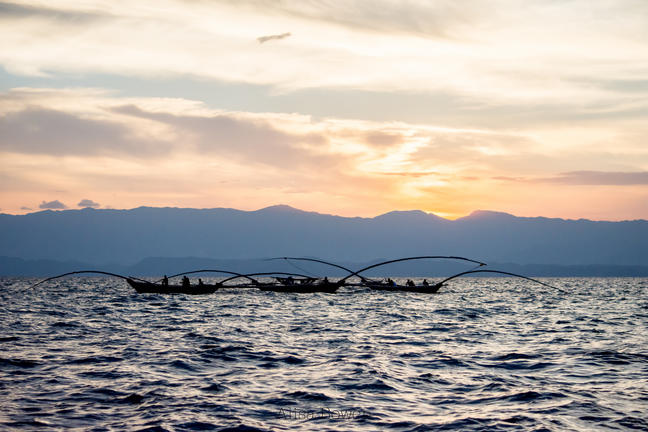
A visit to see Lake Burera and Lake Ruhondo is a must on any itinerary. Located between Musanze and the Ugandan border, the Twin Lakes offer magnificent views over the Virunga Volcanoes, while the surrounding hills create a picture-perfect frame around the deep blue waters. Guests can take a gentle walk around one of the lakes, and enjoy wonderful birding. However, due to the steep nature of the landscape, it is often preferable to drive up the small track leading to a lodge tucked away at the top of the hill: the perfect spot to enjoy a refreshing drink and soak up the glorious vistas.
The Twin Lakes are 45 minutes by car from Sabyinyo, and are reached via a good tarmac road south to Musanze, and then back north towards Cyanika, or via a narrow but picturesque dirt road that follows the contours of the mountain.


The lakeside resort of Gisenyi makes for a wonderful contrast to the high altitude of the Virunga Volcanoes. Located 80 kilometres (50 miles) from Sabyinyo (two hours by car) Lake Kivu offers a relaxing day out. Stroll along the sandy beach on the lakeshore, and take a refreshing swim in the cool waters, followed by a refreshing drink at one of the quaint cafes along the palm-tree fringed lakeside promenade. The mild tropical climate adds to the springtime mood, which not even the imposing Nyiarongo Volcano can dampen.
Guests will also enjoy strolling past the hotels, mansions and lush gardens that echo its opulent past.


Local markets are the lifeblood of any town and Musanze market is a prime example. A bustling place full of local character and virtually everything you may need under the sun. Found in Musanze town (formerly known as Ruhengeri) it is the most important town in Rwanda’s Northern Province and in the Volcanoes area. It serves as the area’s administrative, commercial and service capital. You can also find all sorts of interesting souvenirs and handicrafts, and a wide range of traditional Kitenge fabric.
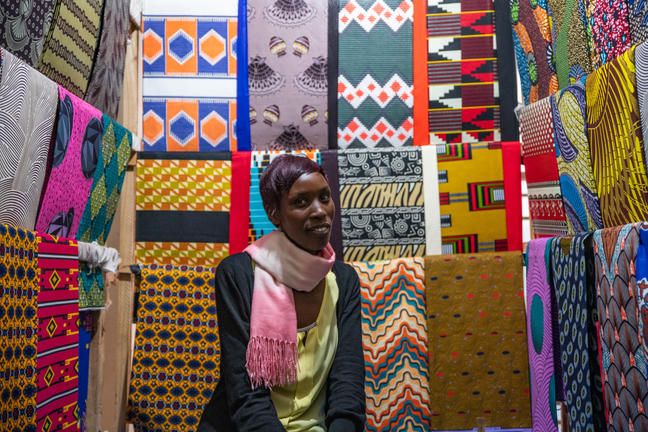
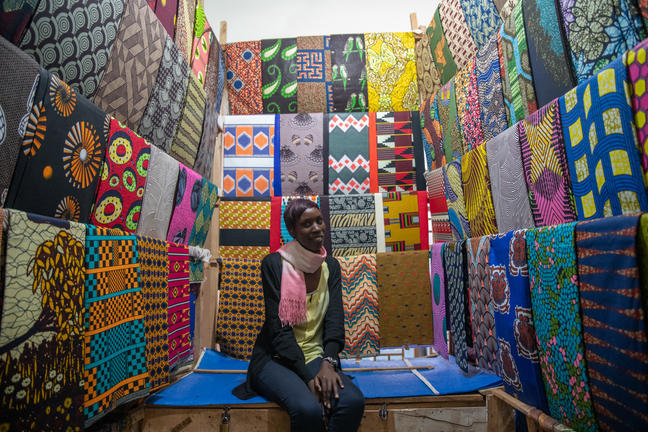
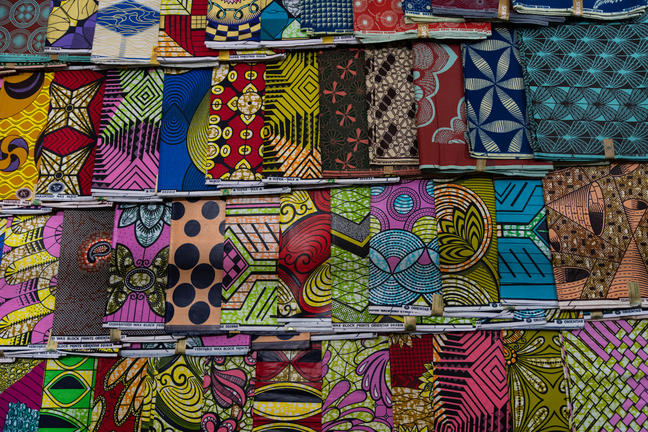
Enjoy a guided walk to Iby’Iwacu cultural village either on foot (a one hour downhill walk from Sabyinyo) or by car, a 15-minute drive).
Here you’ll learn the fascinating story of how one village convinced ex-poachers to turn their backs on poaching. Visit the traditional residence of a local king, watch an authentic medicine man prepare herbal mixtures, and try your hand at bow-and-arrow shooting.
Cultural dances and drumming performances are also on offer.
The guided walk takes around an hour and guests are free to take photographs. It is customary to leave a tip of USD 20.00.
Another very rewarding outing is a visit to the Ellen DeGeneres Campus of The Dian Fossey Gorilla Fund. The Dian Fossey Gorilla Fund International was established in 1967 to protect and study gorillas and their habitat, as well as to empower the people in the community.
With a team of hundreds working in Rwanda and the DRC, the Fossey Fund is the world’s longest-running and largest organisation dedicated entirely to gorilla conservation.
In 2022, the organisation moved to its first permanent, purpose-built home, the Ellen DeGeneres Campus of the Dian Fossey Gorilla Fund.
Nestled in a beautiful, reforested landscape near Volcanoes National Park, why not add this to your itinerary. Here you can stop in for a tour, grab a cup of coffee at the Gorilla Café, browse the gift shop and learn more about the gorillas and the important work done to help conserve them.
* The visit is an additional cost per person in USD and are subject to change without prior notification.
Travel With Purpose
Our Mission
A Community For Conservation …
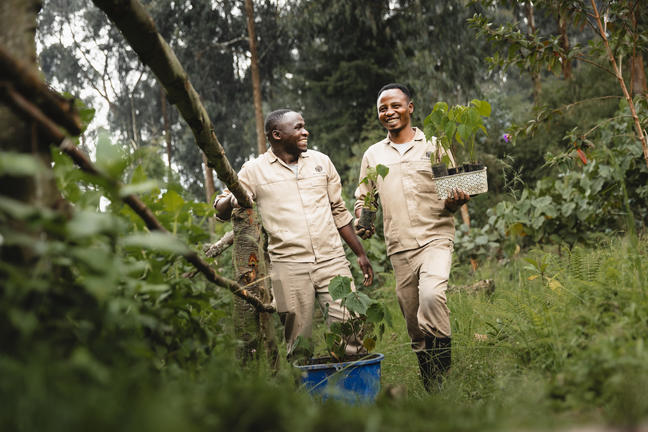
As the pioneers in mountain gorilla ecotourism in Rwanda, Wilderness Sabyinyo is Rwanda’s first-ever community owned lodge. It is operated by Wilderness, however, the ownership rests with the SACOLA community trust – in partnership with the African Wildlife Foundation (AWF) and the International Gorilla Conservation Program (IGCP) – which uses rentals and community fees from the lodge to drive socio-economic and conservation initiatives in the communities adjacent to the national park.
Your Stay
3 Nights
Full Board - Dinner, Bed, Breakfast and Lunch
Fast Facts
Lodge
Spoken Languages: English, French, Swahili
No. Rooms: 9
Special Interests: Adventure, Birding, Flora, Hiking, Nature, Wildlife