Until the arrival of “Westernised men” in the late 19th century, the area covered by the Kruger Park probably looked much like it does now, vast and relatively undisturbed. In the 19th century, farmers settled and white hunters brought their formidable firepower to bear on the herds, taking a devastating toll on the buffalo, wildebeest and other species. The situation worsened during the Anglo-Boer war as the English hunted to supplement rations and the hungry black population scoured the countryside for food. It was in May 1926 that this enormous slice of territory was formally proclaimed a National Park and named in honour of Paul Kruger, who gave impetus to the creation of wildlife sanctuaries in the 1890s.
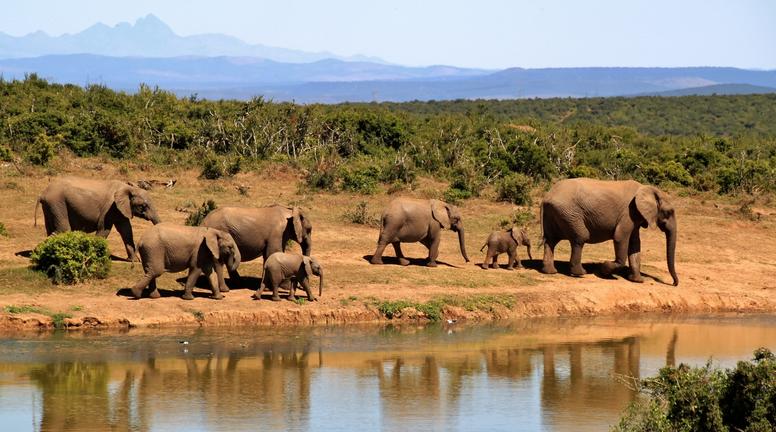
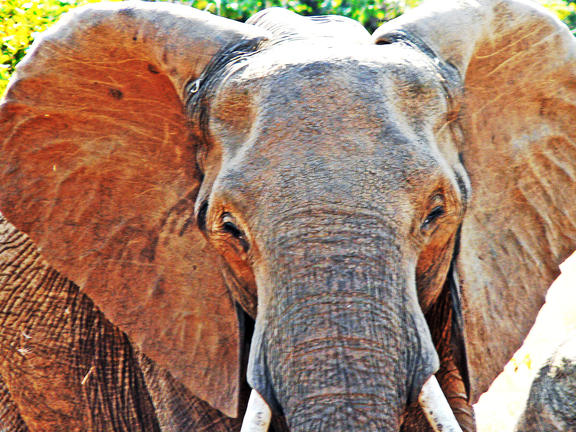
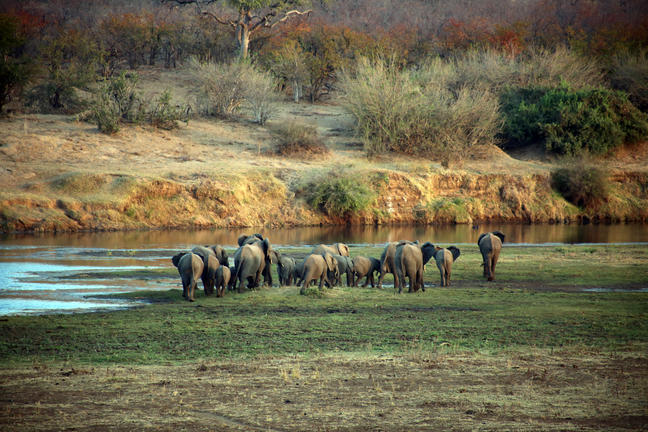
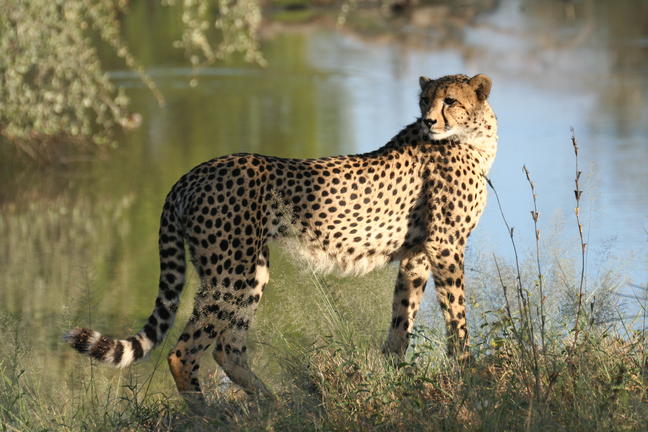
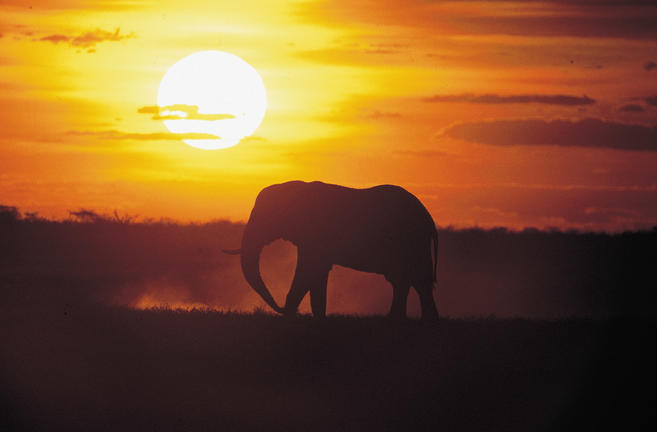
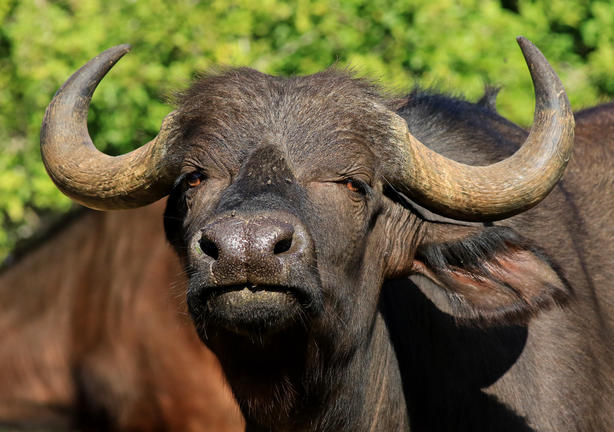
Majestic in extent, rich in game, grand in its scenic splendour, the Kruger National Park is now the pride of South Africa. With an almost 2,000,000 hectare expanse of savannah and bush, the Kruger Park is big game country. Lion, elephant, buffalo, rhino and tens of thousands of antelope roam the sunlit plains. Leopards stalk during the night; shy bushbuck hide in the riverine bush; giraffe browse on the sweet-scented acacias and vultures wheel overhead, alert for kills and carcass. The Park counts 137 mammal species, about 500 bird species and more than 100 reptile varieties.
The maximum speed in the park is 50km/h on tar roads and 40 km/h on gravel roads. Please note the hours of operation for entrance gates to Kruger: Summer hours (November through February) 05h30 – 18h30, Winter hours (April through July) 06h00 – 17h30, March & October 05h30 – 18h00, August & September 06h00 – 18h00. All rest camp gates close at the same time as the entrance gates to the park, so please allow for travelling time in between. With the exception of the peak summer months rest camp gates also open at the same times as the entrance park entrance gates (November through January they open at 04h30).