Makuyuni Wildlife Park – A Rewilding Wildlife Corridor Success Story
Makuyuni Wildlife Park is one of Tanzania’s most exciting new conservation landscapes — a rewilding success story at the heart of the Northern Safari Circuit. Once fragmented by human activity, this area has been carefully restored into a thriving wildlife corridor, reconnecting key ecosystems between Tarangire National Park, Lake Manyara, and the Ngorongoro Conservation Area.
Today, Makuyuni is a living example of how conservation and community can coexist, supporting both biodiversity and local livelihoods. Visitors can witness Tanzania’s natural resilience as wildlife reclaims its ancestral routes across open savannahs, acacia woodlands, and river valleys.
Location and Ecosystems – Northern Safari Circuit of Tanzania
Strategically located between Tarangire and Lake Manyara National Parks, Makuyuni Wildlife Park lies about 120 kilometres (2–2.5 hours’ drive) west of Arusha. The park forms part of a vital migratory corridor linking several protected areas across northern Tanzania.
The park’s ecosystems include:
Open savannah grasslands and acacia woodland, ideal for grazing species.
Seasonal riverbeds and swampy depressions that sustain life during the dry months.
Rocky hills and termite mounds providing shelter and vantage points for predators.
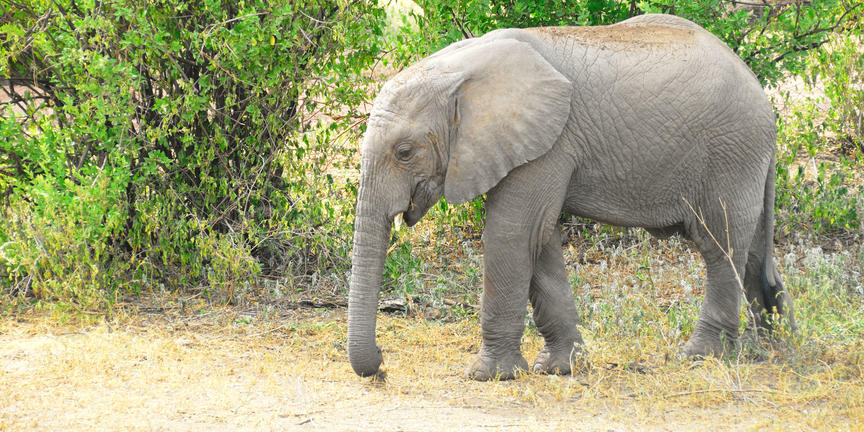
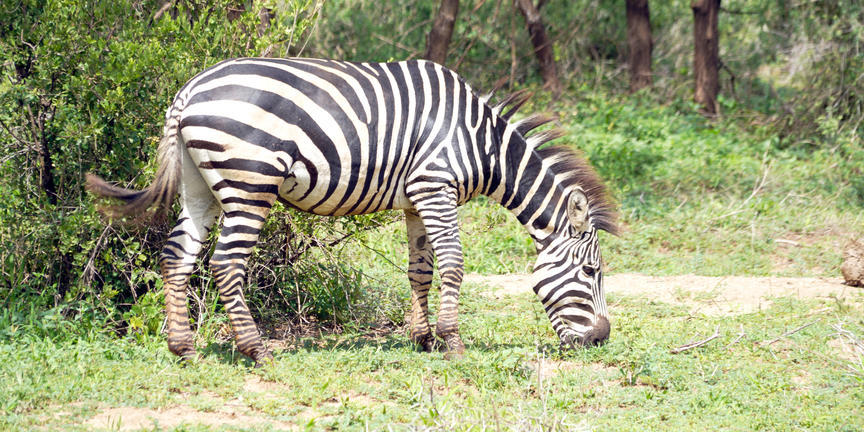
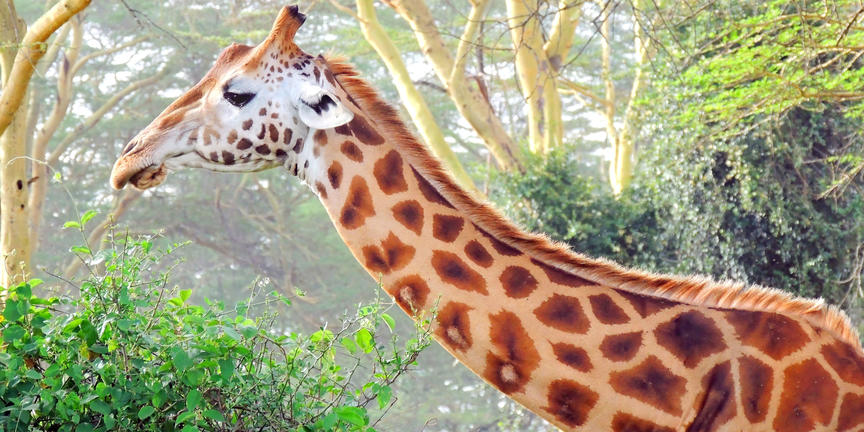
Restored wildlife corridors allowing free movement of elephants, giraffes, zebras, and antelope between major parks.
This diversity of habitats has encouraged the return of many wildlife species, creating a balanced and self-sustaining ecosystem.
Unique Features
Makuyuni is more than just a safari destination — it’s a story of renewal. Through rewilding initiatives, the area has been transformed from degraded farmland into a flourishing habitat that now supports both wildlife migration and community conservation projects.
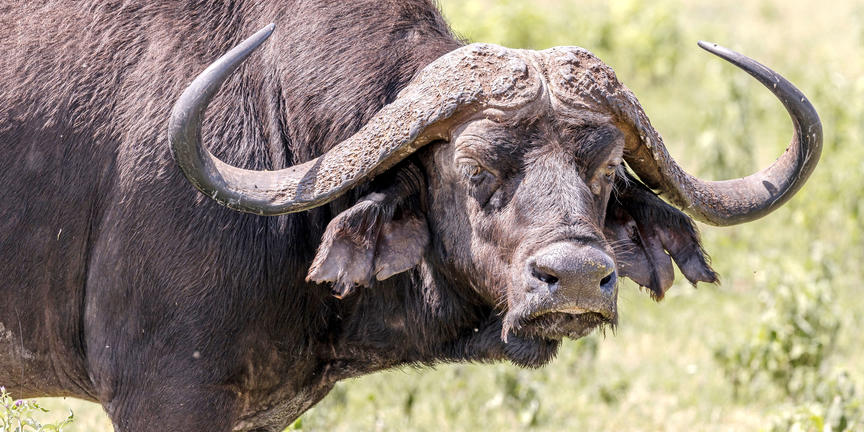
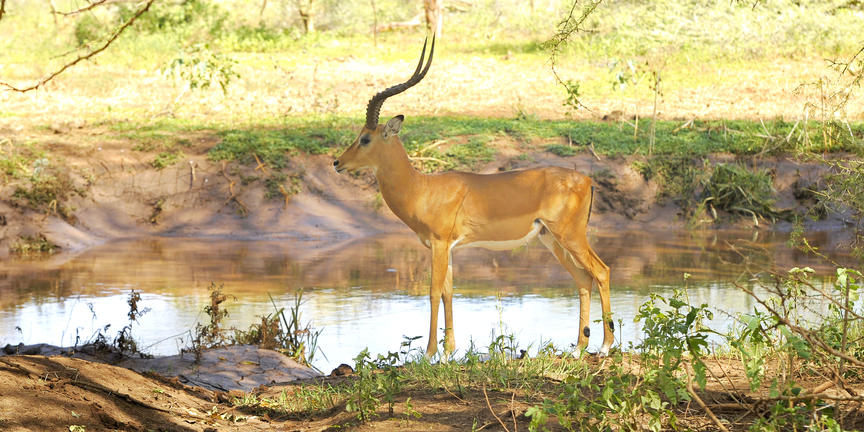
Wildlife Reintroduction: Native species such as elephants, giraffes, impala, zebras, and wildebeest have re-established natural migratory routes.
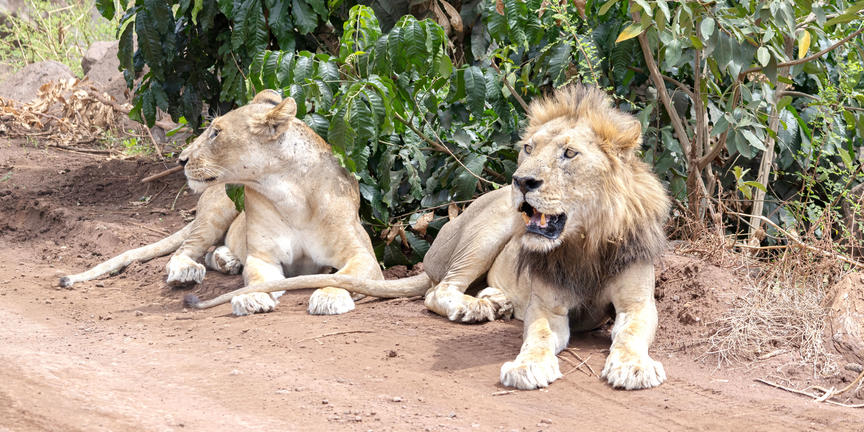
Predator Recovery: Lions, leopards, hyenas, and smaller carnivores are gradually returning as the food chain restores its balance.
Community Collaboration: Local communities are directly involved in conservation management, benefiting through eco-tourism and sustainable land use programs.
Scenic Landscapes: The park’s gently rolling plains, dotted with acacia trees and framed by views of Mount Meru and the Ngorongoro Highlands, offer spectacular photographic opportunities.
Makuyuni represents a new chapter in Tanzania’s conservation journey — proof that rewilding works when people and nature work together.
Travel Information
How to Get There
By Road: Makuyuni Wildlife Park is located about 120 km (2–2.5 hours) west of Arusha, along the main route connecting Tarangire, Lake Manyara, and Ngorongoro. Roads are well-maintained, and the park can easily be visited en route between major safari destinations.
By Air: Scheduled and charter flights operate to Lake Manyara Airstrip, followed by a short road transfer of about 30–45 minutes to Makuyuni.
Travel Distances
Arusha → Makuyuni Wildlife Park: ~2–2.5 hours
Makuyuni Wildlife Park → Tarangire: ~1 hour
Tarangire → Lake Manyara: 1 hour
Lake Manyara → Ngorongoro Crater: 1 hour
Lake Manyara → Serengeti: 3.5 hours
Best Time to Visit
Dry Season (July – October):
Excellent for wildlife viewing as animals concentrate around water sources and vegetation is sparse. This is also the best time to witness large herds moving along the restored corridors.Wet Season (November – June):
The park is lush and green, perfect for photography and birdwatching. Migratory birds arrive, and newborn animals can often be seen in the plains.
Why Include Makuyuni Wildlife Park in Your Tanzania Safari
Makuyuni Wildlife Park offers a fresh perspective on Tanzania’s safari experience — an opportunity to witness conservation in action. It’s an ideal stop for travellers who want to explore less-crowded, emerging destinations while contributing to community-based conservation.
Its strategic location between Tarangire, Lake Manyara, and Ngorongoro makes it a natural addition to any Northern Circuit itinerary, offering a blend of wildlife encounters, cultural experiences, and rewilded landscapes.
Key Attractions
Rewilding Corridor – a living success story connecting major parks
Elephant and Giraffe Sightings – thriving populations on restored rangelands
Community Conservation Projects – meet locals shaping the future of wildlife protection
Scenic Landscapes – acacia woodlands and mountain views
Birdlife Diversity – especially rich after the rains
Eco-Friendly Lodges and Camps – supporting sustainable tourism