Lake Natron – Flamingos and the Mountain of God Ol Doinyo Lengai
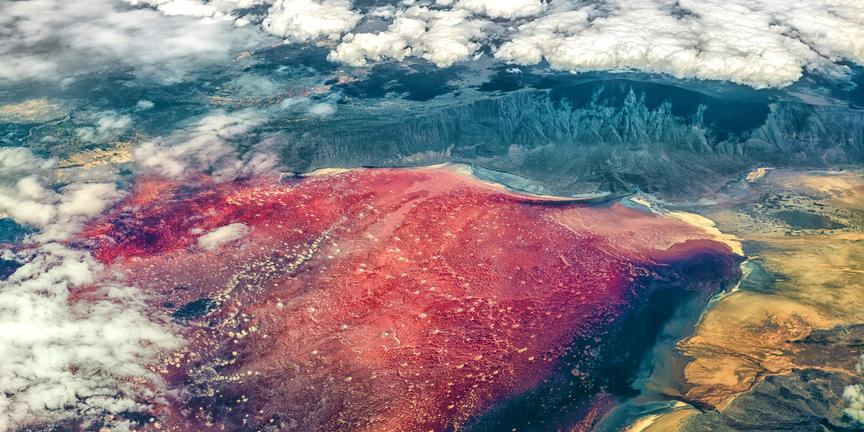
Lake Natron, one of Tanzania’s most otherworldly destinations, lies in the heart of the Great Rift Valley near the Kenyan border. This remote, shimmering soda lake is famous as the breeding ground for East Africa’s lesser flamingos and as the base of the awe-inspiring Ol Doinyo Lengai, known to the Maasai as the “Mountain of God.”
Set against a dramatic volcanic backdrop and framed by red-tinged cliffs and endless salt flats, Lake Natron offers one of the most striking and surreal landscapes in Africa — a haven for photographers, adventurers, and nature enthusiasts.
Location – Northern Safari Circuit of Tanzania
Situated about 240 kilometres (5–6 hours’ drive) north of Arusha, Lake Natron lies at the lowest point of the Great Rift Valley in northern Tanzania, close to the Kenyan border. Despite its harsh, alkaline environment, the lake is teeming with life specially adapted to its extreme conditions.
The area’s ecosystems include:
Soda and salt flats, whose minerals give the lake its otherworldly pink and crimson hues.
Hot springs and freshwater streams, fed by underground springs from nearby volcanic highlands.
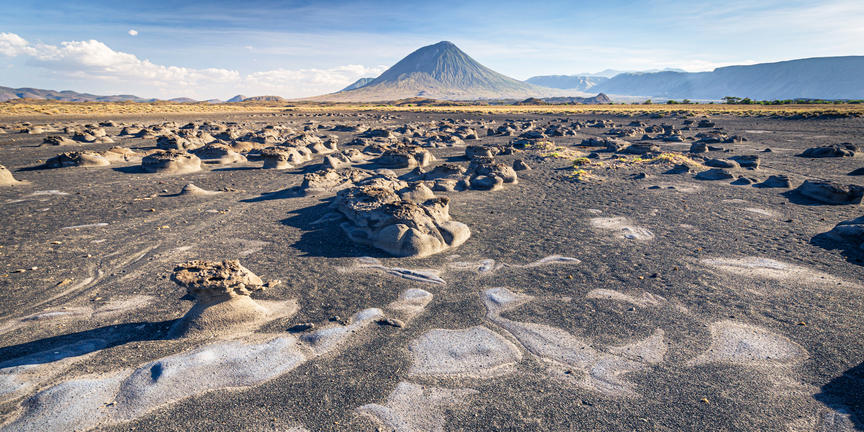
Surrounding volcanic terrain, dominated by Ol Doinyo Lengai, the only active carbonatite volcano in the world.
Rugged Rift Valley cliffs and escarpments, home to raptors and small mammals.
This unique combination of geology and ecology supports a fragile yet fascinating web of life.
Activities at Lake Natron
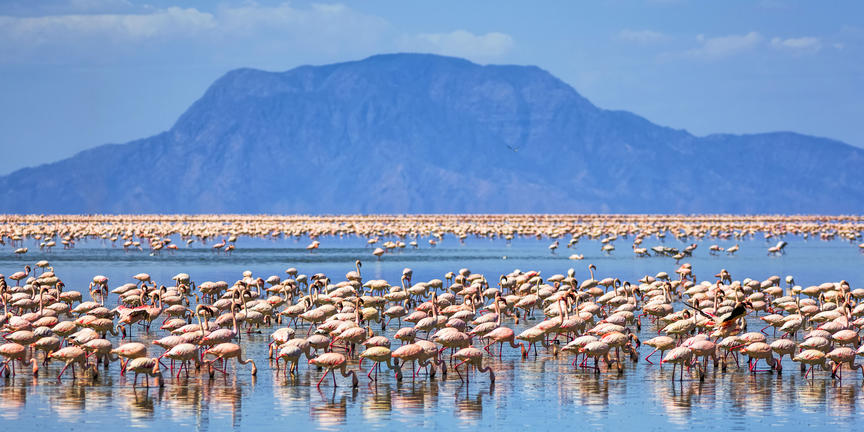
Flamingo Breeding Ground: Lake Natron is the only regular breeding site for East Africa’s 2.5 million lesser flamingos. Between August and October, the lake’s remote salt islands become a nursery for thousands of chicks — a sight found nowhere else on the continent.
Ol Doinyo Lengai Volcano: Rising 2,962 metres, this active volcano is sacred to the Maasai people and offers adventurous travellers a challenging night-time trek to witness sunrise over the Rift Valley and Lake Natron basin.
Natural Hot Springs and Waterfalls: Visitors can bathe in warm springs or hike through canyons to discover hidden waterfalls and palm-fringed oases.
Ancient Footprints: The area preserves hominid footprints dating back over 100,000 years, among the oldest ever discovered — a remarkable window into human history.
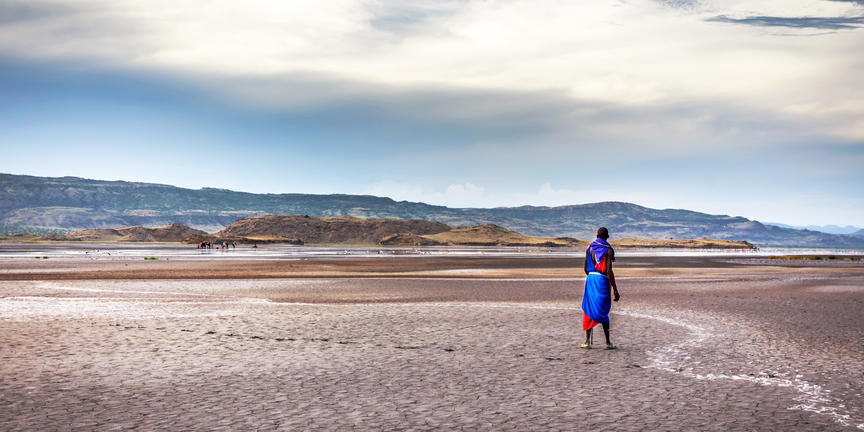
Maasai Culture: Meet local Maasai communities who live traditionally in this harsh yet beautiful environment.
Travel Information
How to Get There
By Road: Lake Natron is about 240 km (5–6 hours) from Arusha, accessible via Mto wa Mbu and Engaresero village. The last section of the road is rough and requires a 4×4 vehicle.
By Air: Charter flights operate from Arusha, Manyara, or Serengeti to the Lake Natron Airstrip, located near Engaresero village.
Travel Distances
Arusha → Lake Natron: ~5–6 hours
Lake Natron → Lake Manyara: ~3.5–4 hours
Lake Manyara → Ngorongoro Crater: 1 hour
Lake Manyara → Serengeti: 3.5 hours
Best Time to Visit
Dry Season (July – October): Ideal for visiting the flamingo breeding sites and hiking Ol Doinyo Lengai. Roads are easier to navigate, and sunsets over the lake are spectacular.
Wet Season (November – June): The lake fills with water, creating shimmering reflections and vibrant colours. Birdwatching is excellent, with flamingos, pelicans, and waders in abundance, though access may be challenging due to muddy roads.
Why Include Lake Natron in Your Tanzania Safari
Lake Natron is perfect for travellers seeking something different — a wild, remote, and otherworldly landscape far from traditional safari crowds. It’s an excellent addition to a Northern Circuit itinerary, combining adventure, photography, geology, and culture.
From climbing the Mountain of God to witnessing millions of flamingos in a mirror-like lake, Lake Natron offers an unforgettable, soul-stirring experience of Tanzania’s natural and cultural diversity.
Key Attractions
Flamingo Breeding Colonies – a spectacle unique to East Africa
Ol Doinyo Lengai Volcano – active “Mountain of God”
Hot Springs and Engaresero Waterfalls – natural bathing and canyon hikes
Ancient Human Footprints – over 100,000 years old
Rift Valley Landscapes – dramatic escarpments and lava fields
Maasai Villages – traditional culture and guided hikes