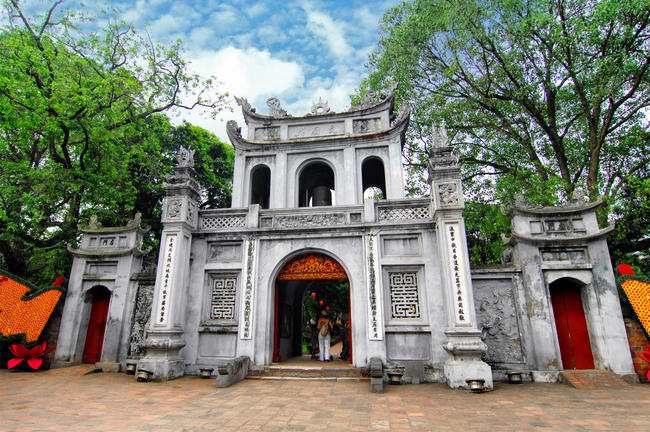
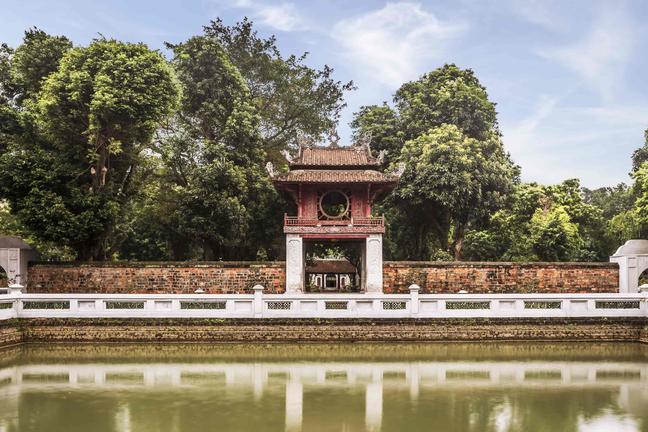
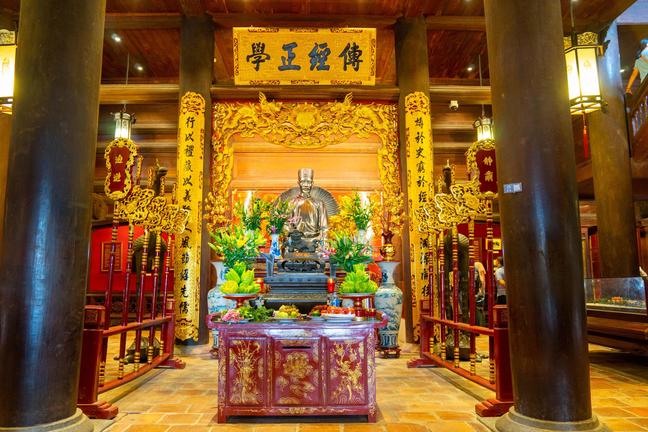
One of Hanoi’s most important historic sights, the Temple of Literature is a beautifully preserved complex that reflects the capital’s long association with scholarship, learning and tradition. Founded in 1070 during the Ly Dynasty, it was originally built to honour Confucius and later became the site of Vietnam’s first university, making it one of the most significant cultural landmarks in the country.
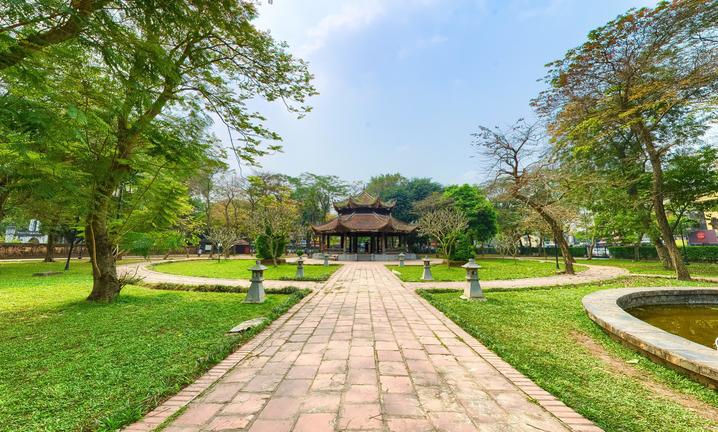
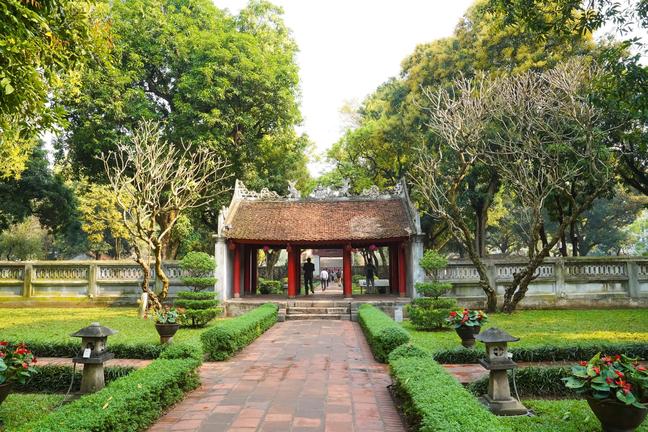
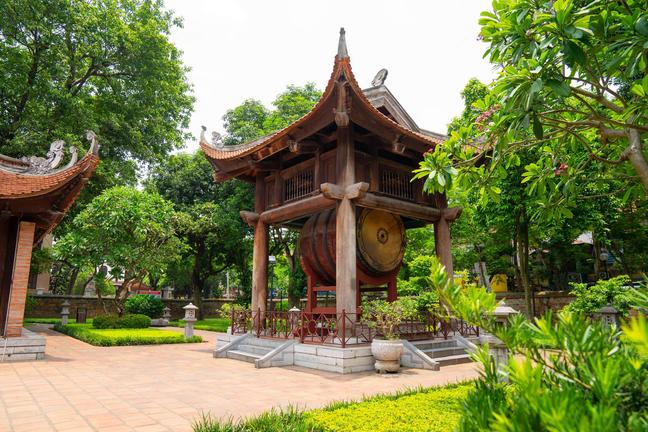
What makes the Temple of Literature especially appealing is not just its historical importance, but its atmosphere. Behind its walls, the busy energy of Hanoi gives way to a much calmer world of courtyards, gardens, pavilions and traditional Vietnamese architecture. The complex is arranged across five courtyards, each with its own character, and walking through them gives a strong sense of order, balance and quiet dignity.
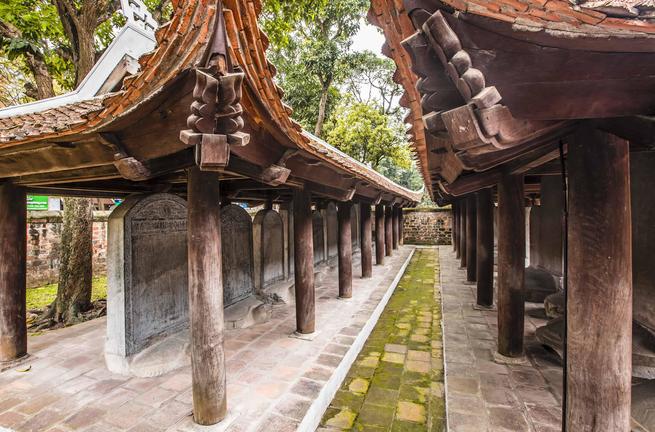
Among its best-known features are the stone stelae mounted on carved turtle backs, which record the names of successful doctoral scholars and have become enduring symbols of academic achievement. The temple remains closely associated with education in Vietnam, and it is still a place where students often come to mark important milestones in their studies.
The Temple of Literature is also one of Hanoi’s most picturesque attractions and works very well as part of a wider day taking in the Imperial Citadel of Thang Long, the Fine Arts Museum, or the Ho Chi Minh area nearby. It suits first-time visitors particularly well, as it combines history, architecture and a real sense of Hanoi’s cultural identity in one very accessible site. For many travellers, it is one of the city’s true essentials.