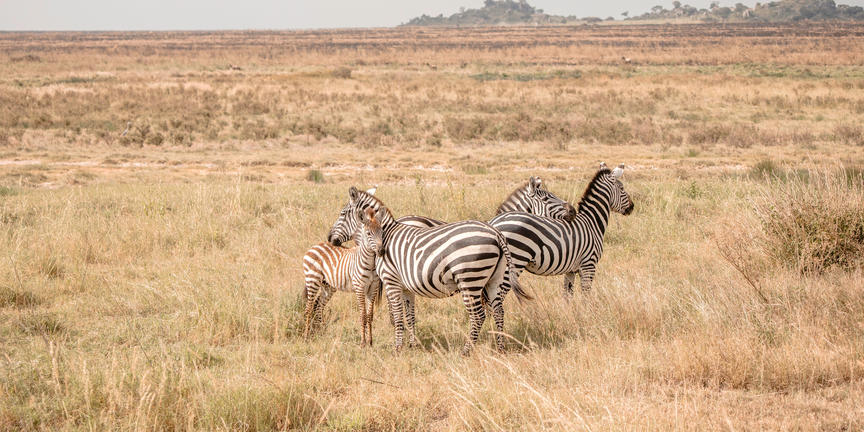
Central Serengeti – Heart of the Serengeti
The Central Serengeti is the beating heart of Tanzania’s most famous national park, known for its sweeping grasslands, rich wildlife, and year-round game viewing. Encompassing the Seronera Valley — often called “the wildlife capital of the Serengeti” — this area delivers some of Africa’s most consistent predator sightings and breathtaking safari experiences.
No matter the season, the Central Serengeti offers the quintessential African safari: open savannahs dotted with acacia trees, herds of wildebeest and zebra on the move, and predators lurking in the golden grasslands.
Location and Ecosystems – Northern Safari Circuit of Tanzania
The Central Serengeti lies about 320 kilometres (6–7 hours’ drive) northwest of Arusha, positioned between the southern plains and the northern Mara River region. It forms part of the Northern Safari Circuit, linking seamlessly with Ngorongoro Crater, Lake Manyara, and Tarangire National Park.
The area’s landscapes are dominated by:
Endless grassy plains where wildebeest and zebra graze in abundance.
The Seronera River, a permanent water source attracting animals year-round.
Kopjes (granite outcrops) that serve as resting and hunting spots for lions and leopards.
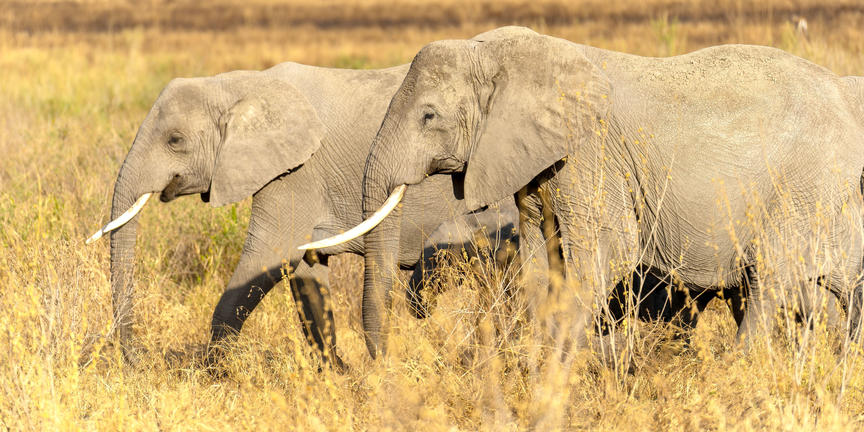
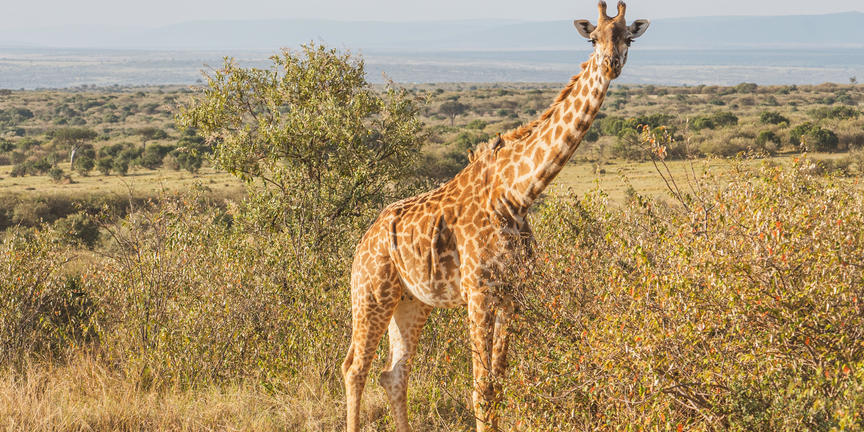
Woodland belts and acacia savannahs, providing ideal habitat for giraffes, elephants, and diverse birdlife.
This ecological variety supports one of the densest concentrations of wildlife on Earth.
Unique Features
Year-Round Game Viewing: The Central Serengeti offers exceptional wildlife encounters in every month of the year — from large herds of elephants and buffalo to predators like lions, leopards, cheetahs, and hyenas.
The Great Migration: Between April and June, vast herds of wildebeest and zebra pass through the Central Serengeti as they head north toward the Mara River, creating thrilling predator-prey interactions.
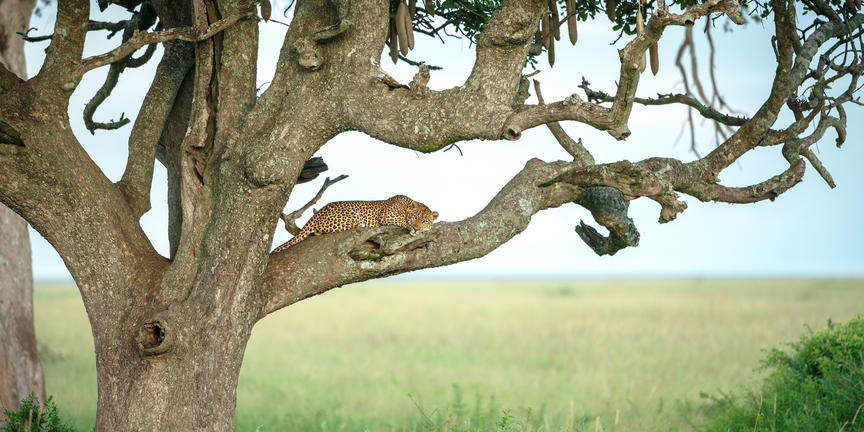
Seronera River Valley: A wildlife hotspot famous for leopard sightings and resident lion prides.
Scenic Kopjes: Iconic granite outcrops such as Moru Kopjes and Simba Kopjes offer spectacular views and excellent chances to spot lions basking in the sun.
Balloon Safaris: Sunrise hot-air balloon rides reveal the vastness and beauty of the Serengeti plains from above.
Activities in the Area
Game Drives: Experience morning, afternoon, and full-day game drives with expert guides through the Seronera Valley and beyond, offering the best chances to spot big cats, elephants, and plains game.
Guided Walks: Embark on a walking safari led by knowledgeable rangers and Maasai trackers, learning about animal tracks, birdlife, and the smaller details of the ecosystem.
Hot-Air Balloon Flights: Float silently over the plains at sunrise, capturing sweeping views of herds and predators moving across the golden savannah.
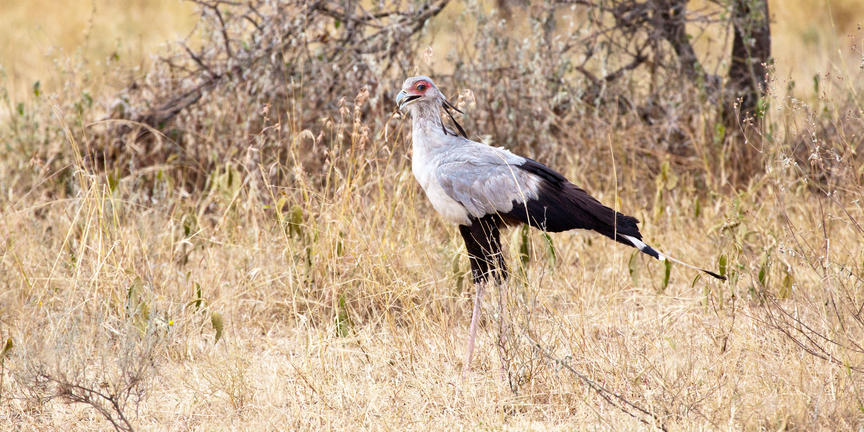
Birdwatching: With over 500 bird species, including the lilac-breasted roller, kori bustard, and secretary bird, the area is a paradise for bird enthusiasts, particularly during the green season.
Cultural Visits: Visit nearby Maasai villages to experience traditional life, learn about ancient customs, and appreciate the Maasai’s deep connection with the land.
Photography & Filming: Capture breathtaking landscapes, wildlife encounters, and dramatic African skies — the Central Serengeti is one of the most photogenic locations in East Africa.
Travel Information
How to Get There
By Road: Central Serengeti is about 320 km (6–7 hours) from Arusha, accessible via the Ngorongoro Conservation Area. The journey includes a scenic drive across the Rift Valley escarpment and the crater highlands.
By Air: Daily scheduled flights operate from Arusha, Zanzibar, or other national parks to Seronera Airstrip, located in the heart of the Central Serengeti — ideal for fly-in safaris.
Travel Distances
Arusha → Central Serengeti: ~6–7 hours
Central Serengeti → Northern Serengeti: ~3–4 hours
Central Serengeti → Ngorongoro Crater: ~3.5–4 hours
Ngorongoro Crater → Lake Manyara: ~1 hour
Lake Manyara → Tarangire National Park: ~1 hour
Tarangire → Arusha: ~2 hours
Best Time to Visit
Dry Season (July – October):
Prime wildlife viewing as animals gather at the Seronera River and water sources. Grass is short, visibility is excellent, and predator sightings are frequent.Wet Season (November – June):
The plains are lush and green, filled with newborn animals and migratory herds. April to June is especially spectacular as the Great Migration moves through the region. Birdwatching is also superb during this period.
Why Include Central Serengeti in Your Tanzania Safari
The Central Serengeti embodies the essence of a classic African safari — vast plains, dramatic skies, and extraordinary wildlife encounters. It’s ideal for first-time visitors and seasoned travellers alike, offering easy access, excellent lodges, and reliable game viewing all year.
Whether you come to witness the Great Migration, photograph leopards in the Seronera Valley, or float silently above the plains in a hot-air balloon, the Central Serengeti promises a safari experience that truly defines Tanzania.
Key Attractions
Seronera Valley: Heart of the Serengeti and predator hotspot
The Great Migration: Wildebeest and zebra herds (April–June)
Moru & Simba Kopjes: Iconic granite outcrops and lion resting spots
Hot-Air Balloon Safari: Breathtaking aerial views at sunrise
Year-Round Wildlife: Resident herds and big cats always present
Leopard Sightings: Some of the best in East Africa
Scenic Lodges & Camps: Convenient base for exploring all directions of the park