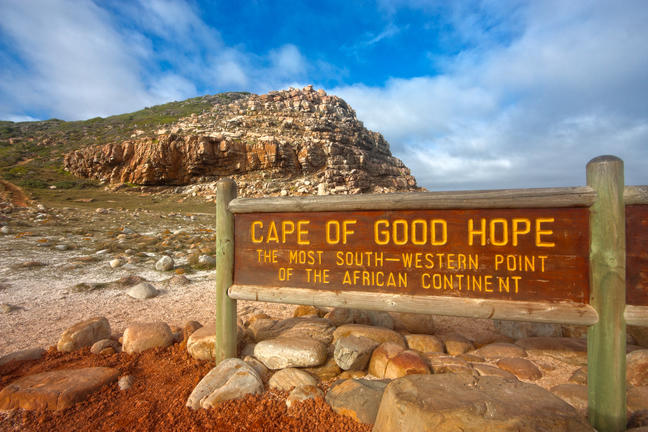
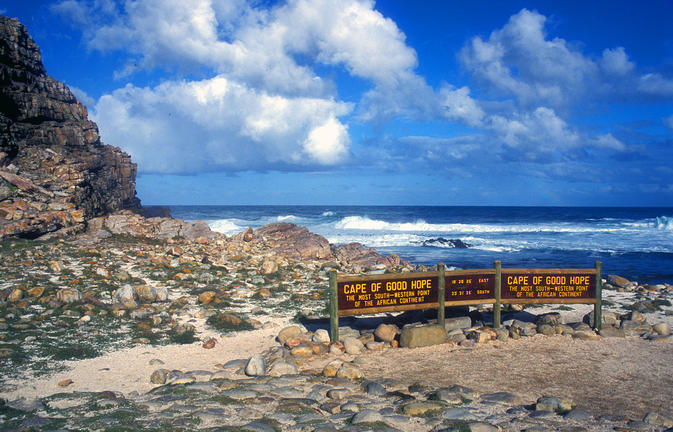
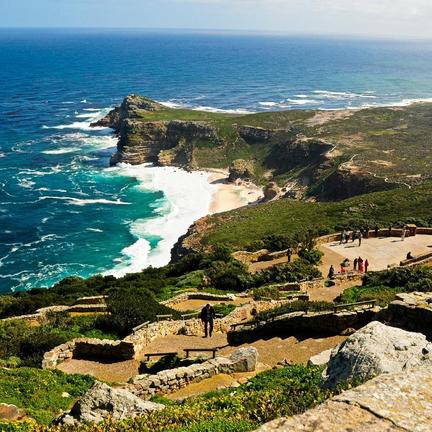
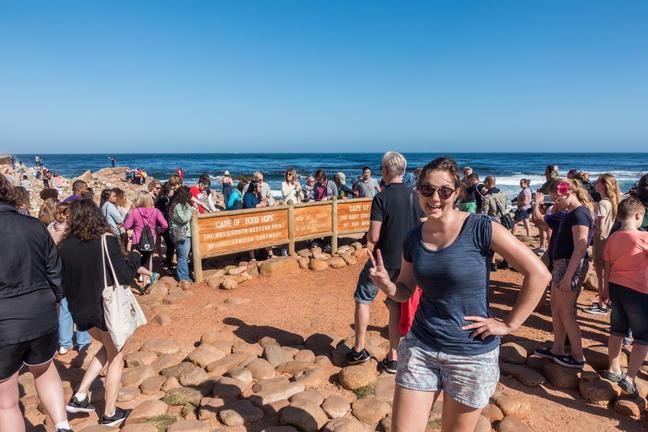
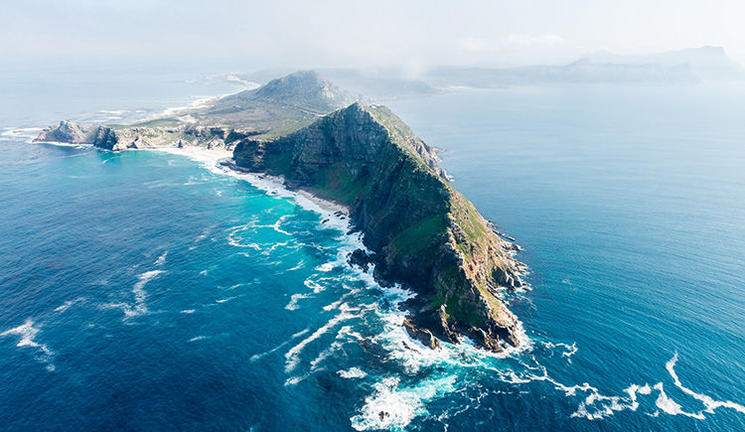
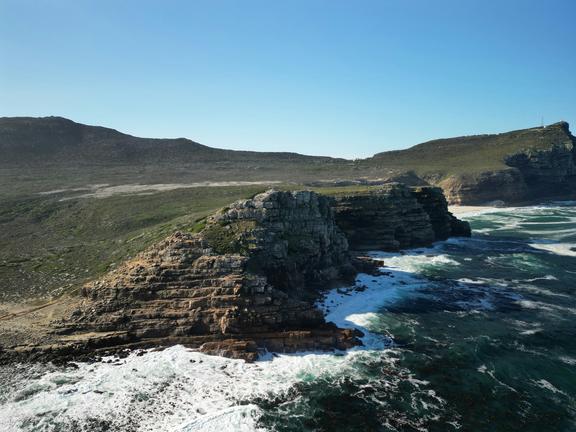
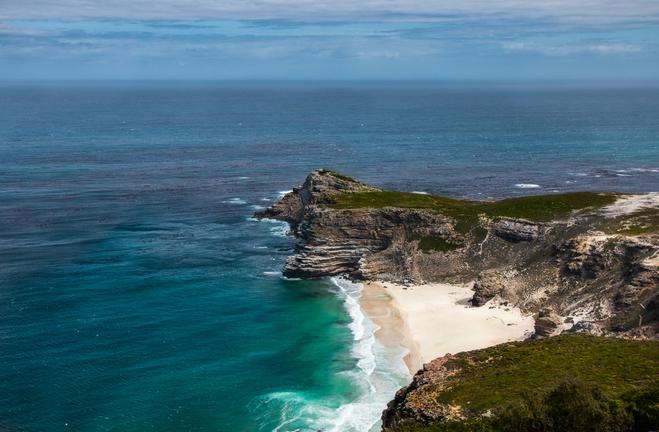
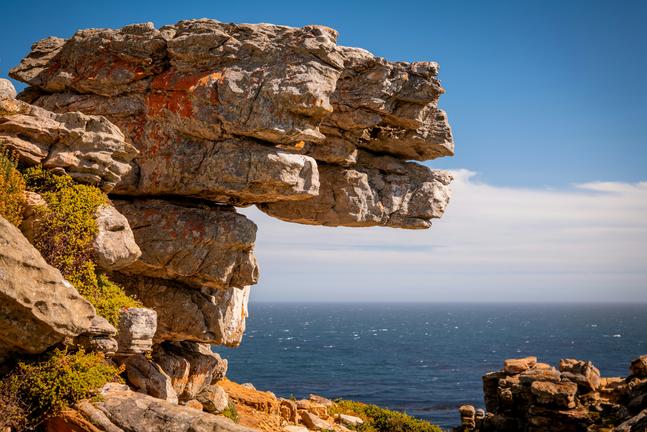
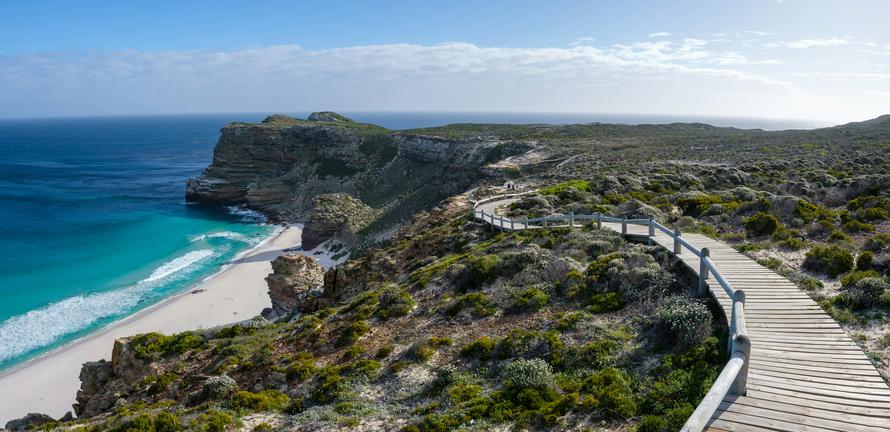
Mys Dobré naděje (anglicky Cape of Good Hope, afrikánsky Kaap die Goeie Hoop) je ostrý pevninský výběžek v Jižní Africe nedaleko Kapského Města. Je tradičně (a nesprávně) označován jako místo, na kterém se setkávají Atlantský oceán a Indický oceán. (Technicky vzato leží rozhraní mezi těmito oceány 160 km jihovýchodněji u Střelkového mysu, který je nejjižnějším bodem Afriky.) Až k mysu Dobré naděje však z Indického oceánu zasahuje teplý proud Střelkového mysu, který se zde stýká se studeným proudem Benguelským.
Prvním Evropanem, který obeplul mys Dobré naděje, byl portugalský mořeplavec Bartolomeo Dias v roce 1488. Ten tomuto místu dal název „mys Bouří“ (Cabo das Tormentas). Později král Jan II. Portugalský přejmenoval mys na „mys Dobré naděje“ (Cabo da Boa Esperança), protože otevíral cestu na východ.
Holandský obchodník Jan van Riebeeck založil 6. dubna 1652 nedaleko mysu zásobovací tábor pro nizozemskou Východoindickou společnost. Dnes na tomto místě stojí Kapské Město. Východoindická společnost potřebovala v oblasti mysu Dobré naděje zkušené zemědělce. Nizozemská vláda proto rozhodla o vyslání hugenotů, kteří opustili kvůli náboženskému pronásledování Francii. Skupina hugenotů byla vyslána 31. prosince 1687 a dostala se tak přes Nizozemí až na jih Afriky.
Dne 19. ledna 1806 obsadila mys Velká Británie. Okupace byla potvrzena anglo-holandskou smlouvou v roce 1814. Území bylo pak spravováno jako Kapská kolonie.
Credit: Unsplash/Falco Negenman
Credit: Unsplash/Shashank Kumar
Credit: Unsplash/Anton Lukin
Credit: Unsplash/Victor Smits
Credit: Unsplash/Matthias Wesselmann
Credit: Unsplash/Joshua Kettle
Visitors to the Buffelsfontein Visitor Centre in the Cape of Good Hope section of Table Mountain National Park can explore the internationally acclaimed Origins of Early Southern Sapiens Behaviour exhibition at no additional cost. Through engaging multimedia displays, the exhibition reveals the story of early modern human innovation and origins in Southern Africa, drawing on decades of groundbreaking archaeological research. The visitor centre also offers fascinating information about the region's unique flora and fauna, helping guests gain a deeper understanding of the natural wonders they may encounter during their visit. Entry is free for all park visitors.
The Cape of Good Hope Hiking Trail offers an unforgettable two-day circular trek covering approximately 33.8 km through the spectacular landscapes of Table Mountain National Park. The trail starts and ends at the Cape Point entrance gate, where secure overnight parking is available for hikers. Before setting out, visitors are required to complete the necessary overnight hiking registration and indemnity forms and collect the hut keys from the Access Control Officer at the gate. As park access is permitted only during normal operating hours, hikers should start their journey before 9:00 am to ensure they reach the overnight huts before sunset.
Visitors can join free guided walks at Cape Point led by enthusiastic volunteers, offering an excellent opportunity to explore the area's remarkable scenery, wildlife, and natural heritage. Walks typically depart from just inside the main gate on the second Sunday of each month, although dates may be adjusted in March and November due to race events. Participants are advised to wear sturdy walking shoes and bring a hat, sunscreen, rain gear, drinking water, and a light snack. A valid Wild Card or payment of the applicable conservation fee is required for entry to the reserve.