ETOSHA NATIONAL PARK
Etosha National Park stands out as one of Africa’s most remarkable destinations. At its heart lies the vast Etosha Pan, a shimmering salt flat so large it can be seen from space. Measuring 130 km long and 50 km wide, it is the largest salt pan in Africa, covering roughly 4,800 km², about a quarter of the park’s total area. Despite its arid centre, the park teems with wildlife drawn to the many waterholes, making exceptional sightings almost inevitable.
Renowned as one of the most accessible reserves in Namibia and Southern Africa, Etosha can be explored in a standard small car. Its well-equipped camps offer a range of overnight accommodations, restaurants, lookout points, shops, and fuel stations.
In the Ovambo language, Etosha means “Great White Place,” a name recorded by explorers Sir Francis Galton and Charles Andersson in 1851. In other indigenous languages the meanings include “Place of Emptiness,” “Lake of Mother’s Tears,” and “to run falteringly across.” The Hai//om people called it Khubus, “a totally bare, white place with lots of dust.”
The pan itself is believed to be around 100 million years old and once held a deep lake fed by the Kunene River. About 16,000 years ago, tectonic shifts redirected the river toward the Atlantic, causing the lake to slowly dry into the salt pan seen today.
For most of the year, the vast salt pan is surrounded by grasslands and woodlands rich with wildlife.
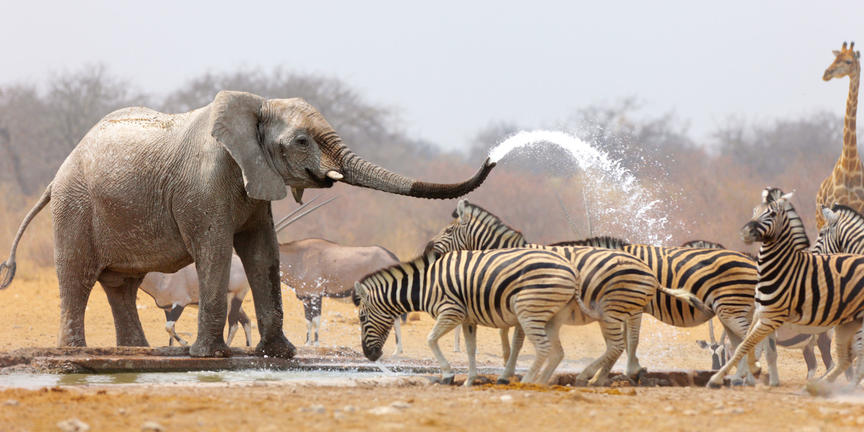
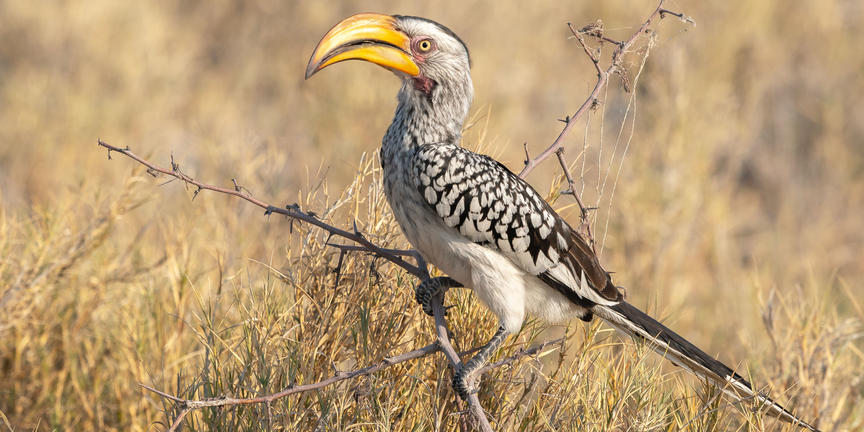
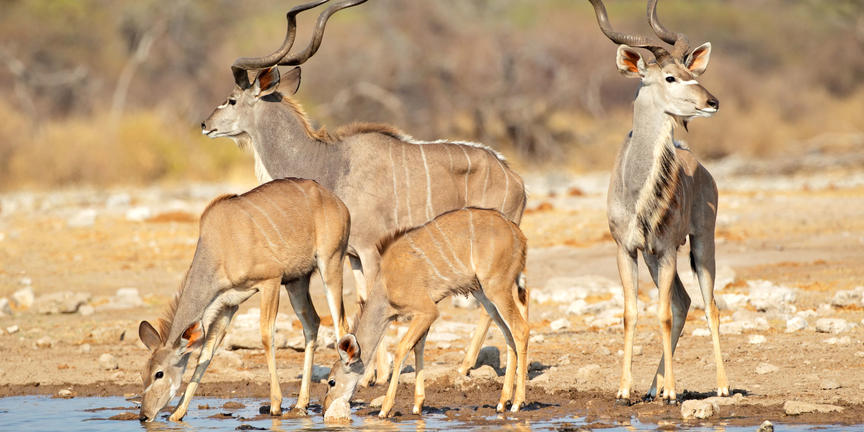
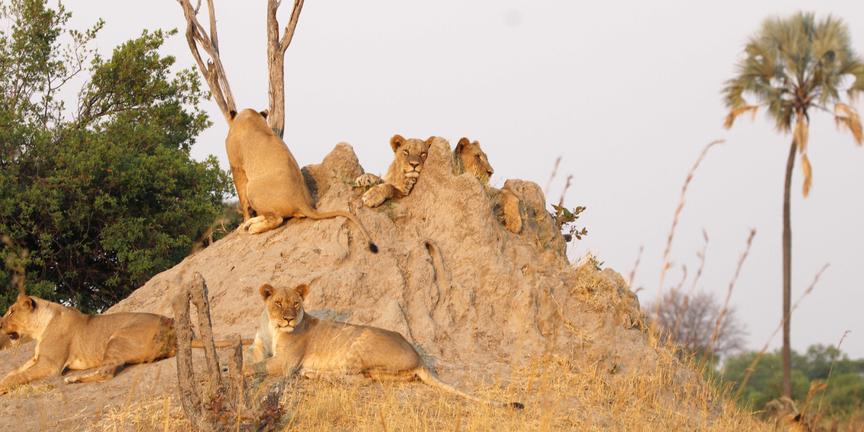
Dozens of waterholes, both natural and fed from boreholes, draw an incredible variety of animals in the dry season. Herds of up to fifty elephants may stroll past vehicles, while lions, hyenas, and endangered black rhinos roam more discreetly. Zebra, wildebeest, giraffe, springbok, eland, oryx, kudu, and the rare black-faced impala are among the park’s many residents. Birdlife is equally abundant, making Etosha a paradise for wildlife enthusiasts.
Brine springs have since formed small clay and salt mounds that wildlife uses as natural salt licks. In the rainy season, water collects in shallow ponds across the pan, and in particularly wet years, it can flood to a depth of 10 cm, transforming into a haven for thousands of flamingos.
For those seeking an elevated experience, luxury camps in Etosha’s more remote areas offer exclusive stays and added comfort.
Fuel availability inside the park is not guaranteed, it’s best to fill up in Outjo, Etosha Trading Post at Anderson Gate, Tsumeb or Kamanjab before entering.
Park Entrance Fees
Entrance fees are payable at the reception of your accommodation.
Day visitors pay at the nearest camp reception, while those entering via Galton Gate can pay directly at the gate. (Prices subject to change.)
• Adults: NAD 280 per day
• Children under 16: NAD 180 per day
• Children under 8: free
• Vehicles with fewer than 10 seats: NAD 60 per vehicle per day
Information about driving through Etosha:
• Fuel is not guaranteed, so it is best to refuel in Outjo or Etosha Trading at Anderson Gate
• You are not allowed to leave your vehicle during safaris.
• Please obey all traffic signs in the park.
• Only persons with a valid driver's license are permitted to drive in the park.
• No animals or plants may be stolen from the park.
The following are not permitted in the park:
• Plastic bags
• Drones (transport through the park is also prohibited)
• Pets
• Weapons of any kind
• Motorcycles
• Littering
• Feeding wild animals
• Please remain quiet around waterholes and check shortly before departing to see if they are open for observation.
Etosha National Park is accessible through four gates:
• Anderson's Gate at the southern end of the park can be reached from the C38 via Outjo. The nearest camp is Okaukuejo.
• Von Lindequist Gate is located in the east and is connected to the B1 via the C38. From the gate, it is a short walk to Namutoni Camp and Tsumeb, the nearest town.
• Galton Gate is located at the southwest end of the park.
• King Nehale Lya Mpingana Gate is located at the northern end of the park and 48 km from the main road to Ondangwa.
Opening Hours
• Times change weekly and depend on sunrise and sunset.
Please note:
• You must be at your camp before sunset and cannot leave until after sunrise.
• The maximum speed in the park is 60 km/h.
Facilities:
• Restaurant (Breakfast 6:00-9:30 / Lunch 12:00-2:00 / Dinner 6:30-9:00)
• Bar
• Kiosk & Shop