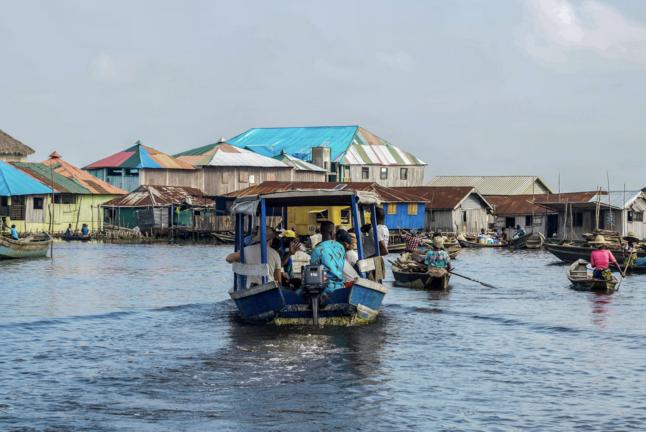
One of the most important natural features in Cambodia, Tonle Sap Lake offers a very different experience from the temples of Angkor and adds an essential wider context to a stay in Siem Reap. It is the largest freshwater lake in Southeast Asia and plays a crucial role in the country’s ecology, fishing economy and seasonal rhythms. What makes it especially remarkable is the way it changes dramatically between the dry and wet seasons, expanding hugely when the Tonle Sap River reverses direction and floods the surrounding plains.
What makes Tonle Sap Lake especially appealing for visitors is the way it reveals a very different side of life in Cambodia. The lake is home to floating and stilted communities, and excursions from Siem Reap often focus on the relationship between people, water and the shifting seasons. Boat journeys here are less about grand monuments and more about atmosphere, landscape and understanding how central the lake is to everyday life in this part of the country.
The lake is also internationally important from an environmental point of view. UNESCO recognises the Tonle Sap Biosphere Reserve for its rich biodiversity, wetlands and birdlife, which adds another layer of significance beyond the human story alone.
For most travellers, Tonle Sap Lake works best as a half day excursion, often combined with a visit to Kampong Phluk or another lakeside community. It suits those who enjoy scenery, boat travel and places that give broader cultural context. For many visitors, it is one of the most worthwhile ways to balance the temple focus of Siem Reap with a more natural and lived-in side of Cambodia.