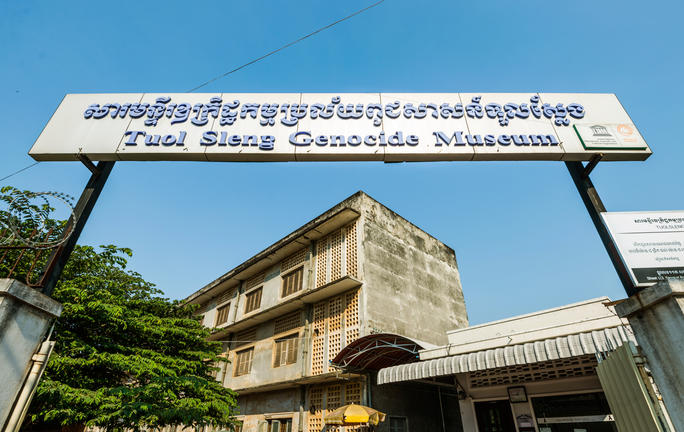
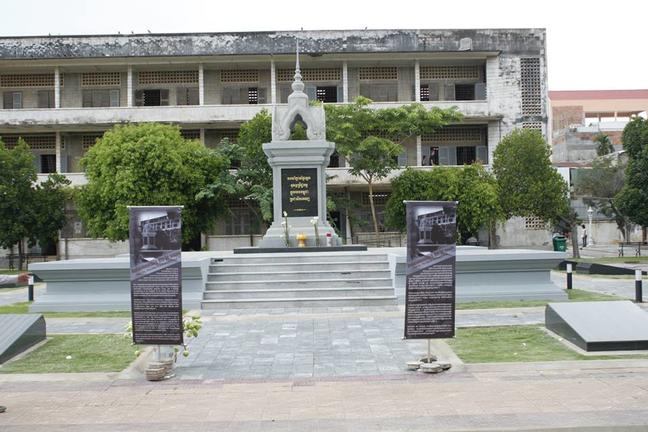
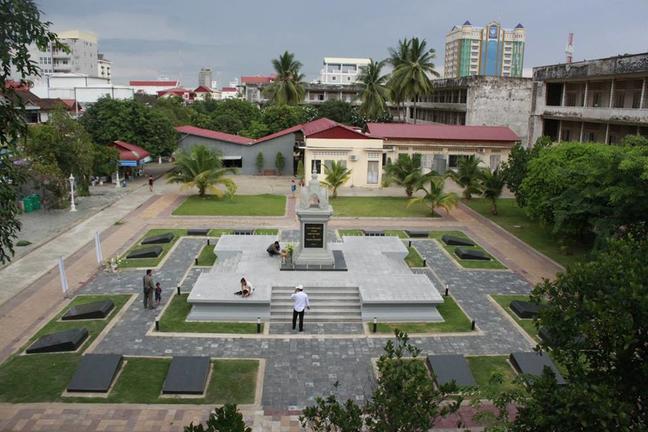
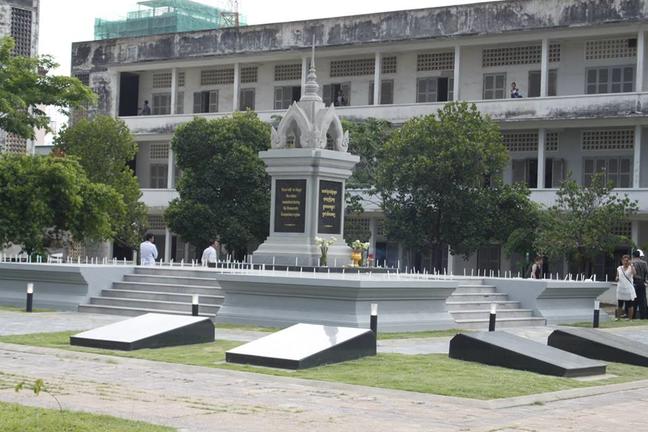
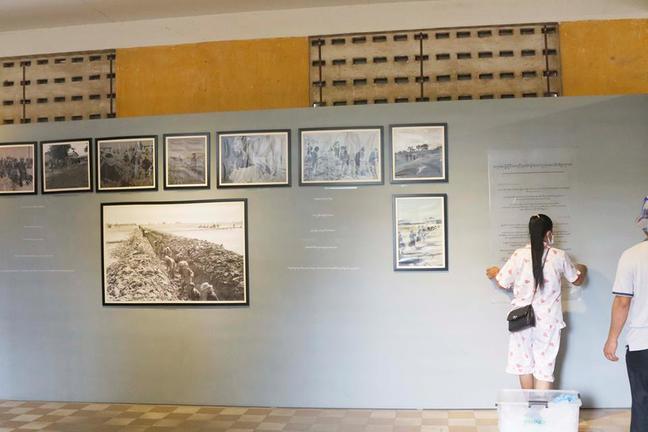
One of the most important and sobering sites in Phnom Penh, the Tuol Sleng Genocide Museum is essential for understanding Cambodia’s recent history and the devastating impact of the Khmer Rouge period. The site was originally a secondary school, but from 1976 to 1979 it was turned into Security Prison 21, commonly known as S-21, where thousands of people were imprisoned, interrogated and tortured. Today it serves as a memorial museum and one of the country’s most powerful places of remembrance.
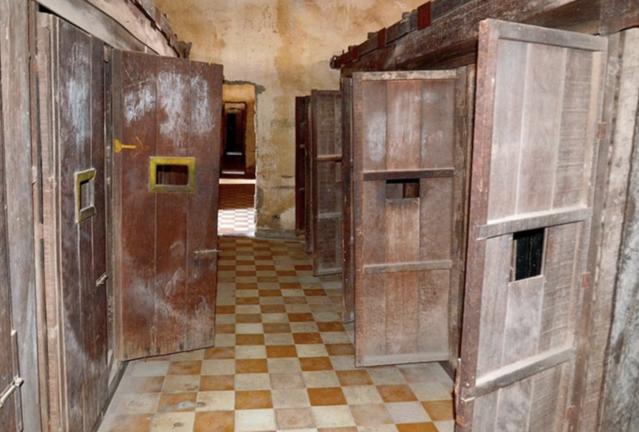
What makes Tuol Sleng especially affecting is the directness of the place. The classrooms, cells, mugshots and preserved interiors give a stark and deeply human sense of what happened here. This is not a conventional museum in tone, and it is not an easy visit, but it is one of the most important places in Cambodia for understanding the scale of suffering during the regime.
The museum works best for travellers who want a fuller understanding of Cambodia beyond its royal and temple heritage. It is often visited together with Choeung Ek, which adds the wider context of the killing fields and memorial landscape. In 2025, UNESCO added Tuol Sleng and Choeung Ek to the Memory of the World Register, recognising the archival significance of the records linked to these sites.
For most travellers, Tuol Sleng Genocide Museum is not simply another attraction, but a necessary and deeply moving visit. It adds essential historical depth to a stay in Phnom Penh and remains one of the most significant memorial sites in Southeast Asia.