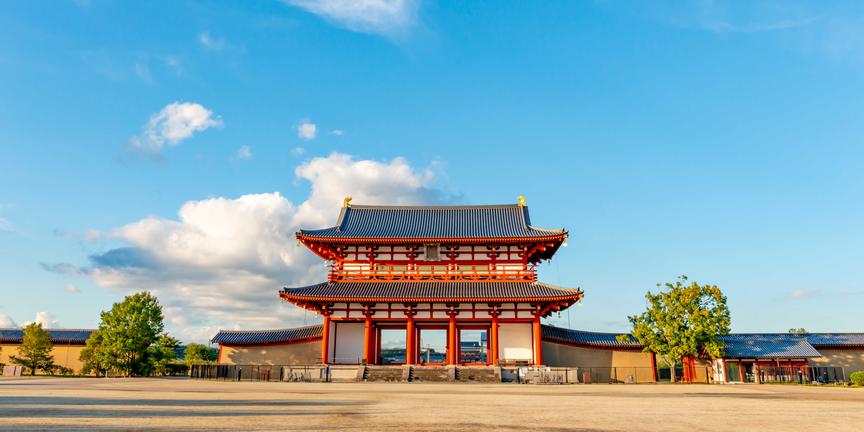
Nara is one of Japan’s most rewarding day trips, especially from Kyoto or Osaka, and offers a gentle but fascinating introduction to the country’s early history. Before Kyoto became the imperial capital, Nara held that role, and today it still has a wonderful sense of age, ritual and tradition.
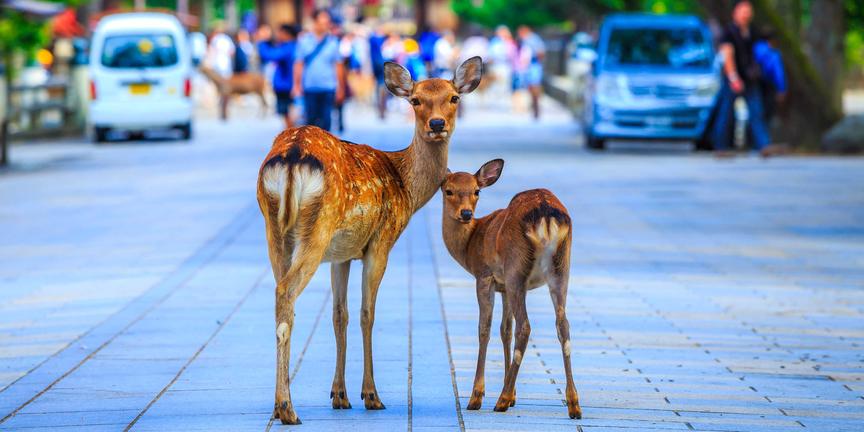
The main sights are centred around Nara Park, a broad, leafy area where semi-wild deer wander freely between temples, lawns and stone lanterns. The deer are considered messengers of the gods and have become the symbol of the city, although they can be cheeky when food is around.
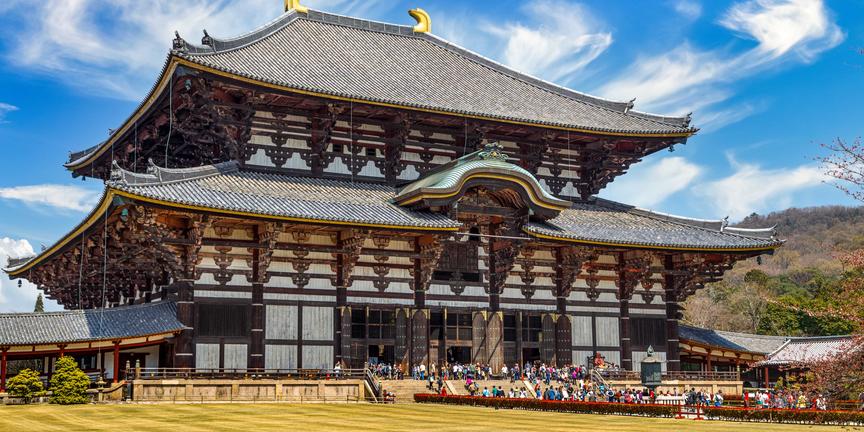
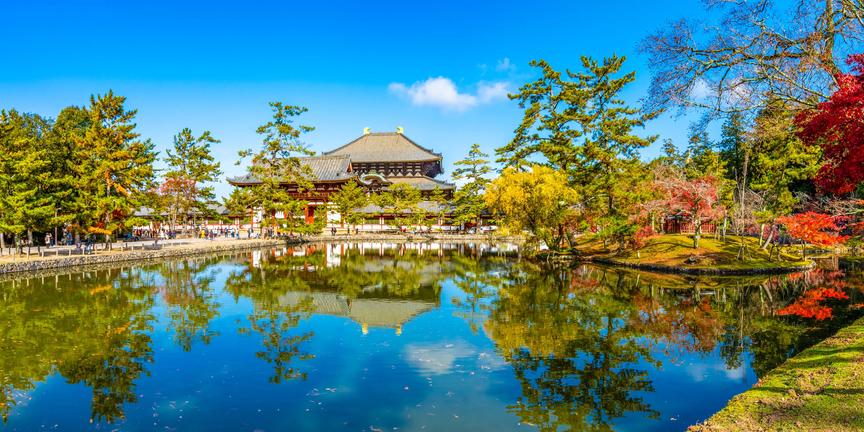
The great highlight is Todai-ji Temple, one of Japan’s most important temples and home to the enormous Great Buddha. The scale of the main hall is remarkable, and the atmosphere inside is calm, impressive and deeply memorable. It’s one of those places that gives real weight to Japan’s long cultural history.
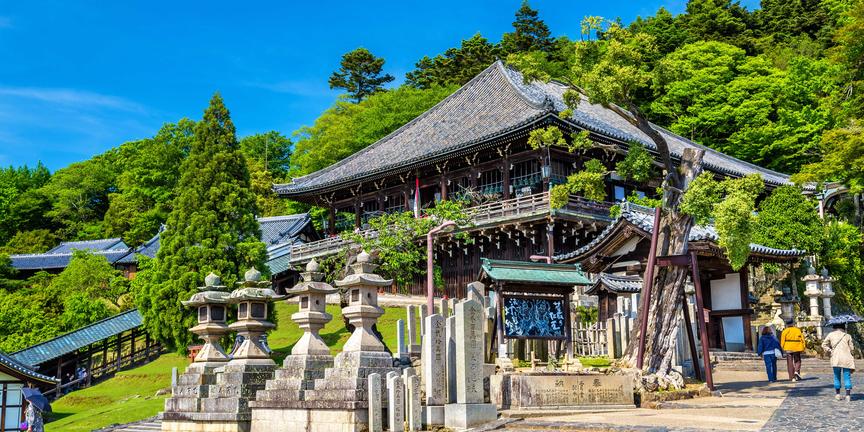
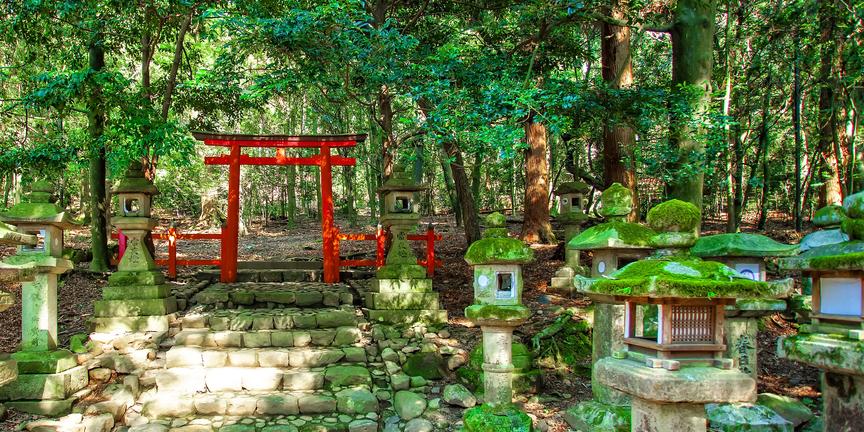
Nearby, Kasuga Taisha Shrine offers a beautiful contrast, with its vermilion buildings, mossy forest paths and hundreds of stone and bronze lanterns. The walk through the surrounding woodland is part of the pleasure, especially in the quieter corners away from the busiest routes.
Nara is also a lovely place for slower wandering. Isuien Garden is a peaceful traditional garden close to Todai-ji, while Naramachi, the old merchant district, has narrow lanes, converted townhouses, small cafés, craft shops and a more local feel.
Food here is simple and enjoyable, with local specialities including kakinoha-zushi, sushi wrapped in persimmon leaf, and yomogi mochi, a soft green rice cake often filled with sweet bean paste.
Expert Tip: Nara is best visited early in the day, before the main crowds arrive from Kyoto and Osaka. Start with Todai-ji Temple and Nara Park, then slow the pace later with Kasuga Taisha Shrine, Isuien Garden or a wander through Naramachi.