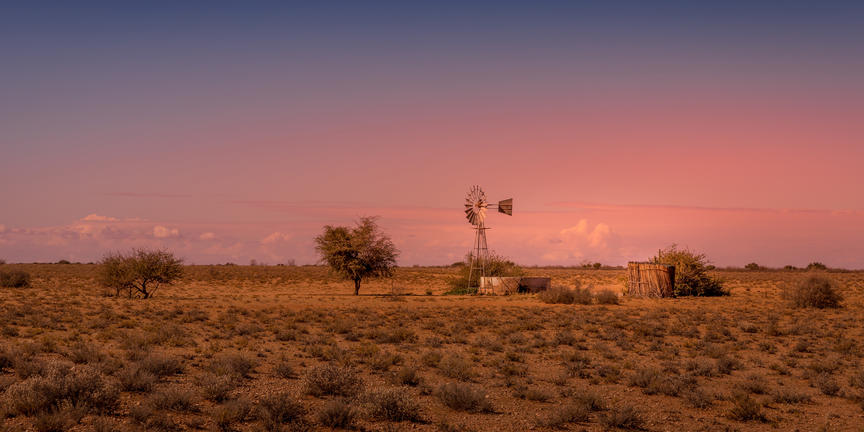
The Kalahari Desert is a vast semi-arid sandy savanna in southern Africa, covering approximately 900,000 square kilometers (350,000 square miles). It spans much of Botswana, parts of Namibia (known as South-West Africa from 1894 to 1990), and regions of South Africa.
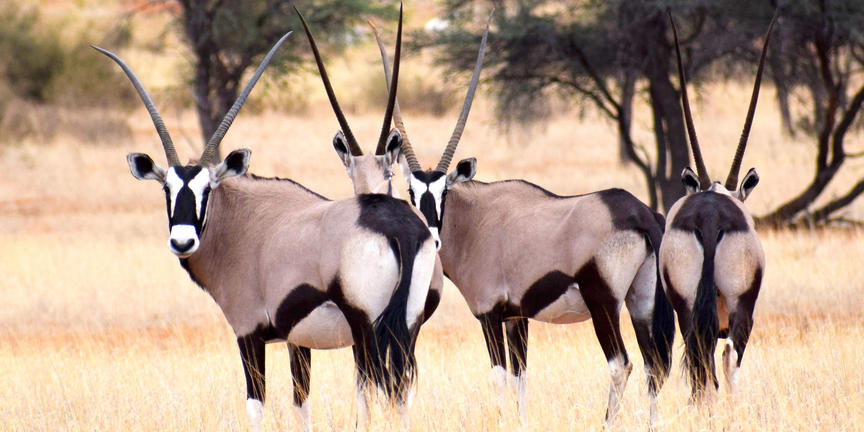
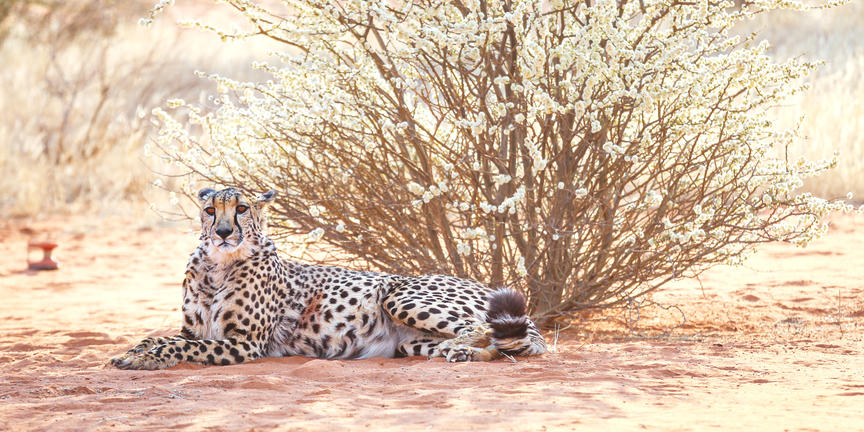
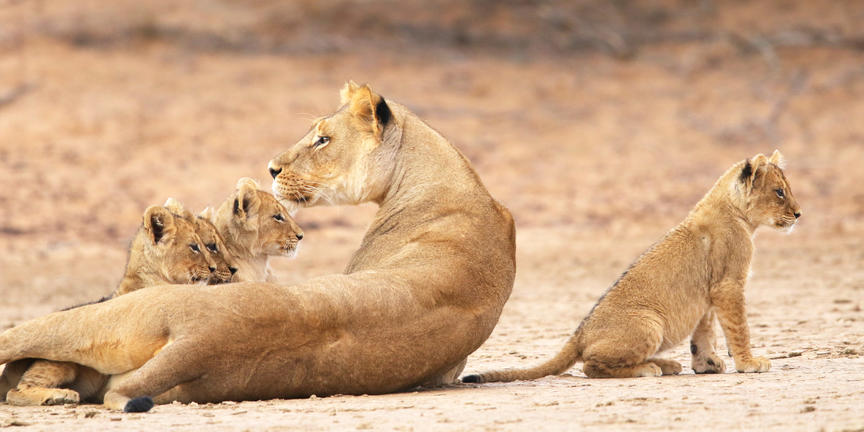
The Kalahari began forming around 60 million years ago, alongside the shaping of the African continent. Although classified as a semi-desert, it features large areas of excellent grazing land after good rains and supports a greater variety of plants and animals than a true desert—such as the Namib Desert to the west. Rainfall is limited, and summer temperatures are extremely high. Despite the harsh climate, the Kalahari is home to many migratory birds and animals.
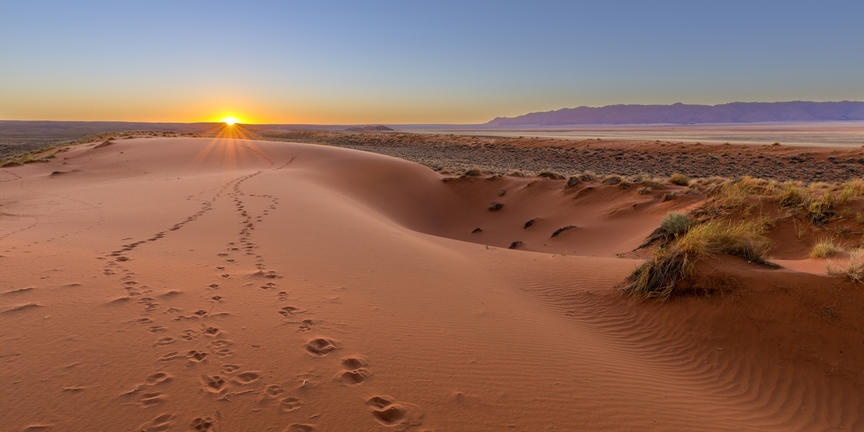
Interestingly, the Kalahari is not a desert in the strictest sense of the word. The Kalahari sand dunes—some of which stretch westward toward the Namib—form the largest continuous expanse of sand on Earth. The name "Kalahari" is derived from the Tswana word Kgala, meaning "the great thirst," or Kgalagadi, meaning "a waterless place."
Most of the region is covered by red sand and lacks permanent surface water. Natural drainage occurs through dry river valleys, seasonally flooded pans, and large salt pans such as the Makgadikgadi Pan in Botswana and the Etosha Pan in Namibia.