Ngorongoro Region – Highlands, Crater, and the Sacred Mountain of Ol Doinyo Lengai
The Ngorongoro Region is one of Tanzania’s most breathtaking and geologically diverse destinations. Encompassing the Ngorongoro Conservation Area, the Ngorongoro Highlands, the Ol Doinyo Lengai volcanic area, and the world-renowned Ngorongoro Crater, this region blends dramatic scenery, rich wildlife, and deep cultural significance.
Designated a UNESCO World Heritage Site, the Ngorongoro Region is a living landscape where Maasai pastoralists coexist with abundant wildlife amid ancient volcanic formations. Its combination of craters, highlands, lakes, and savannah plains makes it a highlight of Tanzania’s Northern Safari Circuit.
Location and Ecosystems – Northern Safari Circuit of Tanzania
Located about 180 kilometres (3.5–4 hours’ drive) west of Arusha, the Ngorongoro Region sits between Lake Manyara and the Serengeti, forming a key link in Tanzania’s most iconic safari route.
The region’s ecosystems include:
Ngorongoro Crater – a vast volcanic caldera and one of the best wildlife-viewing areas in Africa.
Ngorongoro Highlands – rolling volcanic hills, montane forests, and grasslands supporting unique flora and fauna.
Ol Doinyo Lengai – an active volcano revered by the Maasai as the “Mountain of God.”
Empakaai and Olmoti Craters – stunning high-altitude craters known for scenic hiking and flamingo-filled lakes.
The Rift Valley and Lake Natron – dramatic desert landscapes and soda lakes that attract flamingos and support rare dryland species.
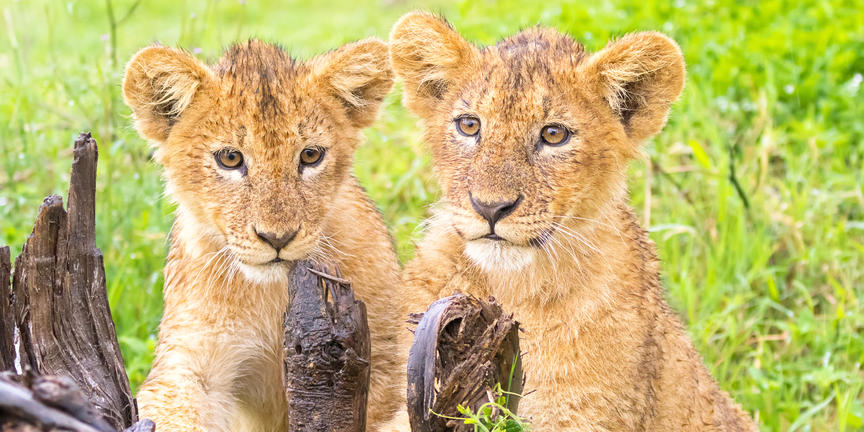
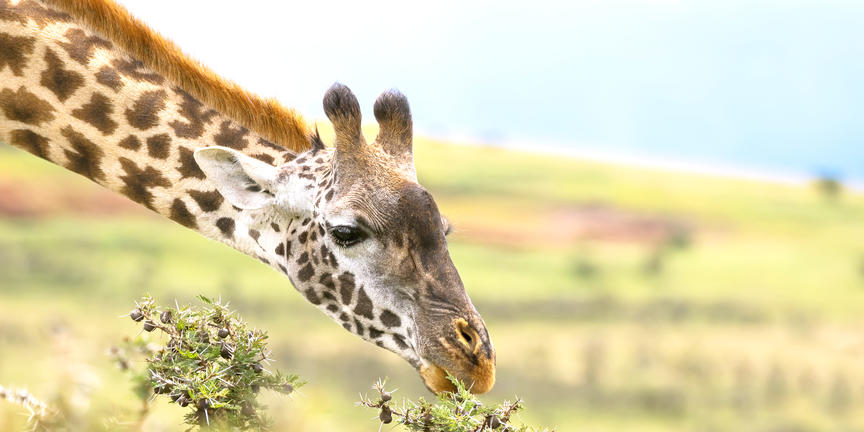
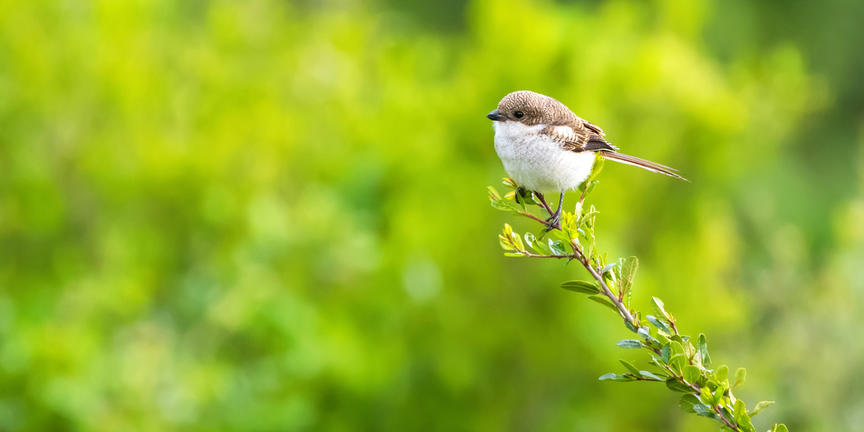
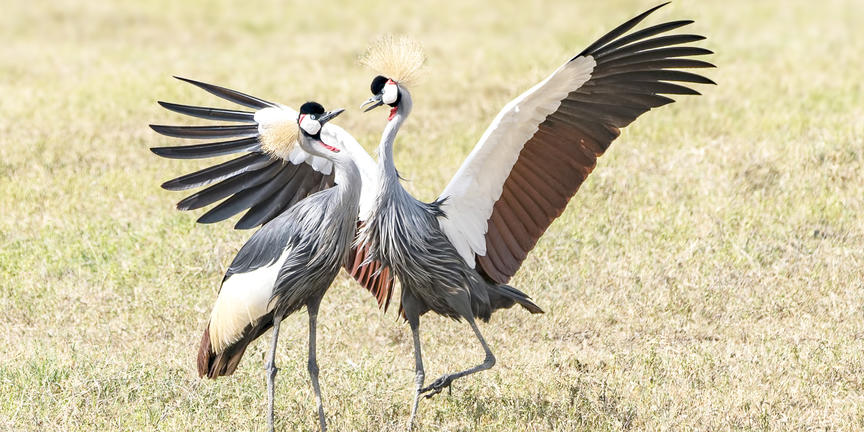
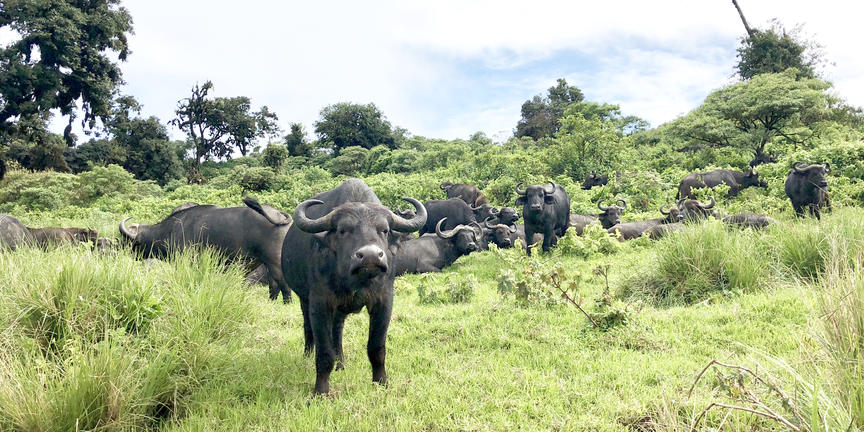
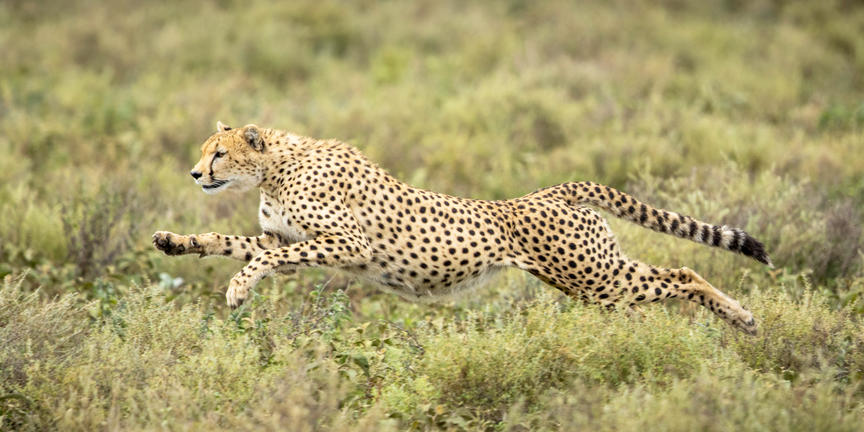
Together, these ecosystems sustain over 25,000 large mammals, including elephants, lions, leopards, cheetahs, buffalo, zebras, wildebeest, and the endangered black rhino, along with more than 500 bird species.
Unique Features
The Ngorongoro Region is a natural and cultural masterpiece. Its highlights include:
Ngorongoro Crater: The world’s largest intact volcanic caldera, teeming with wildlife and scenic grandeur.
Ol Doinyo Lengai: The only active volcano in the world that erupts carbonatite lava — a rare, fast-cooling mineral flow that turns white upon exposure.
Olduvai Gorge: One of the world’s most significant paleoanthropological sites, where early human fossils and tools were discovered by Drs. Louis and Mary Leakey.
Empakaai & Olmoti Craters: Ideal for trekking and birdwatching, offering panoramic views and serene natural beauty.
Ngorongoro Highlands: A patchwork of forests, meadows, and volcanic slopes providing a haven for highland wildlife and traditional Maasai settlements.
The region is equally renowned for its Maasai culture, where traditional herding communities live in harmony with nature, preserving a way of life deeply connected to the land.
Travel Information
How to Get There
By Road: The Ngorongoro Region is about 180 km (3.5–4 hours) west of Arusha, accessible via a well-maintained road through Lake Manyara. The journey offers sweeping views of the Great Rift Valley and rural Maasai villages.
By Air: Daily scheduled and charter flights connect Arusha, Serengeti, and Zanzibar to Lake Manyara Airstrip (1 hour from the crater) or directly to Ngorongoro Airstrip for easier access to lodges on the crater rim or in the highlands.
Travel Distances
Arusha → Ngorongoro Region: ~3.5–4 hours
Arusha → Arusha National Park: ~40 minutes
Arusha → Tarangire National Park: ~2 hours
Tarangire → Lake Manyara: 1 hour
Lake Manyara → Ngorongoro Crater: 1 hour
Lake Manyara → Serengeti: 3.5 hours
Best Time to Visit
Dry Season (July – October): The best time for wildlife viewing in the Ngorongoro Crater and surrounding plains. Roads are dry, skies are clear, and animals gather at permanent water sources. Excellent visibility for photography and hiking.
Wet Season (November – June): The highlands turn lush and green, perfect for birdwatching, crater hikes, and photography. From January to March, the surrounding plains host the Great Wildebeest Calving Season, one of nature’s most remarkable spectacles.
Why Include the Ngorongoro Region in Your Tanzania Safari
The Ngorongoro Region offers a safari experience like no other — combining spectacular landscapes, world-class wildlife, ancient geology, and living Maasai culture. From the depths of the Ngorongoro Crater to the fiery summit of Ol Doinyo Lengai, every part of this region tells a story of Earth’s power and humanity’s origins.
Whether you’re exploring the archaeological wonders of Olduvai Gorge, hiking the highlands, or standing on the crater rim watching elephants cross the plains, Ngorongoro is a destination that captures the very essence of wild Africa.
Key Attractions
Ngorongoro Crater – world’s largest intact volcanic caldera and Big Five haven
Ol Doinyo Lengai – active “Mountain of God” volcano
Olduvai Gorge – Cradle of Mankind and archaeological treasure
Empakaai & Olmoti Craters – scenic highland hikes and flamingo lakes
Ngorongoro Highlands – forests, pastures, and panoramic views
Lake Natron – remote salt lake and flamingo breeding site
Maasai Communities – authentic cultural encounters
Spectacular Rift Valley Landscapes – breathtaking geological vistas