- Info
- Images
- Video
- Rooms
- Facilities
- Activities and Services
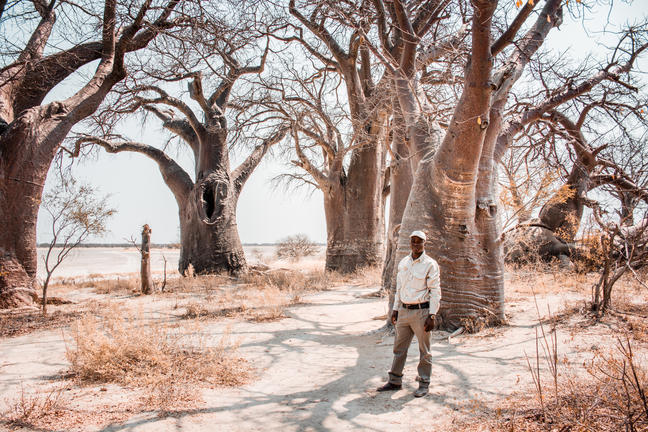
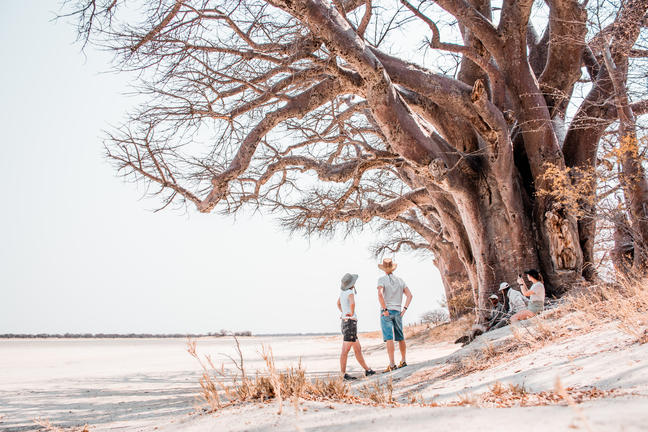
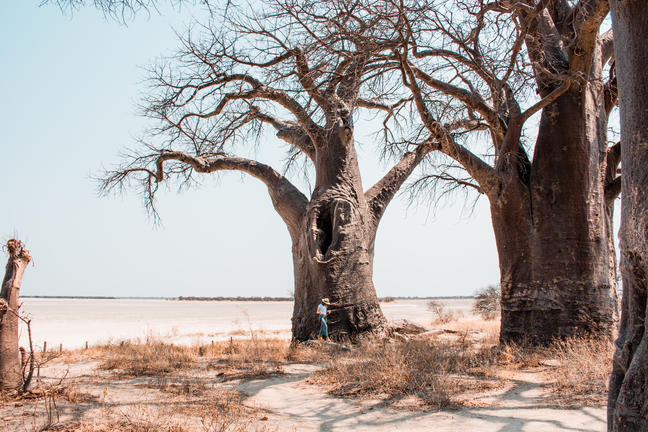
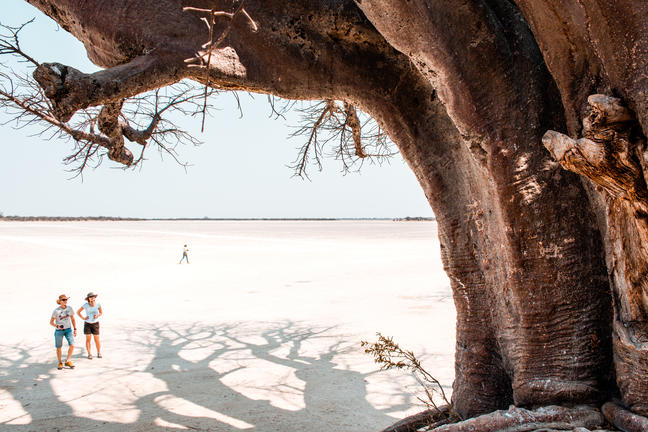
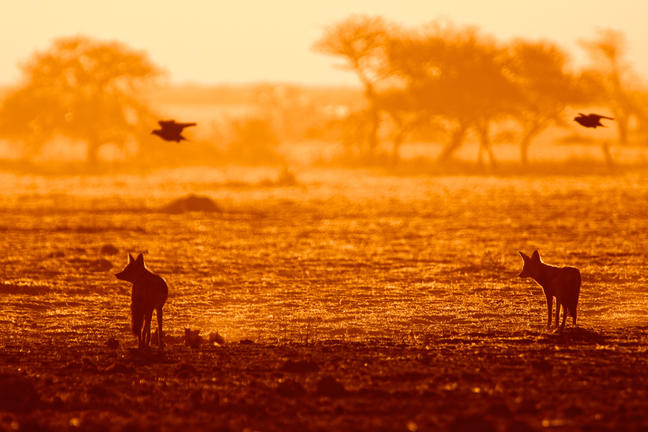
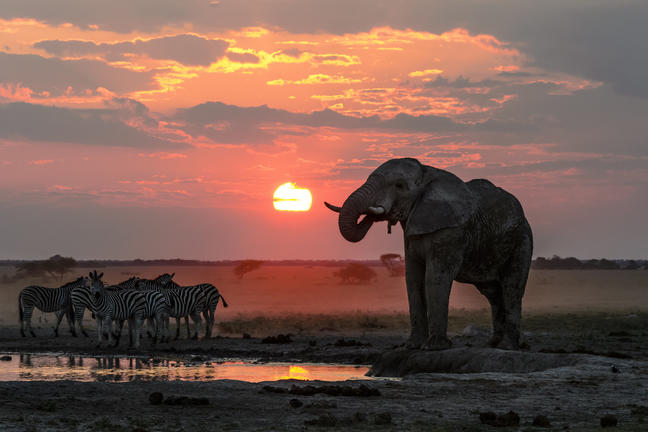
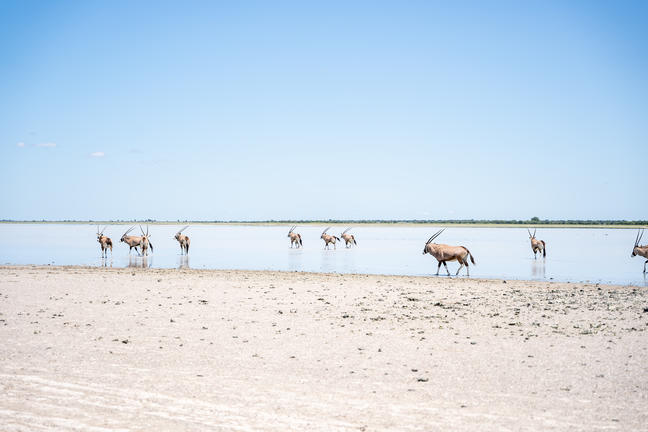
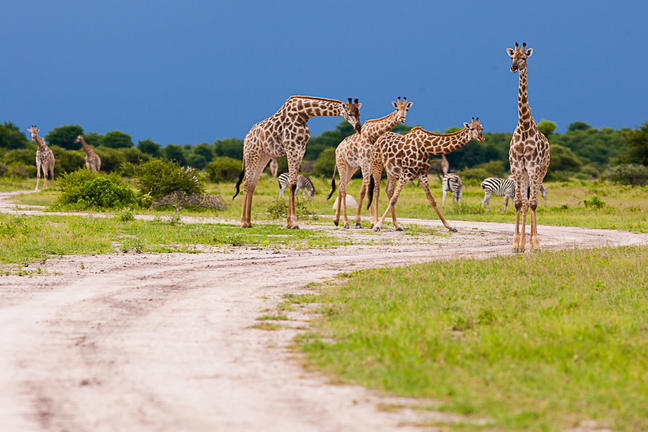
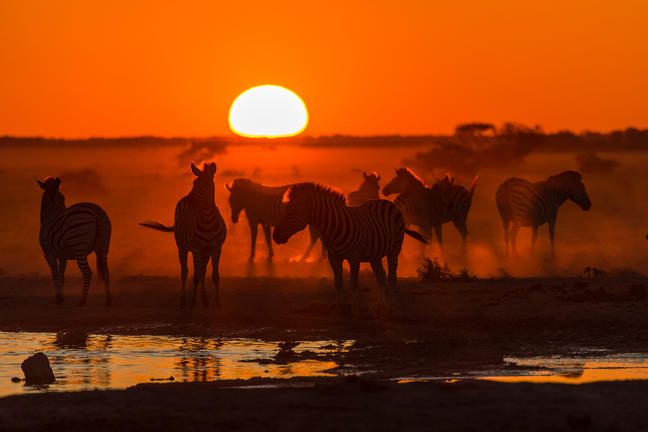
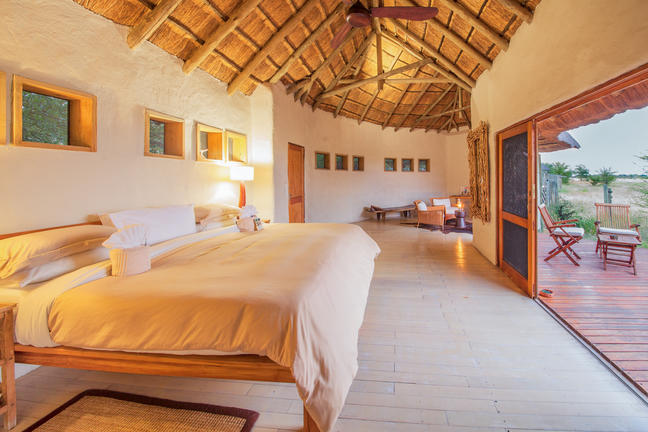
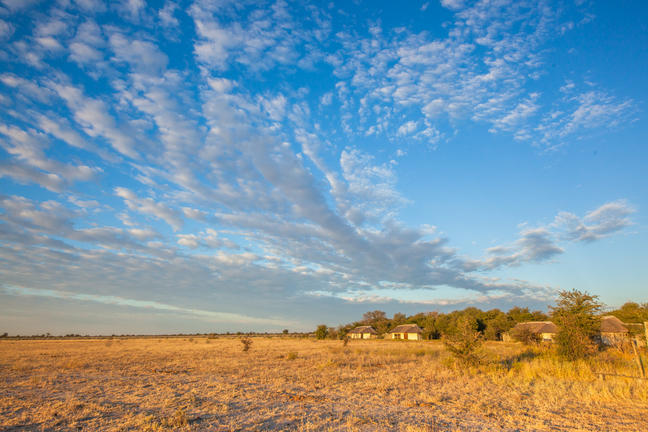
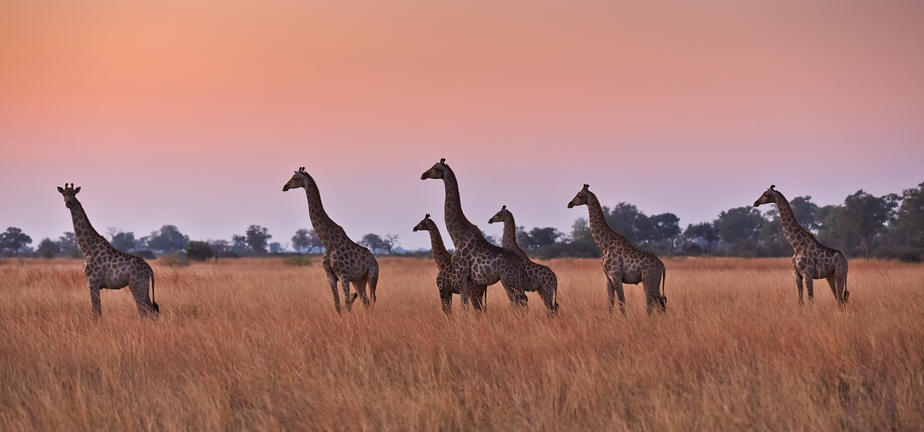
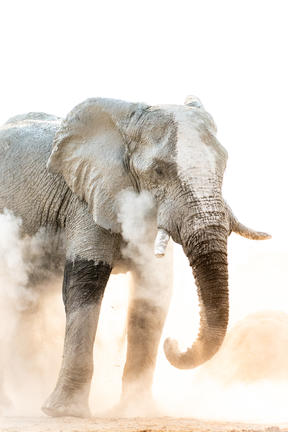
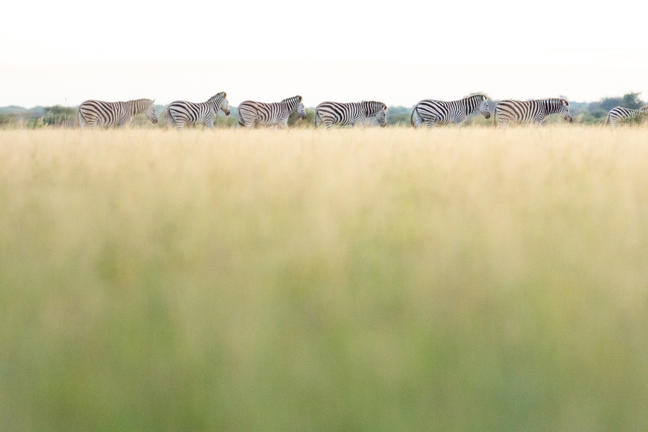
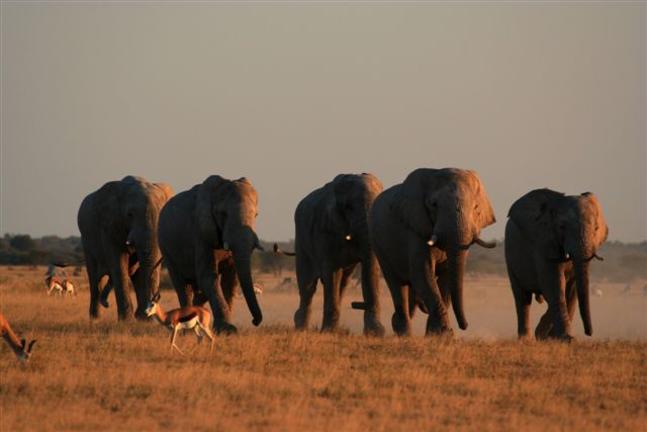
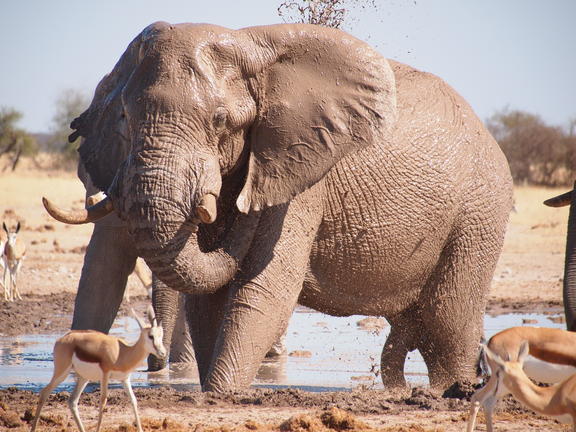
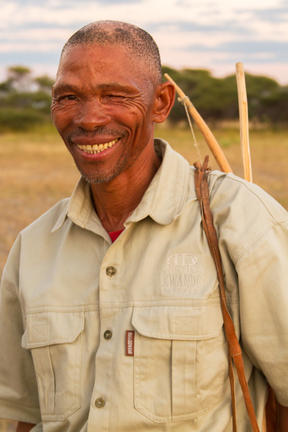
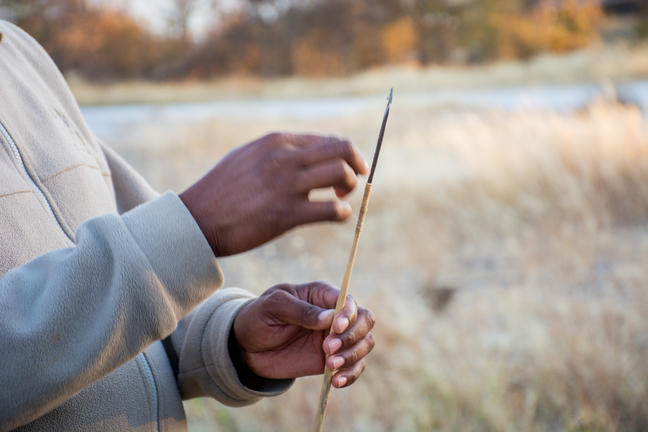
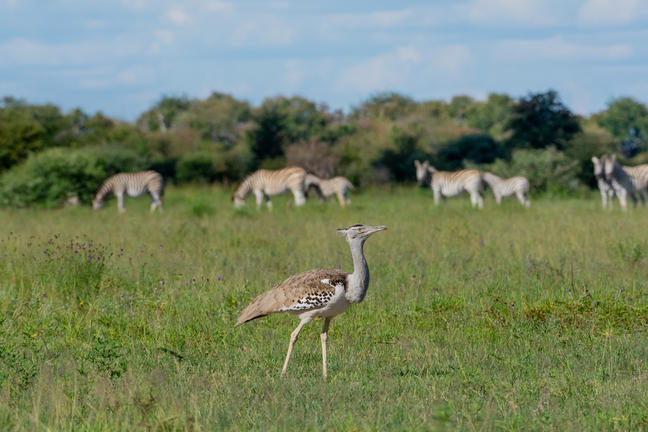
Nxai Pan is the only permanent camp in the Nxai Pan National Park and is located on the western edge of the fossil pan from which it takes name, facing open grasslands. The biggest draw to the park are the zebras that migrate by the thousands to the area to drop their young – the second largest land animal migration in Southern Africa, during the summer after the rains have fallen. The pan is also known for its huge springbok population, wildebeest, elephants and large groups of giraffe. Activities include a day trip to Baines’ Baobabs, which have changed little in the 150 years since Thomas Baines immortalized them in his paintings. Another favourite is the bushman walk where guests learn how the San used to hunt, gather food and collect water. The camps' nine spacious tents all have a relaxed lounge area, indoor and outdoor showers and viewing deck which faces onto the waterhole. One room has an additional twin bedroom for family use. The camp has a plunge pool, and both bedrooms and the open-air lounge, dining area and bar are thatched to maintain a comfortable temperature year round.
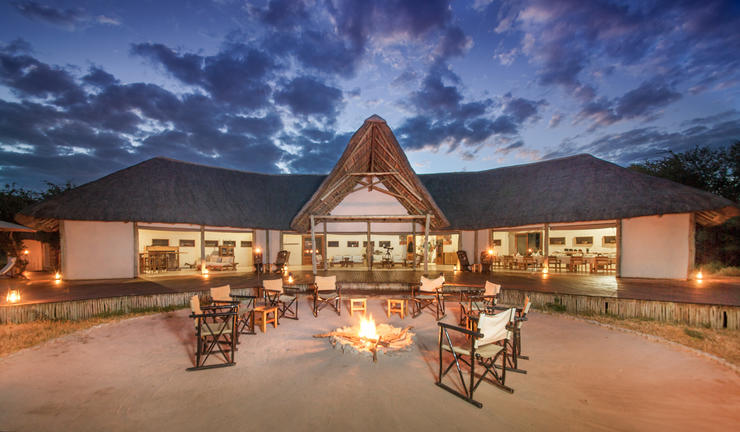


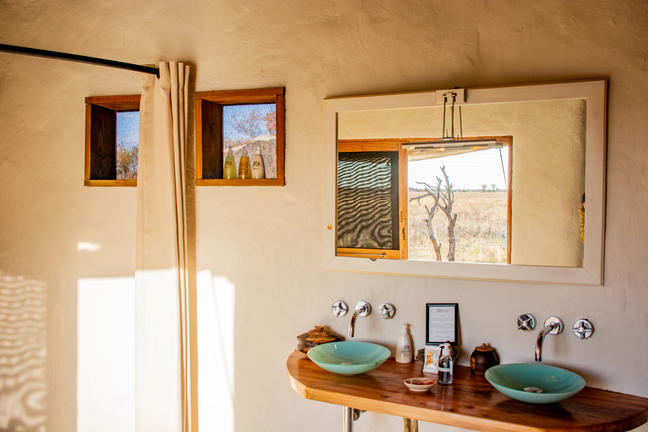

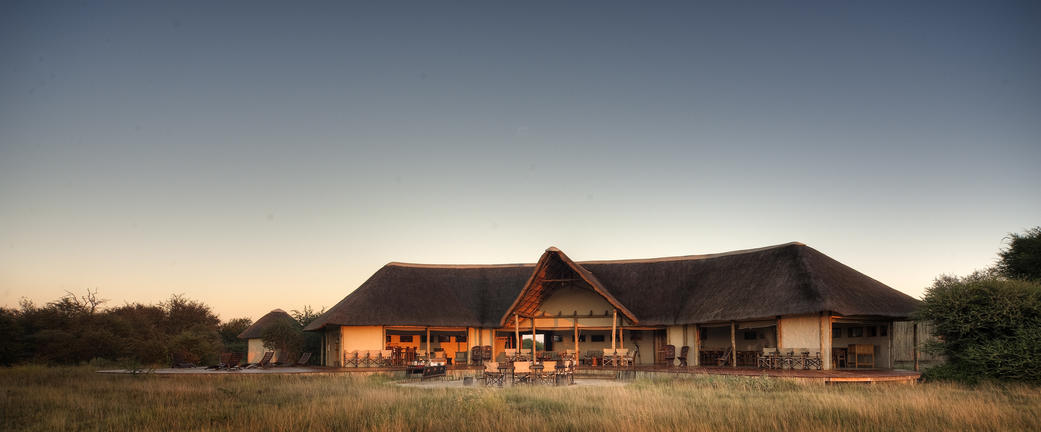


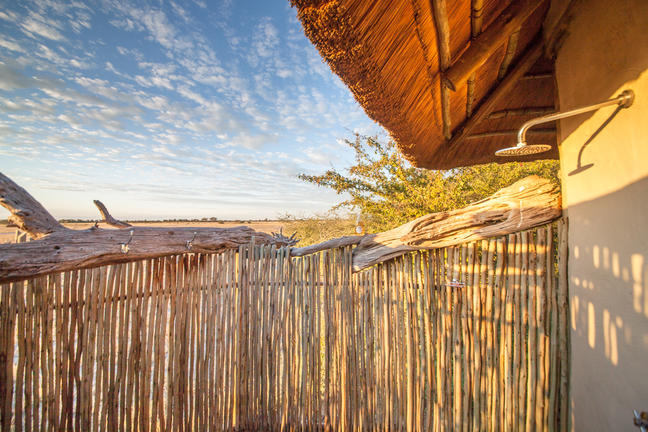
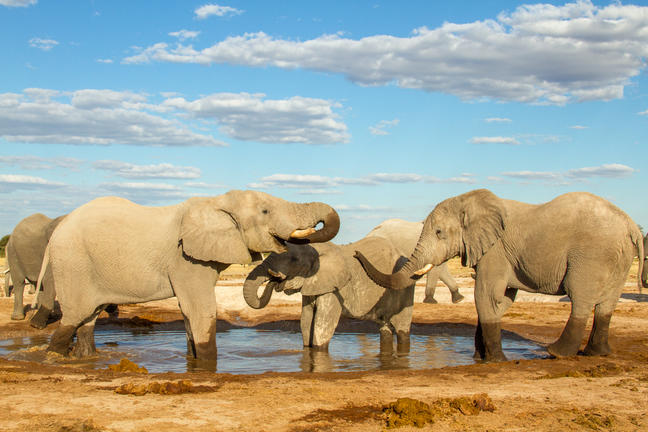


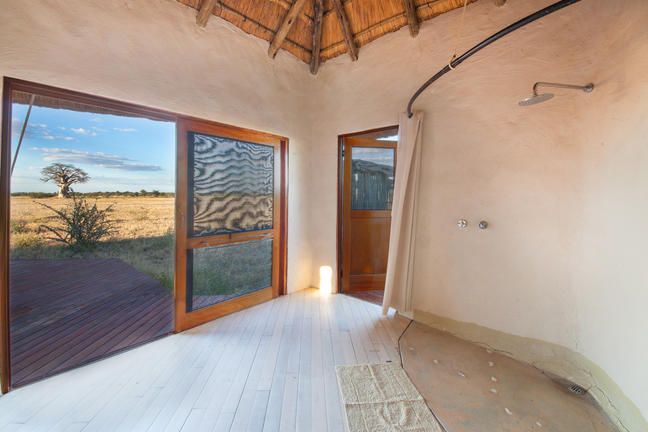
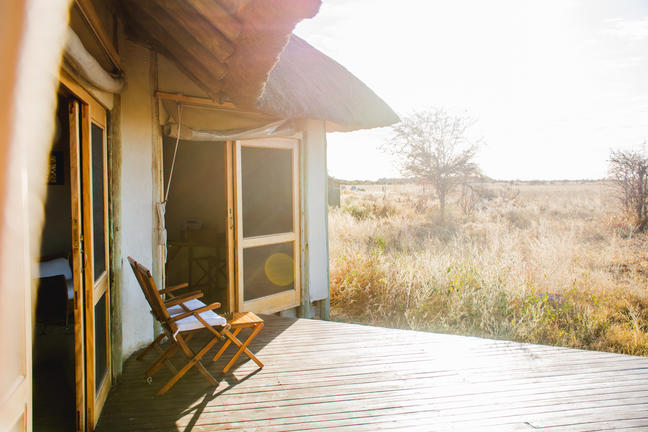
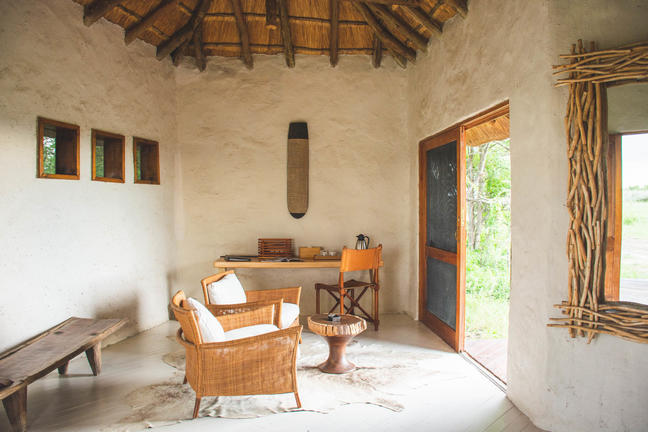
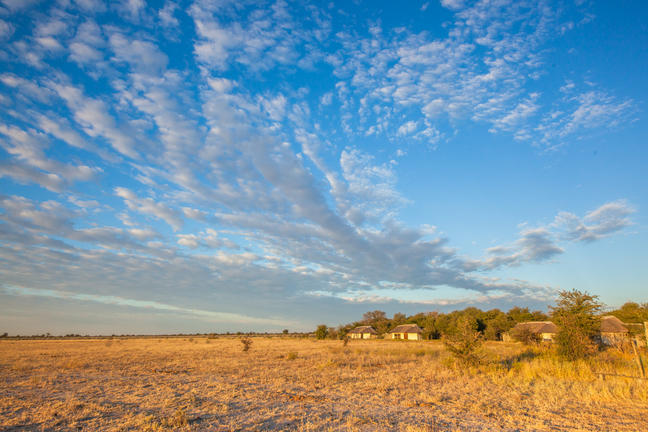



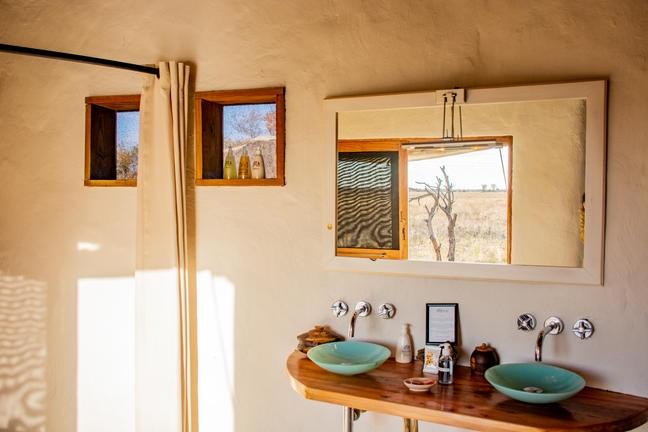
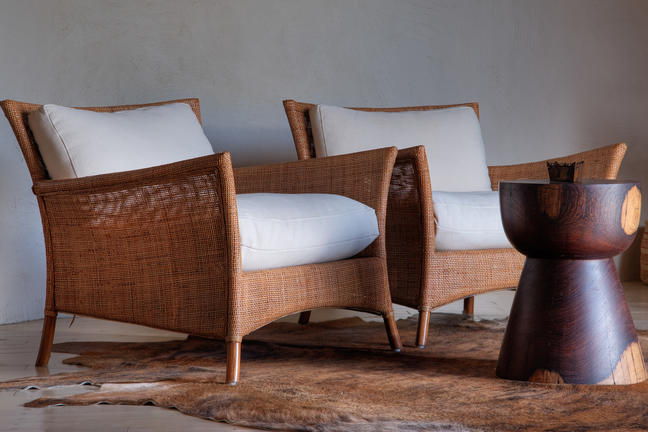
The minimalistic white-washed design of the camp is in keeping with the surrounding white salt pans. Nxai Pan accommodates a maximum of eighteen guests in thatched units specially designed to provide a constant and comfortable temperature throughout the year, when seasonal temperatures can fluctuate from below freezing to well over 45 degrees Celsius. The bathrooms include twin basins and both indoor and outdoor showers. One unit has an additional twin bedroom useful for families. The spacious rooms all have a relaxing lounge area and viewing deck which faces on to the waterhole where elephant are frequent visitors.
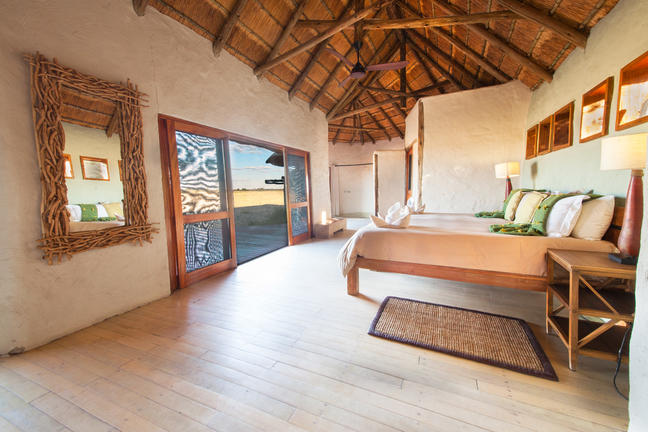

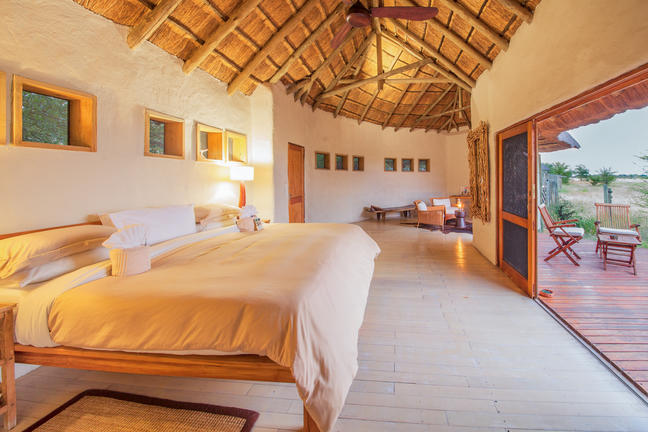

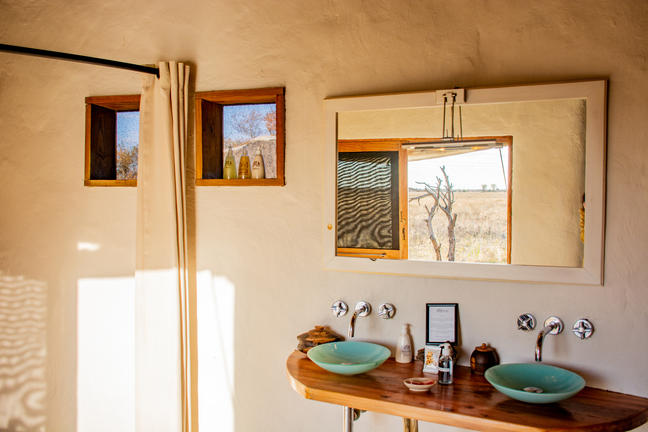


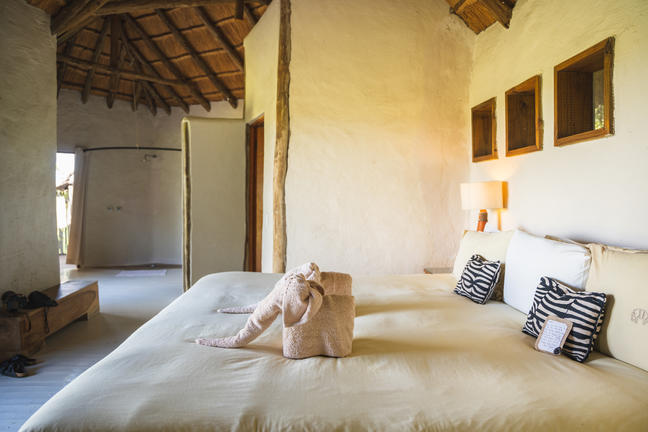

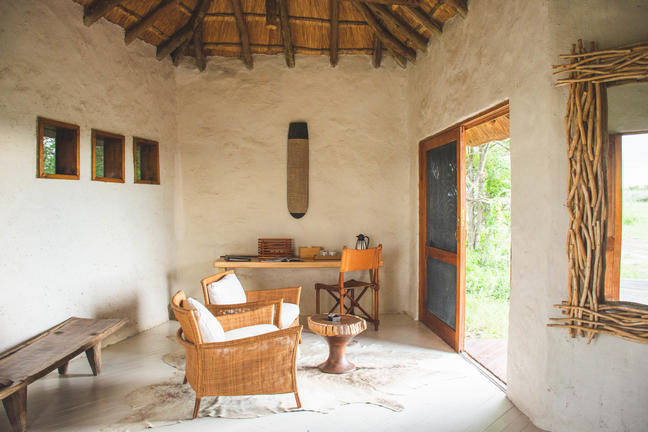
Family unit includes en-suite double bedroom, separate second twin bedroom and one shared bathroom.
Minimum age is six years, except 1 April – 15 November where there is no min age requirement. Special activities & services are offered for children. (eg. early mealtimes / children's meals). Families travelling with children aged 6–12 years are required to book private activities.



Property Facilities
Battery Charging Facilities, Communal Dining, Eco Friendly, Internet Access, Pool, Vegetarian
Room Facilities
Balcony / Deck, Fan, Laundry Service (Complimentary), Lounge Area, Mosquito Nets, Outside Shower, Safe, Shower, Verandah
Available Services
Airport Shuttle (Complimentary), Credit Card Facilities, Laundry Service (Complimentary), Meal on Request, Private Vehicle (Available), Room Service
Activities on Site
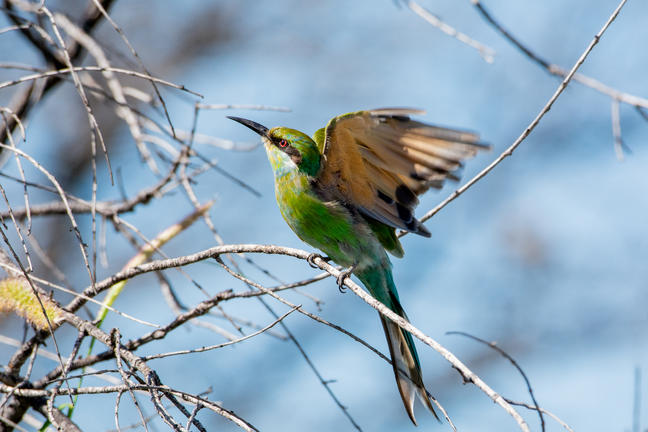
Big 5, Bird Watching, Game Drives, Game Viewing, Game Walks, Helicopter Scenic Flights, High Tea, Safaris, Walks (Guided)
Activities Nearby
Big 5, Bird Watching, Game Drives, Game Viewing, Game Walks, Helicopter Rides, Helicopter Scenic Flights, Walks (Guided)
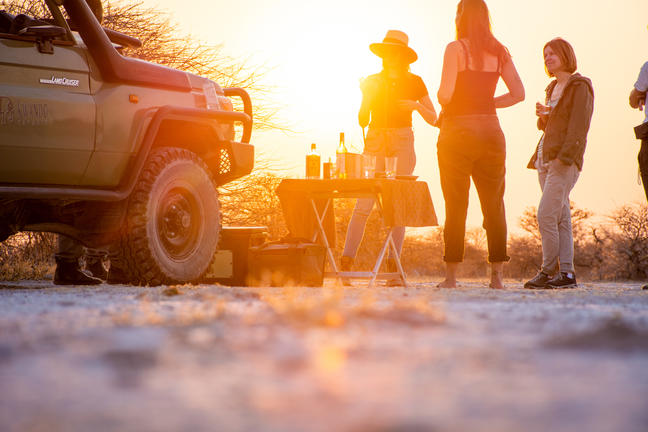
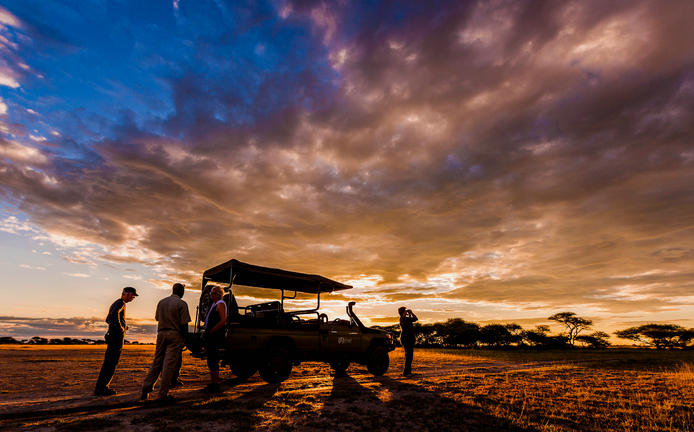
Game drives are undertaken in custom designed Toyota game viewing vehicles seating no more than six guests at a time in two rows of three seats. Guests are guided by a two person team of professional guide and tracker - a special feature of the Kwando Safaris wildlife experience. The two person team enables the guide to communicate points of interest and the complex interrelations that exist throughout the natural world, while the tracker ensures no sightings or tracks are missed.


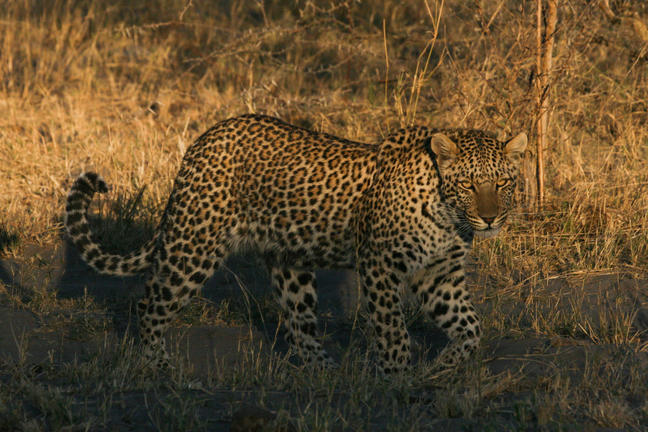


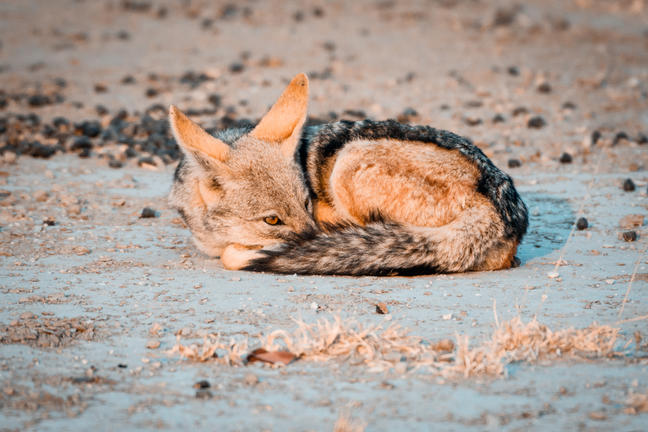



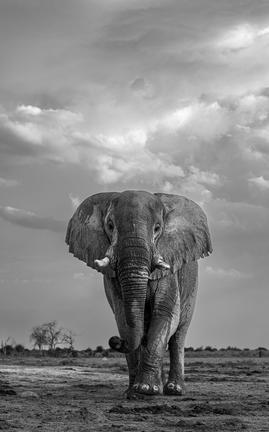


Walking in Africa's wild areas is the only way to truly appreciate the natural environment. While game viewing from a vehicle allows one to see more animals as you traverse much greater distances and get much closer to animals safely, there is nothing as awe inspiring and humbling as observing wild animals on foot. Many smaller species of plants and insects, tracks and signs are all easily missed when in a vehicle. The slow pace of the walk and interpretative skills of your guide will open your eyes to a new and fascinating world. Game walks are not hikes; they are slow comfortable strolls meant to provide you with a chance to experience the wilderness at a natural pace. Any walk can be combined with a game drive or mokoro and the length of walk can be adjusted to suit your personal desires or level of fitness.
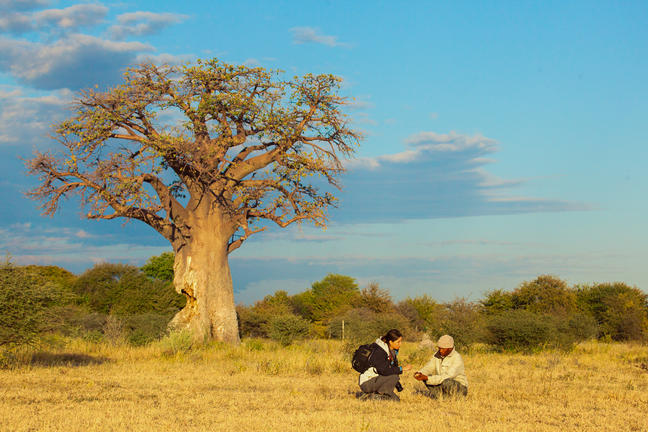




Located in the south of Nxai Pans National Park are the seven baobabs known as Baines Baobabs or the Sleeping sisters.
Day trips to Baines’ Baobabs are highly popular, and include a picnic lunch at the site. These age-old trees were immortalised in paintings by the artist and adventurer Thomas Baines in 1862. If you were to compare Baines’ paintings to the scene today, you would find that after 150 years, the trees are nearly identical – testament to the age of these magnificent giants.