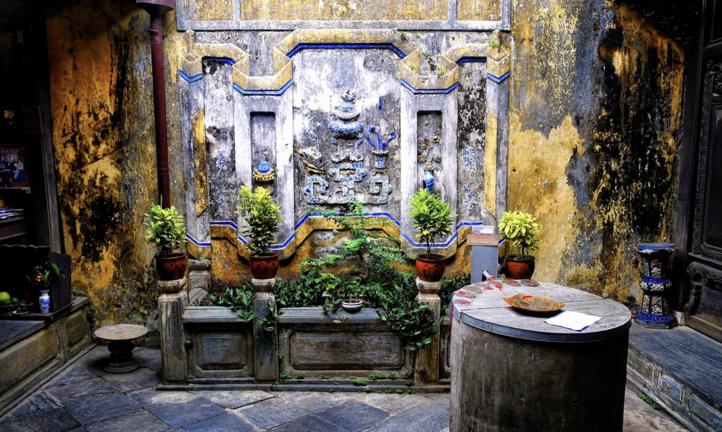
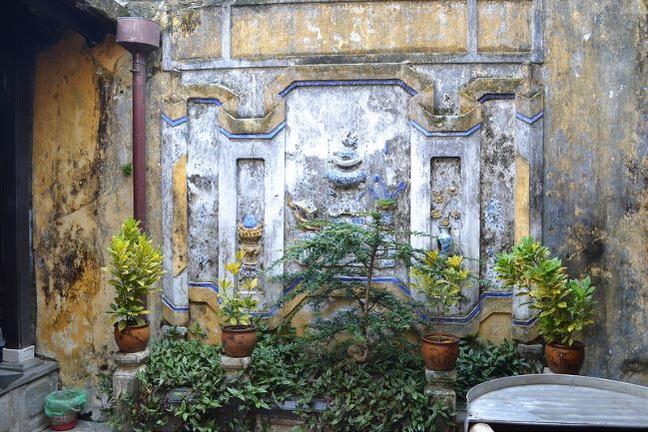
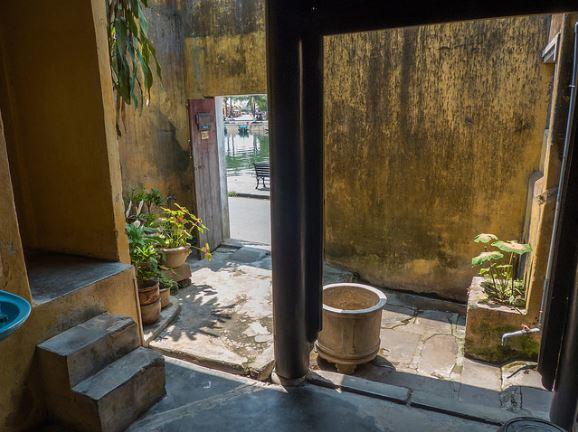
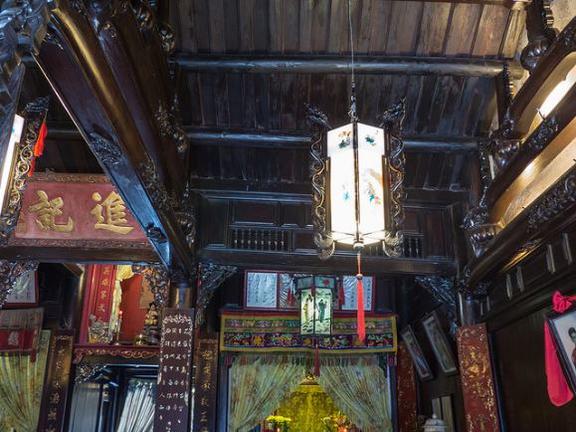
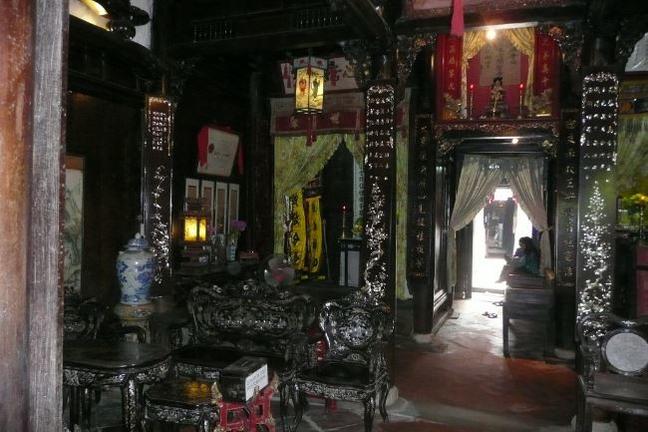
Hoi An’s old merchant houses are among the best places to see how the town’s trading history shaped daily life. Behind the busy shopfronts and lantern-filled streets are deep, narrow homes built for families who lived, traded, stored goods, welcomed visitors, and honoured ancestors all within the same space.
The best-known examples include Tan Ky Old House, Phung Hung Old House, and Quan Thang Ancient House. Each has its own style, but they share many of the same features: dark timber beams, carved panels, inner courtyards, raised thresholds, family altars, and rooms designed to bring in light and air. Some houses also show marks from historic floods, a reminder of how closely life in Hoi An has always been tied to the Thu Bon River.
These houses are most rewarding with a guide who can explain what you are looking at. The architecture blends Vietnamese, Chinese, Japanese, and local Central Vietnamese influences, and many of the design choices were practical responses to trade, climate, family life, and seasonal flooding.
It is usually better to visit one or two houses well rather than trying to tick off every ticketed site in the old town. Tan Ky Old House is often the most popular and can feel busy, while Phung Hung Old House sometimes offers a little more space to pause and take in the details.
The houses are compact and may involve small steps, narrow doorways, or slightly uneven floors. Take your time inside, keep voices low where families or caretakers are present, and treat the ancestral areas respectfully. These are not just museum pieces; many still feel connected to the families and traditions that shaped Hoi An over generations.