Hue is Vietnam’s former imperial capital, set beside the Perfume River in central Vietnam, with a rich legacy of royal palaces, ancient tombs, pagodas, garden houses and distinctive regional cuisine. It has a quieter, more reflective atmosphere than Saigon or Hanoi, and rewards travellers who enjoy history, culture and a slower pace.
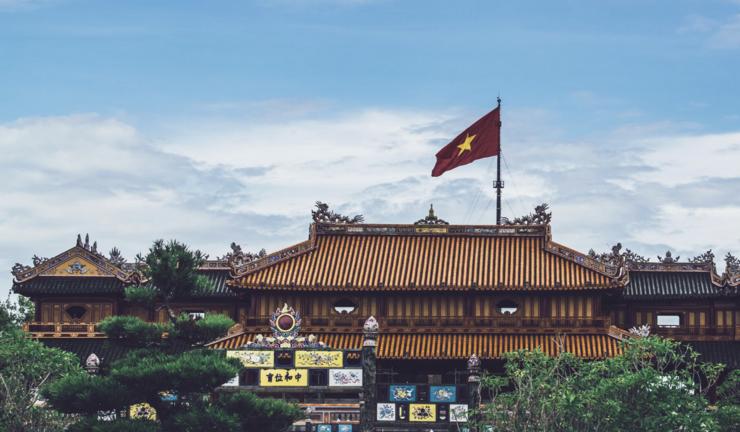
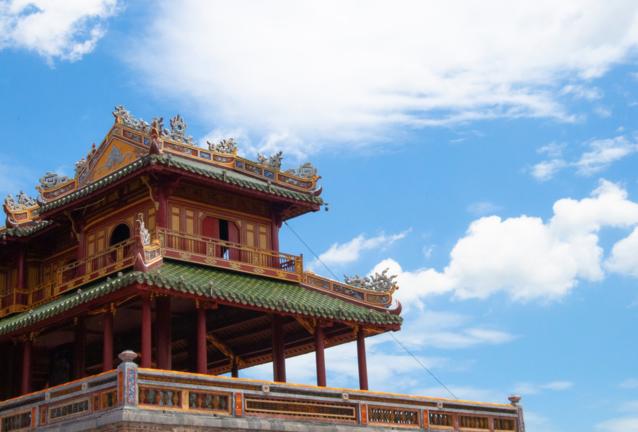
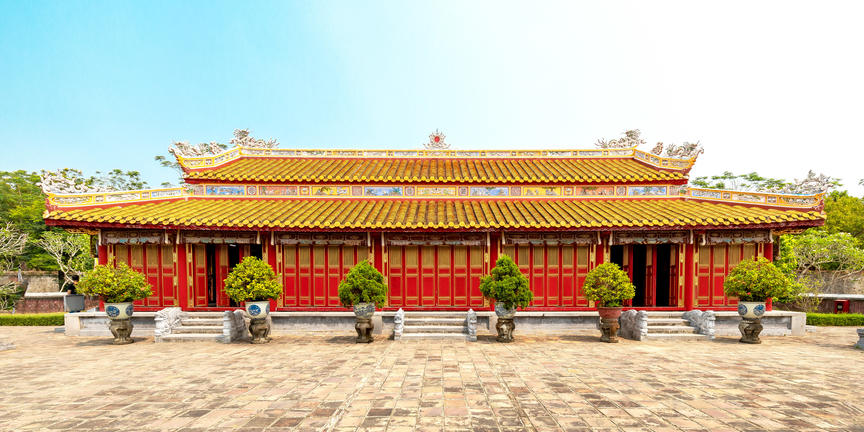
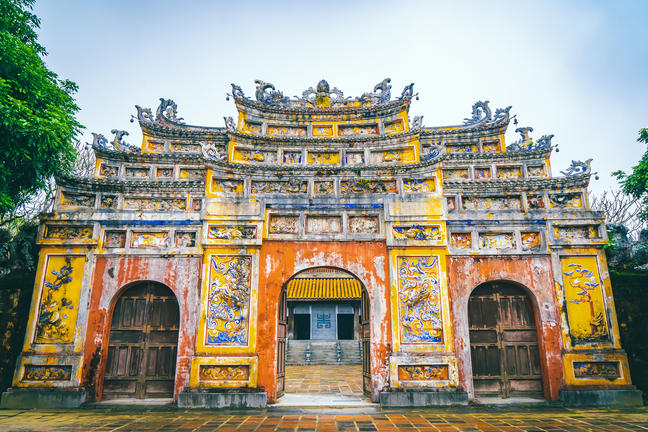
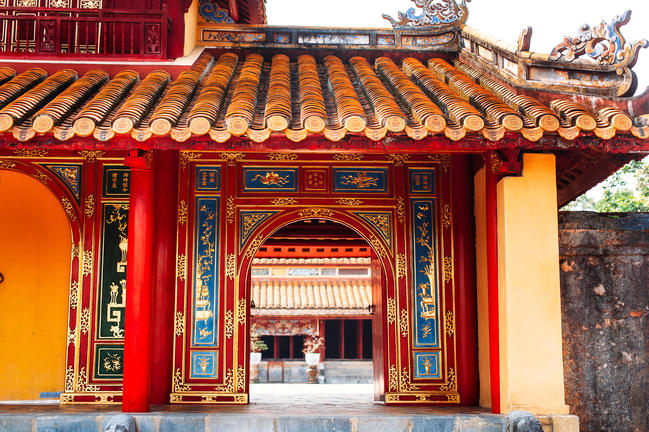
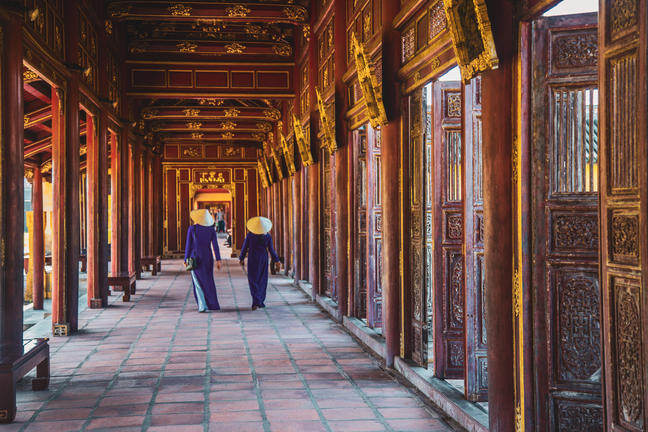
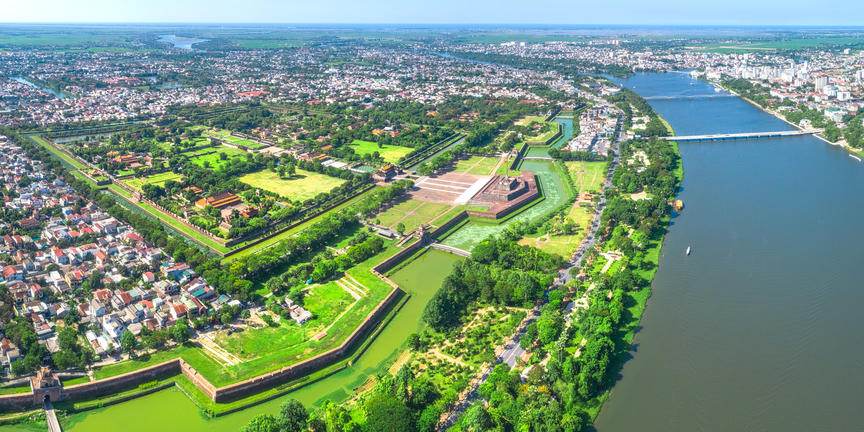
The city’s great landmark is the Imperial City, a vast walled citadel built by the Nguyen emperors in the early 19th century. Although parts were badly damaged during the wars, many gates, halls, courtyards and royal buildings have been restored, giving a strong sense of Hue’s former grandeur. A good guide makes a real difference here, helping bring the stories of emperors, mandarins and court life into focus.
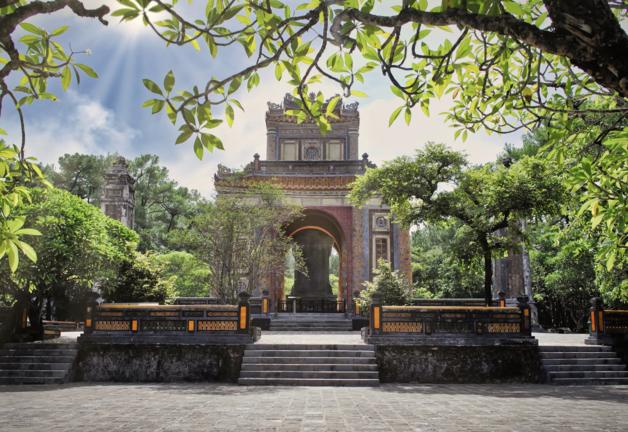
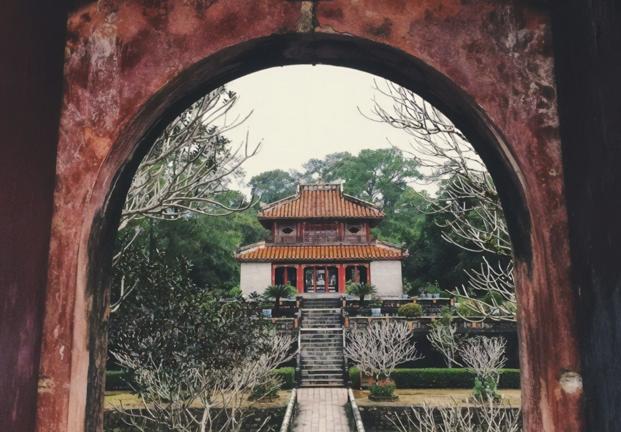
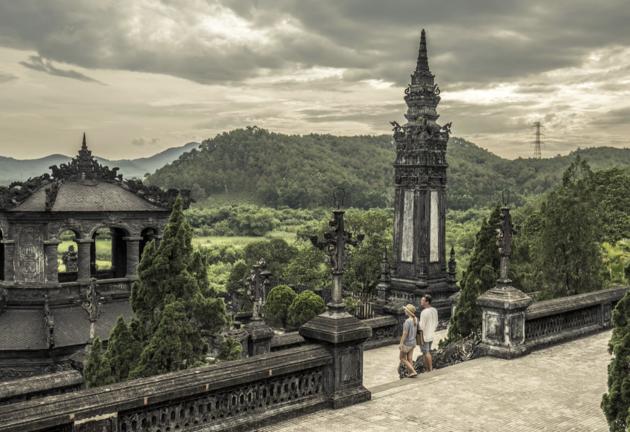
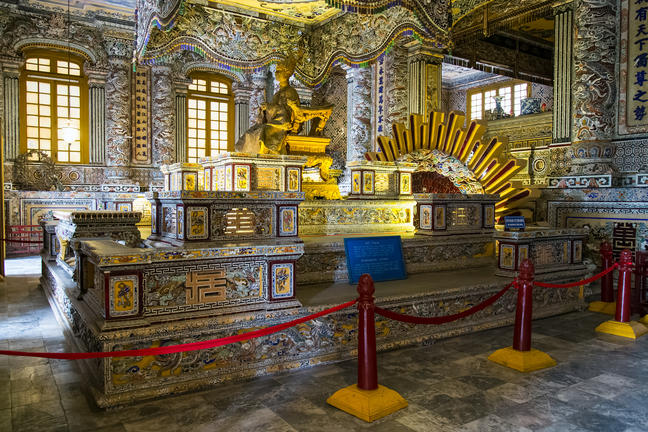
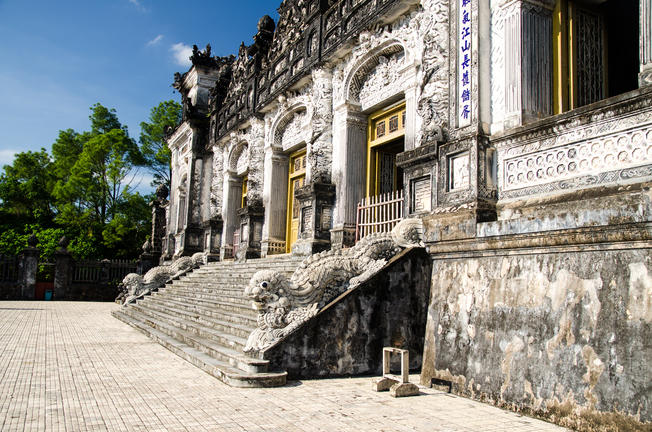
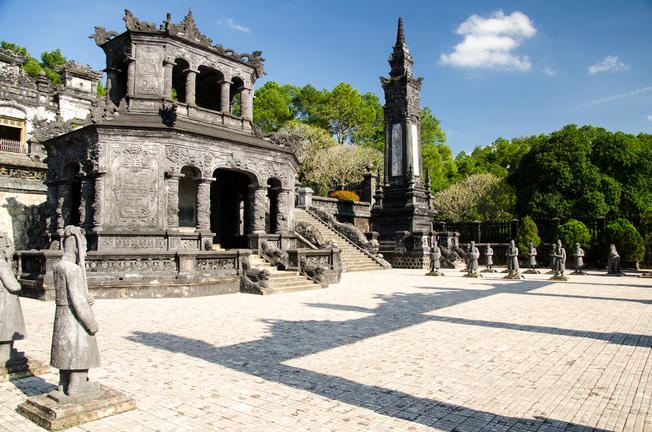
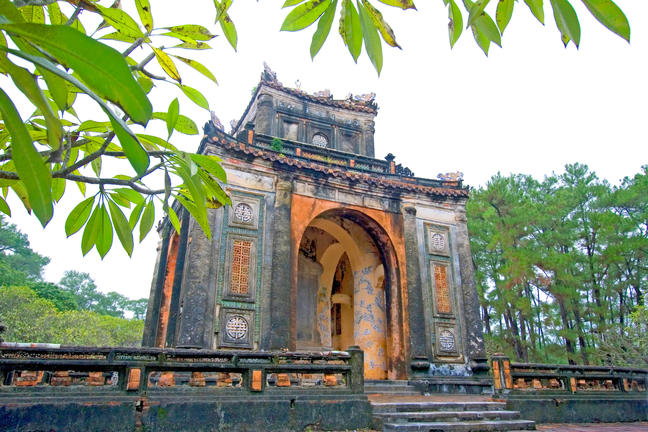
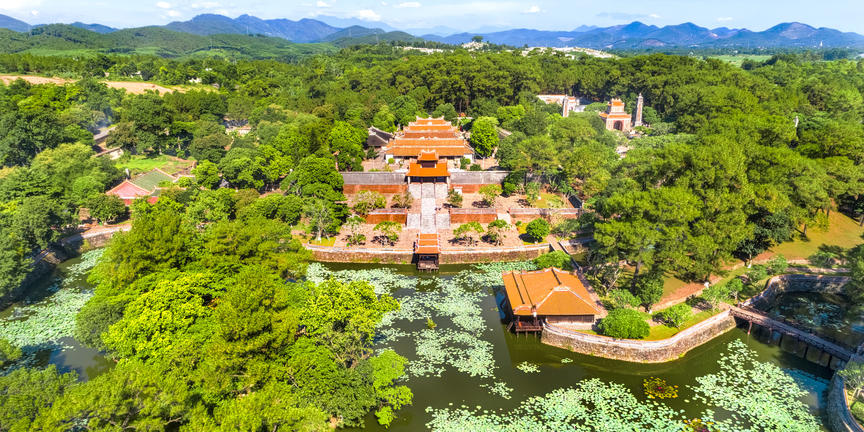
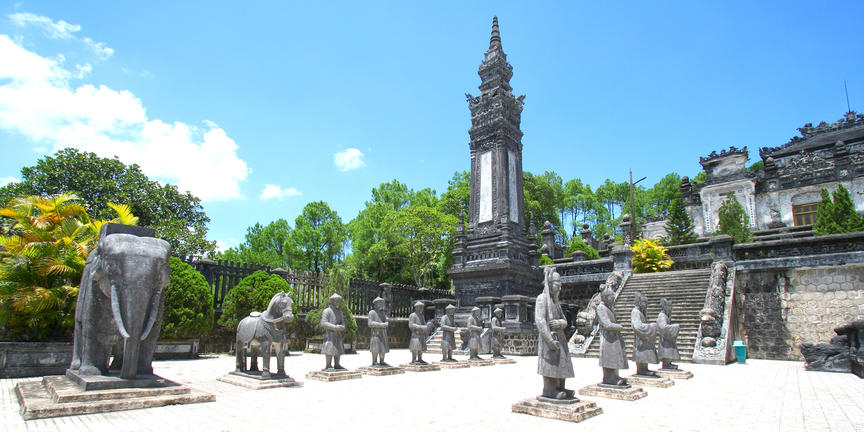
Beyond the citadel, Hue’s royal tombs are among the most memorable sights in Vietnam. Minh Mang Tomb is elegant and classical, set among lakes, pavilions and pine trees, while Khai Dinh Tomb is more theatrical, combining Vietnamese and European influences with elaborate mosaics and hillside views. Tu Duc Tomb has a softer, more poetic atmosphere, with lakes, gardens and pavilions reflecting the emperor’s love of writing and contemplation.
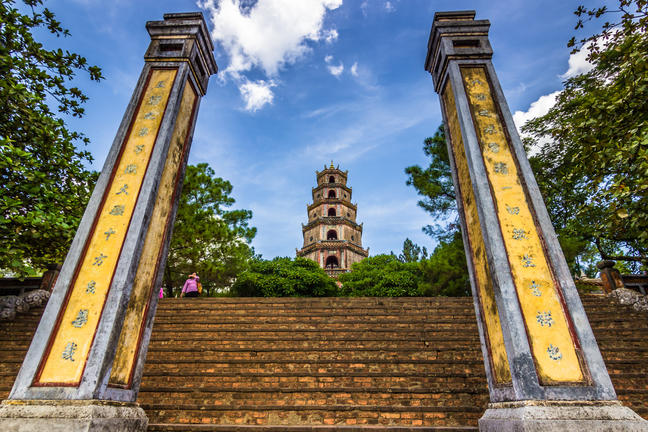
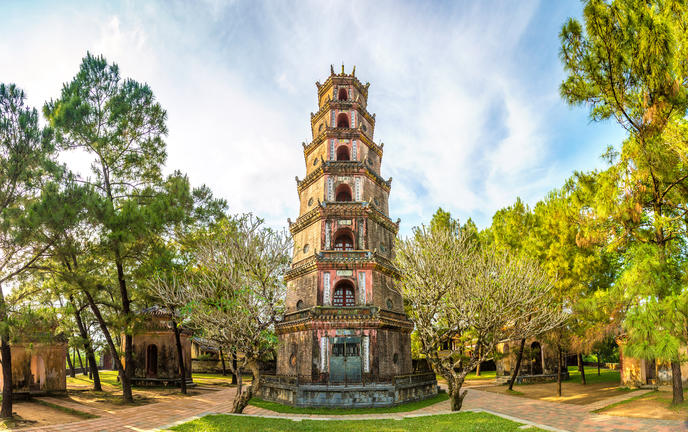
The Thien Mu Pagoda, overlooking the Perfume River, is another essential stop, both for its graceful seven-storey tower and its role in Vietnam’s religious and political history. A boat trip on the river can be a gentle way to connect several of the city’s sights.
Hue is also one of Vietnam’s best food cities. Its imperial heritage shaped a refined cuisine of small, carefully balanced dishes, including banh khoai, bun bo Hue, delicate steamed rice cakes and sweet soups. An evening food tour by cyclo is a particularly enjoyable way to explore the city.
Hue works beautifully between Hoi An and Hanoi, and the drive over the Hai Van Pass adds one of central Vietnam’s most scenic road journeys.