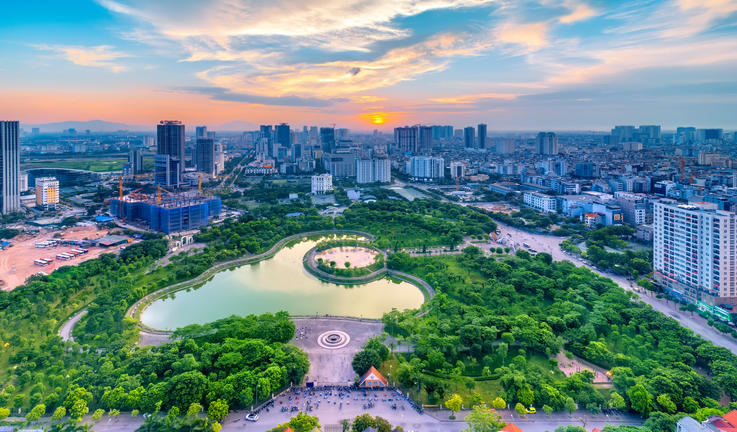
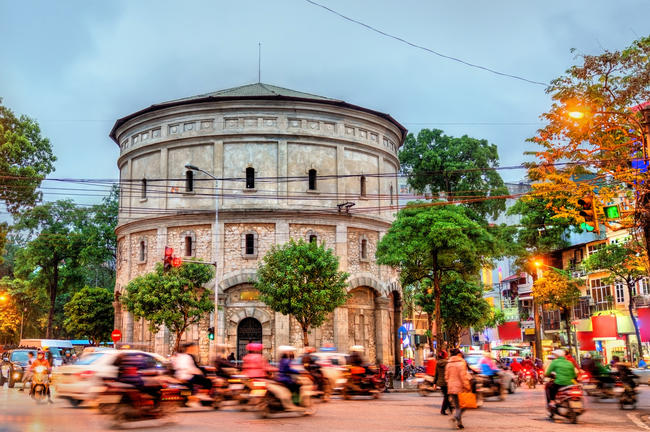
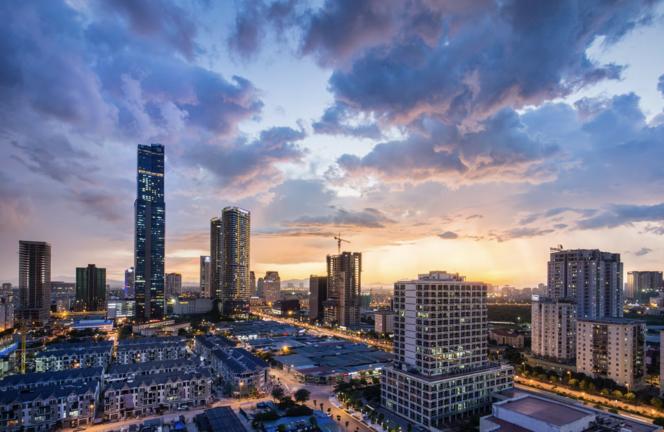
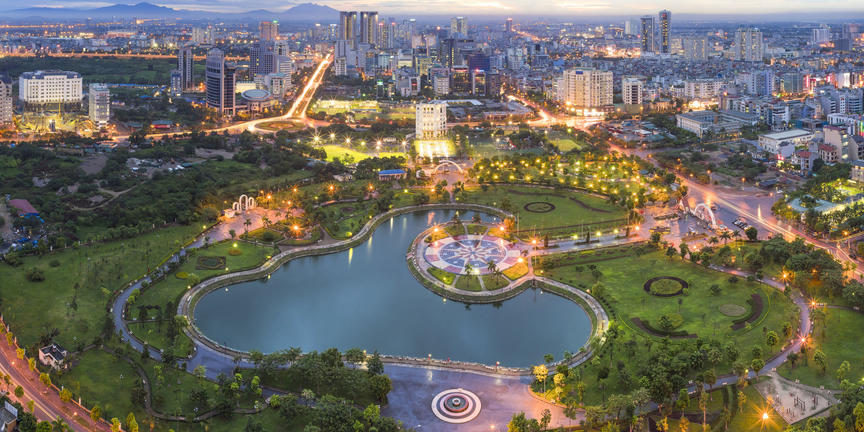
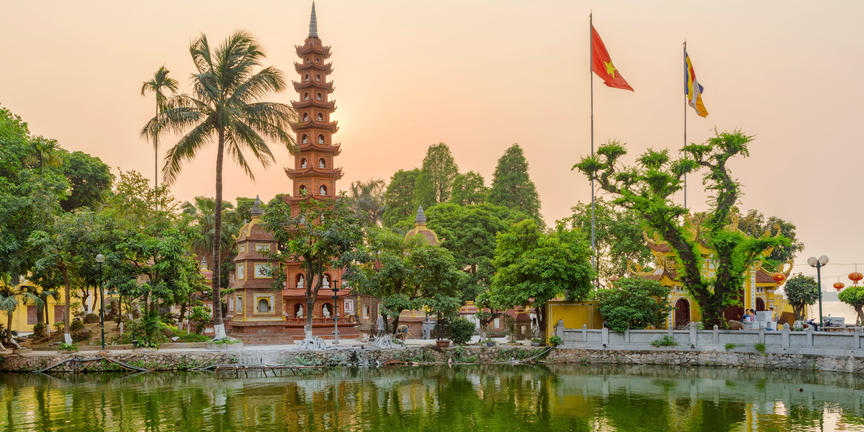
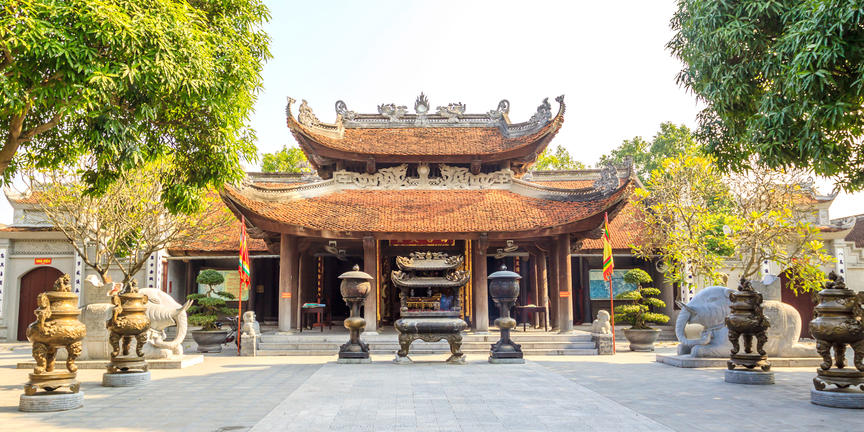
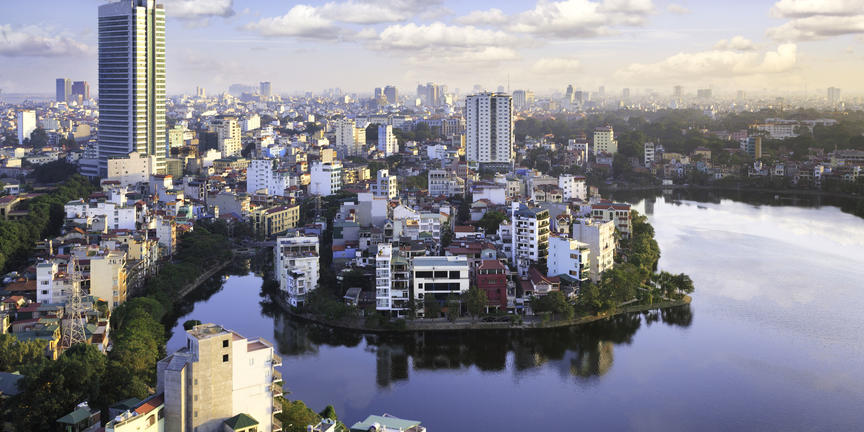
Hanoi is Vietnam’s capital and one of the country’s most atmospheric cities, with a character shaped by old trading streets, French colonial architecture, lakes, temples, markets and deeply rooted daily rituals. It has a more traditional feel than Saigon, and although the traffic can be busy, the city rewards slow wandering and curiosity.
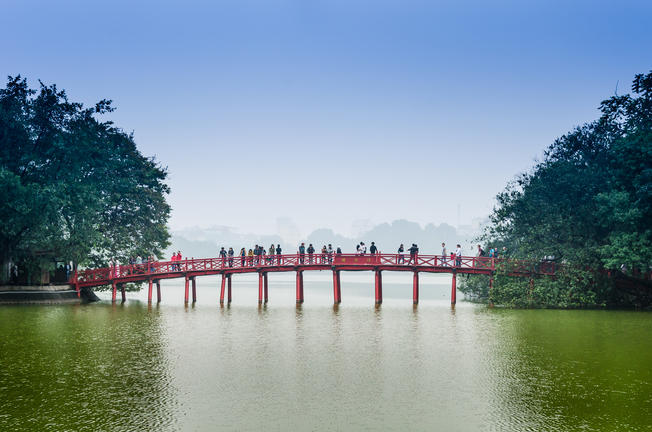
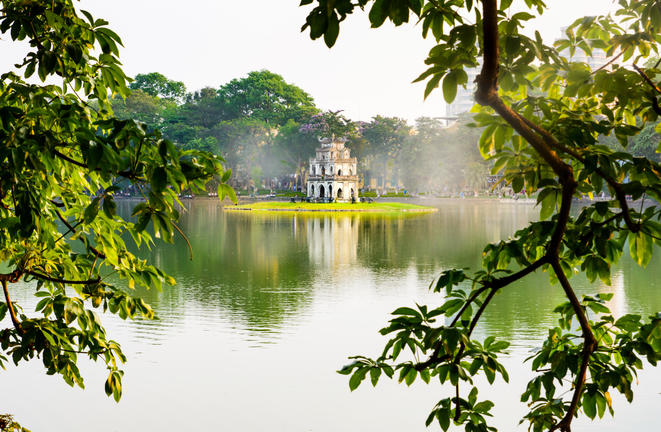
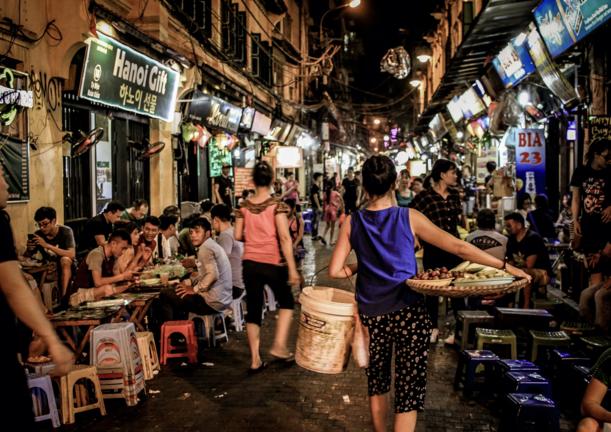
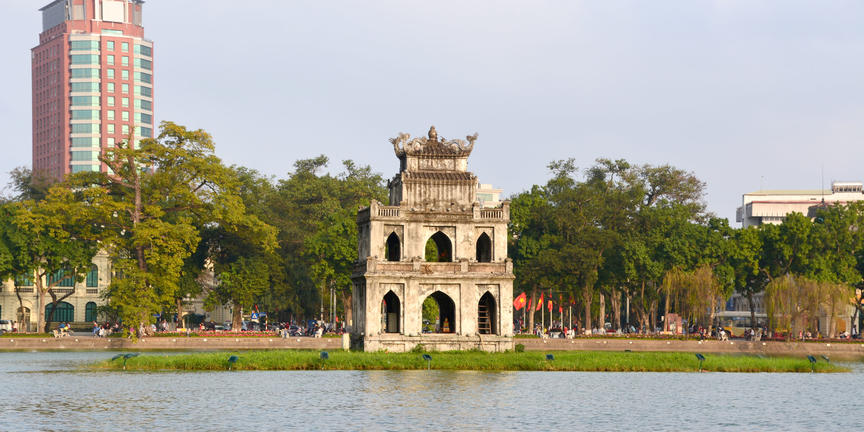
The heart of Hanoi is Hoan Kiem Lake, where local life begins early with walking, tai chi and quiet conversation under the trees. Nearby, the Old Quarter is a maze of narrow streets, small shops, food stalls, cafes and old merchant houses, with each area still carrying echoes of the traditional guilds that once traded there.
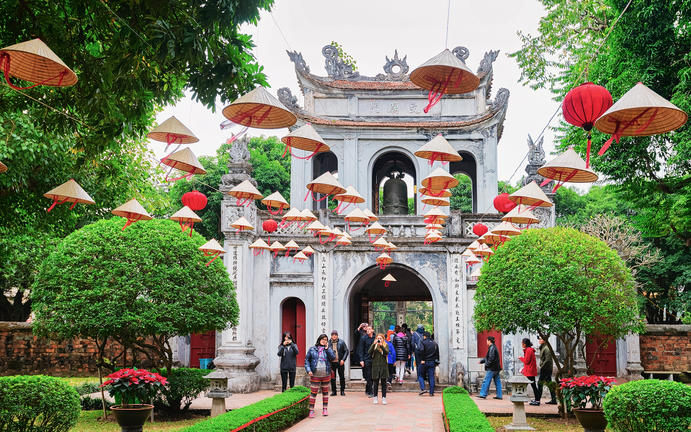
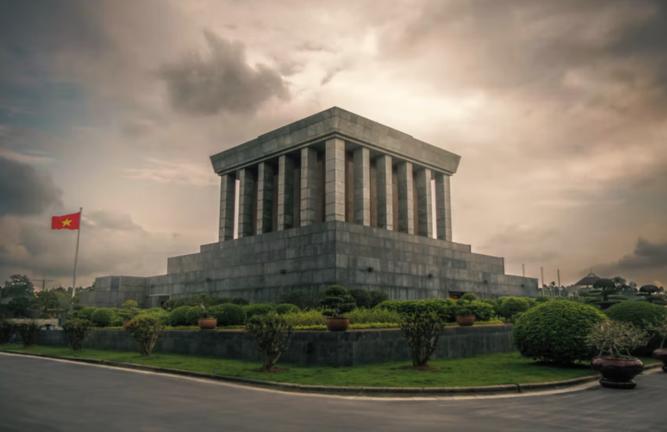
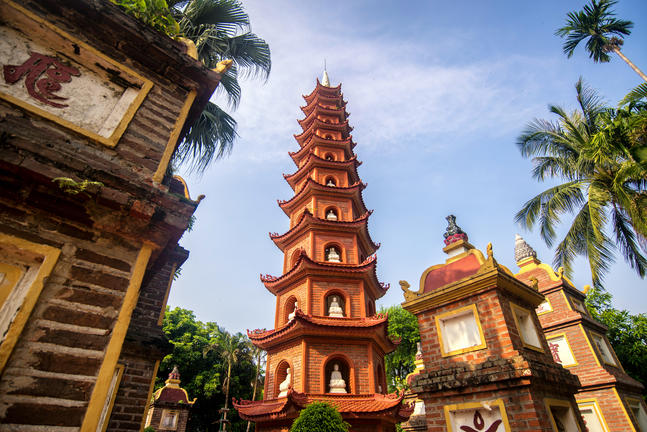
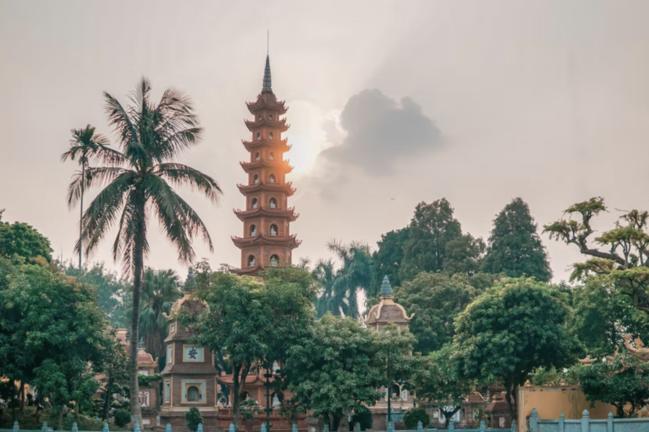
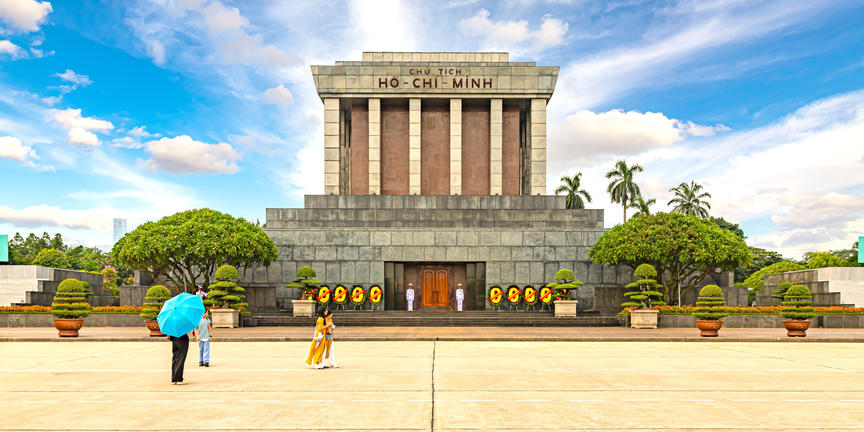
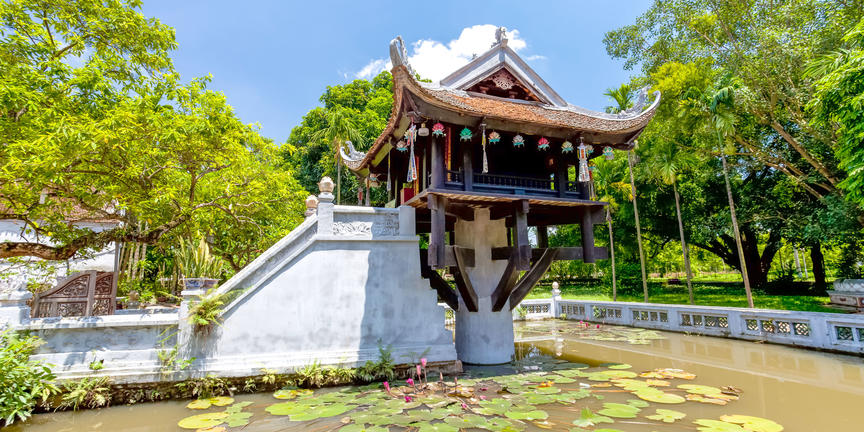
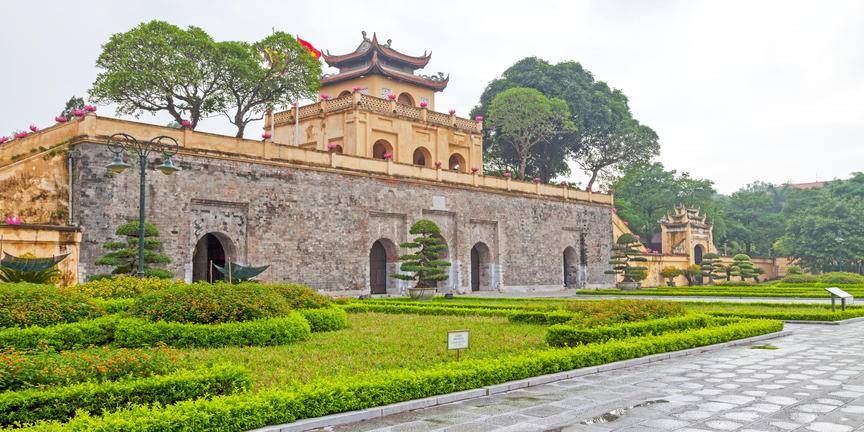
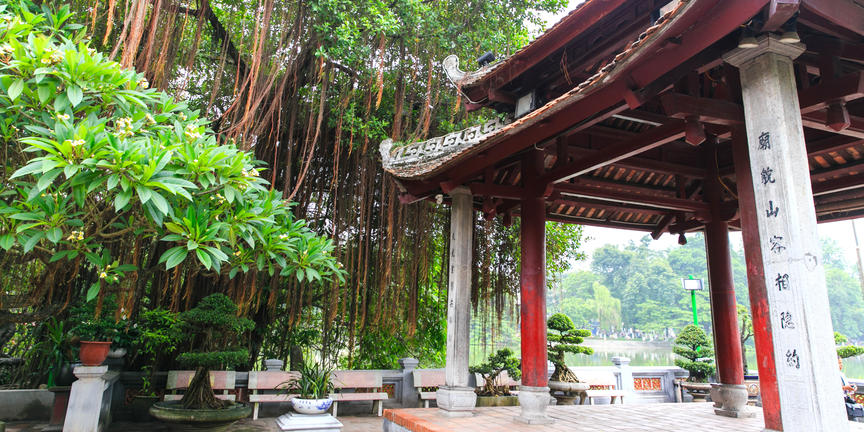
Hanoi is also an important cultural and historic centre. The Temple of Literature, Vietnam’s first university, offers a graceful introduction to Confucian heritage, while the Ho Chi Minh Mausoleum Complex, One Pillar Pagoda and Presidential Palace help explain the country’s modern history. The Vietnamese Women’s Museum and Vietnam Museum of Ethnology are both excellent for travellers wanting deeper insight into Vietnam’s society and ethnic diversity.
Food is a major reason to spend time here. Hanoi is the home of pho, bun cha, cha ca, egg coffee and some of Vietnam’s best street food. An evening food walk through the Old Quarter is a wonderful way to settle into the city, as small bowls, sizzling grills and hidden shop-house kitchens bring the streets to life.
Hanoi also works as the main gateway to northern Vietnam. From here, travellers can continue to Ha Long Bay, Ninh Binh, Sapa, Pu Luong, Ha Giang or Ba Be National Park, making it an essential starting point for wider exploration.
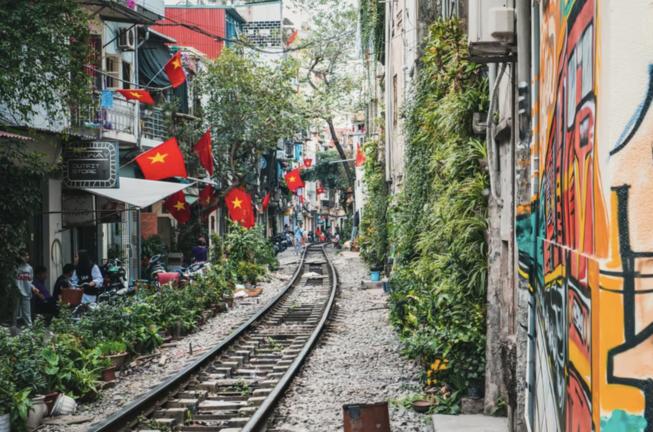
The city is best enjoyed with a balance of guided touring and free time. A good guide can bring its history into focus, but Hanoi’s real charm often lies in the small moments: coffee beside the lake, market scenes, faded villas and the steady rhythm of old streets.