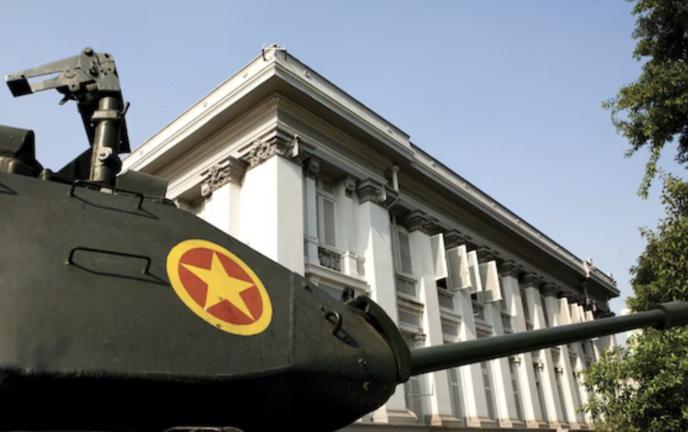
Ho Chi Minh City Museum is one of central Saigon’s most interesting heritage buildings, set close to Independence Palace, Nguyen Hue Walking Street and the main sights of District 1. Housed in the former Gia Long Palace, the museum is worth visiting as much for the architecture as for the displays inside.
The building dates from the late 19th century and has an elegant French colonial style, with grand staircases, tiled floors, high ceilings and shuttered windows. It has served several roles over the years, including as a government residence and administrative building, which gives it a strong connection to Saigon’s political history.
Inside, the museum covers the development of the city from its early settlement and trading days through the French colonial period, independence struggles and modern urban growth. Exhibits include old maps, photographs, ceramics, coins, costumes and wartime material, giving visitors a broad overview of how Saigon became the city it is today.
The displays can feel a little traditional, but they’re useful for travellers who enjoy context and history. The building itself is also popular for photography, with its ornate façade, sweeping staircases and atmospheric corridors. The gardens outside often contain military vehicles and other historic objects, adding another layer to the visit.
This is a good stop to include with Independence Palace, Saigon Central Post Office, Notre-Dame Cathedral Basilica of Saigon and Dong Khoi Street, especially for those wanting to understand the city beyond its restaurants, markets and rooftop bars.
Expert Tips: Allow around 45 minutes to an hour. The museum is usually quieter than the better-known wartime sites, making it a useful option if you want a calmer break from the busier parts of District 1. It’s best visited with some background from a guide, as the building’s own history is one of the most interesting parts of the experience.