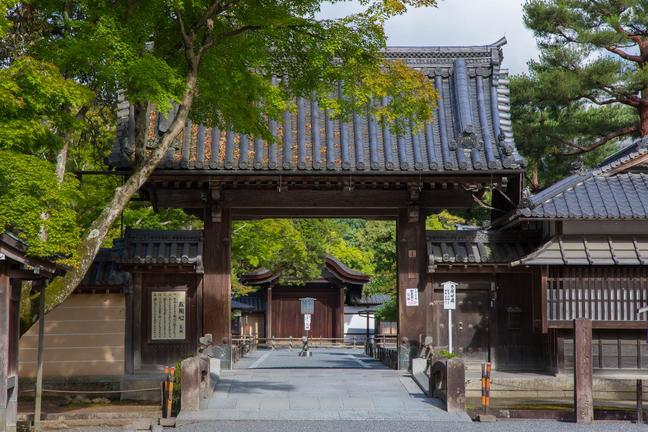
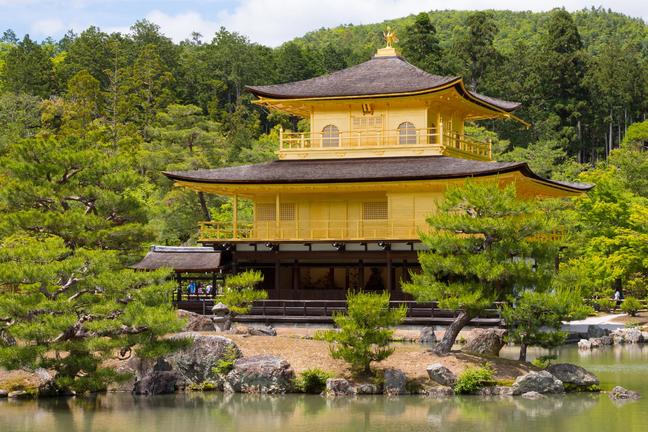
Kinkaku-ji, also known as the Golden Pavilion, is one of Kyoto’s most iconic landmarks. Officially named Rokuon-ji, the temple was originally built in the late 14th century as a retirement villa for Shogun Ashikaga Yoshimitsu before being converted into a Zen temple.
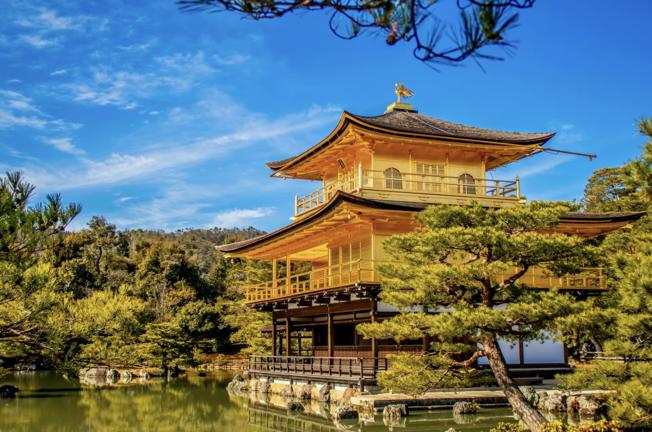
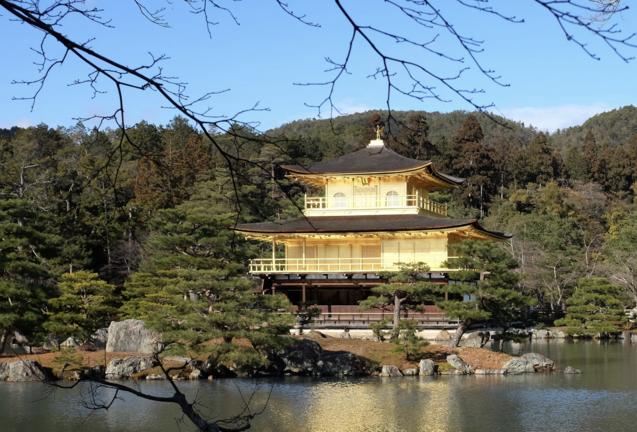
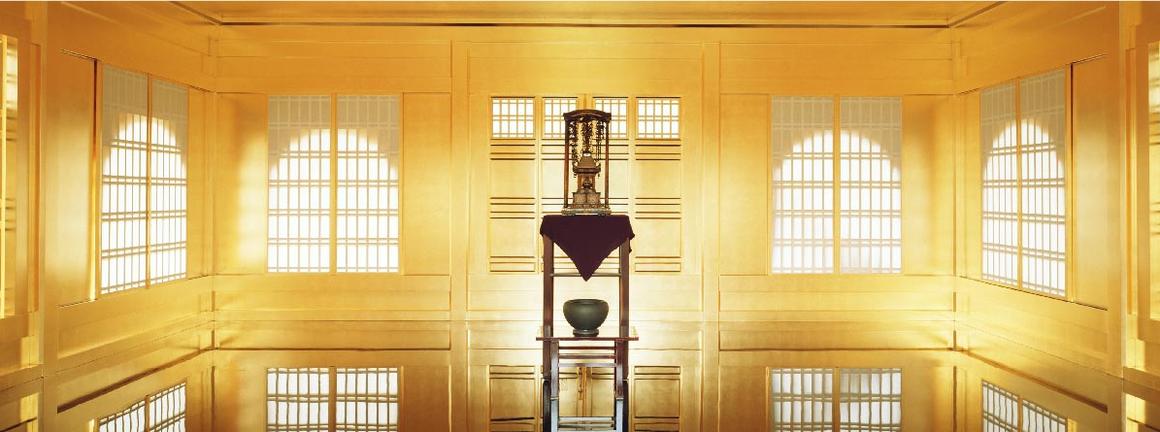
The pavilion is covered in gold leaf on its upper two floors, creating a striking reflection in the surrounding pond. Set against a backdrop of trees and sky, the image of the shimmering structure mirrored in the water is one of the most photographed scenes in Japan.
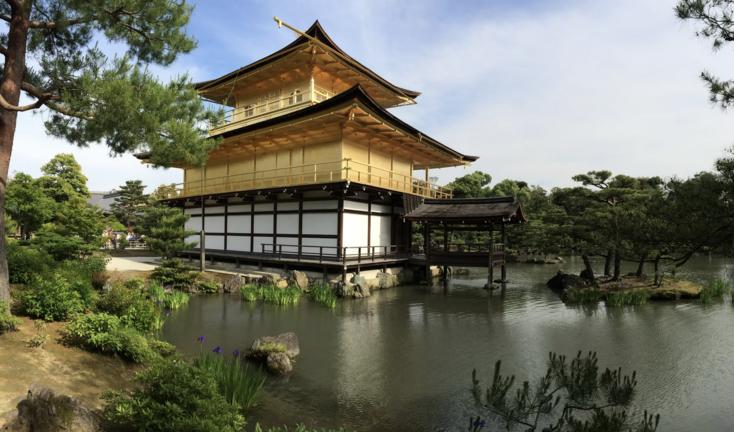
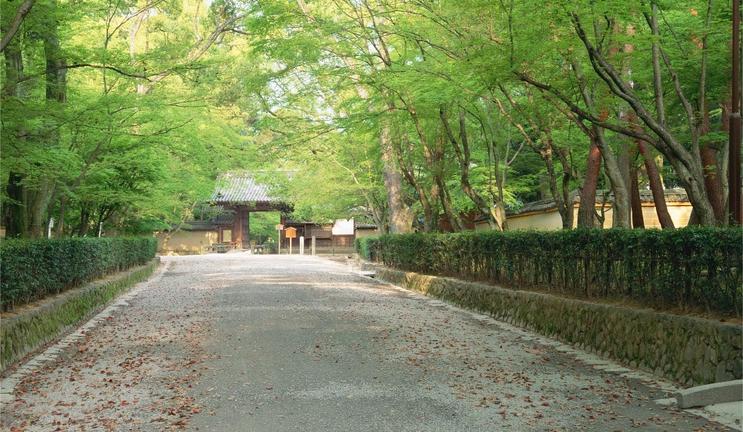
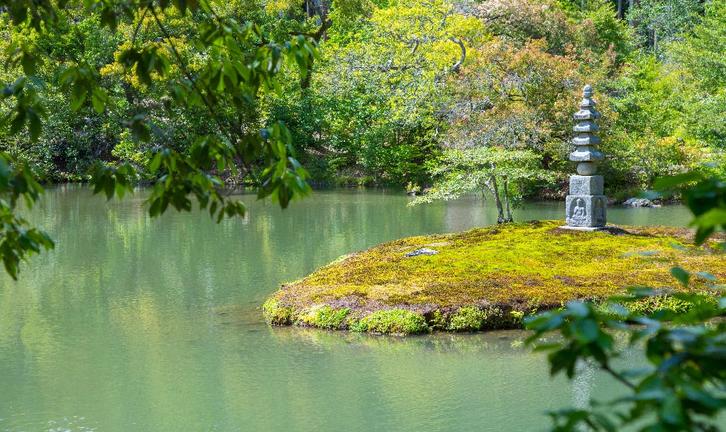
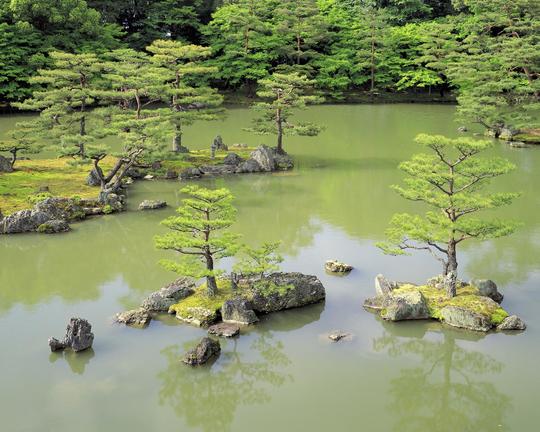
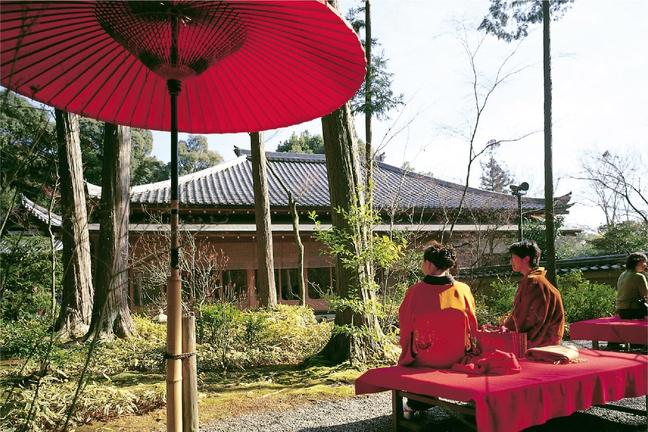
Visitors follow a designated walking path around the pond, offering carefully framed views of the pavilion from different angles. The stroll continues through landscaped gardens and past a small tea garden, creating a well-paced and visually pleasing experience.
Although Kinkaku-ji attracts significant visitor numbers throughout the year, the grounds are well organised and the visit is straightforward. The temple is particularly beautiful in winter when snow settles lightly on the golden roof, and in autumn when the surrounding foliage turns rich shades of red and gold.
Kinkaku-ji suits first-time visitors to Kyoto and those seeking one of the city’s most recognisable and dramatic temple settings.
Expert Tips
Arrive as close to opening time as possible to avoid peak crowds. Mid-morning and early afternoon are typically the busiest periods.
Allow around one hour for your visit. Photography is best from the main pond viewpoint, so take a moment there before continuing along the path.