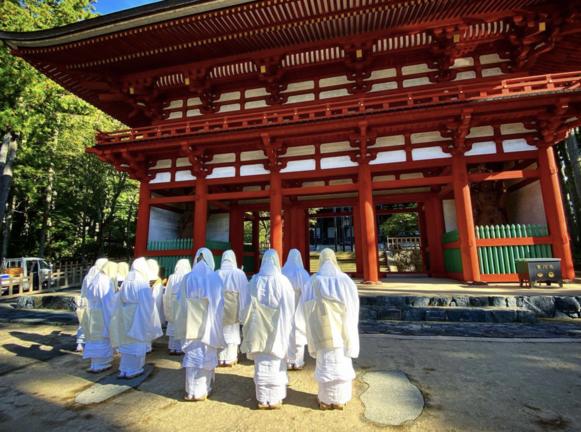
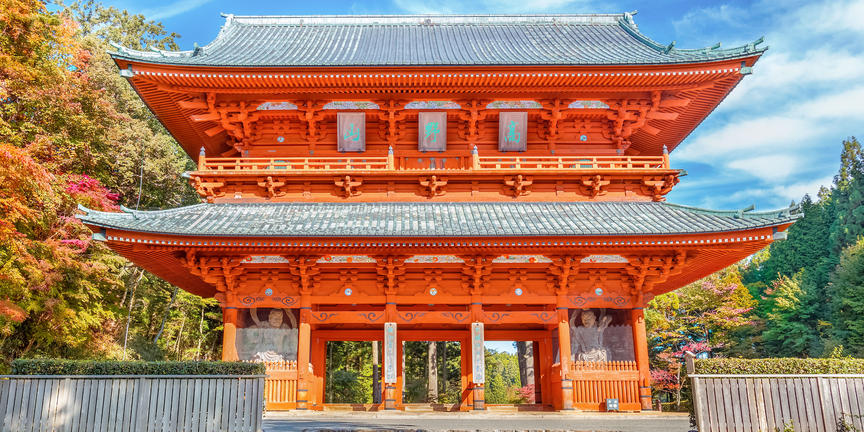
Koya San is one of Japan’s most atmospheric spiritual destinations, set high in the forested mountains of Wakayama Prefecture. Founded by the monk Kobo Daishi in the 9th century, it remains the centre of Shingon Buddhism and offers a very different experience from Japan’s cities, with quiet temple lanes, ancient cedar trees, misty hills and a deep sense of ritual.
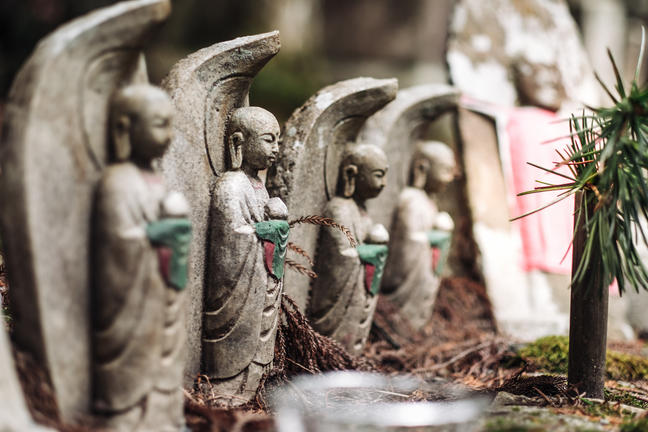
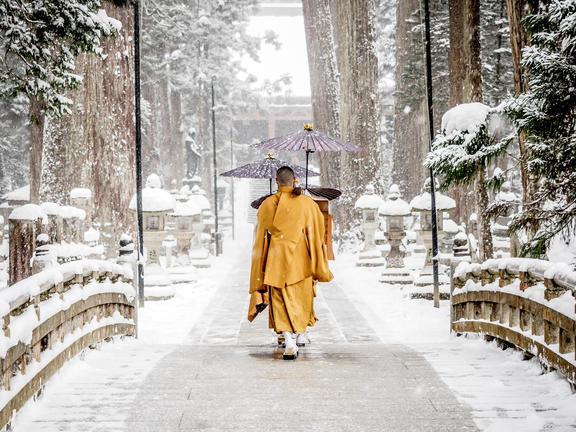
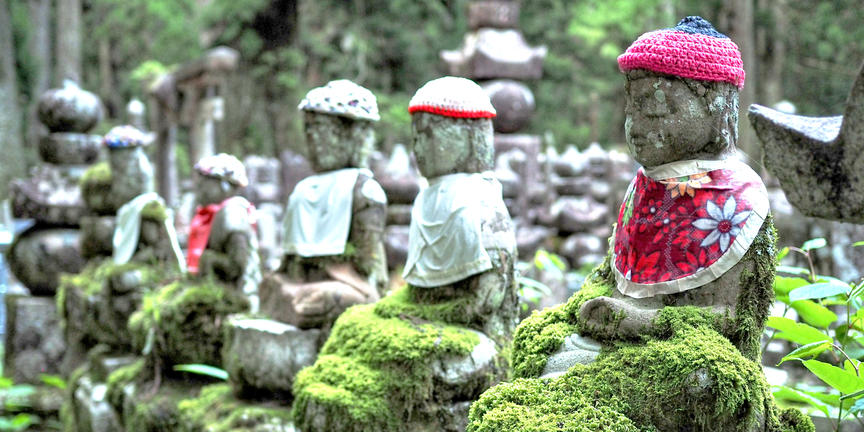
The most memorable place to visit is Okunoin Cemetery, a vast and beautiful forest cemetery leading to the mausoleum of Kobo Daishi. Stone lanterns, moss-covered memorials and towering trees line the path, creating one of the most powerful walks in Japan. It’s especially atmospheric in the early morning or towards dusk, when the forest feels still and almost timeless.
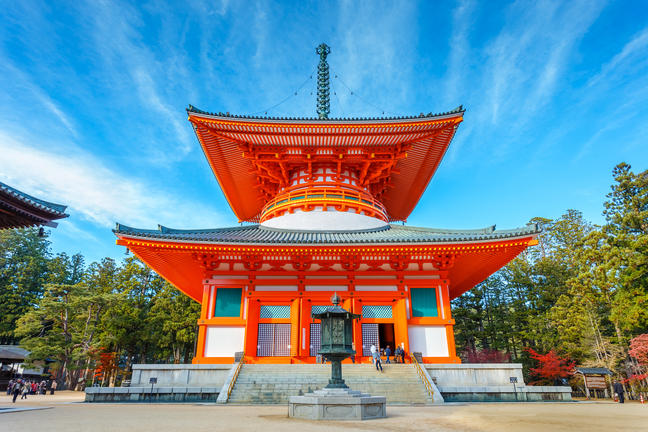
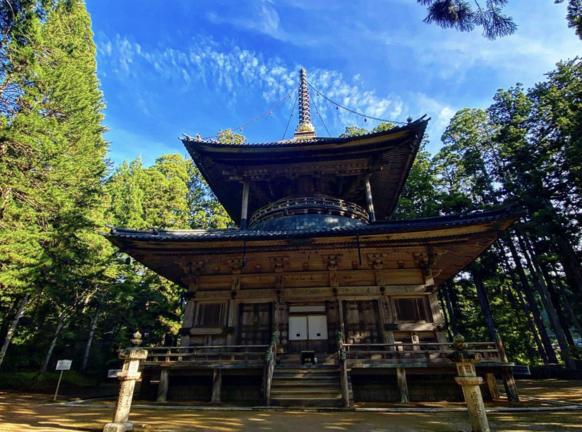
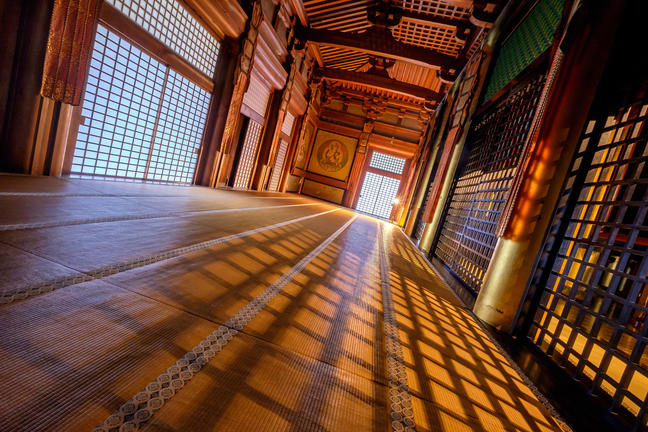
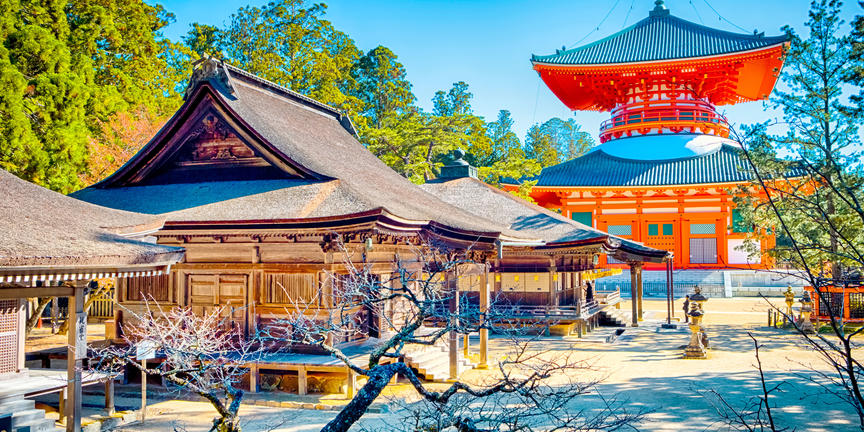
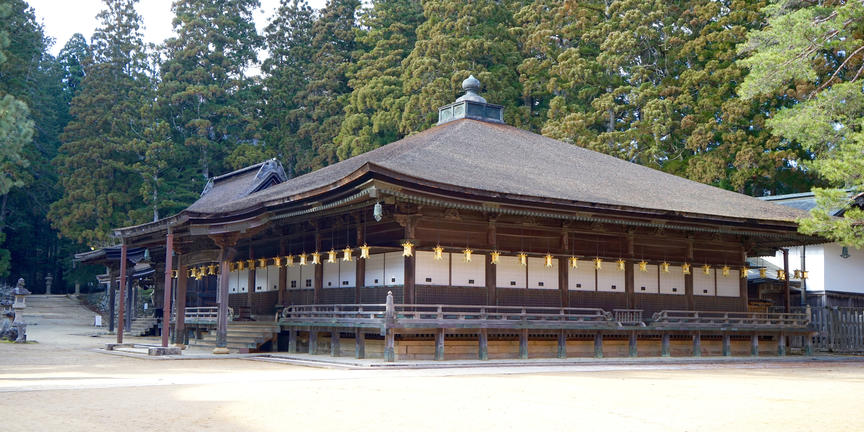
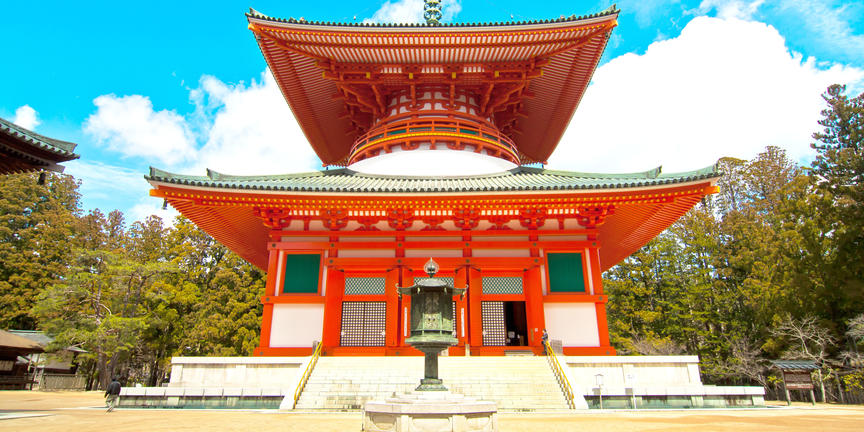
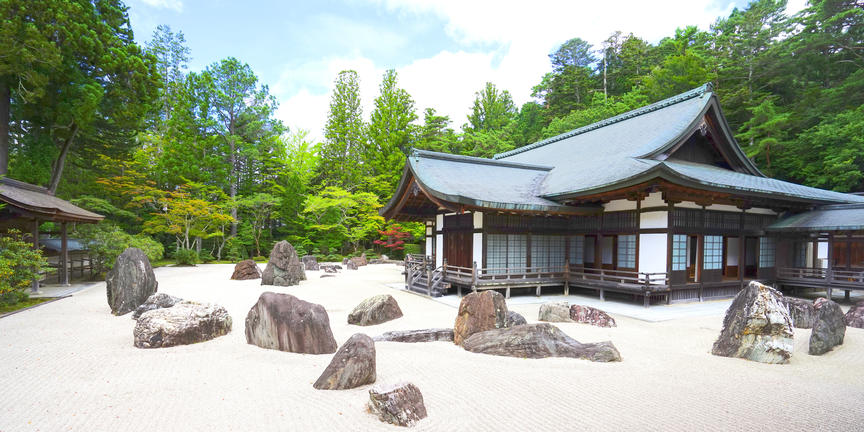
At the heart of Koya San, Kongobu-ji Temple is the head temple of Shingon Buddhism and is well worth visiting for its painted sliding screens, rock garden and traditional temple architecture. Nearby, the Danjo Garan complex marks the symbolic centre of Koya San, with striking temple halls and the bright vermilion Konpon Daito Pagoda.
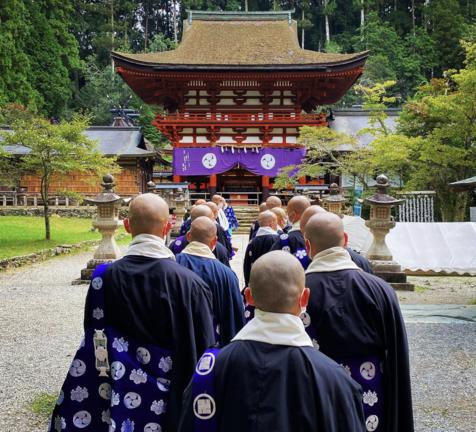
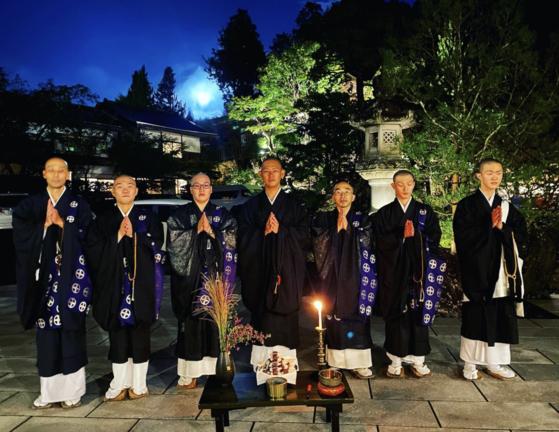
Staying overnight is a key part of the experience. Many visitors stay in a temple lodging, where rooms are simple but comfortable, and dinner is usually shojin ryori, traditional Buddhist vegetarian cuisine. In the morning, guests can often attend temple prayers, offering a gentle insight into daily religious life.
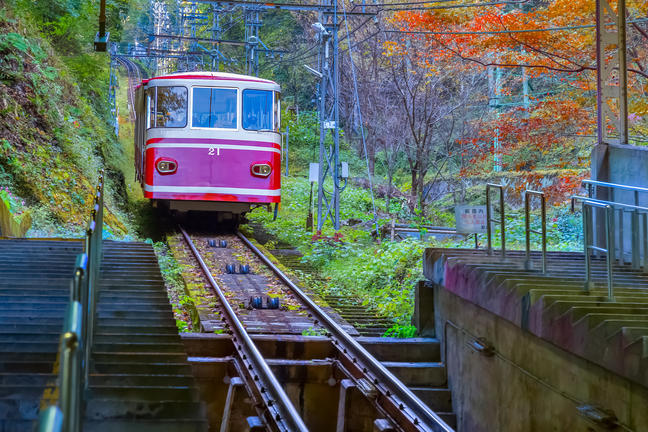
Koya San is best approached slowly. It takes some effort to reach, usually by train, cable car and bus from Osaka, but that sense of gradual arrival is part of its appeal. Once there, the town is compact and easy to explore by bus or on foot.
Expert Tip: Take warm layers, even outside winter, as Koya San sits at around 800 metres and can feel noticeably cooler than Osaka or Kyoto. The walk through Okunoin Cemetery is worth doing twice if time allows, once during the day and again in the evening when the lantern-lit paths feel especially atmospheric.