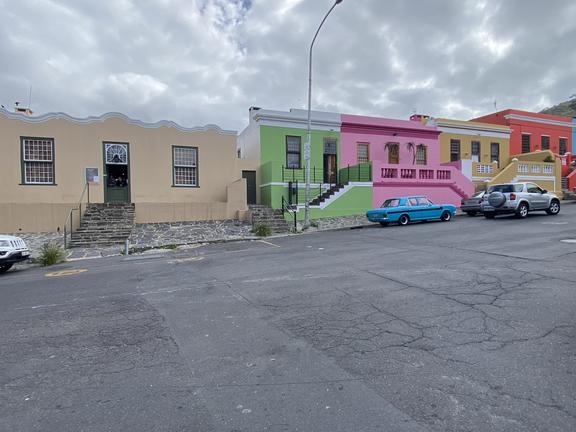
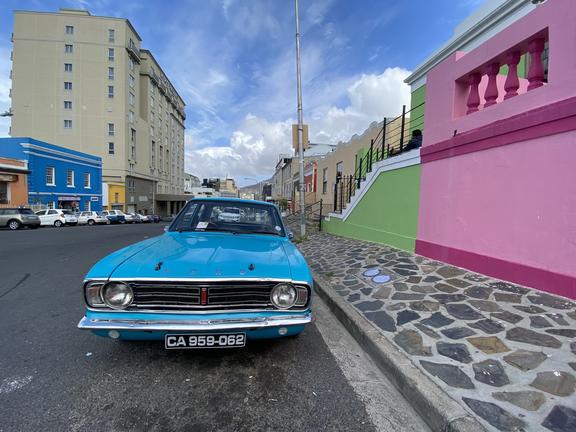
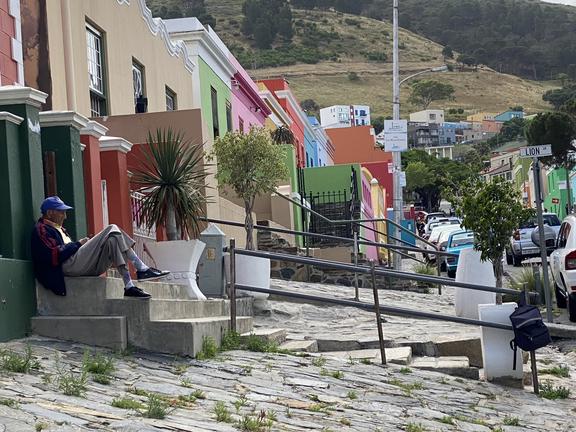
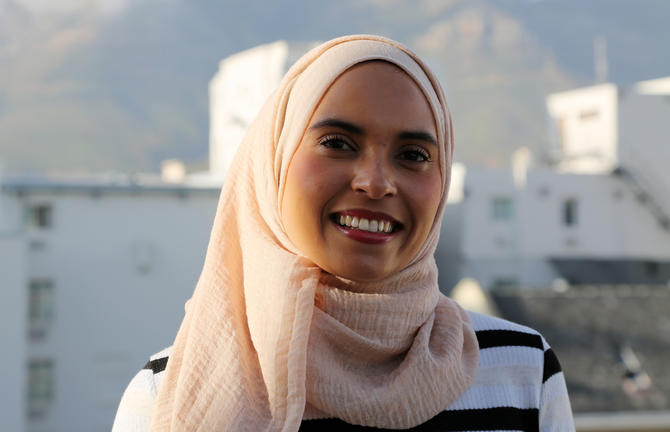
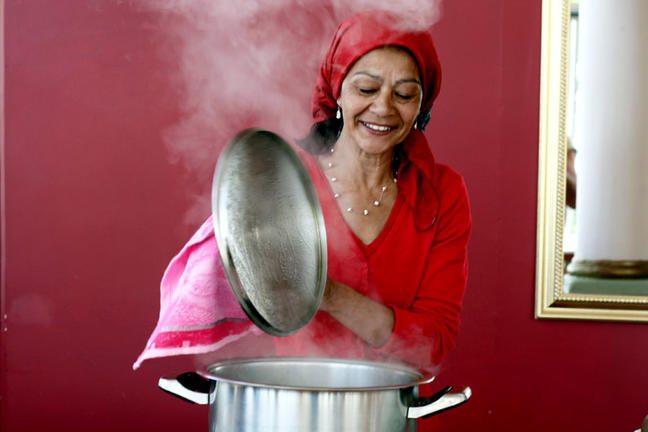
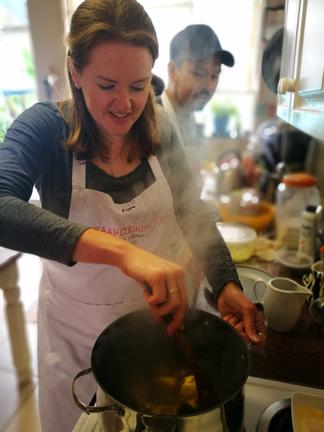
A fully immersive social and cultural experience combining a walking tour, hands on cooking workshop and 2 course lunch. This 3 and a half hour experience will introduce you to the food, culture and traditions of the Cape Malay's of Bo-Kaap.
Location: 46 Rose Street, Bo-Kaap
Starting Point: 10:30 AM at Rose Corner Cafe 100 Wale Street (Opposite the Bo-Kaap Museum)
Start Time: 10h30 during the week & 10h00 on Saturdays
Duration: 3.5 hours
No classes on a Friday and Sunday!
*No class participation for children under 10 years.
Cape Malay cuisine is a fusion food born in Africa. Its alimentary origins can be found in the cooking pots of 17th and 18th century exiled dissidents and slaves brought to the Cape from the Dutch East Indies. While there are recognizable Asian elements, Cape Malay cooking has undergone a considerable degree of adaptation to suit local conditions and ingredient availability.
Food plays an important role in the community life of the Cape Malay. The Javanese have always believed that it is not enough to simply provide your guests with good food; you must do more than that. You must entertain them with good conversation and make them feel welcome and appreciated.
The meals are not served in their respected courses; all the courses are laid out simultaneously on the table. Everyone decides for himself/herself what he or she chooses to eat first. The lady of the household seldom sits at the table. She sees to everyone's comfort.
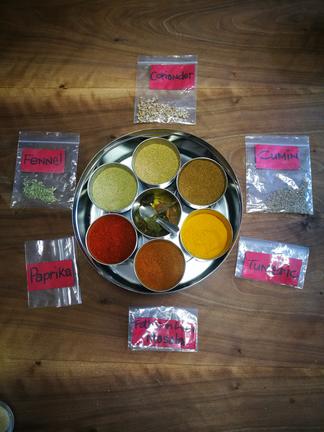
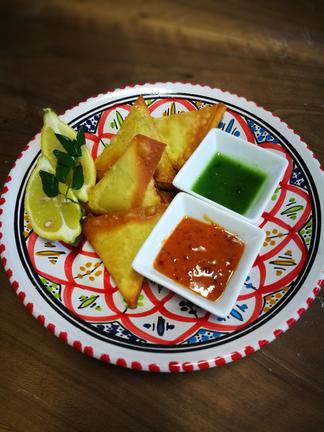
Geel rys (yellow rice) made with saffron, cinnamon and raisins provides the perfect accompaniment to the gentle aromatic flavours of bredie lamb casseroles. Mouth-watering crayfish curries are mopped up with flaky textured roti breads. And no Cape Malay meal is complete without condiments which range from palate-cooling sambals to fiery blatjang chutneys, pickles and atjars. Sweet-toothed travellers should look out for oval coconut rolled koesister fritters (which are the antecedent of Afrikaaner platted koeksisters). .
The Cape Malay community is an ethnic group or community in South Africa. It derives its name from the present-day Cape Town of South Africa and the people originally from Maritime Southeast Asia, mostly Javanese from modern-day Indonesia, a Dutch colony for several centuries, and Dutch Malacca, modern-day Malaysia, which the Dutch held from 1641 - 1824. The community's earliest members were enslaved Javanese transported by the Dutch East India Company. They were followed by slaves from various other Southeast Asian regions, and political dissidents and Muslim religious leaders who opposed the Dutch presence in what is now Indonesia and were sent into exile. Starting in 1654, these resistors were imprisoned or exiled in South Africa by the Dutch East India Company, which founded and used what is now Cape Town as a resupply station for ships traveling between Europe and Asia. They were the group that first introduced Islam to South Africa.
The first group of Malay state political prisoners landed on the shores of South Africa from Java and the neighboring Indonesian islands in the late 1600's. Many more followed in the years 1727 until 1749. Not only did this proud and attractive people bring with them the Muslim faith and fine architecture, they also brought with them a unique cookery style, introducing exciting mixtures of pungent spices that has had a heady influence on traditional South African cuisine. Indeed, the Malay-Portuguese words such as bobotie (a curried ground beef and egg custard dish), sosatie (kebabs marinated in a curry mixture) and bredie (slowly cooked stews rich in meat, tomatoes and spices) are integral in our cookery vocabulary.