Southern Serengeti – The Birthplace of the Great Migration
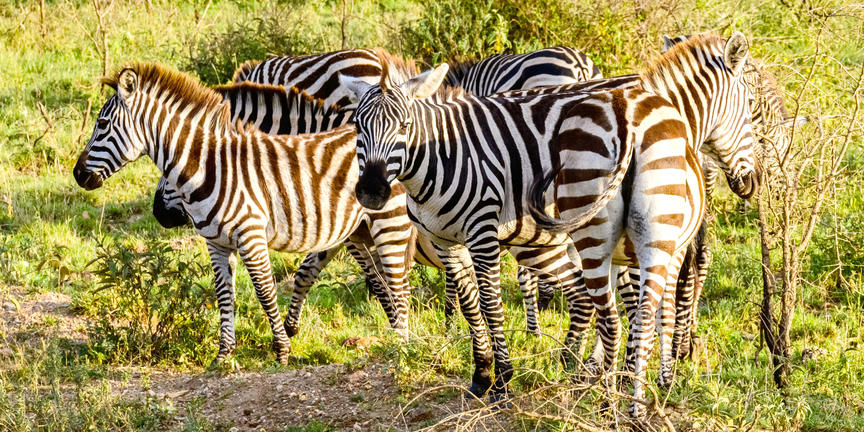
The Southern Serengeti is the heart of one of nature’s greatest spectacles — the Great Migration calving season. Between December and March, the vast short-grass plains come alive as over a million wildebeest, along with zebra and gazelle, give birth to their young. This extraordinary event attracts predators in large numbers, offering thrilling wildlife encounters and iconic photographic moments.
With sweeping open plains, acacia-dotted horizons, and the nearby Ngorongoro highlands, the Southern Serengeti represents the classic African landscape — raw, wild, and breathtakingly beautiful.
Location and Ecosystems – Northern Safari Circuit of Tanzania
Located about 250 kilometres (5–6 hours’ drive) west of Arusha, the Southern Serengeti encompasses the Ndutu Plains, Kusini, and parts of the Ngorongoro Conservation Area.
The region’s ecosystems are diverse and vital to the Serengeti’s natural cycle:
Short-grass plains – rich in nutrients and ideal for wildebeest calving.
Seasonal soda lakes, including Lake Ndutu and Lake Masek, attracting flamingos and pelicans.
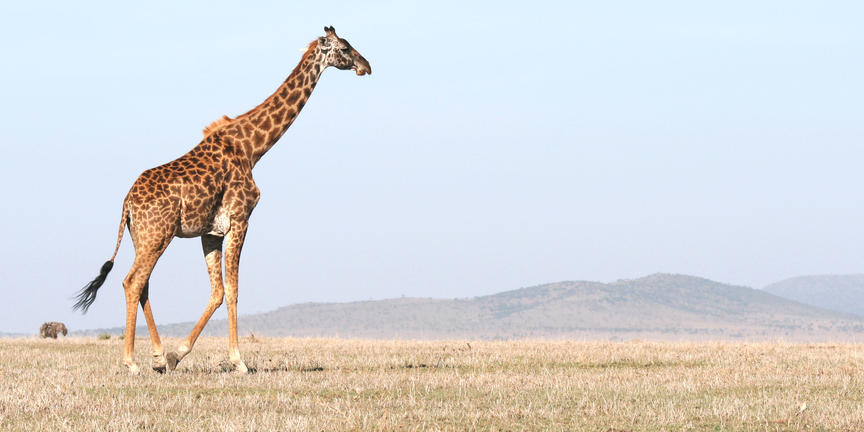
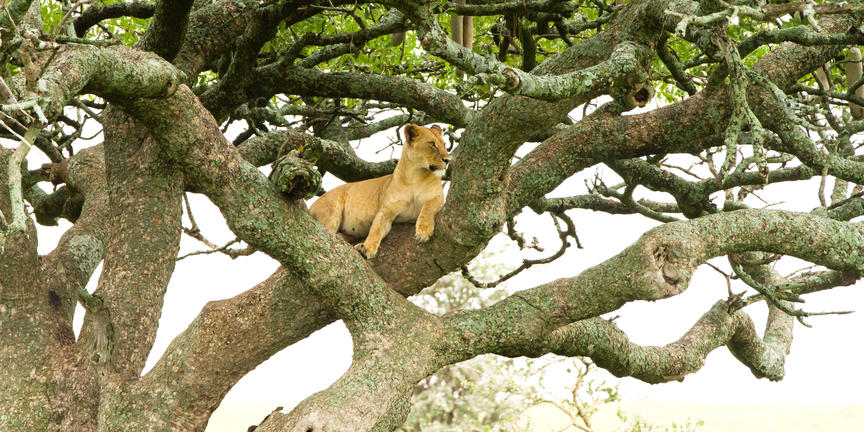
Scattered acacia woodlands – home to lions, leopards, and giraffes.
Rolling volcanic hills and open plains – offering endless views and prime wildlife habitat.
This blend of landscapes supports one of the densest concentrations of wildlife in East Africa during the green season.
Unique Features
The Calving Season (December–March): The Southern Serengeti hosts the birthing grounds for the Great Migration, where hundreds of thousands of wildebeest calves are born within weeks.
Predator Haven: The abundance of vulnerable prey draws large populations of lions, cheetahs, hyenas, and jackals, creating dramatic predator-prey interactions.
Photographic Paradise: The open plains, dramatic skies, and wildlife density make this one of Africa’s top destinations for photographers.
Exclusive Camps: Seasonal mobile camps follow the herds, offering luxury stays in remote, wildlife-filled settings.
Olduvai Gorge: A nearby archaeological wonder, often called the “Cradle of Mankind”, where some of the earliest human fossils were discovered.
Activities in the Area
The Southern Serengeti offers an array of exciting safari activities designed to immerse visitors in its wildlife, scenery, and culture:
Game Drives: Morning and afternoon drives through the Ndutu and Kusini plains to observe the Great Migration and predators in action.
Hot-Air Balloon Safaris: Glide above the plains at sunrise for panoramic views of the herds and stunning aerial photography.
Guided Walking Safaris: Accompanied by armed rangers, explore the bush on foot for an up-close look at animal tracks, plants, and smaller creatures.
Photographic Safaris: Join professional guides to capture the migration, predator hunts, and golden Serengeti light.
Cultural Visits: Meet Maasai communities in the nearby Ngorongoro area and learn about their traditions and harmonious coexistence with wildlife.
Olduvai Gorge Excursion: Visit this world-renowned archaeological site to explore early human history.
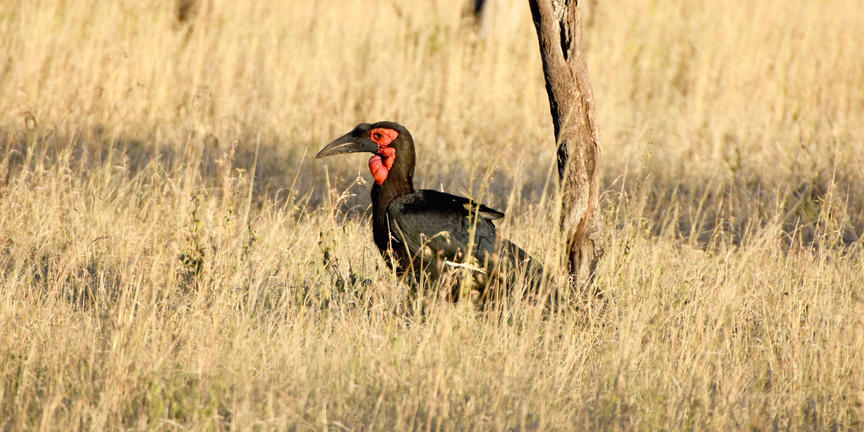
Birdwatching: Spot over 500 bird species, including kori bustards, secretary birds, and flamingos at Lake Ndutu.
Sundowners and Bush Dinners: Enjoy sunset views across the open plains with traditional safari hospitality.
Travel Information
How to Get There
By Road: The Southern Serengeti is approximately 250 km (5–6 hours) from Arusha, accessible via Ngorongoro Crater and Ndutu. Roads are a mix of tarmac and gravel, requiring a 4×4 vehicle.
By Air: Daily scheduled and charter flights connect Arusha, Manyara, and Zanzibar to Ndutu Airstrip, conveniently located near camps and lodges in the area.
Travel Distances
Arusha → Southern Serengeti: ~5–6 hours
Southern Serengeti → Central Serengeti: ~3–4 hours
Central Serengeti → Ngorongoro Crater: ~3.5–4 hours
Ngorongoro Crater → Lake Manyara: ~1 hour
Lake Manyara → Tarangire National Park: ~1 hour
Tarangire → Arusha: ~2 hours
Best Time to Visit
Dry Season (July – October): Fewer animals remain on the plains, but wildlife concentrates near permanent water sources. Great for peaceful drives and predator viewing.
Wet Season (November – June): The highlight is December to March, when the Great Migration calving season occurs. The landscape turns lush, wildlife is abundant, and photography opportunities are exceptional.
Why Include Southern Serengeti in Your Tanzania Safari
The Southern Serengeti is the birthplace of the Great Migration and one of Africa’s most awe-inspiring natural events. Its accessibility from Ngorongoro, combined with unmatched predator action and dramatic scenery, makes it a must-see destination on any Northern Safari Circuit itinerary.
For those seeking an authentic, wildlife-rich, and visually spectacular safari experience, the Southern Serengeti delivers unforgettable moments at every turn.
Key Attractions
Great Migration Calving Season – hundreds of thousands of wildebeest births (Dec–Mar)
Predator Encounters – lions, cheetahs, and hyenas in abundance
Ndutu & Masek Lakes – flamingos and seasonal birdlife
Olduvai Gorge – historical site of early human fossils
Luxury Mobile Camps – exclusive stays following the herds
Hot-Air Balloon Safaris – iconic sunrise adventure over the plains
Cultural Visits – Maasai traditions and pastoral life