Tarangire National Park – Home of the Giants
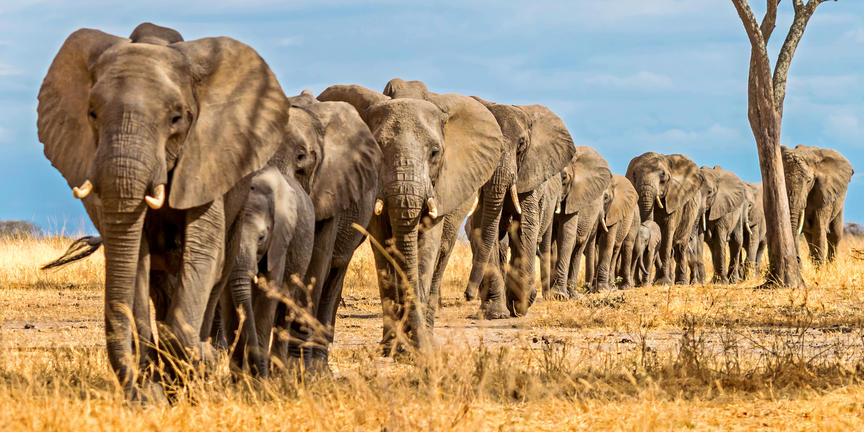
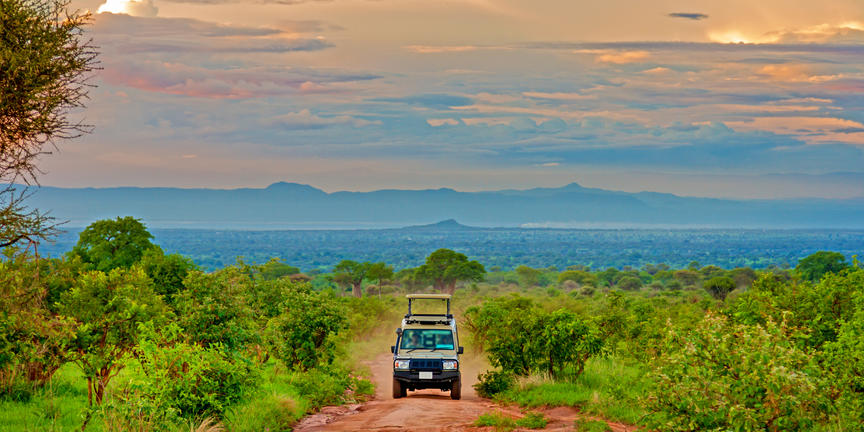
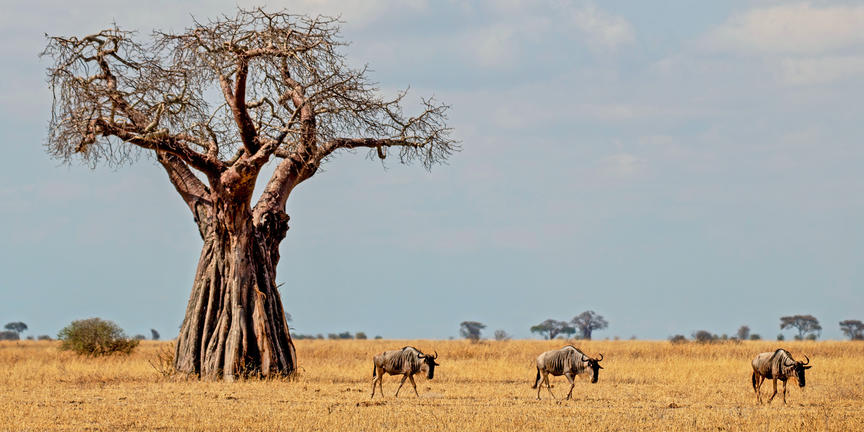
Tarangire National Park, often called the Home of the Giants, is a land of majestic elephants and towering baobab trees. Located in northern Tanzania, this spectacular park covers about 2,850 square kilometres and forms a vital part of the Northern Safari Circuit. It is the sixth-largest national park in Tanzania and a true hidden gem for those seeking classic African landscapes and abundant wildlife without the crowds of the Serengeti.
Location and Ecosystems
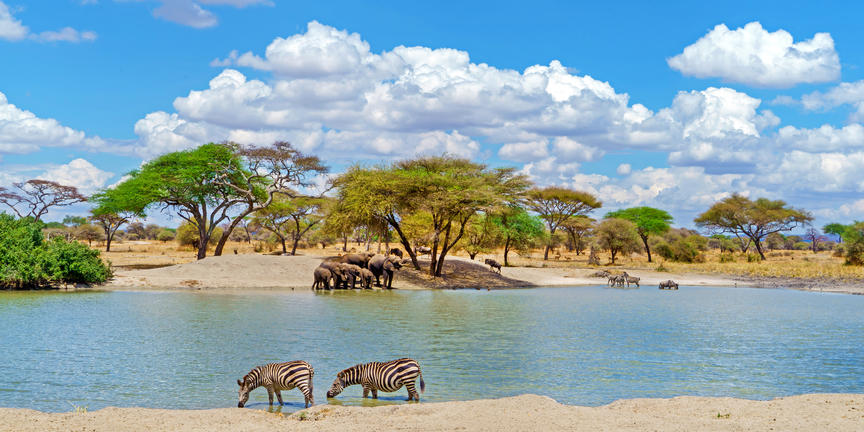
Just 118 kilometres (about 2 hours’ drive) southwest of Arusha, Tarangire is easily accessible by road and air, making it an ideal first or second stop on a Tanzania safari. The park is defined by the Tarangire River, which winds its way through grassy plains and acacia woodlands before emptying into Lake Burunge. During the dry season, the river becomes a lifeline for countless animals migrating from surrounding areas.
Tarangire’s ecosystems include savannah grasslands, acacia and baobab woodlands, swamps, and floodplains, creating a mosaic of habitats that support a rich variety of wildlife.
Unique Features
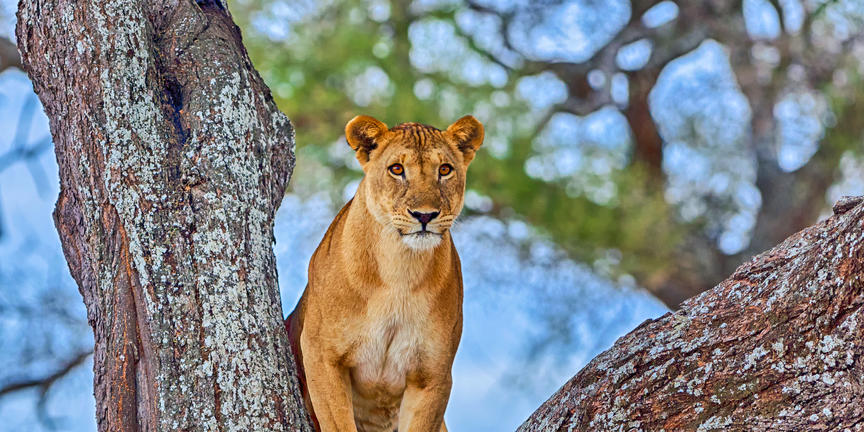
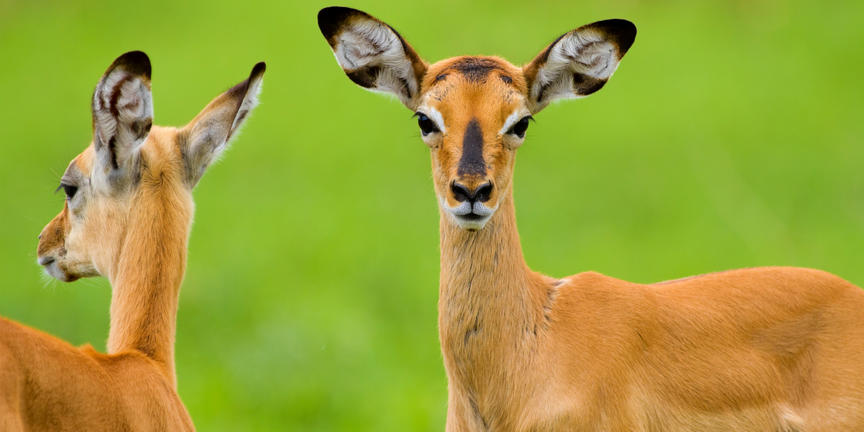
Tarangire is famed for its massive elephant herds—sometimes numbering in the hundreds—and its iconic baobab trees, some more than a thousand years old. It also hosts one of the highest concentrations of wildlife outside the Serengeti. Visitors can expect to see lions, leopards, cheetahs, buffalo, giraffes, zebras, wildebeest, oryx, impala, and waterbuck, along with over 550 species of birds, making it one of Tanzania’s top birding destinations.
During the dry months, Tarangire transforms into a wildlife haven, drawing thousands of animals to the shrinking pools of the Tarangire River—an incredible spectacle of survival and adaptation that defines the park’s charm.
Excursions and Activities in Tarangire National Park
Game Drives: Explore the park’s vast plains and woodlands in search of elephants, predators, and spectacular birdlife.
Night Game Drive: Experience the African bush after dark and encounter nocturnal creatures such as civets, genets, porcupines, and bush babies.
Walking Safari: Accompanied by an armed ranger, enjoy a guided walk for a more intimate perspective of the park’s flora and fauna.
Birdwatching: Spot colourful species like yellow-collared lovebirds, hornbills, and the endemic ashy starling.
Cultural Visit: Interact with local Maasai or Datoga communities near the park for an authentic cultural experience.
Travel Information
How to Get There
By Road: Tarangire National Park lies about 118 km (2 hours) southwest of Arusha, along a good tarmac road that continues to Lake Manyara and Ngorongoro.
By Air: Daily scheduled flights connect Arusha, the Serengeti, and Zanzibar to Kuro Airstrip, located inside Tarangire—ideal for fly-in safaris.
Travel Distances
Arusha → Tarangire National Park: ~2 hours
Tarangire → Lake Manyara: 1 hour
Lake Manyara → Ngorongoro Crater: 1 hour
Lake Manyara → Serengeti: 3.5 hours
Best Time to Visit
Dry Season (July – October): Prime wildlife viewing as animals congregate around the Tarangire River; vegetation is sparse and visibility excellent.
Wet Season (November – June): The park is lush and green, with excellent birdwatching and fewer crowds. Many animals disperse but scenery and photographic opportunities are outstanding.
Why Include Tarangire National Park in Your Tanzania Safari
Tarangire offers a classic safari experience in a serene, uncrowded setting. Its dense elephant populations, iconic baobab landscapes, and rich biodiversity make it an essential complement to the Serengeti and Ngorongoro. The park’s mix of habitats, seasonal migrations, and off-the-beaten-path atmosphere create a truly authentic East African safari adventure.
Key Attractions
Giant elephant herds
Ancient baobab trees
Over 550 species of birds
The Tarangire River and seasonal migration
Walking and night safaris