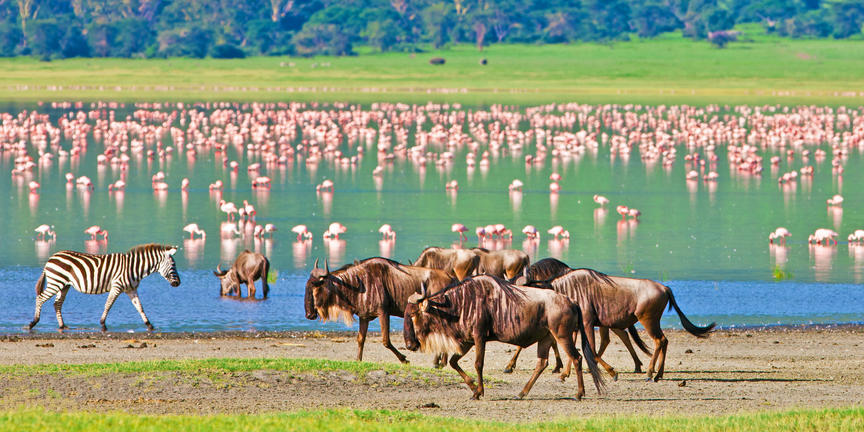
Ngorongoro Crater – The World’s Largest Intact Caldera
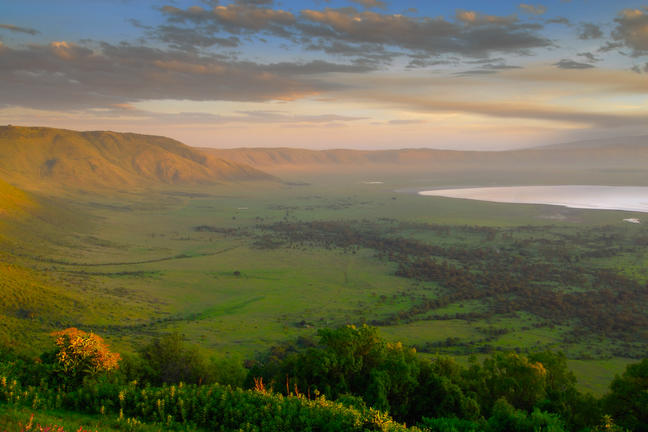
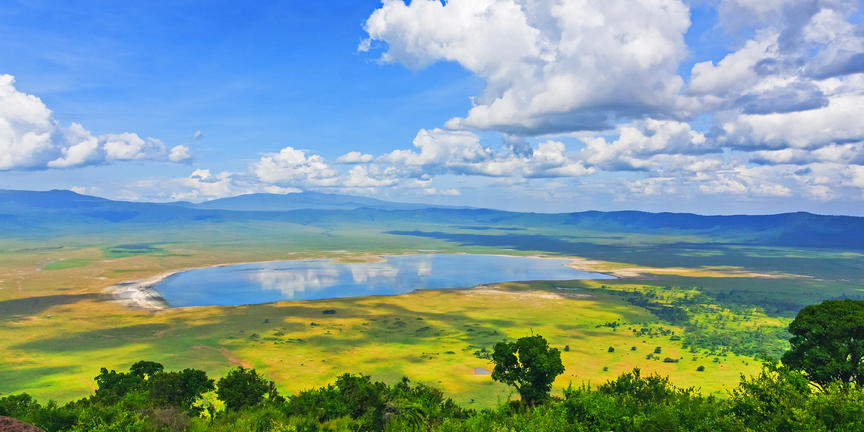
Ngorongoro Crater is often called “Africa’s Garden of Eden” — a breathtaking natural amphitheatre teeming with wildlife. Formed from the collapse of a massive volcano over two million years ago, this UNESCO World Heritage Site is one of the most spectacular safari destinations in Africa. Covering about 260 square kilometres and standing at 2,200 metres above sea level, the crater floor supports one of the densest concentrations of wildlife found anywhere on Earth.
Location and Ecosystems - Northern Safari Circuit of Tanzania
The Ngorongoro Conservation Area lies in northern Tanzania, about 180 kilometres (3.5–4 hours’ drive) west of Arusha. It forms part of the famed Northern Safari Circuit, connecting Tarangire, Lake Manyara, and the Serengeti.
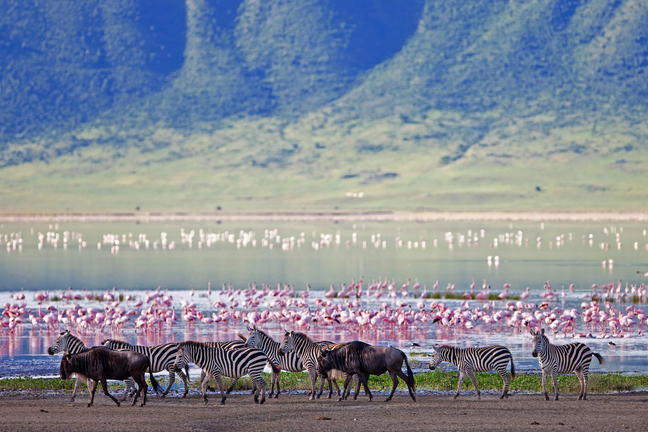
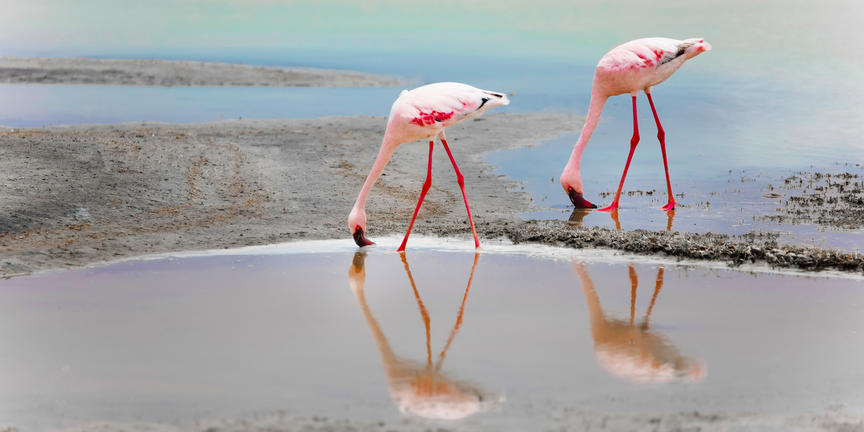
The crater’s varied ecosystems include lush grasslands, swamps, acacia woodlands, and a soda lake (Lake Magadi) that attracts flamingos and other waterbirds. Surrounding the crater rim are montane forests that host elephants, leopards, and a rich variety of birds. The mix of high-altitude terrain, fertile plains, and permanent water sources creates an ideal environment for both predators and prey.
Unique Features
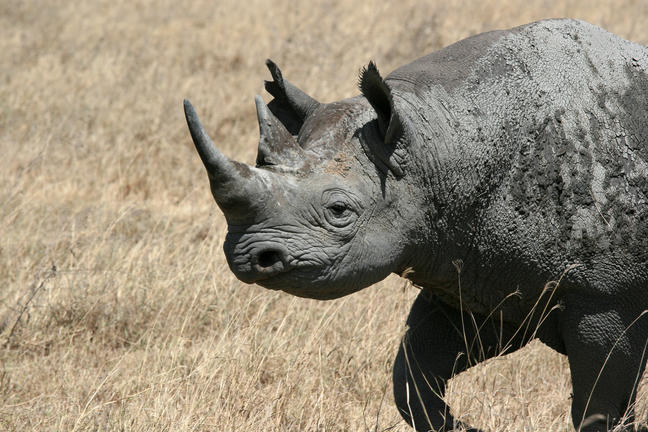
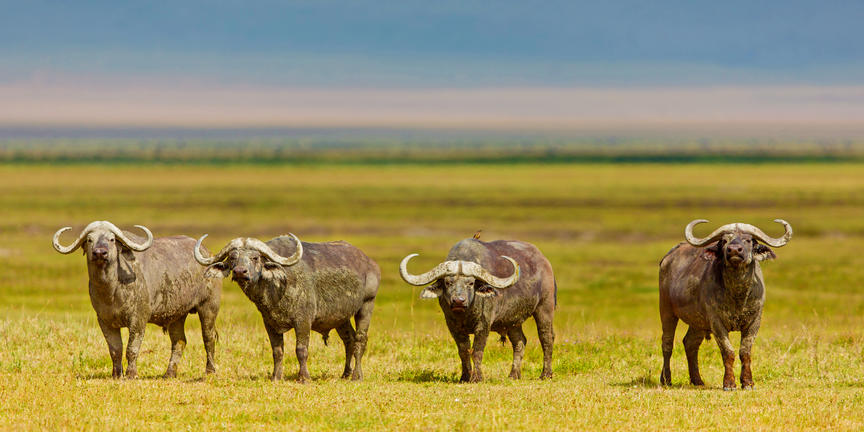
Ngorongoro is the world’s largest intact volcanic caldera, with walls rising up to 600 metres high. It’s home to over 25,000 large mammals, including the Big Five — lion, elephant, buffalo, leopard, and the endangered black rhino.
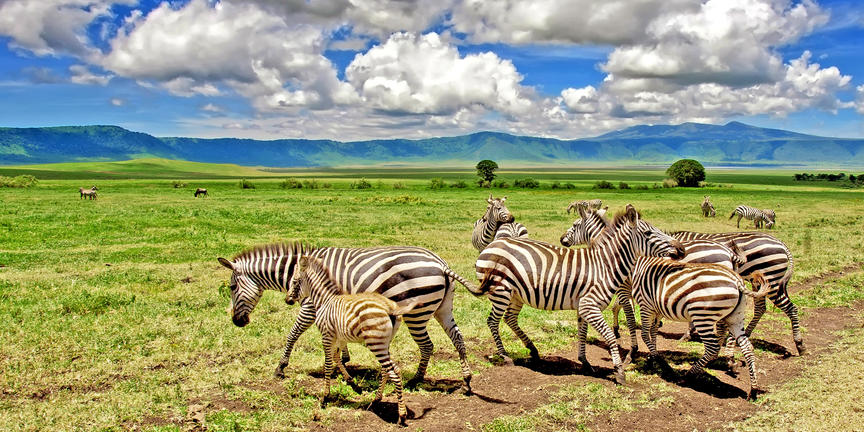
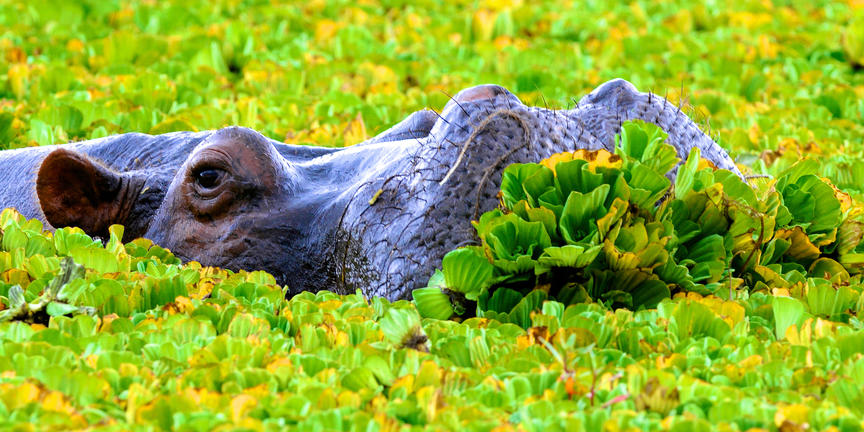
This is one of the few places in Africa where you can spot rhinos grazing alongside wildebeest, zebras, gazelles, and hyenas within the same sweeping landscape. The crater also provides refuge for hippos, flamingos, and numerous raptor species.
Beyond wildlife, Ngorongoro has deep cultural significance. The Maasai people still live and graze their cattle within the conservation area, maintaining traditions that coexist with wildlife in a rare example of sustainable living.
Excursions and Activities in Ngorongoro Crater
Game Drives: Descend 600 metres into the crater for one of the most dramatic safari experiences in the world.
Walking Safari: Explore the crater rim or nearby highlands with an armed ranger — ideal for spotting smaller fauna and enjoying panoramic views.
Birdwatching: Over 500 species recorded, including flamingos, crowned cranes, ostriches, and secretary birds.
Cultural Visits: Visit a Maasai boma to learn about traditional life, cattle herding, and the tribe’s coexistence with wildlife.
Empakaai and Olmoti Crater Hikes: Discover nearby volcanic craters surrounded by montane forests and scenic viewpoints.
Travel Information
How to Get There
By Road: The crater is about 180 km (3.5–4 hours) west of Arusha, accessible via a well-maintained tarmac road passing through Lake Manyara. The drive offers scenic views of the Rift Valley and Maasai villages.
By Air: Daily scheduled flights from Arusha, Serengeti, and Zanzibar land at Lake Manyara Airstrip (1 hour away), with road transfers up to the crater rim. Charter flights also land at Ngorongoro Airstrip for easy access.
Travel Distances
Arusha → Ngorongoro Crater: ~3.5–4 hours
Arusha → Arusha National Park: ~40 minutes
Arusha → Tarangire National Park: ~2 hours
Tarangire → Lake Manyara: 1 hour
Lake Manyara → Ngorongoro Crater: 1 hour
Lake Manyara → Serengeti: 3.5 hours
Best Time to Visit
Dry Season (July – October): The best time for game viewing, as animals gather on the open plains and grass is shorter. Visibility is excellent, and most roads are accessible.
Wet Season (November – June): The crater becomes lush and green, ideal for photography and birdwatching. Flamingos fill Lake Magadi, and the landscape is alive with newborn animals during the calving season (January–March).
Why Include Ngorongoro Crater in Your Tanzania Safari
Ngorongoro Crater offers one of the most iconic safari experiences in the world. Its combination of dramatic scenery, abundant wildlife, and cultural heritage makes it an essential stop on any Northern Tanzania itinerary.
Whether you’re witnessing lions on the crater floor, spotting endangered black rhinos, or taking in the breathtaking views from the rim, Ngorongoro delivers a once-in-a-lifetime safari experience unlike any other.
Key Attractions
The Big Five – lion, leopard, elephant, buffalo, and black rhino
Lake Magadi – flamingos and hippos in the soda lake
Ngorongoro Crater Rim Viewpoints – panoramic vistas and photography spots
Maasai Villages – cultural encounters and traditional pastoral life
Empakaai & Olmoti Craters – scenic hiking opportunities
Dense Wildlife Populations – one of the highest in Africa