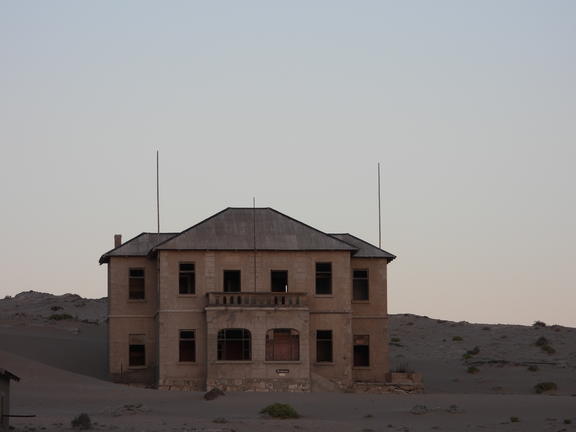
The first diamonds were discovered near Luderitz in 1908 and, once mining became a reality, two mining towns sprang up in the desolate sands about ten kilometres east of Luderitz; One at Kolmanskop and a second at Elizabeth Bay, 15 kilometres south down on the coast. Mining ceased at both sites in the 30s - although since new extraction techniques have been developed, it mining has started again at Elizabeth Bay.
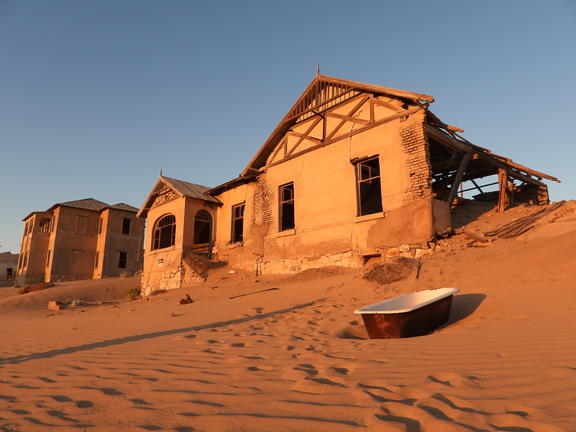
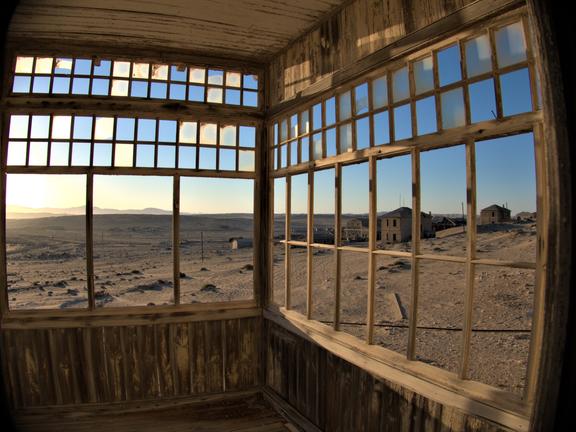
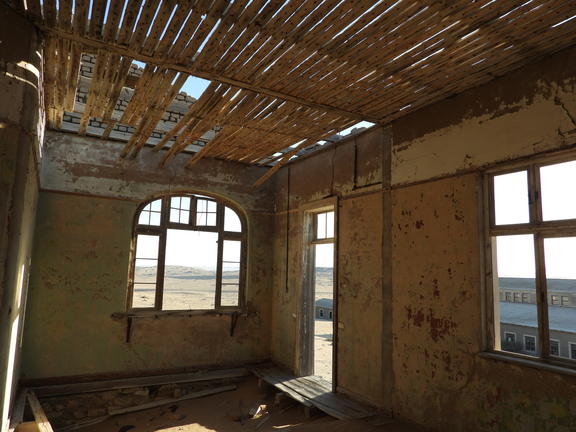
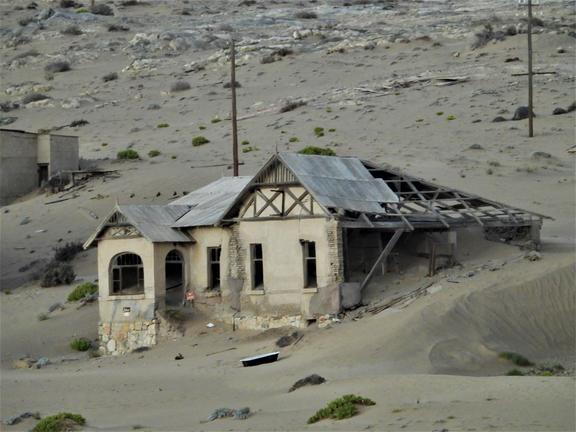
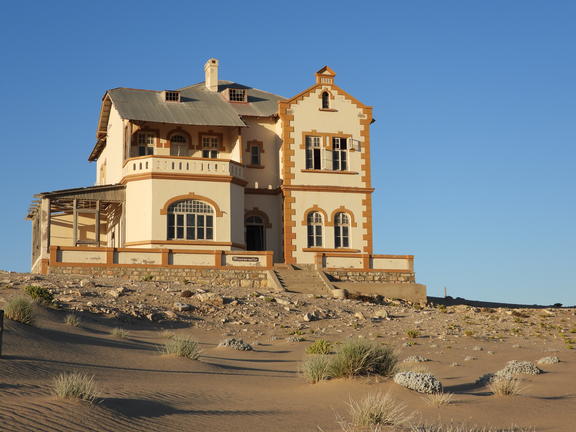
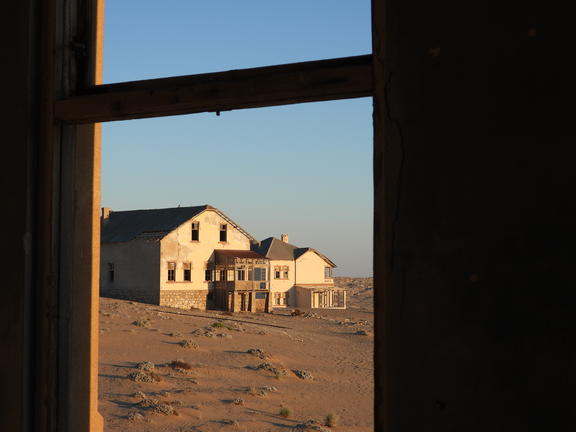
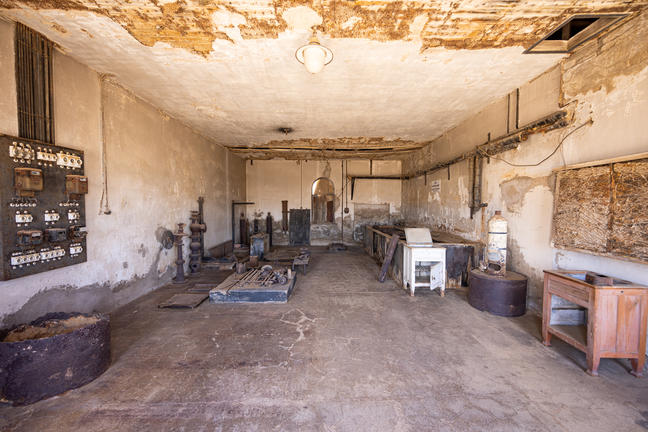
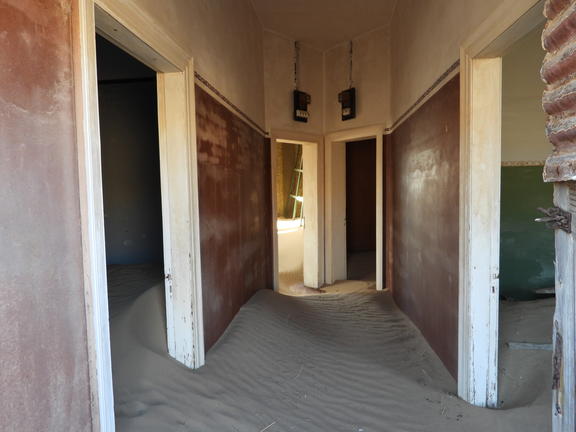
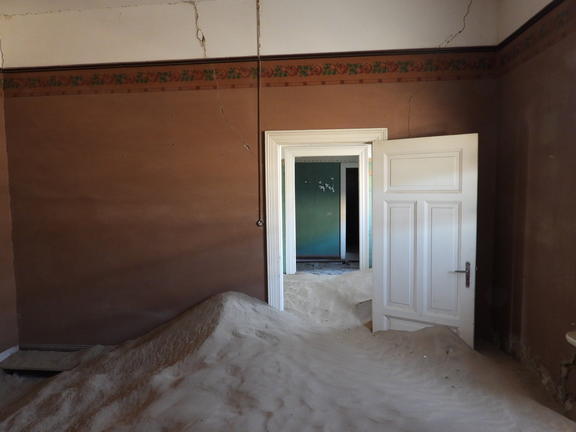
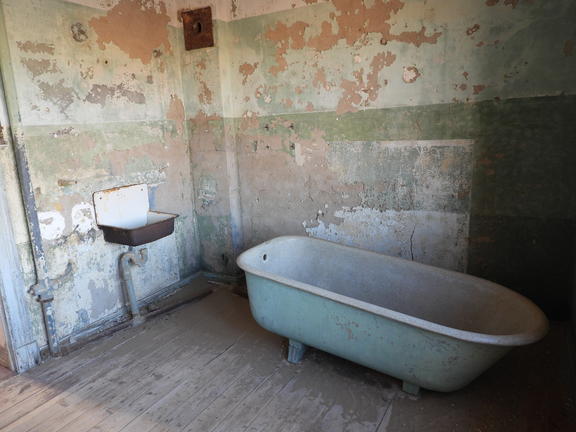
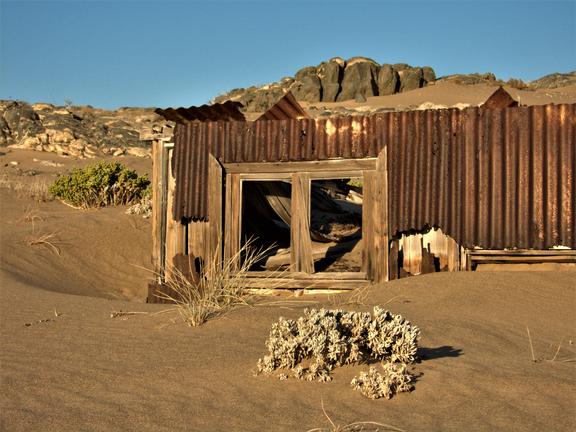
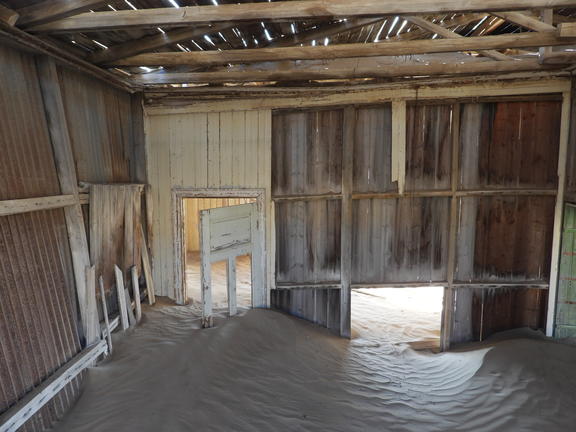
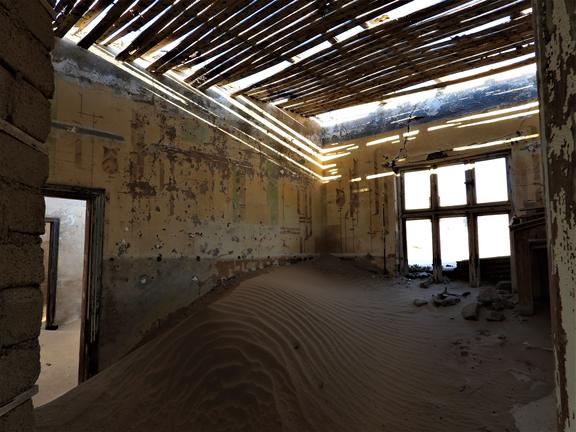
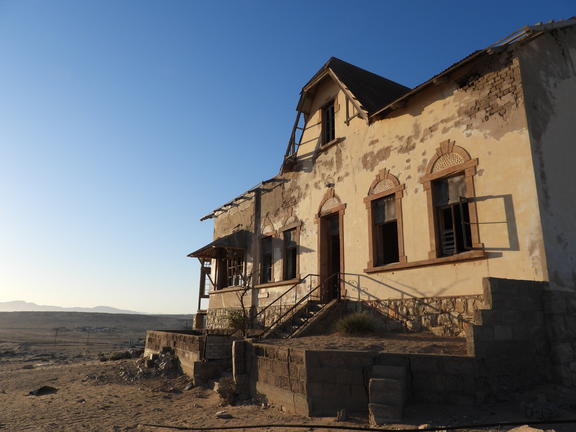
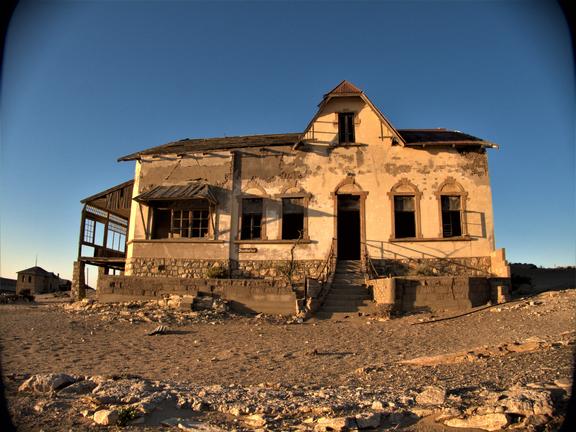
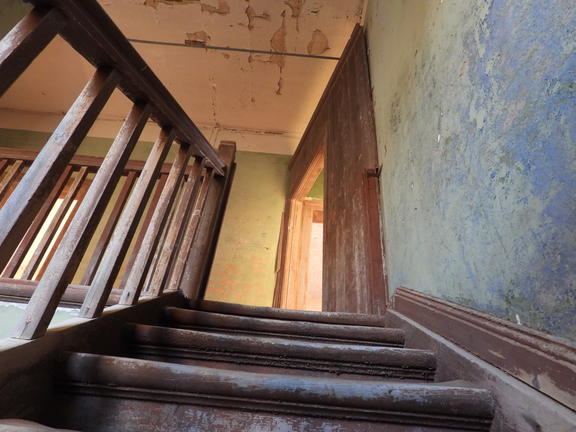
Driven by the enormous wealth of the first diamond miners, the residents built Kolmanskop in the architectural style of a German town. The town was abandoned in 1954. For more than 50 years desert is trying to absorb the city. It is possible to visit the site and to walk in the abandoned buildings.
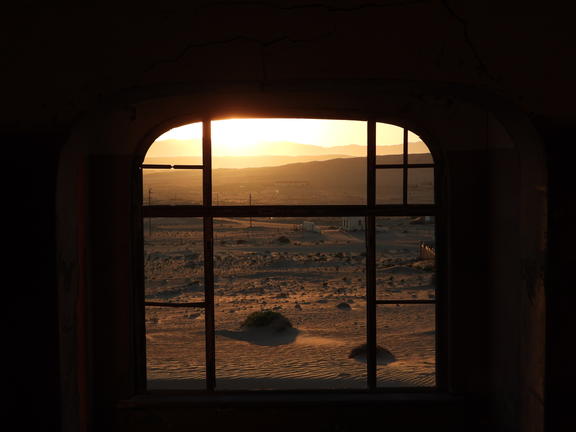
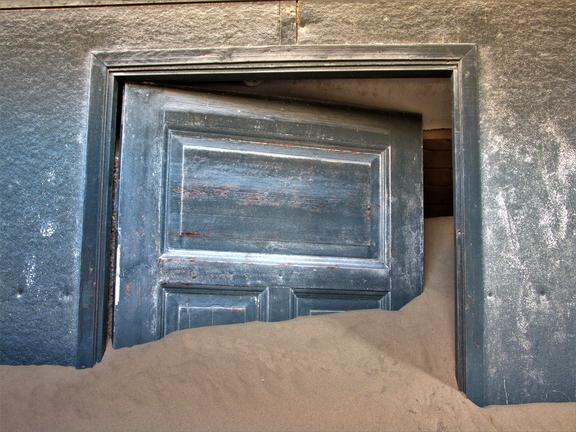
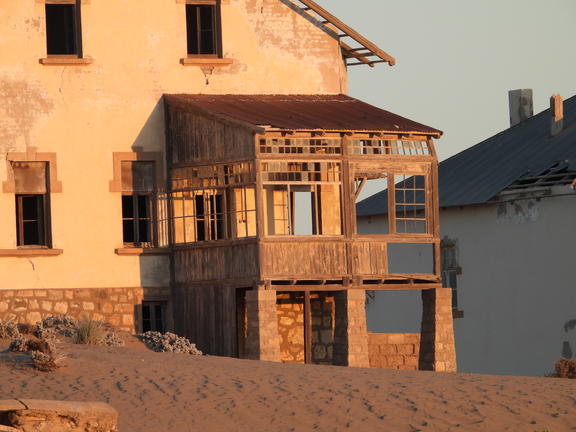
Today Kolmanskop is a ghost town. Part of the sizeable township has actually been restored - the casino, gymnasium and a few other buildings - but the rest of the community consisting of dozens of houses is slowly being swallowed up by the continuously driving sand.
Namibia is famous for the production of diamonds along its extensive coastline. Silt (and diamonds) have been washed down the Orange river from Witwatersrand into the ocean at the mouth of the Orange river for millions of years. The Benguela current which flows northwards, takes the silt up the coast, depositing diamonds all along the Namib coast. The sand is blown inland forming the massive dunes that Namibia is so famous for.