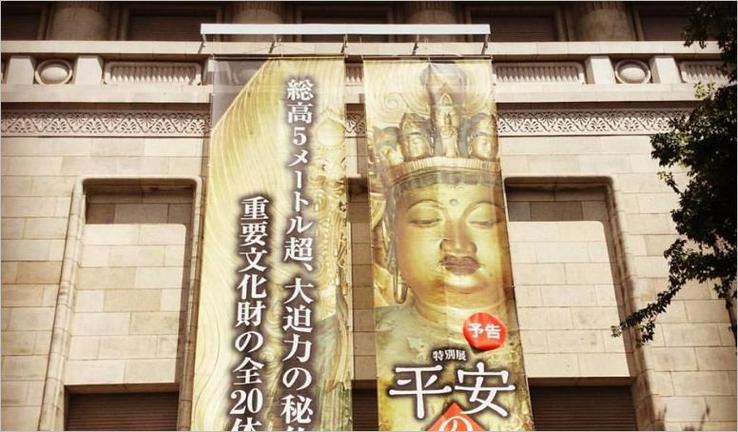
The Tokyo National Museum, located within Ueno Park, is Japan’s oldest and largest museum. It houses an extensive collection of Japanese art and cultural artefacts, offering a comprehensive introduction to the country’s history, craftsmanship and artistic traditions.
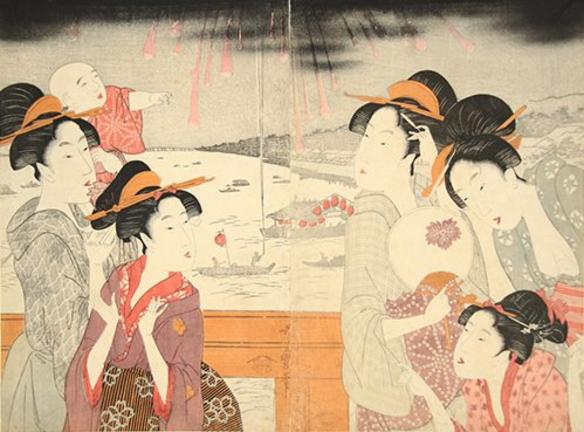
The museum complex consists of several buildings, with the main Honkan Gallery focusing on Japanese art from prehistoric times through to the Edo period. Displays include samurai armour, swords, ceramics, lacquerware, folding screens and exquisitely detailed woodblock prints. The scale of the collection allows visitors to trace the evolution of Japanese aesthetics over centuries.
Additional galleries feature Asian art from across the region, as well as rotating special exhibitions that often attract international attention. The layout is spacious and well organised, making it possible to focus on particular areas of interest without feeling rushed.
Despite its size, the museum feels calm and scholarly rather than overwhelming. English explanations are provided throughout, helping to give context to the objects on display.
The Tokyo National Museum is particularly rewarding for travellers with an interest in history, art or traditional culture, and it offers depth beyond what is seen at temples and shrines.
Expert Tips
Allow at least two to three hours for a meaningful visit, or focus on one main gallery if time is limited. Maps are available at the entrance to help plan your route.
Weekday mornings are generally quieter. Consider combining your visit with a gentle walk through Ueno Park or a stop at one of the nearby cafés for a relaxed cultural half-day.