Japan has become one of the most sought-after destinations for New Zealand travellers, offering a captivating blend of ancient tradition and cutting-edge modernity.
With direct flights and a favourable exchange rate, visiting Japan is now more accessible than ever, and Kiwis are booking trips in record numbers. Beyond the well-known cities of Tokyo and Kyoto, Japan’s appeal stretches across the country: from the snowy slopes of Hokkaido in the north, famous for world-class skiing and powder snow, to the subtropical islands of Okinawa in the south, where white sand beaches and crystal-clear waters await.
Travellers can explore the historic samurai districts of Kanazawa, the peaceful deer parks and grand temples of Nara, the vibrant food scene of Osaka, and the scenic beauty of places like Hakone and the Japanese Alps. Each region offers a unique window into Japan’s rich culture and natural wonders.
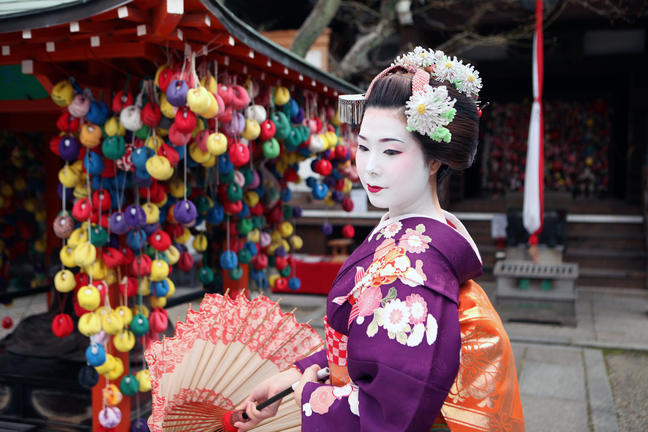
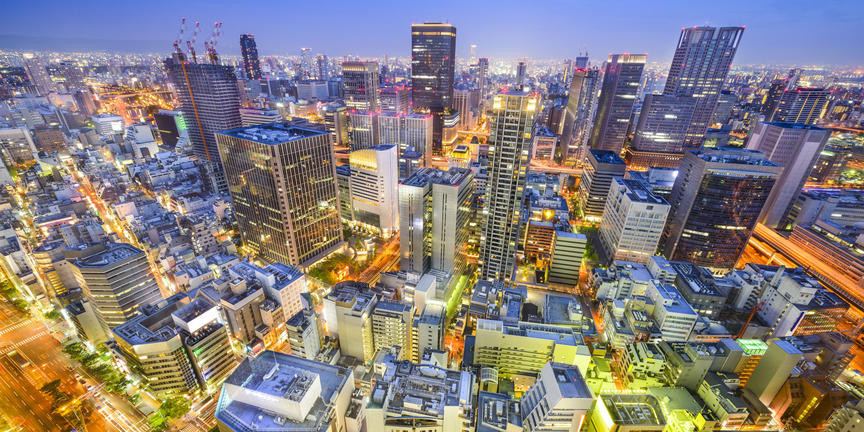
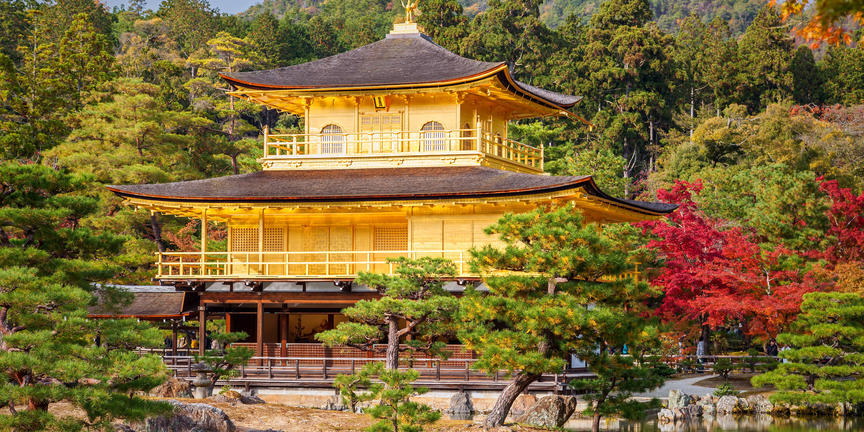
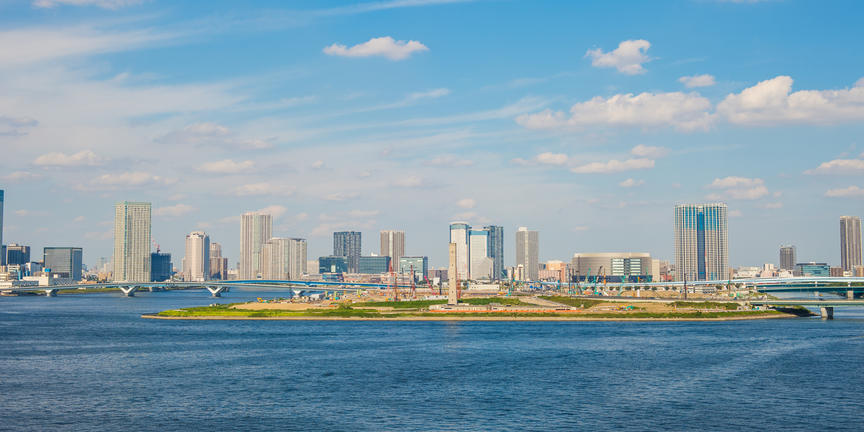
Japan’s diverse cities provide something for every traveller. Tokyo dazzles with its neon-lit skyline, historic temples, and quirky pop culture districts. Kyoto, the cultural heart of the country, is renowned for its ancient temples, tranquil gardens, and the chance to spot geisha in the atmospheric streets.
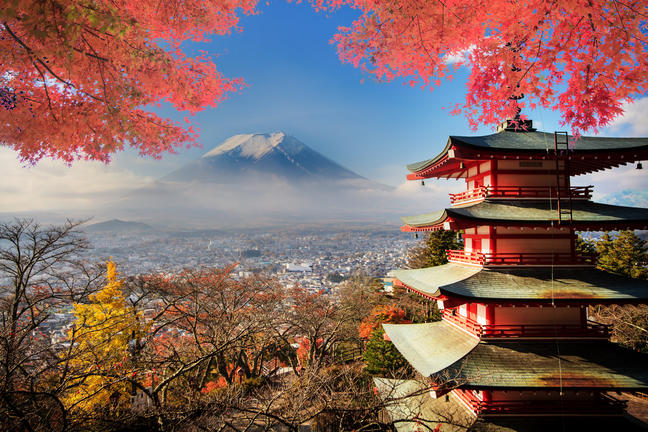
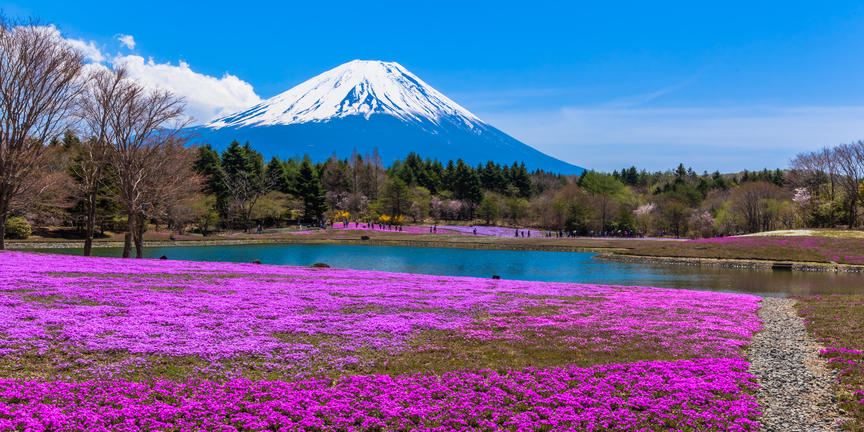
Osaka is a food lover’s paradise, while Hiroshima’s Peace Memorial Park offers a moving reflection on history. Nature lovers will find plenty to explore, from the iconic snow-capped peak of Mt. Fuji to the lush forests and hot springs of Nikko National Park. The Japanese Alps, Hakone’s hot springs, and the beaches of Okinawa offer a stunning contrast to the urban bustle.
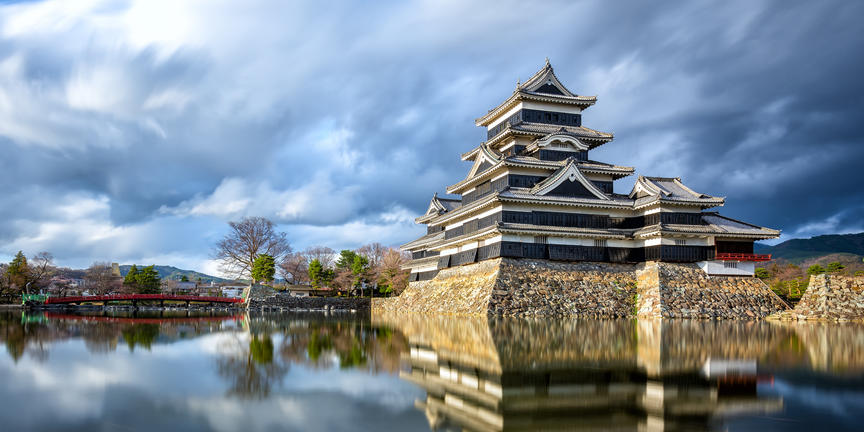
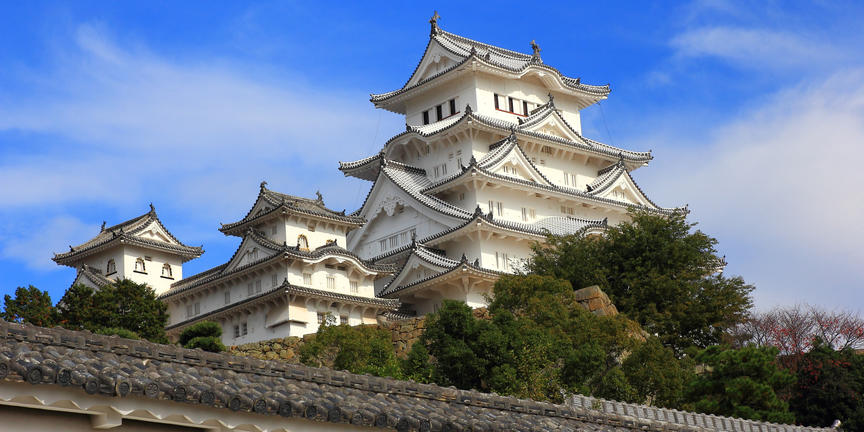
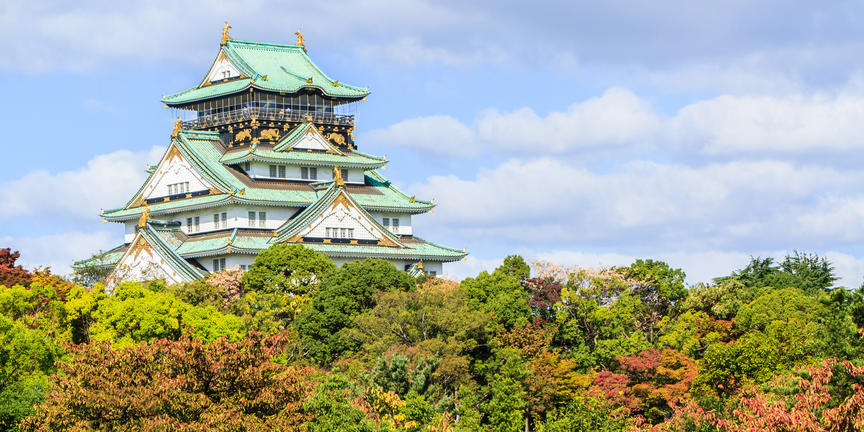
Japan’s unique culture is a major drawcard. Travellers can immerse themselves in centuries-old traditions, from participating in a tea ceremony to staying overnight in a Buddhist temple. The country’s festivals, art museums, and historic castles provide deep insight into Japanese heritage.
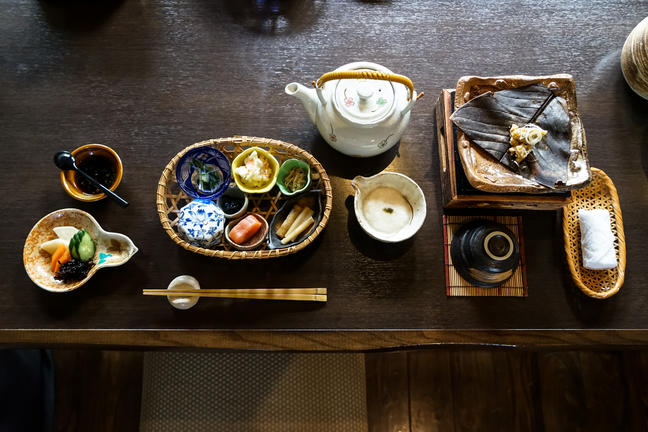
Japanese cuisine is a highlight in itself. From sushi and sashimi to ramen, tempura, and street snacks like gyoza and onigiri, the food is both sophisticated and accessible. Each region boasts its own specialties, and local markets are a feast for the senses. For Kiwis, the freshness and artistry of Japanese food is a revelation, making every meal an adventure.
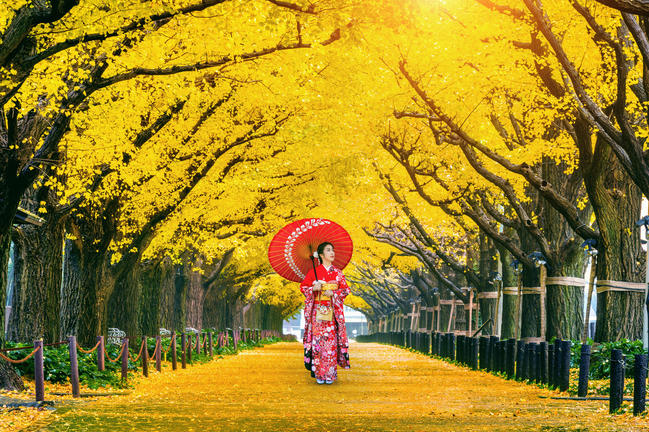
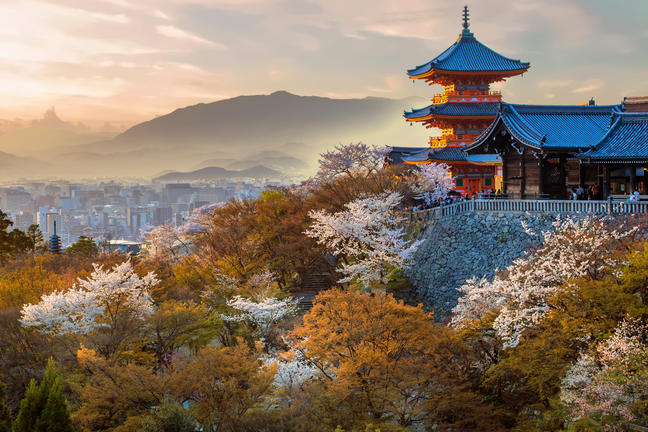
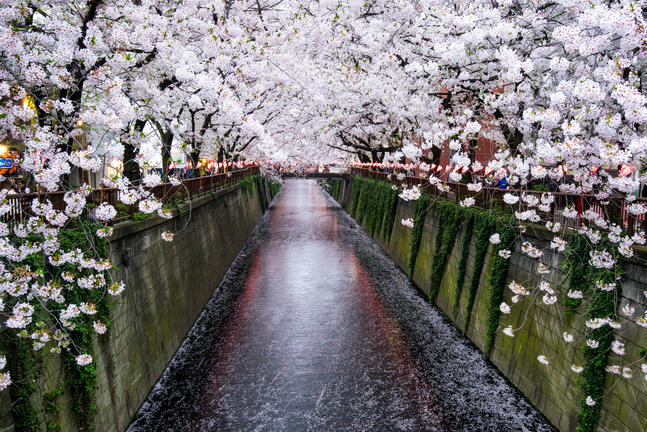
New Zealand travellers are drawn to Japan for its rich cultural experiences and warm hospitality, its unique blend of ancient and modern attractions, and its stunning natural scenery - from cherry blossoms in spring to autumn foliage and world-class ski fields.
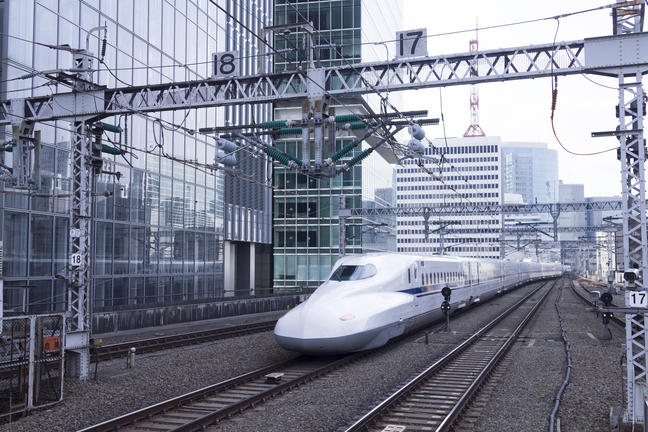
Efficient transport, including the famous bullet trains, makes it easy to explore multiple regions in one trip. Japan offers an unforgettable journey, blending the familiar with the exotic, and rewarding every visitor with memories to last a lifetime.
Luggage Forwarding in Japan
One of the quiet joys of travelling in Japan is the takkyubin luggage forwarding service, a nationwide network that whisks your suitcases from one hotel to the next while you travel unencumbered. It is fast, astonishingly reliable, and surprisingly affordable, and for many of our travellers it transforms the experience of moving between destinations.
The principle is simple. Rather than wrestling large cases on and off the Shinkansen, you hand them over at your hotel and collect them at the next, usually the following day. You carry only a small overnight bag with what you need for the next twenty-four hours.
How It Works
The service is offered by a handful of couriers, the best known being Yamato Transport, easily recognised by its black cat logo. Almost every hotel in Japan can arrange a forward for you, and many ryokan and city hotels do this dozens of times a day, so the staff are well practised.
You simply ask the front desk, complete a short form with the delivery address, pay the fee, and hand over your bags. Your hotel handles the rest, and your cases are waiting at your next accommodation when you arrive.
Timing Is Everything
The key thing to understand is that forwarding usually takes one full day. Bags handed over in the morning typically arrive the following afternoon, so it works beautifully when you have consecutive nights booked ahead.
For longer distances, such as the far north or south, allow two days. We will always flag this in your itinerary so you know exactly when to send your bags and what to keep with you.
The Overnight Bag
Because your main luggage travels separately, you will want a small bag for one or two nights. Pack a change of clothes, toiletries, medications, chargers, and anything valuable, which should always stay with you rather than going in forwarded luggage.
This is where the system truly shines on a typical Japan itinerary. If you are travelling from Tokyo to Takayama with a night in Hakone along the way, you can forward your main cases straight ahead to Takayama and carry only a light overnight bag into the mountains. You arrive at your ryokan hands-free, ready to enjoy the onsen, and your suitcases are waiting for you in Takayama the next day.
When It Is Most Useful
Forwarding comes into its own in several situations. It is invaluable if you are stopping somewhere overnight en route, as in the Hakone example, where hauling full luggage up the mountain railways and ropeways would be a genuine chore.
It is equally welcome for families and groups, where the sheer volume of bags can make navigating crowded stations and train carriages stressful. Sending the cases ahead means everyone moves freely and boards with ease.
It is also a gift on days when you want to explore en route rather than travel straight through. If you fancy breaking your journey to see a temple, a castle, or a market between cities, you can do so completely unburdened, then rejoin your luggage at your destination.
A Few Practical Points
Costs are modest, typically around two to three thousand yen per large case, depending on size and distance. Payment is usually in cash at the time of sending, so it is worth keeping a little aside.
Most hotels need bags handed in by late morning to guarantee next-day delivery, so it pays to be organised on departure mornings rather than leaving it to the last minute. If you are catching an early train, simply forward the bags the evening before where the hotel allows.
One small note on luggage and the Shinkansen. Oversized bags now require a reserved seat with luggage space on some services, which is another reason forwarding makes life easier, as you sidestep that consideration entirely.
Expert Tips
Forward your bags from your second hotel rather than the airport on arrival, as it gives you time to settle in and means you are never separated from your luggage on day one.
Keep your passport, valuables, and any medication in your hand luggage at all times. Forwarded bags are extremely safe, but essentials should never leave your side.
Photograph your luggage tag receipt when you send a bag. It carries a tracking number, and although losses are vanishingly rare, it offers complete peace of mind.
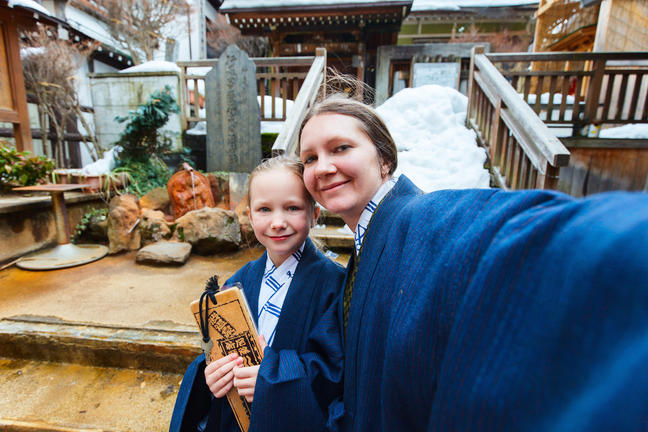
Plan a forward around any onsen or ryokan night. Arriving at a traditional inn with just a small bag, ready to change into your yukata, is very much part of the pleasure.