- Info
- More Info
- Images
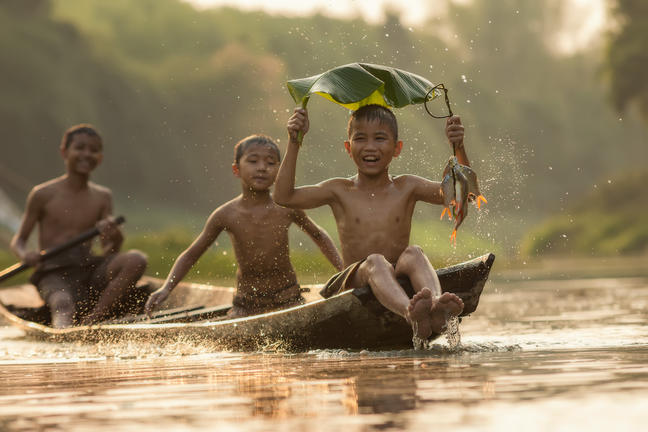
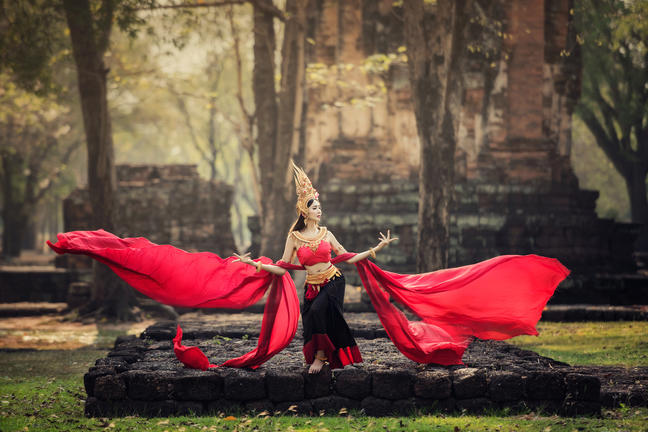
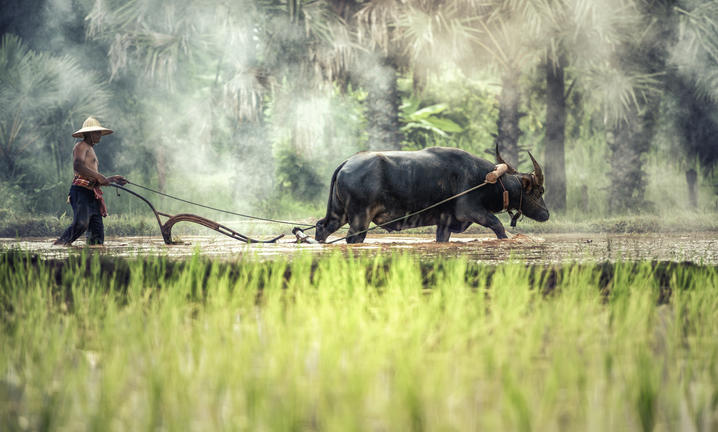
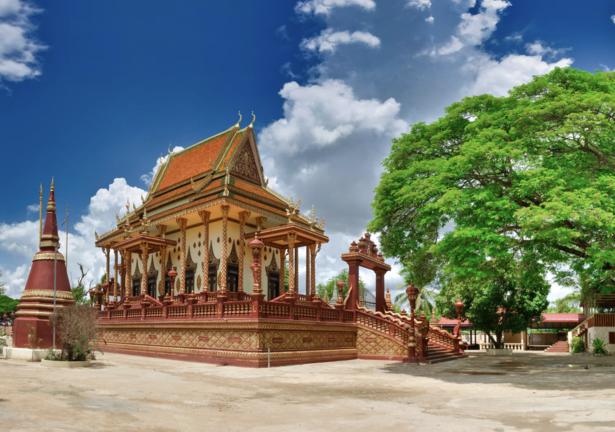
Since Cambodia reopened its borders to tourists in the early 1990s, visitors from around the world have flocked to this intriguing Southeast Asian country to experience its fascinating cultural heritage, to engage with the wonderfully welcoming locals, and to marvel at the numerous spectacular natural wonders Cambodia has to offer.
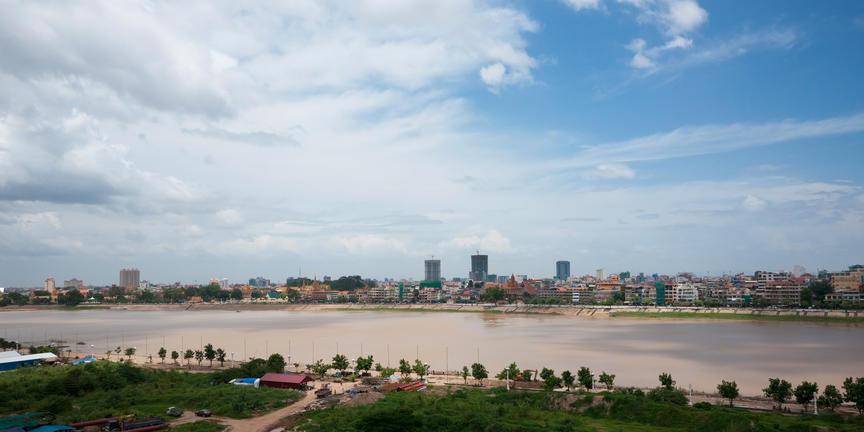
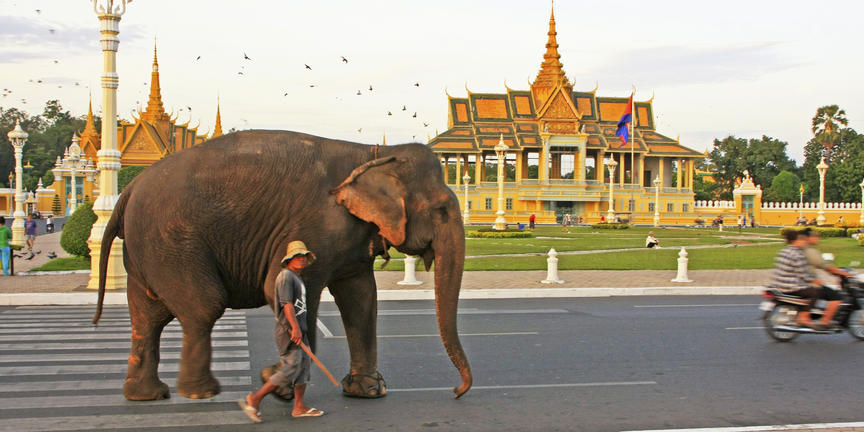
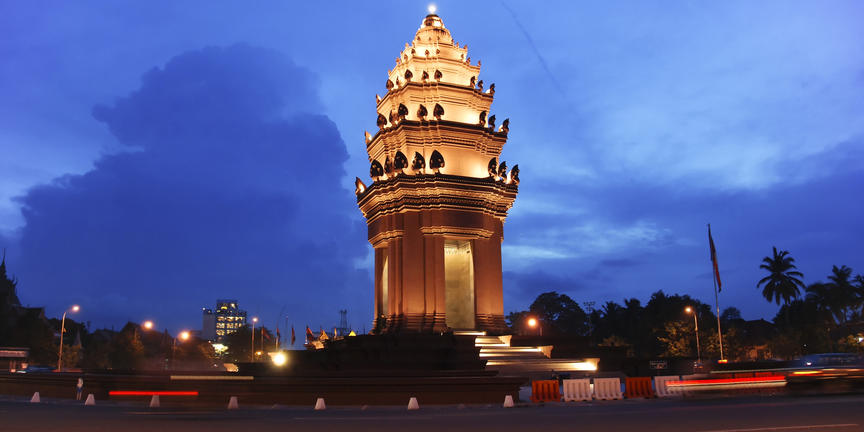
Phnom Penh, the nation’s bustling capital, is home to a slew of excellent restaurants, lively outdoor markets and a boisterous nightlife. However, most of Cambodia’s most popular attractions are located beyond the capital.
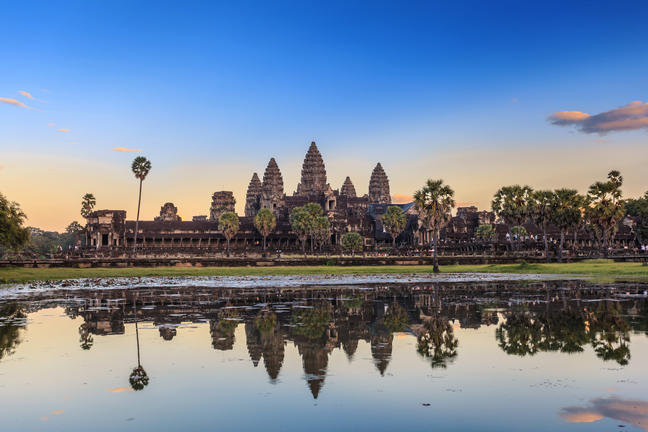
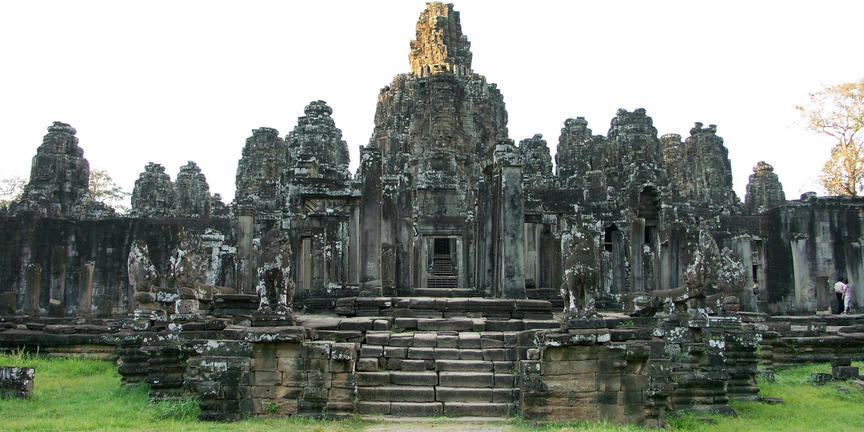
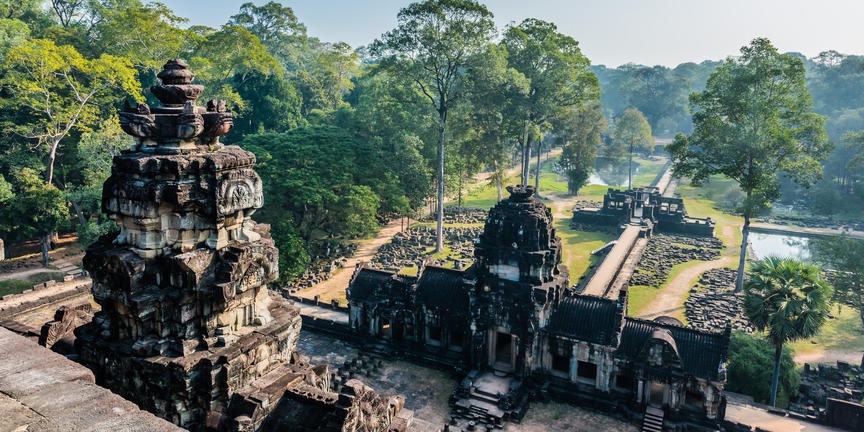
Tourist favourites include: the sleepy French-influenced town of Kampot with its lovely promenade dotted with gorgeous French villas and charming riverside cafes; the breathtaking waterfalls of the lush jungle-clad Cardamon Mountains; and, of course, the awe-inspiring ancient temple complex of Angkor Wat - the world’s largest and arguably most impressive religious structure.
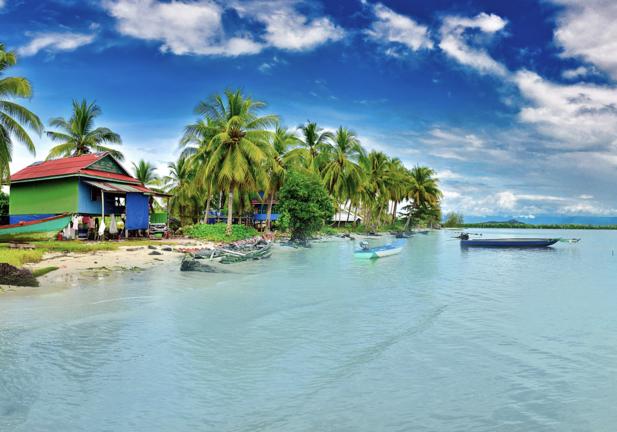
Cambodia serves travellers of all sensitivities, whether they're seeking adventurous jungle excursions, exquisite golden-sand beaches, luxury resorts or sumptuous exotic cuisine, Cambodia truly does have it all.
A handful of things that don’t fit neatly elsewhere but matter day-to-day in Cambodia.
Cultural notes
Greetings — the Cambodian greeting is the sampeah: palms together at chest height with a slight bow. The higher the hands, the more respect (chest height for peers, nose for elders, forehead for monks). Returning a sampeah from a child is unnecessary; a smile and nod is fine
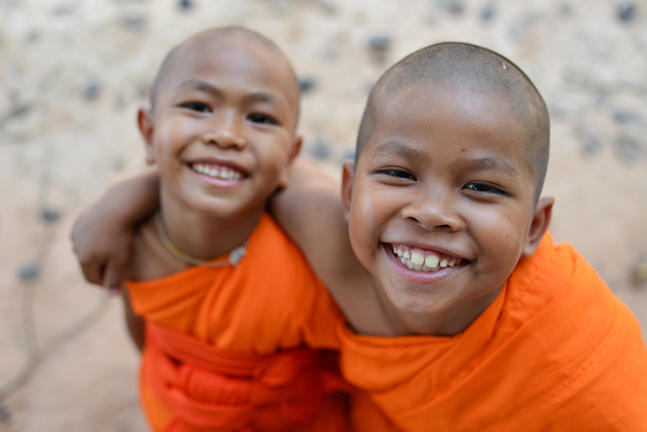
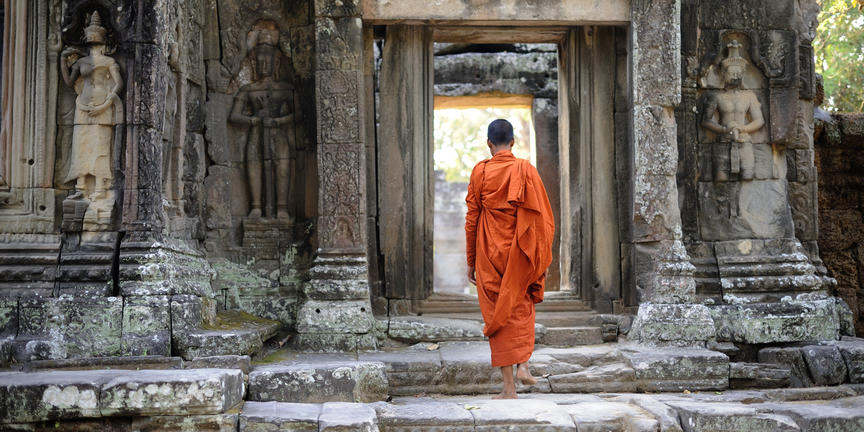
Buddhist etiquette — never touch a monk’s robes. Women in particular should not hand items directly to monks but pass them via a third person or place them down. Don’t sit higher than a monk, or with your feet pointed at a Buddha image
Heads and feet — the head is considered the most sacred part of the body and the feet the lowest. Don’t touch anyone’s head, even a child’s. Don’t point with your feet, prop them on furniture, or step over someone seated on the floor
Right-hand etiquette — pass objects, food and money with the right hand or with both hands, not the left
Photography — always ask before photographing people, especially monks, the elderly, and those at religious sites. At Tuol Sleng and the Killing Fields, follow the signage — these are memorial sites, not selfie backdrops
The Khmer Rouge years — the genocide of 1975-79 is recent history that affected almost every Cambodian family. Visitors are welcome at the memorial sites and most people will speak openly about it; follow your hosts’ lead on tone and avoid framing it as “interesting” or “fascinating”
Children and begging — begging at tourist sites, particularly by children, is common. The widely-shared advice from local NGOs is not to give cash directly to children (which encourages them to be kept out of school), and instead to support reputable local organisations or buy food rather than hand over money
Souvenirs and wildlife products — do not buy ivory, animal products, antiquities or stone fragments. The penalties at the airport are significant and the items are often looted from temple sites or protected areas
Tipping and service
Tipping is not historically Cambodian but has become expected in the tourism sector, and forms a meaningful part of staff income. Most tipping is done in US Dollars rather than riel.
Restaurants and cafés:
Simple eateries — round up the bill; small change is fine
Mid-range restaurants — 5-10% if no service charge is on the bill
Fine dining — 10% for good service
Hotels:
Porter — US$1-2 per bag
Housekeeping — US$1-2 per night, left in an envelope at check-out for an extended stay
Room service — round up if no service charge is added
Drivers and guides:
Tuk-tuk driver hired for the day — US$3-5 on top of the agreed fare
Private driver, full day — US$5-10 per day depending on length and difficulty
Licensed local guide — US$10-15 per half-day, US$15-25 per full day for strong service; specialists at Angkor command more
Group tour — US$3-5 per guest for the guide; US$1-2 for the driver
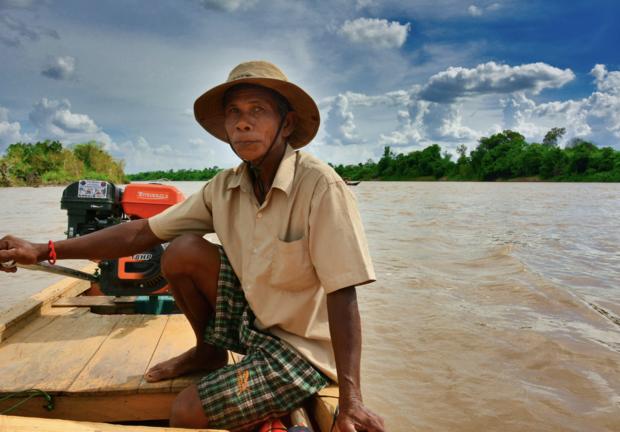
Boat crews and small boat operators — US$1-2 per person for short trips, more for full-day or overnight trips.
Alcohol
Cambodia has no alcohol prohibition, and the legal drinking age is 18. Beer is cheap and ubiquitous. Strict drink-driving laws apply, including for scooter riders, and random breath testing happens.
Language
The official language is Khmer, spoken by almost the entire population. English is widely spoken in the tourism sector — hotels, drivers, guides, restaurants and shops in Phnom Penh and Siem Reap will manage well, though spoken English thins out fast in rural areas. French still turns up among older Cambodians. A few phrases in Khmer go a long way: suostei (hello), aw kun (thank you), som toh (sorry / excuse me) and thlay ponman? (how much is it?).
Time zone
Cambodia runs on Indochina Time (ICT), UTC+7. There is no daylight saving. Cambodia is 5 hours behind New Zealand in NZ winter and 6 hours behind in NZ summer.
Public holidays and festivals
The big dates that affect openings and transport:
Khmer New Year (mid-April, three days) — the biggest holiday of the year. Phnom Penh empties as families return to home villages; Siem Reap fills with domestic visitors at Angkor. Many businesses close for several days
Pchum Ben (late September or October, 15 days, with three public holidays) — the Festival of Ancestors. A more sombre occasion; pagodas are full
Water Festival (Bon Om Touk) (November, three days) — boat racing on the Tonle Sap and the Mekong; Phnom Penh’s riverfront is the focal point and accommodation books out
Royal birthdays and national days — several through the year; banks and government offices close
LGBTQ+ travellers
Same-sex relationships are legal in Cambodia, and the country is one of the more accepting in South-East Asia. There is no formal recognition of same-sex unions. Public displays of affection — for any couple — are uncommon outside the larger cities. Most travellers will encounter no difficulty in tourist settings.
Photography of sensitive sites
The Tuol Sleng Genocide Museum and Choeung Ek Killing Fields permit photography in most areas but request respect, and discourage selfies and social-media content. Some rooms at Tuol Sleng have a no-photography policy that is signposted and should be observed.